
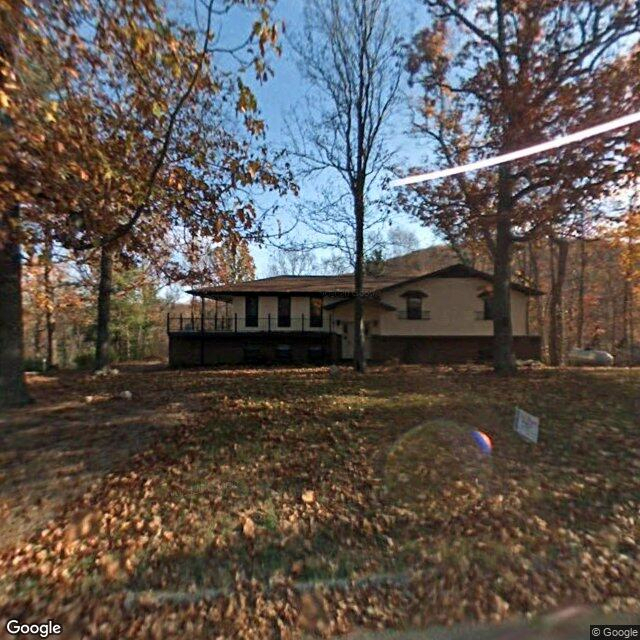
206 Blue Mountain Parkway, Rocky Face, GA 30740
For more information about senior living options: (866) 208-4318
The Lighthouse Personal Care Home Costs & Pricing
The Lighthouse Personal Care Home offers a private room at a monthly cost of $3,500, which positions it competitively within the local landscape. When compared to Whitfield County, where the average cost for similar accommodations is slightly higher at $3,667, The Lighthouse presents an attractive option for potential residents seeking quality care without exceeding local averages. Moreover, when we broaden the comparison to the state of Georgia as a whole, where private room costs average around $2,864, The Lighthouse's pricing reflects its commitment to providing a premium environment and tailored services that align with the needs of its residents. This balance of quality and value makes The Lighthouse Personal Care Home a noteworthy choice in the region.
| Floor plans | The Lighthouse Personal Care Home | Whitfield County | Georgia |
|---|---|---|---|
| Private | $3,500 | $3,667 | $2,864 |
Assisted Living communities with a similar price nearby
-
from +$572 / mo
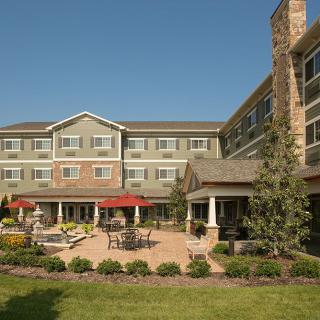
The Bridge At Ooltewah
$4,072 to $5,690 / month19.0 miles away -
from +$150 / mo

Thrive at Brow Wood
$3,650 to $5,620 / month22.0 miles away -
from +$615 / mo

The Fountains of Calhoun
$4,115 to $4,995 / month22.8 miles away -
from +$175 / mo
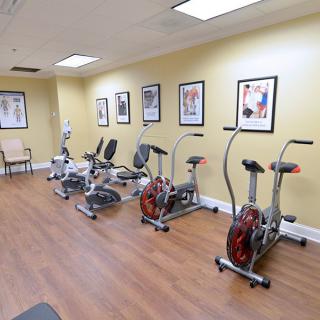
The Rosewood at Fort Oglethorpe
$3,675 to $4,410 / month13.8 miles away -
from -$650 / mo

Oaks at Dalton
$2,850 to $4,150 / month6.9 miles away
Overall Review of The Lighthouse Personal Care Home
Pros
 Walnut Creek offers everything families hope for, with a warm, residential setting and customized care.
- The staff treats residents like family and genuinely cares about their well-being, going above and beyond to ensure comfort and happiness.
- The community demonstrates professionalism and compassionate care from top leadership, with kind, attentive communication between staff and residents.
- The facility, staff, and leadership team are outstanding.
- The home is stunningly beautiful, with a director who treats residents as family and a top-notch staff; food, cleanliness, and service are among the best.
- Walnut Creek provides a home environment that meets individual needs, with personal attention from caring staff, nutritious meals, and consistent cleanliness; residents are encouraged to dine together and stay active.
- The environment feels safe and enjoyable, giving families peace of mind that their loved ones are truly cared for.
- The owners are incredible.
Cons
 They weren’t the right fit for Dad.
Review
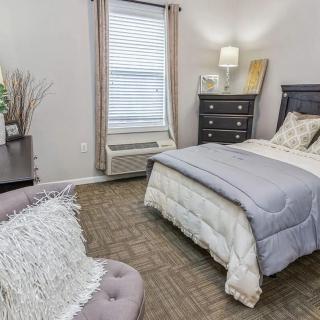
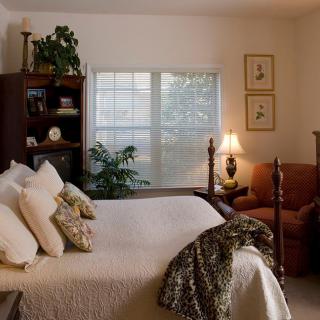
This community is best suited for seniors who want a warm, home-like living environment where staff know residents by name and care is deeply personalized. In Rocky Face, Georgia, the model emphasizes a residential feel over a clinical campus: comfortable rooms, familiar routines, and a daily rhythm built around meals, activities, and genuine interactions with caregivers who treat residents like family. The tone is practical and reassuring: residents are encouraged to dine together, participate in daytime activities, and maintain a sense of independence within a secure, tidy setting. For families seeking a place where a loved one can settle into a comforting, predictable routine and form meaningful connections, this setting delivers.
Those considering alternatives should weigh the level of medical oversight and specialty care required. If a loved one needs robust 24/7 on-site nursing, complex wound care, dialysis, or specialized memory-care programming, a larger facility with formal clinical staffing may be a better fit. For families pursuing highly structured rehabilitation, extensive therapy options, or a broader array of on-site services (beyond daily activities and social engagement), the intimate home model can feel limiting. Additionally, readers should consider transportation needs, visiting flexibility, and the availability of more expansive campuses if long-term changes in care needs are anticipated.
The standout pros are concrete and well-aligned with what families value. The staff’s genuine warmth and one-on-one attention create a sense of safety and belonging from day one, with residents appearing comfortable, engaged, and well cared for. Cleanliness and attention to dining quality emerge as major strengths, with meals described as nutritious and enjoyable and residents encouraged to dine together and stay socially active. The leadership and professionalism cited by visitors contribute to a reliable atmosphere where routines are predictable, staff communicate respectfully, and residents are dressed and prepared for each day. These elements collectively foster peace of mind for families and a clear sense of daily purpose for residents.
The most plausible cons center on what a smaller, private home may not deliver as comprehensively as larger, more clinical communities. While not highlighted as overt flaws in the reviews, the intrinsic trade-off of a home-style setting is more limited on-site medical infrastructure and fewer tightly integrated therapy programs. Potential gaps could include fewer on-site specialists, limited 24/7 nursing coverage, and a narrower range of therapy or medical oversight options compared to larger facilities. This is not framed as a failure, but as a realistic expectation for families that prioritize intimate, personalized care over formal medical capacity.
Yet the strengths strongly offset these trade-offs for the right resident. The personal attention, often described as going “above and beyond”, means care plans can be tailored with genuine flexibility and responsiveness. The home atmosphere, coupled with consistent staff-to-resident interactions and a shared dining experience, reduces anxiety, promotes mood stability, and supports social engagement. Cleanliness and safe, predictable routines help maintain health and well-being, while a leadership ethos that emphasizes professionalism translates into dependable daily operation. For many families, these factors translate into a clearer sense of security and a marked improvement in quality-of-life for their loved one.
In practical terms, this community is an excellent fit for families seeking a nurturing, low-stress alternative to larger senior homes, where the emphasis is on comfort, companionship, and everyday competence rather than clinical intensity. Prospective residents should visit with a checklist: observe how staff respond to residents, sample a meal, and assess the energy of common spaces during peak activity times. In evaluating care options, ask about staff-to-resident ratios, what medical services are available on-site, and how care plans are developed and updated. If memory care or specialized medical needs loom large, it may be wise to compare with facilities that offer dedicated memory-care programming or more extensive clinical staffing. Ultimately, this community delivers proven strengths for the right person: a genuine home environment with caring, capable staff, strong cleanliness and nutrition standards, and a daily rhythm that invites participation, dignity, and lasting peace of mind.
 4 resident community capacity
 Assisted Living
 Board and Care Home
 Activities off-site
 Cable or satellite TV
 Devotional services on-site
 Dining room
 Fully furnished
 Garden
 Housekeeping services
 Indoor common areas
 Move-in coordination
 Outdoor common areas
 Private
 Private bathrooms
 Respite or short term stays offered
 Telephone
 Wi-Fi/high-speed internet available
 Lovell (18 miles away)
 24-hour supervision
 Assistance with bathing
 Assistance with dressing
 Assistance with transfers
 Diabetes diet
 Diabetic care
 High acuity care
 Incontinence care
 Meal preparation and service
 Medication management
 Special dietary restrictions
 Transportation arrangement (medical)
 Transportation to doctors appointments



 Comprehensive Residential Support and Assisted Living Solutions for Individuals with Disabilities
 Comprehensive Supportive Living Arrangements for Adults with Disabilities
 Funding and Affording Assisted Living: A Thorough Overview