
1212 Broadrick Drive, Dalton, GA 30720
For more information about senior living options: (866) 208-4318
Overall Review of Regency Park Health And Rehabilitation
Pros
 The facility is well maintained and clean, with staff who are caring, respectful, and very nice.
- Care for a patient after a stroke was described as awesome.
- The rehab staff helped a patient become more functional.
- The cafe serves fresh coffee twice daily.
- The facility was described as the nicest in Dalton.
- An aunt loved the facility and found the atmosphere nice, clean, and friendly.
- The staff were friendly to guests and patients.
Cons
 The food is terrible and beverage options are lacking.
- There is a lack of knowledge in diet and pain management.
- Untrained staff turned a stable fracture into an unstable one and delayed care.
- The room was filthy and the facility’s cleanliness was poor.
- Medications were given that were not supposed to be administered.
- The staff spoke to residents in a cruel, unfeeling manner.
- Mobile residents were not adequately supervised, allowing wandering between rooms.
- The facility smelled of urine and nursing staff were rushed and inattentive; activities were hit or miss and lacked variety.
Review
Regency Park Health and Rehabilitation in Dalton is best suited for families seeking a clean, orderly post-acute environment where rehabilitation services can drive functional gains if staff attention remains steady. The facility shows itself as a practical option for short-term rehab after procedures or strokes, provided that the resident’s medical needs are not excessively complex and there is a willingness from family or a responsible surrogate to stay engaged with care plans. It works best for those who prize a well-kept building, private rooms with walk-in showers, and a generally positive rehab orientation, where therapists and aides appear capable and respectful when fully staffed.
Alternatives should be considered for residents with high medical complexity or strict treatment protocols. The most consequential red flags from family experiences center on inconsistent nursing attention, delays in pain control, and questions about medication management. Several reviews recount episodes of slow nurse calls, incomplete attention to a patient’s diet or wound needs, and even accusations of medication discrepancies. These patterns matter most for people requiring tight medical oversight, such as post-stroke care with swallowing issues, fragile wound healing, or diabetes management that demands precise monitoring and timely intervention.
The strongest positives here tend to offset the negatives when the resident’s rehab course is the primary goal. The campus is described as clean and well maintained, with a calm, approachable staff in many shifts. Families praise the rehabilitation team when they are engaged, with therapists who push mobility, and examples of caregivers who treat residents with courtesy and professionalism. Positive anecdotes highlight private rooms, a café atmosphere with reliable coffee service, and a capacity to provide meaningful activities and personalized attention during therapy sessions. For short stays where the focus is on regaining independence, these elements can deliver real value.
Yet the cons cannot be dismissed. The reviews collectively reveal a troubling variance in care quality: some staff are perceived as compassionate and capable, while others come across as brusque, inattentive, or overwhelmed. Food quality is described variably, with some meals deemed acceptable and others criticized as unappealing or not aligned with dietary needs. More alarming are reports of unsafe or neglected conditions, ranging from untreated bedsores and inadequate bathing to allegations of medication mismanagement and poor communication with medical staff. The facility’s reputation for consistent, reliable safety and nutrition protocols appears to depend heavily on which team is on duty, which creates a real risk for a family hoping for predictable outcomes.
In practice, these dynamics mean Regency Park can be a viable choice for families who can participate actively in care decisions and who prioritize a solid rehab trajectory within a clean, well-run setting. The facility’s strengths, cleanliness, respectful treatment from many caregivers, and a credible rehab orientation with supportive therapists, can translate into meaningful functional improvements for an appropriate patient. However, for loved ones with complex medical needs, or for families unwilling to monitor daily care or challenge potential lapses in safety and nutrition, exploring alternatives is prudent. The risk of inconsistent care, particularly around medications and daily monitoring, outweighs the upside for those who require an extra layer of medical reliability.
Prospective families should enter with a concrete plan: demand visibility into the rehab team's approach for specific conditions (stroke, fracture recovery, diabetes), request clear medication administration policies, and verify dietician involvement and regular nutritional monitoring. Ask about fall and wandering risk protocols, staffing patterns on evenings and weekends, and a concrete procedure for reporting and resolving concerns. A trial period or a tightly defined care plan can help gauge whether the day-to-day experience aligns with expectations. In short, Regency Park offers a practical rehab environment with redeeming strengths, but its suitability hinges on consistent nursing oversight, reliable medical communication, and active family engagement.
 100 resident community capacity
 Skilled Nursing Facility
 Air-conditioning
 Beauty salon
 Cable or satellite TV
 Computer center
 Dining room
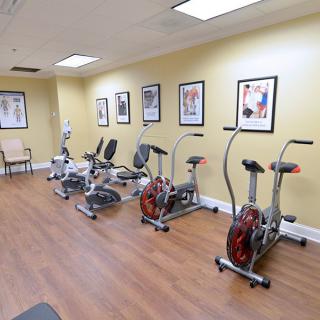
 Fitness room
 Fully furnished
 Gaming room
 Garden
 Housekeeping services
 Kitchenette
 Move-in coordination
 Outdoor space
 Private bathrooms
 Restaurant-style dining
 Small library
 Telephone
 Wellness center
 Wi-Fi/high-speed internet available
 Lovell (21 miles away)
 Community operated transportation
 12-16 hour nursing
 24-hour call system
 Activities of daily living assistance
 Assistance with bathing
 Assistance with dressing
 Assistance with transfers
 Diabetes diet
 Medication management
 Mental wellness program
 Special dietary restrictions
 Concierge services
 Planned day trips






 Comprehensive Exploration of Living Wills and Other Advance Directives
 A Detailed Exploration of Living Wills and Advance Directives
 Comprehensive Guide to Medicare Coverage for Hospice Care