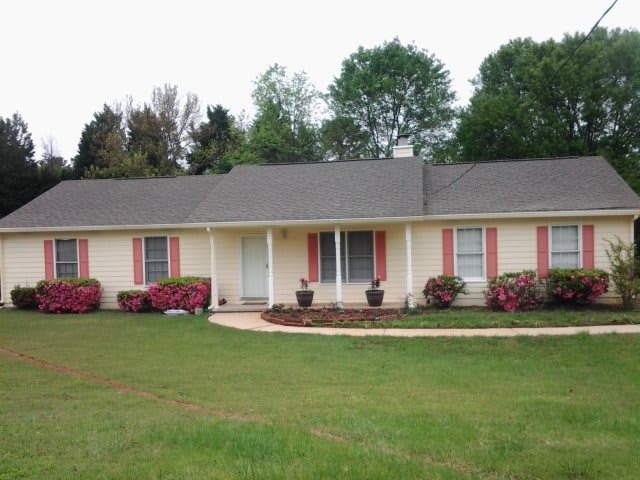
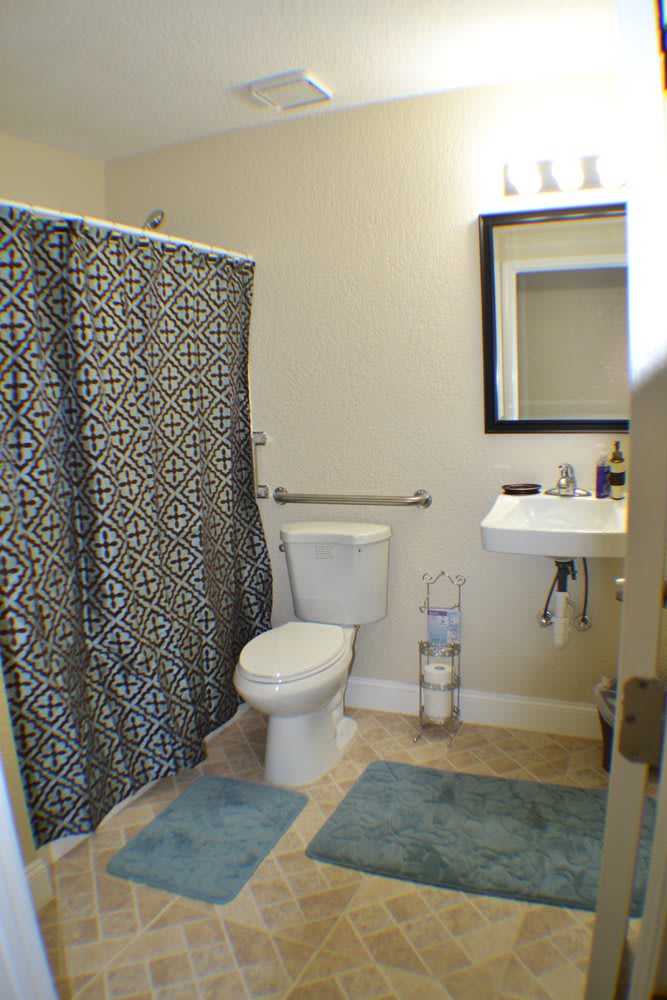
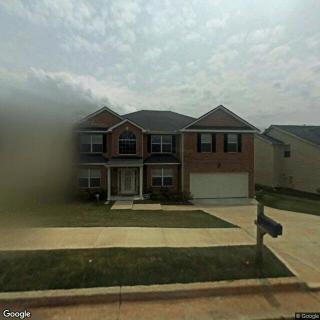
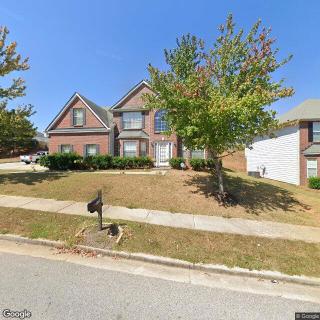
3716 Paddington Trail, Rex, GA 30273
For more information about senior living options: (866) 208-4318
Pristine Personal Care Home Costs & Pricing
Pristine Personal Care Home offers competitive pricing for its services compared to both Henry County and the broader state of Georgia. For a semi-private room, residents can expect to pay $3,000 per month, which is significantly higher than the county average of $1,950 and more than the state average of $2,529. The costs increase for private rooms, with Pristine charging $3,500 per month - again surpassing both local and state averages at $2,130 and $2,864 respectively. These figures suggest that while Pristine Personal Care Home may be positioned at the higher end of the pricing spectrum within its locality, potential residents might anticipate additional value in terms of quality care and amenities that accompany the elevated rates.
| Floor plans | Pristine Personal Care Home | Henry County | Georgia |
|---|---|---|---|
| Semi-Private | $3,000 | $1,950 | $2,529 |
| Private | $3,500 | $2,130 | $2,864 |
Assisted Living communities with a similar price nearby
-
from -$500 / mo

A & C Personal Care Home
$2,500 to $4,000 / month16.1 miles away -
from +$500 / mo

Oaks at Eagles Landing
$3,500 to $4,200 / month4.0 miles away -
from +$192 / mo
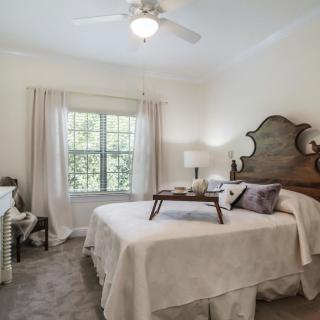
Arbor Terrace Peachtree City
$3,192 to $5,073 / month22.3 miles away -
from +$450 / mo

Oaks at Stockbridge
$3,450 to $3,950 / month6.0 miles away -
from +$150 / mo
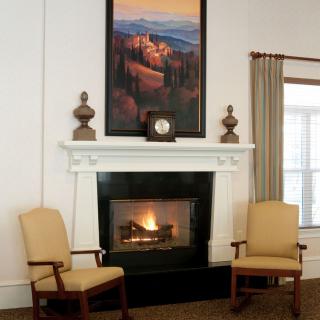
Benton House of Covington
$3,150 to $5,370 / month24.3 miles away
Overall Review of Pristine Personal Care Home
Pros
 The place ensures the dad always enjoys his stay, with a great owner and nice staff.
- The leadership and staff are honest, loving, and caring, meeting seniors' needs.
- It is described as a first-class personal care home in Rex, GA, prioritizing personal and dignified care.
Review
This community is best suited for families seeking an intimate, highly personalized living environment for an aging loved one who thrives on consistent routines, respectful interaction, and a strong sense of family. In Rex, GA, Pristine Personal Care Home operates as a small, owner-led home rather than a sprawling campus, delivering care that feels dignified, personal, and genuinely attentive. Reviewers repeatedly highlight a first-class standard of daily life: a caring owner, kind staff, and a consistent emphasis on honoring seniors’ needs with honesty and warmth. The setting appeals to families who want to see their loved one treated with patience, courtesy, and real emotional regard, with caregiving that feels more like a trusted home than a clinical facility.
Those considering alternatives should recognize who may not be the right fit. If a loved one requires high-acuity medical oversight, complex wound care, or the security and resources of a large memory-care wing, larger assisted living communities or skilled-nursing environments may offer the breadth of services needed. Similarly, families seeking an extensive calendar of on-site therapies, a broad array of social and recreational programming, or expansive amenities might find a bigger campus preferable. For residents whose interests hinge on high-volume activity schedules, frequent transportation options, or specialized rehabilitation, it may be prudent to compare options with more expansive offerings.
The core strengths here are tangible and meaningful: owner leadership that prioritizes honest, loving care; staff who come across as genuinely nice and engaged; and a daily rhythm built around personal, dignified treatment. Family members express confidence in the integrity of those in charge, and residents report enjoying their stays, which signals stability and low stress in day-to-day life. This combination, stable, caring relationships and a strong sense of personal recognition, helps to offset the realities of a smaller footprint, where inventory of activities and on-site services may be more modest than a larger facility. The result is a setting where trust and familiarity take precedence over the breadth of offerings.
What translates to practical peace of mind is the way care unfolds in practice. The atmosphere is described as honest and compassionate, with caregivers who know residents’ preferences, routines, and needs well. The owner’s involvement tends to translate into accountable, responsive care and a relationship with families rooted in clarity and reassurance. This fosters a reassuring environment for seniors who value predictability and a respectful, person-centered approach. The trade-off, if there is one, is a potential gap between the intimate care style and the more expansive services some families expect from larger sites; prospective residents should assess whether the day-to-day warmth and dignity sufficiently address long-term medical and social needs as those needs evolve.
For families evaluating a stay, the practical move is to test fit on a tour: meet the owner and key staff, observe how meal times and activities run, and ask how care plans adapt to changing health statuses. Inquire about staffing levels during evenings and weekends, medication management processes, how physicians or specialists are accessed, and what happens if more intensive care becomes necessary. Request a look at sample menus and activity calendars, and probe how families receive updates about loved ones. If memory care or rehab needs loom, specifically confirm the facility’s capabilities in those areas and how transitions are handled.
Bottom-line guidance: Pristine Personal Care Home serves best those who prize a warm, accountable, small-house atmosphere where dignity governs daily life and staff relationships feel like family. It is a compelling choice for seniors who thrive on routine, personalized attention, and straightforward communication with a nearby, honest operator. Alternatives should be on the table for residents requiring expansive medical oversight, specialized memory-care configurations, or a broad spectrum of therapies and activities. For families ready to move forward, a targeted visit with the owner, careful review of care plans, and a clear sense of how needs may evolve will clarify whether this Rex, GA community can comfortably sustain long-term peace of mind.
 6 resident community capacity
 Assisted Living
 Board and Care Home
 Day Program
 Air-conditioning
 Bath tubs
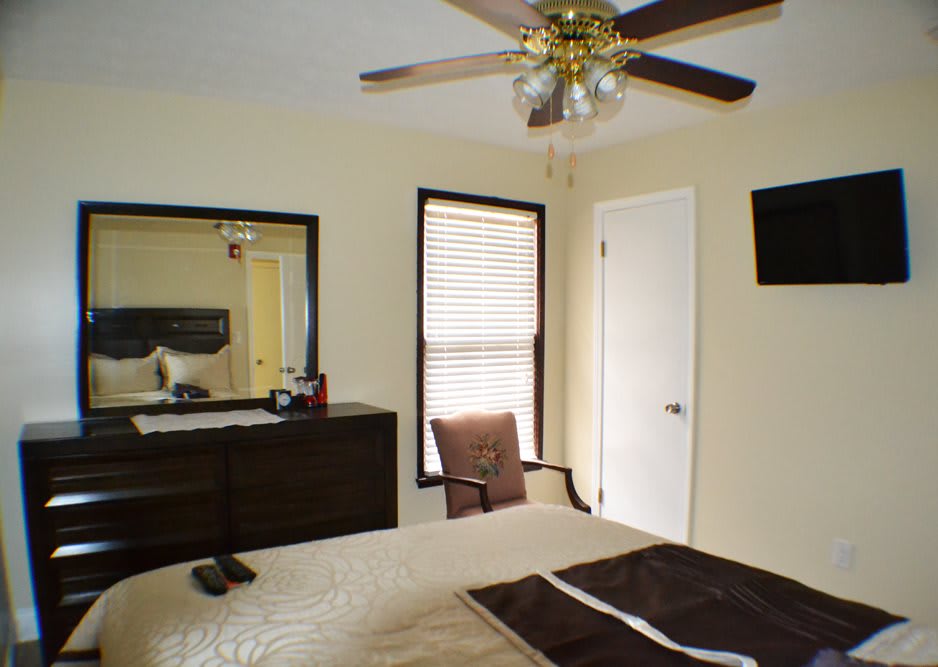
 Cable or satellite TV
 Devotional services off-site
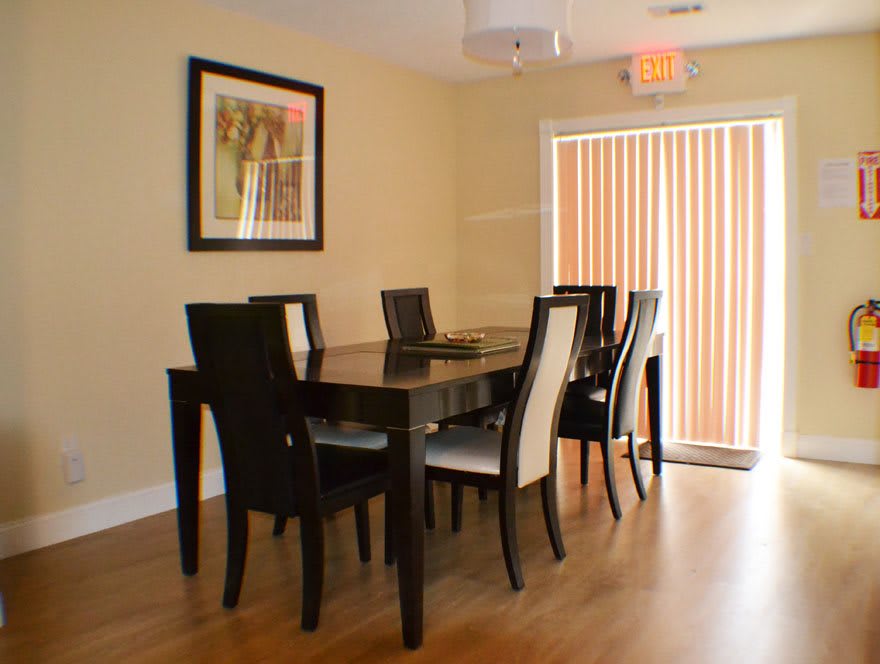
 Dining room
 Fireplaces
 Fully furnished
 Garden
 Handicap accessible
 Housekeeping services
 Indoor common areas
 Move-in coordination
 Outdoor common areas
 Private
 Private bathrooms
 Respite or short term stays offered
 Telephone
 Wi-Fi/high-speed internet available
 William B Hartsfield-Atlanta International (10 miles away)
 24-hour supervision
 Ambulatory care
 Assistance with bathing
 Assistance with dressing
 Assistance with transfers
 Diabetes diet
 Diabetic care
 High acuity care
 Incontinence care
 Meal preparation and service
 Medication management
 Special dietary restrictions
 Transportation arrangement (medical)
 Transportation to doctors appointments
 BBQs or picnics
 Birthday parties
 Day trips and outings
 Stretching classes
 Trivia games


 Exploring the Contrasts Between Assisted Living and Skilled Nursing
 8 Key Indicators That Suggest It May Be Time to Transition from Assisted Living to Skilled Nursing Care
 Vibrant Senior Living: A Comprehensive Guide for Active Older Adults