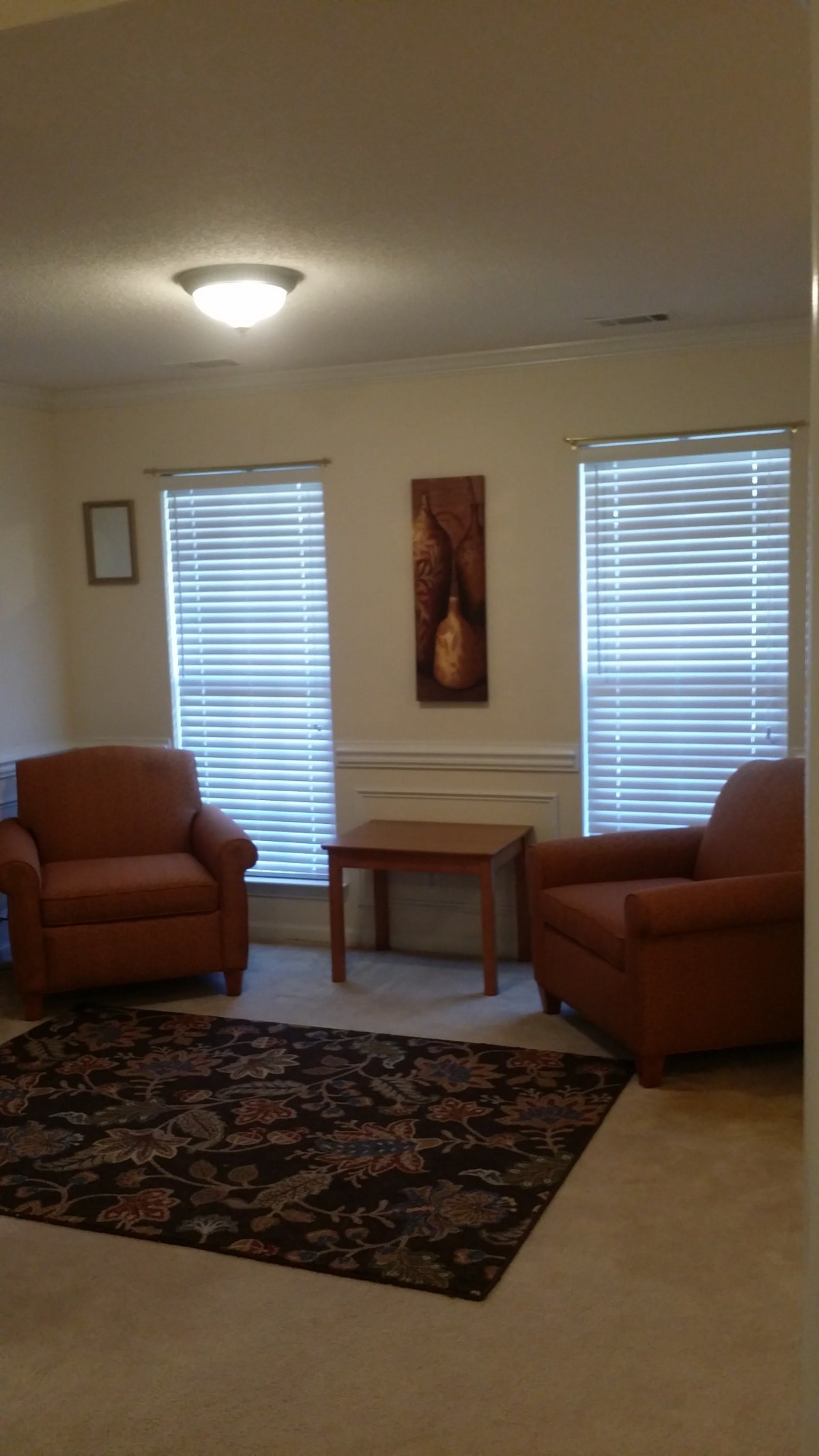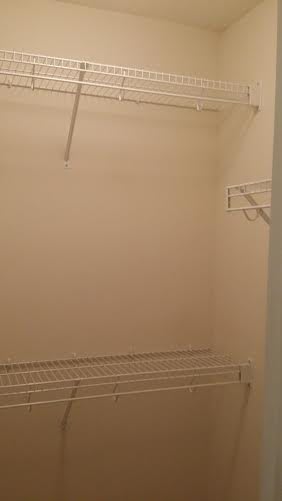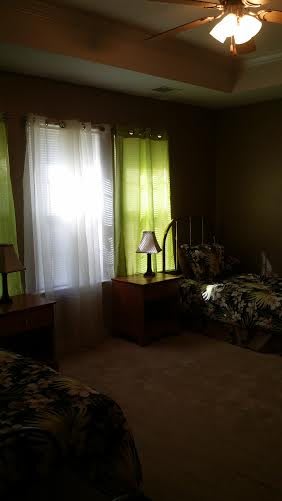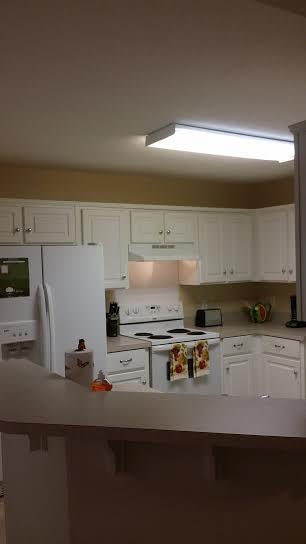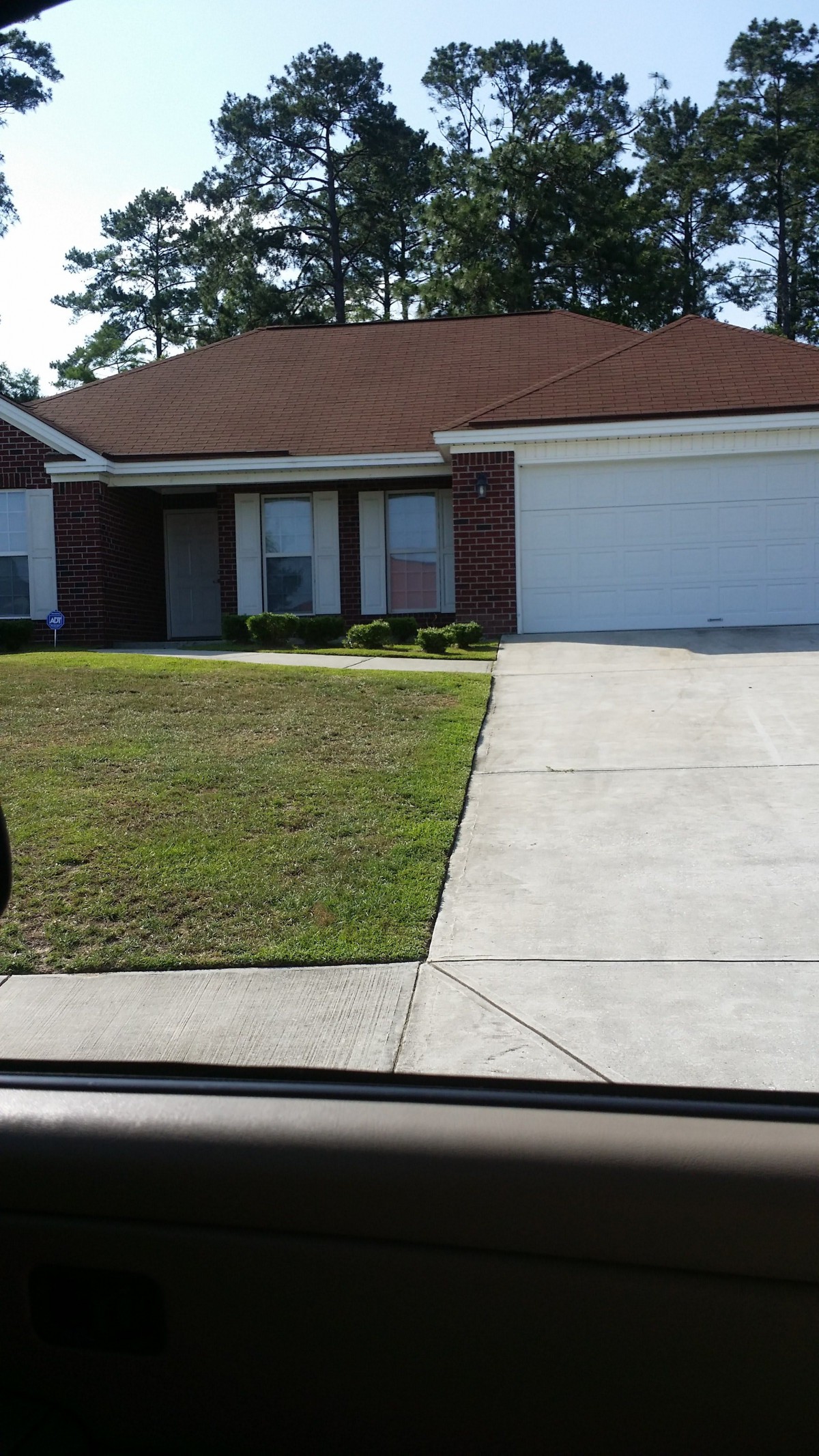
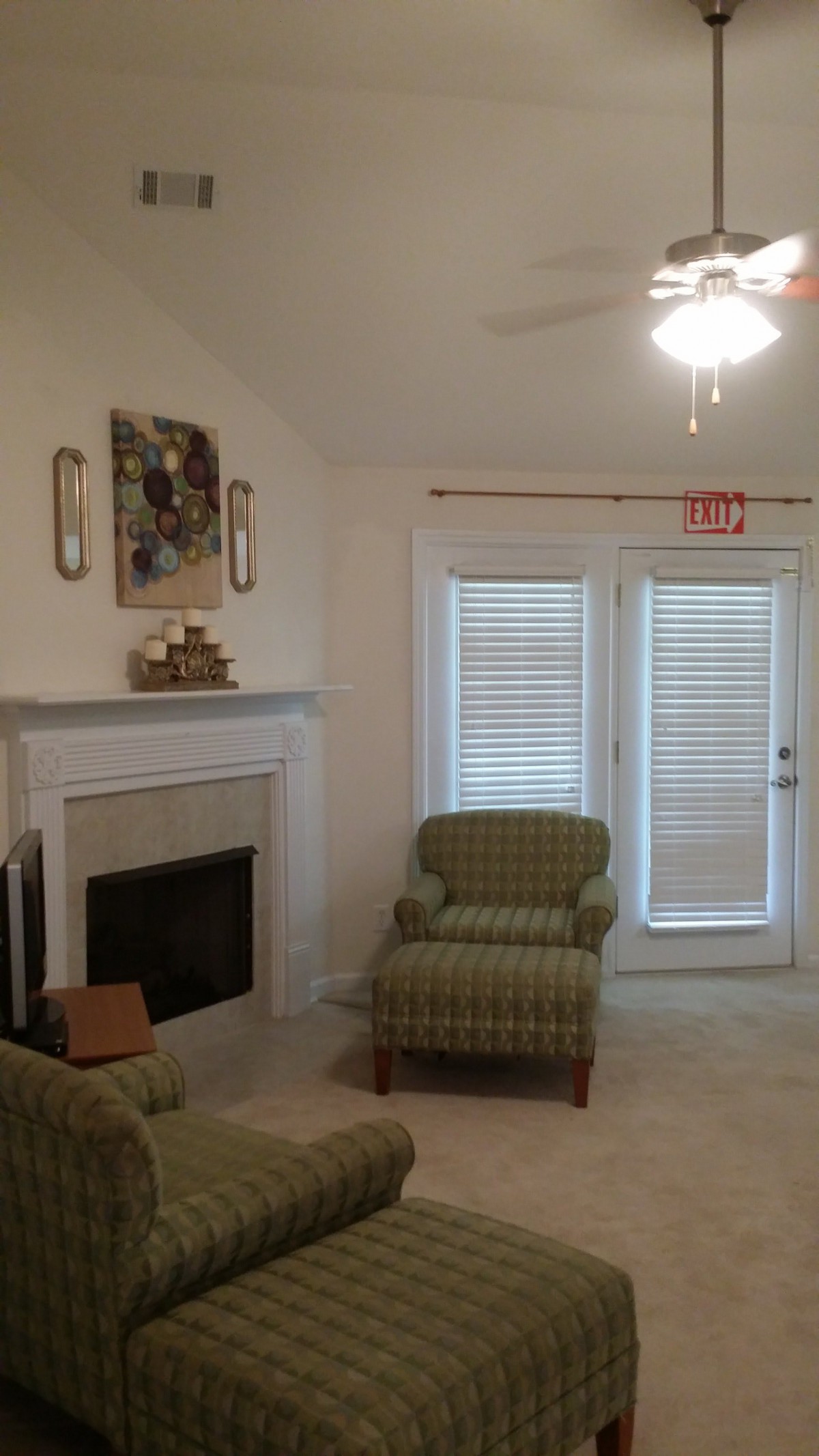
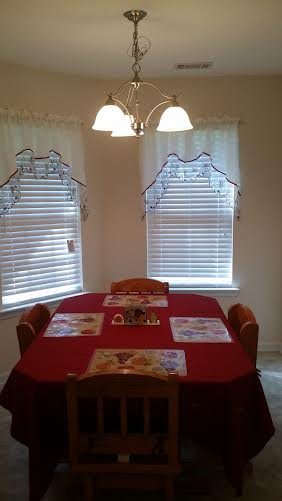
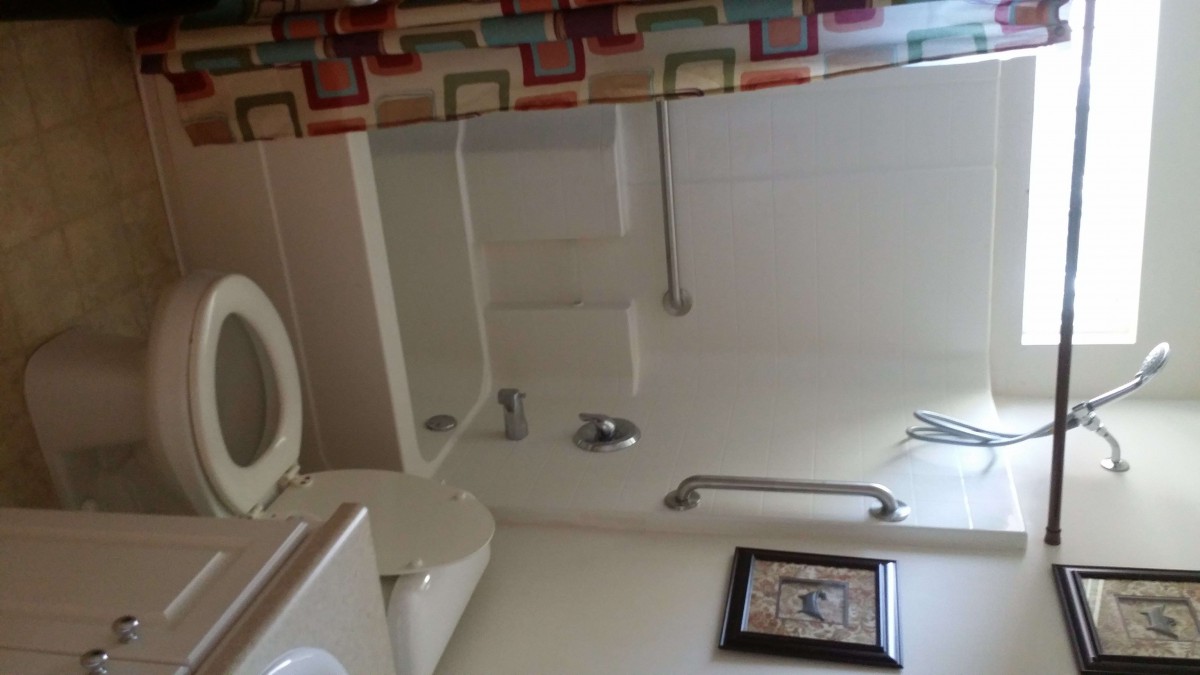
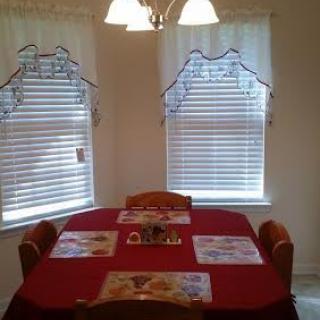
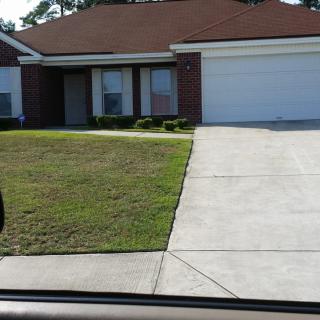
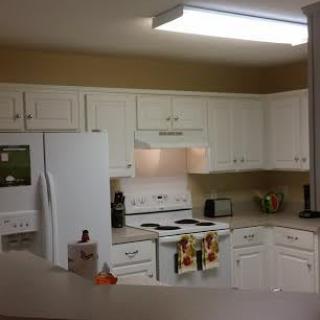
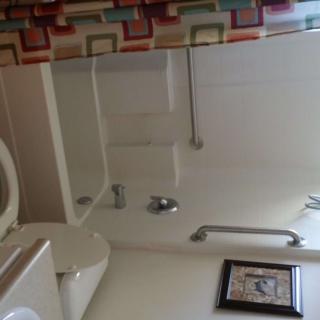
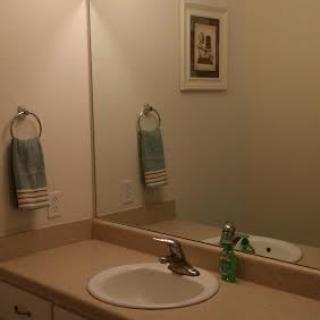
174 Aquinnah Drive, Pooler, GA 31322
For more information about senior living options: (866) 208-4318
Nurturing Alliance Of Life Pch Costs & Pricing
Nurturing Alliance Of Life Pch offers competitive pricing for its residential care services when compared to both Chatham County and the broader state of Georgia. For instance, a semi-private room at Nurturing Alliance is priced at $1,800 per month, significantly lower than the county average of $2,830 and the state average of $2,529. Similarly, private rooms are available for $2,150, again offering savings compared to the county's rate of $3,077 and Georgia's average of $2,864. Even in the case of one-bedroom accommodations, Nurturing Alliance stands out with a monthly fee of $3,150 - well below Chatham County's average of $3,245 and slightly more affordable than the overall state average of $3,412. This pricing strategy not only makes it an appealing option for families seeking quality care but also highlights a commitment to accessible rates within a supportive environment.
| Floor plans | Nurturing Alliance Of Life Pch | Chatham County | Georgia |
|---|---|---|---|
| Semi-Private | $1,800 | $2,830 | $2,529 |
| Private | $2,150 | $3,077 | $2,864 |
| 1 Bedroom | $3,150 | $3,245 | $3,412 |
Memory care communities with a similar price nearby
-
About the same
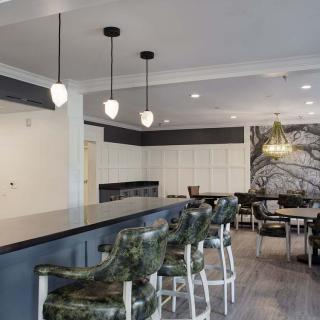
The Social at Savannah
$1,795 to $4,030 / month8.0 miles away -
from +$300 / mo
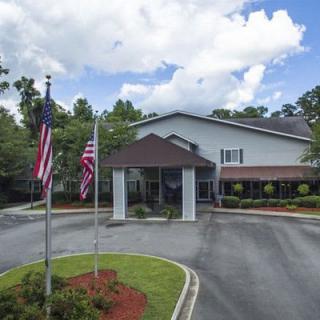
Oaks at Savannah
$2,100 to $3,400 / month12.4 miles away -
from -$200 / mo

V and B Personal Care Home
$1,600 / month8.9 miles away -
About the same
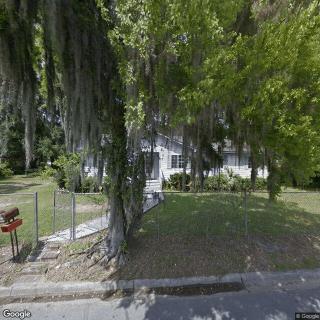
Home Style Living Pch
$1,800 to $2,200 / month8.9 miles away -
from -$300 / mo
JZC Personal Care Home
$1,500 / month9.1 miles away
Overall Review of Nurturing Alliance Of Life Pch
Pros
 They do a great job at Nurturing Alliance.
- Everyone here is very caring.
- They go out of their way to make sure the facility feels like home.
- It is a warm, comfortable environment.
- They take great care of the people who live here.
Review
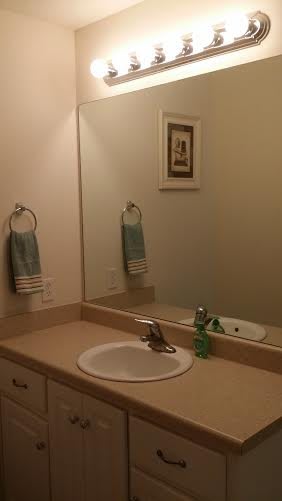
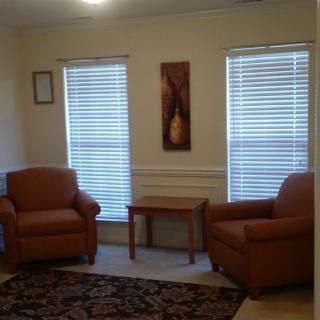
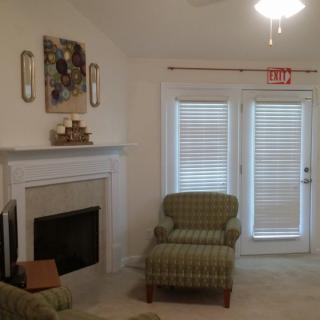
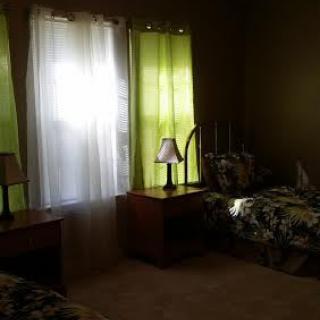
This community in Pooler, GA is best suited for seniors who prize a warm, home-like atmosphere and consistently attentive daily care. Nurturing Alliance Of Life Pch is presented as a small, intimate setting where the environment itself feels inviting and residents are treated with genuine kindness. For families seeking reassurance that their loved one will be treated like a member of a caring household rather than a number on a floor, this option stands out. The emphasis on comfort, familiarity, and personal attention makes it a compelling match for those who fear the clinical coldness often associated with larger facilities. It is particularly appealing to residents who value emotional security and daily warmth as a core element of quality living.
Those who may want to consider alternatives are families navigating higher medical needs or a desire for a broader spectrum of on-site services. If memory care, highly structured rehab programs, extensive therapy offerings, or a bustling campus with a wide schedule of activities are priorities, it pays to compare with other communities that specialize in those areas. Similarly, if important criteria include very predictable pricing, expansive dining options, or a larger social footprint, exploring options with bigger footprints can yield clearer contrasts. In short, this is a strong fit for comfort-focused care, but not the sole choice for every level of need.
The standout pros center on caregiving warmth and the sense that the facility truly feels like home. The staff are described as caring to a degree that goes beyond routine duties, with a readiness to go the extra mile to ensure residents feel secure and valued. The environment supports ease of living through a warm, comfortable ambiance, which in turn enhances daily happiness and reduces stress during transitions. These strengths translate into tangible peace of mind for families, who can trust that their loved one is in a setting where personal dignity and social belonging are prioritized over formality. In practice, that combination often yields better mood, fewer alerts, and more meaningful daily engagement.
The apparent drawbacks are mostly rooted in data limitations rather than explicit failures. With only one review on record, there is insufficient breadth to confirm consistency across shifts, seasons, or evolving resident needs. Critical specifics, such as staffing ratios, exact service levels, detailed activity calendars, dining quality, and clear pricing constructs, remain unclear. This lack of granular transparency makes it harder to benchmark against other options that publish comprehensive metrics. Families should neither assume perfection nor overlook potential gaps; instead, use this as a cue to seek firsthand impressions and precise data during visits.
Despite the data gap, the core positives offset the lack of breadth by signaling a trustworthy, resident-centered culture. The described care ethos, staff who genuinely care about making life feel like home, addresses one of the most common concerns families face: whether a facility will treat mom or dad with the warmth and respect belonging to a familiar household. When those tangible cues align with expectations, the risk of relocation regret lowers substantially. The comfortable setting reinforces social engagement, which is critical for mood, motivation, and overall well-being. In sums, the pros provide a compelling counterweight to the absence of a larger sample size.
Practical next steps for a decision-maker are straightforward. Plan a visit to observe interactions between staff and residents, and ask to see a few sample care plans, meal menus, and an activity schedule to gauge how well the daily rhythm matches needs. Inquire about staffing coverage across shifts, safety features for mobility, and what happens when medical oversight is required. Compare costs with nearby options that offer similar warmth but different service mixes. Seek references from current families and inquire about any long-term experiences beyond the single positive snapshot. For families prioritizing a nurturing, home-like setting, this community represents a strong option worth serious consideration, provided due diligence confirms alignment with specific needs and budget.
 4 resident community capacity
 Assisted Living
 Board and Care Home
 Memory Care
 Activities off-site
 Bath tubs
 Cable or satellite TV
 Devotional services off-site
 Dining room
 Fully furnished
 Garden
 Housekeeping services
 Indoor common areas
 Move-in coordination
 Outdoor common areas
 Private
 Private bathrooms
 Respite or short term stays offered
 Telephone
 Wi-Fi/high-speed internet available
 Savannah International (6 miles away)
 24-hour supervision
 Ambulatory care
 Assistance with bathing
 Assistance with dressing
 Assistance with transfers
 Diabetes diet
 Diabetic care
 Incontinence care
 Meal preparation and service
 Medication management
 Special dietary restrictions
 Transportation arrangement (medical)
 Transportation to doctors appointments

 Exploring the Power of Reminiscence Therapy for Individuals With Dementia
 An In-Depth Look at Reminiscence Therapy in Dementia Care
 Dementia-Related Hallucinations: Causes, Experiences, and Practical Approaches