
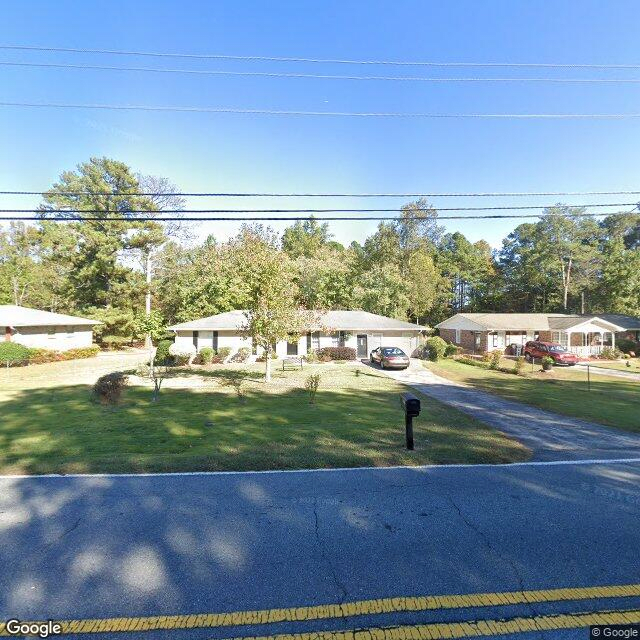
1271 W. Sandtown Rd., Marietta, GA 30064
To contact a resident: (404) 496-4802
For more information about senior living options: (866) 208-4318
The Living Stone Personal Care Home Costs & Pricing
At The Living Stone Personal Care Home, the monthly cost for a private room is set at $2,500. This price is notably more affordable compared to the average rates in Cobb County, which stand at $2,788, and even more so against the statewide average of $2,864 in Georgia. Such competitive pricing highlights The Living Stone's commitment to providing quality care while ensuring that residents have access to cost-effective options. This approach not only supports families in making informed financial decisions but also positions The Living Stone as an attractive choice for those seeking personalized care within a nurturing environment.
| Floor plans | The Living Stone Personal Care Home | Cobb County | Georgia |
|---|---|---|---|
| Private | $2,500 | $2,788 | $2,864 |
Senior living communities with a similar price nearby
-
from -$400 / mo
Premium Personal Care Home
$2,100 to $2,850 / month2.7 miles away -
About the same
Serenity Living Personal Care Home
$2,500 to $4,050 / month11.5 miles away -
About the same
Green Park at Kennesaw
$2,500 to $5,500 / month8.3 miles away -
About the same
Love Touch Personal Care Home
$2,500 / month15.1 miles away -
About the same

Fite Living Center
$2,500 / month19.3 miles away
Overall Review of The Living Stone Personal Care Home
Pros
 The caregivers provide wonderful, close personal attention.
- Grace Living goes above and beyond to care for aging parents.
- Carretta and the Woodstock staff go above and beyond to keep residents comfortable.
- Grace Living is worth considering for the care of an aging parent.
- Grace is the most well-run home with a caring staff.
- Esther and her staff make Grace feel like a home and truly care for residents.
- The home is spotless, always clean, with good meals and residents who are well cared for.
- Esther and the staff have done an outstanding job taking care of residents, ensuring cleanliness and providing updates.
- Grace PC Home is wonderful and a blessing to families.
- Esther and her staff provide loving care to residents, including during challenging times.
- Grace is a safe haven thanks to Esther and David, whose dedication to residents is incredible.
- They provide amazing care and love to residents until their last moments.
- The facility is top-notch, with friendly, kind, and professional staff.
- Residents are well cared for, enjoy the food, and are happy.
Cons
 They would not take her back unless we arranged and paid for 24 hour care from an outside nurse.
- They had opportunities to tell us before the day she was discharged but chose to wait to the last minute leaving us in a very bad place.
- They made no help in trying to place in her another institution.
- My mother was at a Assisted living home that became unbearable in the treatment of her.
Review
The Living Stone Personal Care Home in Marietta, GA is best suited for families seeking a small, intimate, home-like setting where seniors receive highly attentive personal care, especially those with dementia or needs help with daily activities, including non-ambulatory residents. The atmosphere is consistently described as warm and calm, with staff who stay by residents’ side, keep everyone clean, well-fed, and engaged, and demonstrate a genuine commitment to comfort and dignity. It is a strong fit for rehab stays and for end-of-life care, where the emphasis is on peaceful days and personalized attention rather than clinical formality. The consensus from reviewers is that the home feels like family, a place where care feels deeply personal and consistent rather than transactional.
Those weighing alternatives should consider environments with heavier medical oversight or more formal memory-care programming. The community’s discharge approach is a notable constraint: after a hospital stay, return requires arranging and paying for 24-hour external nursing support, a stipulation that can complicate transitions at vulnerable moments. For families needing robust on-site medical management, broader nursing services, or a more structured, activity-rich memory-care program, a larger assisted-living facility or a campus with greater medical staffing may be a more suitable match. The intimate, small-scale model, while deeply comforting, may feel limited for those seeking a busier calendar and broader amenity options.
On balance, the strongest justification for choosing this home rests with the staff and the care environment. Reviews consistently highlight attentive, personal care and a sense that caregivers treat residents like family. The home is described as clean, calm, and free of unpleasant odors, with meals that residents enjoy and routines that preserve dignity and routine. Families gain reassurance from updates when visits aren’t possible, and from witnessing caregivers who remain patient, compassionate, and steady through dementia, end-of-life, and recovery periods. For households prioritizing consistent warmth, respect, and a daily demonstration of care, these factors carry substantial weight.
Day-to-day care stands out as another powerful strength. The staff are depicted as friendly, professional, and deeply dedicated, capable of addressing routine needs and more complex personal care without compromising dignity. The environment supports residents in staying clean, comfortable, and engaged, and reviewers repeatedly express gratitude for the steady, loving presence of a capable team. This combination of relational warmth and reliable care contributes to a sense of safety and stability during fragile periods when families cannot be at the bedside.
However, a couple of caveats warrant attention. The hospital-readmission policy highlights a potential bottleneck during transitions: arranging external 24-hour care can be both costly and logistically burdensome when a transfer is needed. Minor practical gaps may surface around amenities, such as a limited array of conveniences like vending machines, and some families may seek more proactive discharge planning. These considerations matter, but they do not erase the core strengths: a high-touch, humane care model that delivers remarkable daily life and dignity for residents.
Bottom line: this community is a compelling choice for families prioritizing warmth, personalized attention, and a calm, home-like setting. It excels for residents with dementia, non-ambulatory needs, and those seeking a dignified rehab or end-of-life experience where staff know residents well and treat them with genuine kindness. For households requiring intensive on-site medical oversight, a broader memory-care structure, or a more expansive activity calendar, explore alternatives with larger medical teams and more formal programming. The decisive step is a direct visit, accompanied by clear questions about discharge planning, care plans, and the supports available if hospital transitions arise.
 Board and Care Home
 Private
 William B Hartsfield-Atlanta International (23 miles away)
 Diabetic care

 Home Health Care Aides: Understanding Their Role and Supporting Your Family
 Urinary Tract Infections in Older Adults: Comprehensive Insights on Symptoms, Treatment, and Prevention
 California's Form 602A: An In-Depth Examination of Senior Care Assessment