

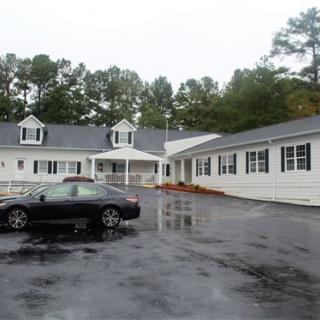
1635 Old 41 Hwy NW, Kennesaw, GA 30066
To contact a resident: (770) 999-1147
For more information about senior living options: (866) 208-4318
Overall Review of Sarah Grace Home Care-Kennesaw, GA
Pros
 The experience was positive for the family and their loved one.
- They were willing to assist the family and their loved one in figuring out the needed care.
- They were able to assist with light meal planning, housekeeping, errands, and more.
- The caregivers were able to handle any concerns that arose very well.
- They were punctual and friendly to the loved one.
- Overall, they are a great care team.
Cons
 Because of one staff member, their loved one was hospitalized.
- There were concerns about staff competence and language, prompting advice to work with an English-speaking, competent caregiver.
Review
Sarah Grace Home Care-Kennesaw is best suited for families that need reliable, non-medical daily living support delivered in a warm, home-like setting. The service excels at practical tasks that ease everyday burdens: light meal planning, housekeeping, errands, and a steady schedule of caregivers who are punctual and affable with the client. This is not a program built for high-intensity medical oversight; rather, it serves as a practical partner that keeps an aging loved one comfortable, engaged, and mechanically supported with routine needs on a predictable cadence. For families prioritizing steady companionship and predictable daily rhythms, this provider offers tangible value.
Those weighing alternatives should consider how critical medical supervision, constant monitoring, or rigorous continuity of care are for their situation. If a loved one requires skilled nursing, 24/7 on-site coverage, or very strict safety protocols, other options with deeper clinical oversight will likely be a better fit. Language consistency matters as well: there is guidance to ensure staff speak English, so if bilingual care or a fully multilingual team is essential, or if miscommunications would be unacceptable, it may be prudent to explore agencies with guaranteed language guarantees and more extensive staff vetting. In short, when the core need is practical daily support with reliable communication, this option shines; when the need leans toward medical-grade supervision, alternatives merit consideration.
The strongest positives center on the practical usefulness and the care team’s responsiveness. A family-friendly approach emerges through a willingness to collaborate on care plans and to adjust as the loved one’s needs evolve. The ability to assist with light meal planning, housekeeping, errands, and day-to-day concerns reduces family stress and helps preserve a sense of autonomy for the client. Caregivers are described as punctual and friendly, which supports a stable routine and a sense of respect and safety. When concerns arise, staff are portrayed as capable of addressing issues effectively, reinforcing the impression of a capable, action-oriented team.
However, the most significant caveat is substantial: a single staff member reportedly contributed to a hospitalization for the loved one. That incident cannot be dismissed as minor, and it underscores the real risk that can accompany caregiving teams that are smaller and highly dependent on individual staff members. This is not a reason to reject the program outright, but it is a compelling reminder to demand rigorous staffing controls: clear caregiver matching criteria, dependable supervision, strict incident reporting, and a robust back-up plan. Families should insist on transparent processes for vetting, ongoing training, and immediate escalation protocols, and should request assignment to caregivers with proven track records and compatible skill sets.
Operationally, prudent families will enter with a disciplined plan: request an English-speaking caregiver match and confirm there is reliable supervisory coverage and a clear escalation path. Ask for a defined care plan with measurable milestones, and inquire about background checks, training standards, and ongoing performance reviews. Seek assurances of continuity of care, such as a backup caregiver option and a predictable schedule, to minimize disruptions if a staff member is ill or unavailable. A short trial period can reveal how well the team harmonizes with the loved one’s routines, preferences, and safety needs, and it sets the stage for a formal, long-term agreement only after comfort is established.
In the end, Sarah Grace Home Care-Kennesaw offers practical, compassionate support that can significantly relieve daily caregiver burdens and keep an active, engaged routine intact. It stands out for families prioritizing reliability, punctuality, and a hands-on approach to everyday tasks. The notable hospitalization incident, driven by one staff member, requires decisive risk management and diligent provider oversight, but it does not erase the core strengths. For households comfortable with a strong daily-living focus and willing to enforce stringent staffing safeguards, this community remains a solid option. For those whose top priorities include unwavering medical oversight, language certainty, or zero-tolerance risk, exploring alternatives with deeper clinical structures is the prudent course.






 6 Crucial Ways an Elder Law Attorney Assists Families
 Navigating the Tax Landscape of Caregiving: Credits, Deductions, and Beyond
 Highly Beneficial Low-Impact Exercises for Senior Living Residents