
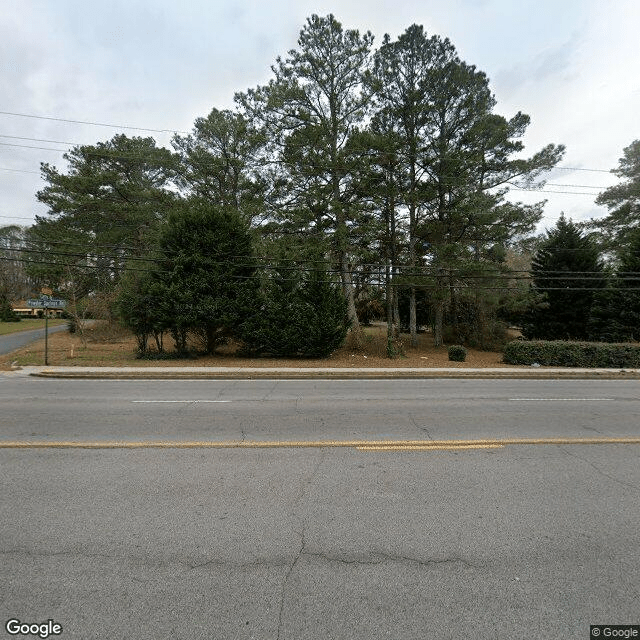
2432 Powder Springs Road, Marietta, GA 30064
To contact a resident: (770) 771-4220
For more information about senior living options: (866) 208-4318
House of Peace and Hope Costs & Pricing
At House of Peace and Hope, the cost for a private room is set at $2,000 per month. This rate stands significantly lower than the average costs in Cobb County, where similar accommodations typically range around $2,788, and even more so compared to the statewide average in Georgia, which is approximately $2,864. Such pricing reflects House of Peace and Hope's commitment to providing affordable housing options while ensuring residents receive quality care and a supportive community environment. This affordability not only makes it an attractive option for potential residents but also positions it as a valuable resource within the local landscape of services available to those in need.
| Floor plans | House of Peace and Hope | Cobb County | Georgia |
|---|---|---|---|
| Private | $2,000 | $2,788 | $2,864 |
Senior living communities with a similar price nearby
-
from +$100 / mo
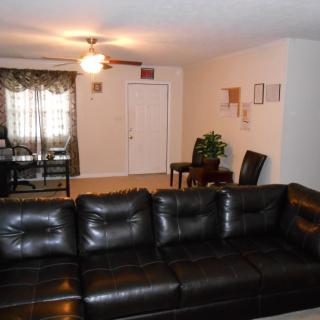
Premium Personal Care Home
$2,100 to $2,850 / month0.9 miles away -
from +$300 / mo
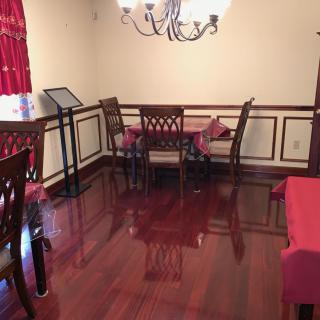
Dalia Precious Memories
$2,300 / month23.7 miles away -
from -$300 / mo
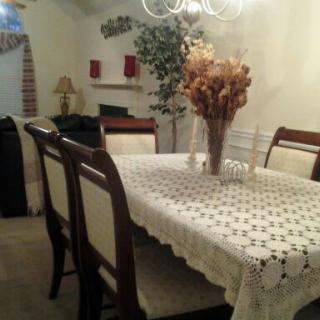
Rose's Premier Personal Care Home
$1,700 / month23.4 miles away -
from -$200 / mo
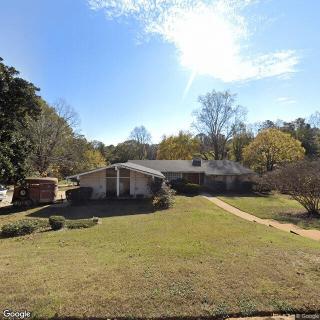
Fern's Tender Loving Care Home
$1,800 / month24.2 miles away -
from +$250 / mo
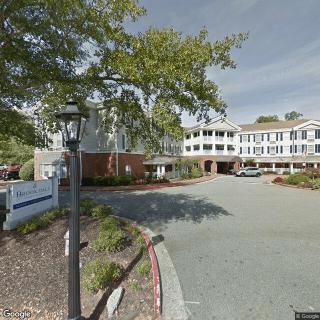
EPOCH Assisted Living of Roswell
$2,250 to $4,400 / month18.0 miles away
Overall Review of House of Peace and Hope
Pros
 Residents are very happy with the House of Peace and Hope.
- The community is quiet and appears very secure.
- The House of Peace and Hope is very nice and caring toward residents.
- The staff are friendly and compassionate, making residents feel like family.
- The facility is very clean, with an excellent food menu and plenty of activities.
- Private rooms are a real plus.
- The house backs up to the woods and offers privacy.
- Having only three residents creates a very good environment for personal care.
Review
House of Peace and Hope in Marietta is best suited for seniors who crave a quiet, highly personalized, family-like living experience and require attentive, hands-on care within a small, secure setting. The environment rewards residents who value predictable routines, close staff oversight, and human connection over bustle and campus-wide amenities. Families seeking ongoing, transparent communication will find staff responsiveness and openness especially reassuring, since questions and concerns tend to be addressed quickly. This is the kind of community where independence sits beside careful supervision, making it a practical choice for someone who wants dignity, familiarity, and a easily navigable daily rhythm.
Those weighing alternatives should note who may not be ideal fits here. The small scale, reported as three residents, limits peer variety and the breadth of group activities, which can matter for seniors who thrive on social stimulation or who prefer a busier pace. Prospective residents who require a broad continuum of care, extensive memory-care programming, or a large, dynamic social scene may be better served by larger communities with more extensive staffing and facilities. In short, this setting is a boutique option that works best for individuals who prioritize intimate care and privacy over campus-wide breadth.
The strongest positives flow directly from its intimate size and devoted staff. The quiet, secure atmosphere reduces stress and supports steady routines that families often equate with safety and predictability. Staff are described as friendly, compassionate, and genuinely attentive, with a clear focus on making residents feel valued, almost like family. That level of responsiveness, quick calls, thoughtful answers, and proactive communication, turns daily care into a cooperative effort between family and caregivers. Cleanliness, a solid food menu, and a calendar of activities further demonstrate that life remains engaging despite a small footprint. The key trade-off is that scale defines the experience: personal attention soaks into every aspect of care, but it naturally limits social options and the density of programming.
Private rooms emerge as a significant, tangible advantage, reinforcing dignity and personal autonomy. The property’s arrangement, backed by woods and reinforced by privacy, creates a calm, restorative setting conducive to restful sleep and individualized routines. For residents who prize solitude or who need less stimulation to stay comfortable, this environment can feel like a curated sanctuary rather than a shared living arrangement. The privacy and quiet also support families seeking discreet, respectful care moments and a living space that aligns with a dignified aging journey.
Daily life at House of Peace and Hope centers on meaningful human interaction and consistent quality of life. The sense that staff treat residents with warmth and respect contributes to a strong feeling of belonging, reducing the emotional friction that can come with transitions into care. Cleanliness, the perception of tasty, reliable meals, and ongoing activities matter because they convert a house into a home, even when peer networks are smaller. Yet this is precisely where the caveat lies: the very strengths that cultivate trust and comfort can also limit opportunities for social variety and program breadth. Families should weigh whether a resident’s social and activity needs align with the offerings at a compact, intimate community.
In making a decision, priorities should drive the evaluation. House of Peace and Hope excels for seniors who value a tightly knit community, highly responsive caregivers, privacy, and a calm, predictable day-to-day life. It is less suitable for those seeking a bustling campus, robust group programming, or advanced medical and memory-care services under one roof. Prospective residents are encouraged to tour, confirm current occupancy and caregiver-to-resident dynamics, and discuss how care plans would adapt if needs evolve. For families prioritizing compassionate, attentive care delivered in a respectful, home-like setting, this Marietta option stands out as a practical, well-aligned choice.
 Board and Care Home
 Private
 William B Hartsfield-Atlanta International (20 miles away)
 Ambulatory care
 Diabetic care
 High acuity care
 Medication management


 Senior Move Management: Understanding the Role, Value, and Associated Costs
 Weight Training for Seniors: Building Strength and Vitality
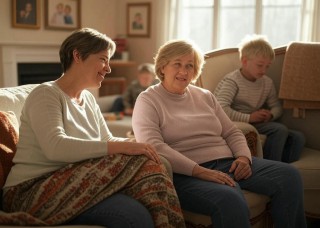 Understanding the Sandwich Generation: Stress and Responsibilities for Multigenerational Caregivers