
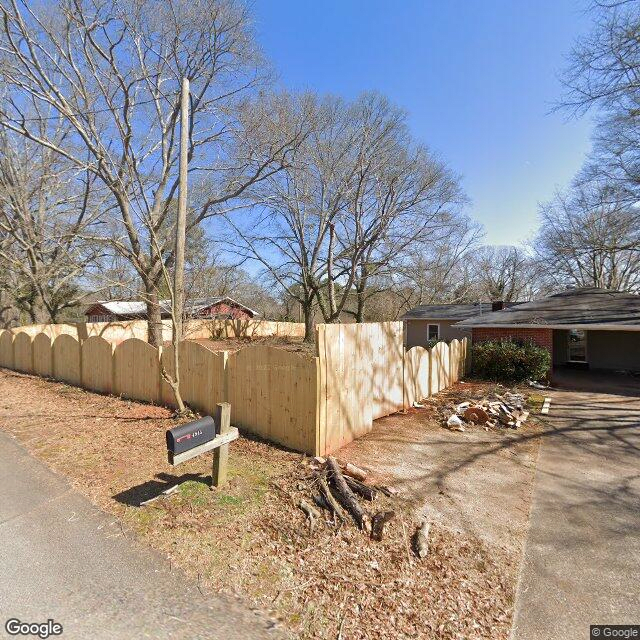
4945 Golden Circle, Mableton, GA 30126
To contact a resident: (678) 215-1099
For more information about senior living options: (866) 208-4318
Caring 4 You Costs & Pricing
Caring 4 You offers competitive monthly rates for its accommodations, particularly when compared to both Cobb County and the broader state of Georgia. With a semi-private room priced at $1,950, Caring 4 You provides a more economical option than the county average of $2,367 and the state average of $2,529. Similarly, their private rooms are available for $2,250 - significantly lower than Cobb County's rate of $2,788 and Georgia's average of $2,864. These pricing structures reflect Caring 4 You's commitment to offering quality care while ensuring affordability for residents and their families.
| Floor plans | Caring 4 You | Cobb County | Georgia |
|---|---|---|---|
| Semi-Private | $1,950 | $2,367 | $2,529 |
| Private | $2,250 | $2,788 | $2,864 |
Senior living communities with a similar price nearby
-
from +$150 / mo
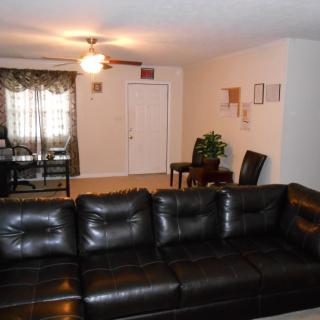
Premium Personal Care Home
$2,100 to $2,850 / month3.7 miles away -
from +$150 / mo
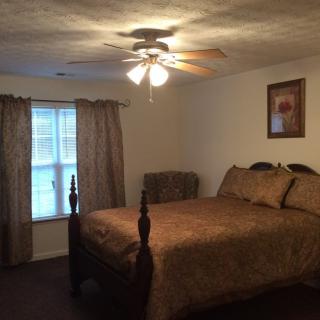
Abiding Care Home
$2,100 / month24.3 miles away -
from +$350 / mo
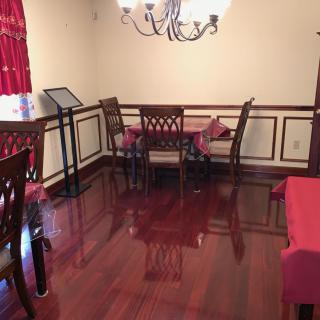
Dalia Precious Memories
$2,300 / month20.7 miles away -
from -$250 / mo

Rose's Premier Personal Care Home
$1,700 / month20.3 miles away -
from -$150 / mo

Fern's Tender Loving Care Home
$1,800 / month22.0 miles away
Overall Review of Caring 4 You
Pros
 The group home is warm and friendly.
- The owner is warm and friendly.
- The home is very clean and peaceful.
- He is enjoying the transition to Caring for You.
- The staff are easy to work with and answer questions.
- They take really good care of him and treat him kindly.
- The community is very clean and offers a comfortable atmosphere.
- The transition is a breath of fresh air.
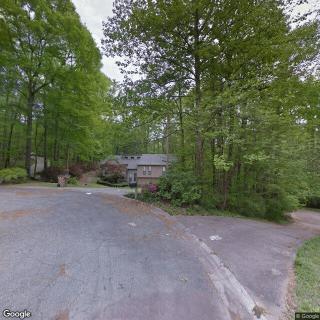
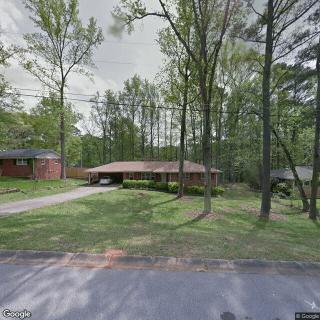
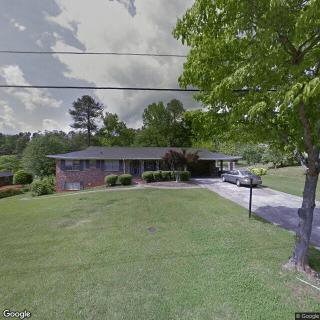
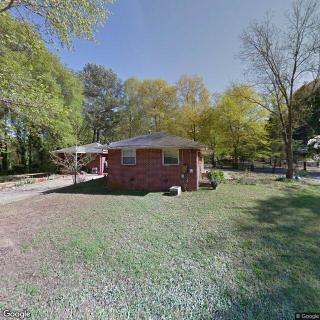
- The ranch home is newly renovated with new furnishings.
- It has a low patient-to-caregiver ratio.
Cons
 The home is located on a busy street and, at the moment, only the owner is working there.
Review
Caring 4 You in Mableton is best suited for seniors who prize a warm, home-like setting with personal attention from an owner-operator, and who can thrive with a small caregiving team and straightforward, day-to-day support. The community presents as a renovated ranch home that feels intimate rather than institutional, offering a clean, peaceful atmosphere and a transport option to doctor visits. This arrangement works well for residents whose needs center on daily assistance, medication management, and reliable but uncomplicated supervision, delivered within a setting where staff familiarity translates into easy communication for families.
Those weighing alternatives should consider larger assisted living campuses or facilities with dedicated memory care programs, licensed nursing oversight, and more robust staffing. If a resident requires around-the-clock clinical supervision, comprehensive memory care, or a broad calendar of structured activities and social engagement, a bigger community may deliver more consistent coverage and programming. The current model leans heavily on the owner, which can create a vulnerability if health or schedule disruption arises, and that reality makes continuity a meaningful risk to factor into the decision.
The most compelling positives center on the human scale of care. Residents benefit from a clearly cared-for environment: a home that is kept clean and orderly, and staff who are described as easy to work with and responsive to questions. The low staff-to-resident ratio is repeatedly cited as an advantage, translating into more individualized attention and smoother daily transitions. Families report that staff treat residents with kindness and take real pride in the care, a dynamic that often yields prompt problem-solving and a sense of reassurance for loved ones.
However, the same strengths highlight potential drawbacks. The facility’s small footprint and single-owner structure mean there is less redundancy in staffing and governance than in larger communities. If the owner is temporarily unavailable or the operation scales up, continuity of care could be challenged. The home’s off-a-busy-street location may also be a factor for families seeking quieter surroundings or easier access for emergencies, and the lack of published details about on-site nursing availability or emergency protocols warrants careful verification before committing. A mixed experience note, one review indicating not enough time has passed to rate everything, underscores the importance of conducting a thorough, firsthand assessment to gauge how care would adapt as needs evolve.
Operationally, Caring 4 You delivers practical, family-friendly services that reduce the burden on caregivers. The presence of transport to medical appointments and medicational management and refills addresses two major logistical hurdles families face. The newly renovated interior and a fenced backyard add to the sense of safety and comfort, particularly for residents who value a familiar home environment. Yet for families considering this option, concrete questions about staffing schedules, the qualifications and availability of caregivers, and the presence of any on-site clinical staff or on-call nurses become essential before making a commitment. The balance between a low-key, personalized approach and the need for scalable, round-the-clock coverage will tip differently depending on the resident’s acuity and healthcare plan.
In the end, Caring 4 You offers a compelling fit for seniors who want a small, personable setting with direct access to attentive care, clear communication, and practical support with daily tasks, transportation, and medications. It is not the best match for those who require robust clinical oversight, expansive programming, or memory-care specialization in a campus setting. Prospective families should pursue a candid, in-person tour, request a sample care plan, and verify licensure, emergency procedures, and staffing resiliency. If those elements align with the resident’s needs and family expectations, Caring 4 You stands as a sincere, well-intentioned option that can deliver real peace of mind in the right circumstances.
 Board and Care Home
 Activities off-site
 Air-conditioning
 Bath tubs
 Cable or satellite TV
 Devotional services off-site
 Handicap accessible
 Indoor common areas
 Outdoor common areas
 Private
 Private bathrooms
 Respite or short term stays offered
 Wheelchair accessible showers
 William B Hartsfield-Atlanta International (17 miles away)
 Ambulatory care
 Diabetic care
 High acuity care
 Incontinence care
 Medication management
 Low / no sodium


 Comprehensive Guide to Qualifying for Home Health Care Services
 Powerful Realities of Elder Abuse and the Most Effective Ways to Report It
 Ten Vital Duties of a Senior Caregiver: A Comprehensive Guide