
4655 New Castle Circle, Lithonia, GA 30038
For more information about senior living options: (866) 208-4318
Overall Review of Ov's Personal Care Home
Pros
 The Edna Mae Personal Care Home is described as a warm, caring, and family-like environment where residents are treated with love, dignity, and respect.
- Families experience peace of mind knowing their loved ones are in capable, compassionate hands.
- Residents are well-nourished with fresh, quality meals and encouraged to participate in daily exercise and social activities.
- The staff are patient, attentive, and dedicated to meeting each resident's needs with compassion.
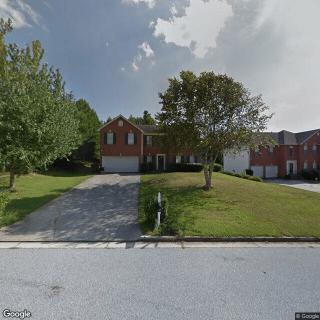
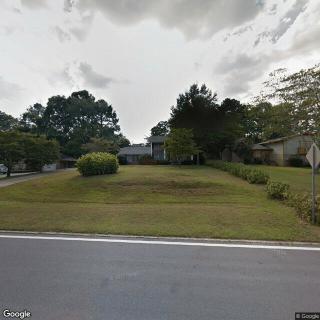
- The facility is clean, well-maintained, and set on pleasant grounds with privacy.
- The environment offers engaging activities, including exercise classes, games, outings, and opportunities for social interaction.
- Families would readily recommend Edna Mae Personal Care Home to others seeking a comfortable and supportive place for their loved ones.
- The transition often leaves residents feeling at home and content, with caregivers helping them settle in quickly.
Review
Ov’s Personal Care Home in Lithonia is best suited for families seeking a small, intimate, home-like setting where residents receive attentive, hands-on care from a closely connected team. This is a place that prioritizes a warm, family-oriented atmosphere, where residents are treated with daily kindness and familiarity rather than cold institutional routines. It works especially well for seniors who want regular personal contact, predictable daily rhythms, and visible signs of progress and engagement. Those who value generous caregiver time, home-cooked meals, and consistent updates to families will find this setting reassuring. It is the kind of environment where the sense of being “seen” by staff translates into a steadier, more dignified daily experience.
That said, this is not the right fit for every situation. Families needing hospital-level medical oversight around the clock or residents requiring extensive, highly specialized clinical therapies should look elsewhere. A larger assisted living community with on-site nursing, dedicated memory-care wings, or more expansive medical programming will serve those with complex medical needs better. Likewise, families seeking a breadth of structured programming or a wide array of on-site amenities may prefer a larger campus. The intimate scale and the intimate staff-resident ratio of this home are a strength in caregiving, but they naturally come with trade-offs in medical breadth and resource depth.
The strongest benefits here are unmistakable and work hard to offset potential drawbacks. Reviews consistently describe a “home away from home” setting where residents are cherished, well-fed, and encouraged to stay active. The staff’s patience, warmth, and genuine investment in each resident’s well-being translate into daily routines that feel personalized rather than perfunctory. Nutritious, home-cooked meals paired with regular exercise and social activities create a rhythm that maintains vitality and mood. The environment itself, clean, well-maintained, with greenery and privacy, further reinforces a sense of safety and belonging. Family members repeatedly highlight easy, open communication and the comfort that comes from frequent updates and visits.
That family-centered strength, however, does not erase the practical realities of small-scale care. The pros most effectively offset any potential limitations by delivering superior interpersonal care, rapid responsiveness, and a tightly managed daily schedule. When a resident needs help with meals, mobility, or social engagement, the intimate setting means staff can respond promptly and with nuance. The lack of a large, clinical footprint is more than balanced by the depth of care, the quality of meals, and the proactive wellness mindset that permeates daily life. In short, the emotional and social gains from this model often outweigh the constraints on breadth of services.
For families weighing choices, this home excels for those who prize a tranquil, loving environment and are comfortable with a smaller operation. It’s a compelling option for seniors with mild dementia or other non-acute conditions who still require supportive, respectful daily care and consistent family contact. If a loved one requires intensive medical management, high-frequency skilled nursing, or dementia care that leverages specialized programming, alternatives with larger medical teams and formalized memory-care pathways should be pursued. The decision rests on balancing the value of sincere, daily human connection against the desire for broader clinical capabilities.
Practical next steps: initiate a focused visit to observe how staff interact with residents, ask about current staffing ratios, and confirm the scope of medical oversight provided on-site. Inquire about how medications are managed, how often residents participate in activities, and what happens when more intensive needs arise. Request to meet the caregiver team and, crucially, speak with families who have loved ones there to understand daily realities beyond the promises of a good report. For families who align with the home’s strengths, warmth, close attention, and a true sense of family, this community represents a prudent, confident choice.
 6 resident community capacity
 Assisted Living
 Board and Care Home
 Cable or satellite TV
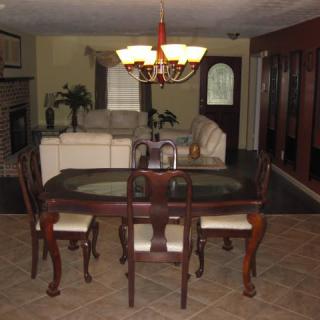
 Dining room
 Fully furnished
 Garden
 Housekeeping services
 Move-in coordination
 Outdoor space
 Telephone
 Wi-Fi/high-speed internet available
 William B Hartsfield-Atlanta International (13 miles away)
 24-hour supervision
 Activities of daily living assistance
 Assistance with bathing
 Assistance with dressing
 Assistance with transfers
 Diabetes diet
 Meal preparation and service
 Medication management
 Special dietary restrictions
 Transportation arrangement (medical)
 Transportation to doctors appointments



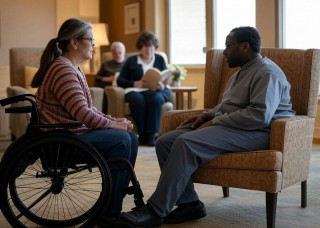 Comprehensive Residential Support and Assisted Living Solutions for Individuals with Disabilities
 Comprehensive Supportive Living Arrangements for Adults with Disabilities
 Funding and Affording Assisted Living: A Thorough Overview