
4858 Wolverton Drive, Lithonia, GA 30038
For more information about senior living options: (866) 208-4318
Overall Review of Delores Villa Personal Care Home
Pros
 The staff provide care that makes families feel their loved ones are in good hands.
- The residents eat well and get plenty of exercise.
- Edna’s Personal Care Home offers a nice, comfortable, and friendly environment for the elderly.
- Families would recommend Edna Mae Personal Care Home for their loved ones.
- The care team delivers excellent care and shows sincere appreciation to residents.
- The environment feels like a home away from home, helping seniors feel happy and at ease.
- Edna Cares treats residents like family with love, support, and care.
- The home is clean, well maintained, and professionally operated with immaculate grounds.
Cons
 It was a difficult decision for the family to determine her care and placement.
- Grandmother was terrified when she was told about placement in a personal care home.
- The most traumatic and stressful time in families’ lives is realizing a parent has reached the age and condition that requires professional care.
Review
Delores Villa Personal Care Home in Lithonia is best suited for families seeking a warm, home-like setting where an aging loved one can thrive on routine, personal attention, and a demonstrable sense of family. This community shines for residents who prefer an intimate, small-scale environment over a large institutional campus, and for families that value ongoing, transparent connection with caregivers. The model advocates hands-on daily care, calm structure, and regular communication, ideas clearly echoed in the positive experiences shared by families who describe updates via social posts and frequent visits as a meaningful window into their loved one’s daily life. In short, it is a strong fit for seniors who prioritize dignity, familiarity, and a nurturing atmosphere over high-tech amenities or rigorous clinical routines.
Those who should consider alternatives are families facing higher medical complexity or requiring more specialized care. If 24/7 skilled nursing, complex wound care, memory-care programming with dedicated dementia staff, or intensive on-site nursing support is non-negotiable, this setting may fall short. Larger campuses with broader therapy offerings, more formal clinical oversight, or a broader slate of scheduled outings and activities could better align with needs that exceed what a small personal care home typically provides. For residents who demand extensive transportation options, on-demand medical services, or highly structured rehabilitation, exploring other options would be prudent.
The principal advantages center on a deeply attentive, family-oriented care culture. The operator-driven approach translates into meticulous daily care, genuine warmth, and a clear emphasis on treating residents with respect and dignity. The environment is described as clean, well-maintained, and thoughtfully arranged to feel like a home rather than an institution. Residents enjoy home-cooked meals that are both appealing and nourishing, and the daily rhythm includes light exercise and pro-social activities that keep body and mind engaged. The sense of community is reinforced by visible affection among staff and residents, and by the openness of family communication, which helps families feel connected and reassured about daily progress and well-being.
Even where medical resources may be more modest than in larger facilities, the strong pros offset potential downsides through several compensating factors. The intimate setting allows for highly individualized attention, with staff who know each resident’s preferences, routines, and challenges. This reduces risk of neglect and helps catch issues early through day-to-day interactions. Regular family updates, along with a home-like schedule of meals and activities, counterbalance any limitations in formal programming. The social fabric, the “family” atmosphere, the shared meals, and the opportunities for participation in exercise and games, creates emotional safety nets that are particularly valuable for seniors who fear loneliness or feel overwhelmed in more impersonal environments.
Before deciding, families should verify a few practical specifics. Inquire about staff-to-resident ratios and the availability of on-call nursing or medical support, especially for residents with chronic conditions or dementia. Clarify how medication management is handled, what kinds of therapy or rehabilitation services are accessible, and how emergencies are staffed after hours. Ask about meal variety, dietary accommodations, and the frequency of meaningful activities or outings, including what re-entry to community engagement looks like post-pandemic. Finally, request recent references and a transparent tour so that the home’s claimed family-centric ethos, evident in the glowing reviews for Edna Mae-style homes, can be directly observed in the Delores Villa setting.
The bottom line is clear: for seniors who bloom in a caring, home-like environment and for families seeking durable reassurance through consistent, compassionate caregiving, Delores Villa represents a compelling option. It delivers high-quality daily living through attentive staff, nourishing meals, light physical activity, and meaningful social engagement within a respectful, family-first culture. If medical intensity, large-scale programming, or complex clinical needs are paramount, it is wise to consider alternatives that offer more robust on-site nursing and broader therapeutic services. For most families prioritizing comfort, connection, and dignity, this type of intimate personal care home remains a standout choice.
 6 resident community capacity
 Assisted Living
 Board and Care Home
 Cable or satellite TV
 Dining room
 Fully furnished
 Garden
 Housekeeping services
 Move-in coordination
 Outdoor space
 Telephone
 Wi-Fi/high-speed internet available
 William B Hartsfield-Atlanta International (14 miles away)
 24-hour supervision
 Activities of daily living assistance
 Assistance with bathing
 Assistance with dressing
 Assistance with transfers
 Diabetes diet
 Meal preparation and service
 Medication management
 Special dietary restrictions
 Transportation arrangement (medical)
 Transportation to doctors appointments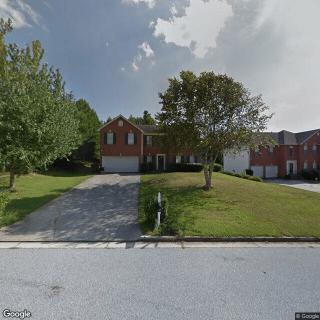





 Funding and Affording Assisted Living: A Thorough Overview
 Assisted Living Expenses and Long-Term Care Insurance: A Comprehensive Exploration
 Securing Financial Support for Assisted Living: A Comprehensive Overview