
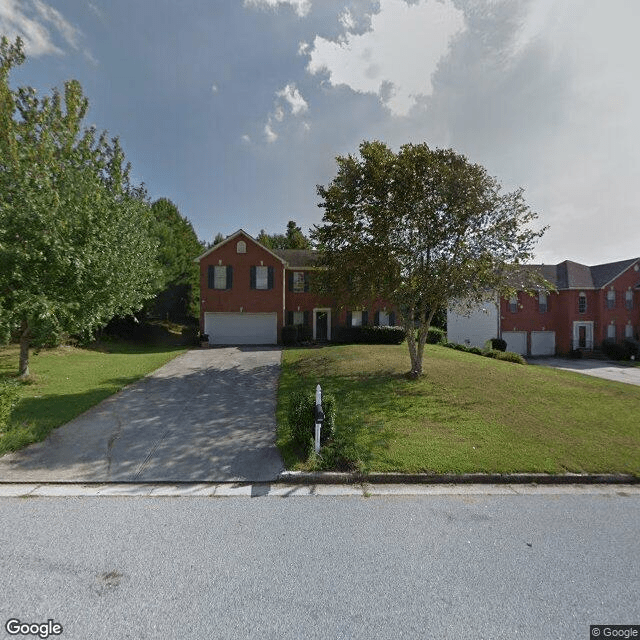
4915 Wolverton Drive, Lithonia, GA 30038
For more information about senior living options: (866) 208-4318
Elderly Heaven Costs & Pricing
Elderly Heaven offers competitive pricing for its accommodations compared to both DeKalb County and the larger context of Georgia. For a semi-private room, residents at Elderly Heaven pay $1,500 per month, which is significantly lower than the county average of $2,188 and the state average of $2,529. In terms of private rooms, Elderly Heaven charges $2,500 monthly - again less than DeKalb County's rate of $2,415 and notably below Georgia's average of $2,864. For those seeking one-bedroom options, Elderly Heaven remains competitive at $3,000 per month while DeKalb County averages $2,789 and the state reaches up to $3,412. These figures suggest that Elderly Heaven provides valuable cost-effective choices for seniors seeking quality care without compromising on comfort.
| Floor plans | Elderly Heaven | DeKalb County | Georgia |
|---|---|---|---|
| Semi-Private | $1,500 | $2,188 | $2,529 |
| Private | $2,500 | $2,415 | $2,864 |
| 1 Bedroom | $3,000 | $2,789 | $3,412 |
Memory care communities with a similar price nearby
-
from -$150 / mo
Le'glen Personal Care Home
$1,350 to $2,150 / month5.8 miles away -
About the same
Harmony Home Care
$1,500 to $2,100 / month20.2 miles away -
from +$275 / mo

Senior Living At Mercy's Point
$1,775 to $1,875 / month22.9 miles away -
About the same

Joy's Manor Pch
$1,500 to $4,000 / month6.9 miles away -
About the same

Amelia Gardens
$1,500 to $2,500 / month24.7 miles away
Overall Review of Elderly Heaven
Pros
 The owner is very caring.
- The caregivers are extremely patient and understanding.
- The home is well kept.
- The care home looked clean when visited.
- They would like to proceed with moving their aunt ASAP.
Cons
 The reviewer could not meet the owner.
- The caregiver who gave the tour did not offer much help.
- There was no follow-through after the tour.
Review
Elderly Heaven in Lithonia, GA is best suited for families seeking a small, home-like personal care home where the owner is directly involved and residents receive consistently patient, attentive caregiving. This community fits families who prize a warm, intimate atmosphere over high-rise amenities and formal programming. It works well for seniors who value stability and a sense of belonging, evidenced by long-tenured residents and a culture that emphasizes calm daily routines. Those who want to be hands-on with care decisions and appreciate direct access to leadership will find this setting particularly reassuring.
The strongest positives center on personal touch and cleanliness. The owner’s caring nature and willingness to answer questions create an immediate sense of trust, a critical factor when evaluating a home for a loved one. Family members report caregivers who are extremely patient and understanding, a dynamic that translates into smoother daily interactions and a gentler approach to routine needs. The home’s upkeep is consistently described as clean and well cared-for, which matters greatly for peace of mind around safety and living conditions. The combination of a personable owner and steady, approachable staff adds up to a reliably gentle caregiving experience that many families are seeking in a smaller setting.
However, potential drawbacks temper these strengths. Tours can feel uneven, with the staff member conducting the visit not offering substantial guidance or insight beyond a quick impression. The absence of follow-through after a tour raises questions about ongoing communication and organizational momentum, especially for families trying to coordinate a move-in timeline. The small scale of the operation, while a benefit for intimacy, can imply limited staffing, fewer activity options, and potential gaps in availability during peak times or after-hours. For families needing intensive medical oversight or rapid access to more specialized services, these realities warrant careful scrutiny.
That said, the pluses often offset the minuses when understood in the right context. The home-like environment and the personal stake shown by the owner translate into consistent, compassionate care that can feel far more reassuring than a larger facility’s routine. Long-tenured resident stories underscore a real continuity of care, reducing the stress of transitions and providing familiarity that supports emotional well-being. The clean, orderly setting reinforces a perception of safety and respect for residents’ spaces. For families willing to actively engage, insisting on a meet-and-greet with the owner, requesting references, and planning a comprehensive tour, the gaps in follow-through become manageable factors rather than deal-breakers.
Alternatives are worth considering for families whose priorities extend beyond the intimate, low-key model. Those needing more formalized incident reporting, a broader activity calendar, or 24/7 nursing oversight may prefer a larger assisted living community with structured programming and more staff on site. If memory care needs, complex medical support, or robust transportation services are critical, a bigger campus could deliver the resources and schedules those requirements demand. Additionally, families seeking a consistently proactive, high-volume onboarding process may find the post-tour follow-up in a smaller home lacking and may opt for a setting with more formal client communication protocols.
The bottom line is clear: Elderly Heaven is a strong fit for families seeking an affectionate, small-scale environment in Lithonia where a caring owner and patient caregivers create a genuine sense of home. It is less ideal for those who require immediate, detailed, and ongoing administrative engagement during the tour process or for residents needing extensive medical programming and a full slate of activities. Prospective movers should prioritize meeting the owner directly, request time with current residents or families for candid feedback, and verify staffing patterns and care plans before committing. A well-timed, thorough visit, confronting both the advantages and the few operational gaps, will determine whether this setting aligns with the loved one’s needs and the family’s expectations.
 4 resident community capacity
 Assisted Living
 Board and Care Home
 Memory Care
 Cable or satellite TV
 Dining room
 Fully furnished
 Garden
 Housekeeping services
 Move-in coordination
 Outdoor space
 Private
 Telephone
 Wi-Fi/high-speed internet available
 William B Hartsfield-Atlanta International (14 miles away)
 24-hour supervision
 Activities of daily living assistance
 Ambulatory care
 Assistance with bathing
 Assistance with dressing
 Assistance with transfers
 Diabetes diet
 Diabetic care
 High acuity care
 Incontinence care
 Meal preparation and service
 Medication management
 Special dietary restrictions
 Transportation arrangement (medical)
 Transportation to doctors appointments
 Vibrant Senior Living: A Comprehensive Guide for Active Older Adults
 Assisted Living and Memory Care: Understanding Their Core Differences
 Choosing the Right Senior Care: A Detailed Exploration of Assisted Living and Nursing Homes