
5976 Pattillo Lane, Lithonia, GA 30058
For more information about senior living options: (866) 208-4318
Overall Review of Kingsway Personal Care Home
Pros
 Families feel relieved knowing their loved one is in good hands at Edna Mae Personal Care Home.
- Residents eat well and get plenty of exercise.
- The staff treat residents like family with love, support, and care.
- The home is described as a home away from home, offering a warm, welcoming environment.
- The owners and caregivers demonstrate patience, genuine passion, and meticulous attention to residents' needs.
- The facility is clean, well maintained, and professionally operated, with immaculate grounds.
- Residents enjoy fresh, quality meals and are encouraged to participate in daily activities and outings.
- The overall atmosphere is one of warmth, compassion, and respect for every resident.
Review
Kingsway Personal Care Home in Lithonia is best suited for families seeking a small, home-like setting where residents are treated as family. The feedback from families paints a picture of an intimate environment built on warmth, familiarity, and highly personalized attention. Residents thrive on predictable daily routines, home-style meals, and gentle, regular activity, all delivered in a calm space that feels more like a private home than a clinical facility. This model suits elders who value easy, ongoing contact with loved ones, clear daily rhythms, and a sense of belonging. It also works well for those with mild memory concerns, where steady caregiving, meaningful social engagement, and a dignified transition can ease anxiety around aging.
Alternatives should be considered for residents who require 24/7 skilled nursing, hospital-level medical oversight, or intensive memory-care programming with security features. The reviews describe a caregiver-driven setting that prioritizes daily living and social connection over high-acuity clinical services. When complex medical needs, such as frequent wound care, IV therapies, or other intensive interventions, are present, a larger, more clinically oriented community is likely to provide the infrastructure and continuity of care those needs demand.
From the strongest attributes, the case for this type of home is compelling. The staff are repeatedly described as patient, compassionate, and genuinely invested, with the owner highlighted as meticulous and deeply committed to safe, clean, and well-run operation. Residents are treated with dignity and warmth, meals are nourishing, and daily exercise plus social activities help preserve mood and mobility. The physical setting, well-maintained grounds and clean interiors, contributes to a sense of safety and peace. Notably, the home reports capacity to admit new residents, signaling flexibility for families navigating tight timelines.
Family communications emerge as a critical upside. Updates via social posts or regular visits keep families connected to daily life and progress, reducing uncertainty about a loved one’s well-being. The small scale enables tailored attention, caregivers can notice subtle changes, adjust routines, and respond quickly to concerns. The overarching tone is one of celebration of residents as individuals, with opportunities to participate in activities and outings that enrich daily life. Even references to pre-pandemic outings underscore a long-standing commitment to a socially engaging life within a comfortable, supportive framework.
Nevertheless, the scope of services in a personal care home has clear boundaries. Prospective families should verify what medical supports exist on-site and how quickly access to higher-level care can be arranged if needs evolve. For memory-related progression, inquire about staff training in dementia care, secure spaces, and protocols for behavioral changes. Clarify the availability of on-site therapies, coordination with external providers, and the plan for transitions to hospital or rehab when required. These checks prevent a mismatch between expectations and what the home can deliver as conditions change.
In practical terms, the decision hinges on what matters most. If the priority is a loving, intimate setting with regular family touchpoints and a vibrant, community-led daily life, this model delivers exceptional value: dignity, connection, good meals, and engaging activities that sustain quality of life. If medical complexity or specialized memory programming takes precedence, it is prudent to explore alternatives with more robust clinical supports. Conduct a thorough tour, meet caregivers and leadership, and review a typical week, meal options, activity schedules, and how family involvement is managed. When the fit aligns, the emotional payoff is substantial: reduced family stress and a resident who remains engaged, respected, and well cared for.
 3 resident community capacity
 Assisted Living
 Board and Care Home
 Cable or satellite TV
 Dining room
 Fully furnished
 Garden
 Housekeeping services
 Move-in coordination
 Outdoor space
 Telephone
 Wi-Fi/high-speed internet available
 William B Hartsfield-Atlanta International (18 miles away)
 24-hour supervision
 Activities of daily living assistance
 Assistance with bathing
 Assistance with dressing
 Assistance with transfers
 Diabetes diet
 Meal preparation and service
 Medication management
 Special dietary restrictions
 Transportation arrangement (medical)
 Transportation to doctors appointments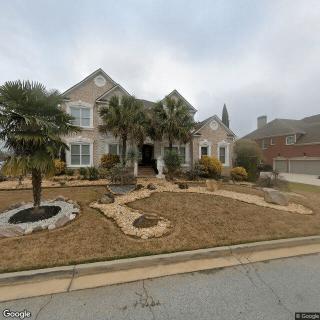




 Is Assisted Living Deductible on Your Taxes? Understanding the Complexities of Assisted Living Expenses and Deductions
 Assisted Living Support for Veterans: A Complete and Detailed Overview
 Exploring the Contrasts Between Assisted Living and Skilled Nursing