
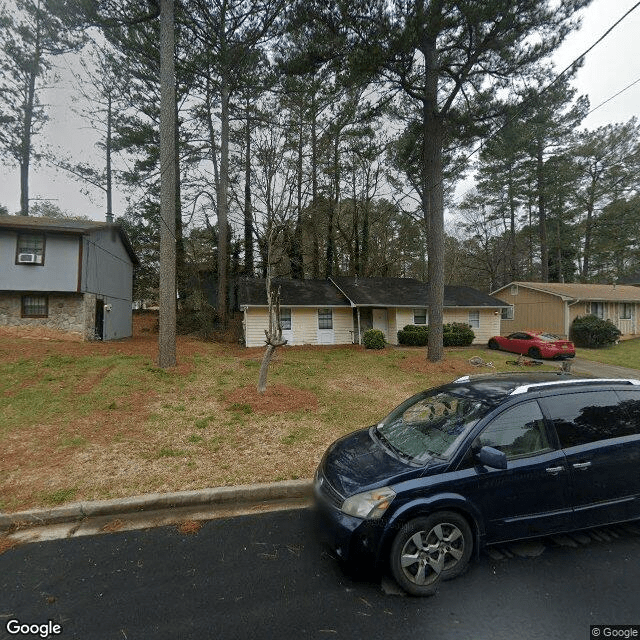
2186 Jonathan Avenue, Lithonia, GA 30058
For more information about senior living options: (866) 208-4318
Cornerstone Care Of Georgia II Costs & Pricing
Cornerstone Care of Georgia II offers competitive pricing for its private rooms, charging $1,500 per month. This cost is significantly lower than both the average rates in Rockdale County, which stand at $2,363, and the broader state average of $2,864. By providing a more affordable option, Cornerstone Care positions itself as an attractive choice for individuals seeking quality care without the financial strain often associated with similar facilities. This pricing strategy not only reflects their commitment to accessible healthcare but also highlights their understanding of local market dynamics.
| Floor plans | Cornerstone Care Of Georgia II | Rockdale County | Georgia |
|---|---|---|---|
| Private | $1,500 | $2,363 | $2,864 |
Assisted Living communities with a similar price nearby
-
About the same
Lend A Hand Personal Care Home
$1,500 to $2,000 / month16.4 miles away -
About the same
Candler Ridge II
$1,500 to $2,000 / month19.3 miles away -
from +$275 / mo

Senior Living At Mercy's Point
$1,775 to $1,875 / month18.2 miles away -
About the same
Joy's Manor Pch
$1,500 to $4,000 / month6.9 miles away -
About the same

Wesley Woods Towers
$1,504 to $2,973 / month12.4 miles away
Overall Review of Cornerstone Care Of Georgia II
Pros
 The reviewer notes that Cornerstone Academy is highly recommended and that many family members have wonderful childhood memories of the school.
- Ms. Kim and the staff are described as very lovely and kindhearted.
- The school is praised as excellent, with the granddaughter reportedly blessed to attend.
- The staff is described as great, and Ms. Kim is noted to be very understanding.
- The school is said to instill Christian values into the children.
- The granddaughter had a wonderful experience with teachers Ms. Tina and Ms. Shae.
Cons
 The reviewer warned others not to take their child to this facility.
- They found the child on the playground with an ice pack on her foot and no one supervising.
- The assistant teacher reportedly claimed the injury wasn’t serious and tested the child by asking her to jump for chips.
- The ER visit revealed multiple broken toes, and doctors later said additional toe injuries were missed on the initial x-ray.
- The director was described as dismissive and gaslighting, implying the injury wasn’t an emergency.
- The reviewer pulled the child out and advised others to avoid it, saying to run the other way.
- Another reviewer said they heard a staff member curse, indicating a hostile environment.
Review
Cornerstone Care Of Georgia II in Lithonia is best suited for seniors who want a warmth-forward, relationship-driven environment where caregivers feel like trusted extended family and where faith-based values inform daily life. This community works best for residents who don’t mind intimate, home-like settings and who value personal attention over clinical precision or high-end amenities. For families seeking rigorous medical oversight, transparent, stackable incident reporting, and airtight safety protocols, alternatives with stronger formal governance and more visible incident documentation are worth considering. The mood here is not so much clinical assertiveness as steady, familiar care that leans on staff consistency and a compassionate culture.
The strongest positives in these stories center on caregiver warmth and continuity. Multiple accounts describe staff as lovely, kindhearted, and genuinely invested in residents, with references to steady relationships that feel more like a close-knit family than a faceless facility. The sense that caregivers remember names, preferences, and routines can be a powerful asset for seniors who prize predictable, person-centered care and who respond well to a familiar cadence of daily life. When families describe staff as understanding and accommodating, that relational foundation can translate into meaningful improvements in mood, engagement, and overall quality of life. A faith-informed environment also emerges as a meaningful draw for families who want spiritual grounding and values reflected in daily activities and conversations.
Yet the positives are tempered by clear concerns about safety and accountability. A highly troubling incident raised by a family member alleges a serious injury occurred at the program, with questions about how the incident was handled and reported. The critique goes beyond the initial event to challenge the timeliness and depth of communication, the thoroughness of incident documentation, and the willingness of leadership to review camera footage and provide answers. Allegations of dismissiveness and gaslighting, should they hold any truth, undermine trust and create legitimate hesitation about whether caregivers and leadership are aligned on safety and transparency. When safety is the paramount concern, these kinds of gaps are not minor nuisances; they shape risk assessment and long-term decisions.
The core question becomes whether the warmth and consistency of caregiving can offset the implications of unclear safety practices. In a setting like assisted living, where daily activities, medication management, and escalation of concerns demand quick, clear, and accountable processes, the absence of proactive incident reporting can erode confidence quickly. The overall impression is that staff stability and relational care are real strengths, but they must be matched by a governance approach that communicates openly, documents incidents promptly, and follows through with corrective action. Without that alignment, the favorable tone of everyday life may not be enough to offset doubts about safety and governance.
For families weighing this option against alternatives, the decision hinges on a trade-off between intimate, person-centered care and the expectation of rigorous, transparent safety practices. If the priority is a nurturing environment with dependable staff who know residents well and who integrate values into daily routines, Cornerstone can deliver a high quality of life for many residents. However, if the senior or family requires a clear, evidence-based approach to safety, incident management, and leadership accountability, it is prudent to explore other options that publish incident logs, offer more formal escalation protocols, and demonstrate consistent, proactive communication with families.
Practical next steps elevate confidence in any evaluation. Schedule a live tour focusing not just on common areas, but on how staff respond to a neighbor’s need, how med passes are administered, and how everyday safety is managed in hallways and activity spaces. Request to review any incident logs and determine how quickly concerns are documented and communicated to families. Ask about caregiver-to-resident ratios during peak hours and the stability of the caregiving team over the past year. Talk with current residents or family members about their experience with reporting concerns and the leadership’s responsiveness. Verify licensing status, required inspections, and any outside accreditation that speaks to safety culture. Above all, observe whether leadership appears engaged, transparent, and ready to explain how safety is prioritized alongside compassionate, relationship-driven care.
In summary, Cornerstone Care Of Georgia II presents a compelling case for seniors who value a warm, faith-infused living environment with stable, attentive caregivers. The opportunity to develop authentic relationships and participate in daily life with a predictable rhythm is real and meaningful. However, for families where safety oversight, incident transparency, and prompt communication are non-negotiable, this community requires careful due diligence and clear assurances from leadership. The decisive factor is whether a client can trust the governance framework as much as the caregiving culture; when that trust is proven, this community can be a strong home. When it isn’t, alternatives with stronger safety governance will consistently outperform.
 3 resident community capacity
 Assisted Living
 Board and Care Home
 Cable or satellite TV
 Devotional services off-site
 Dining room
 Fully furnished
 Garden
 Housekeeping services
 Move-in coordination
 Outdoor space
 Private
 Telephone
 Wi-Fi/high-speed internet available
 William B Hartsfield-Atlanta International (18 miles away)
 24-hour supervision
 Activities of daily living assistance
 Ambulatory care
 Assistance with bathing
 Assistance with dressing
 Assistance with transfers
 Diabetes diet
 Diabetic care
 Incontinence care
 Meal preparation and service
 Medication management
 Special dietary restrictions
 Transportation arrangement (medical)
 Transportation to doctors appointments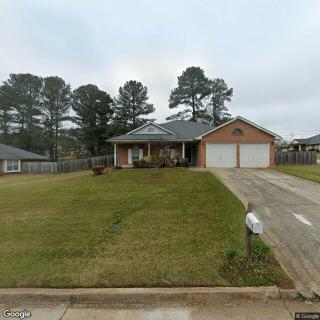
 Social Security Benefits and Assisted Living: Navigating Options Across the U.S.
 An Extensive Exploration of the VA Aid and Attendance Benefit
 Senior Transition Services: Understanding Their Role, Cost, and Importance