
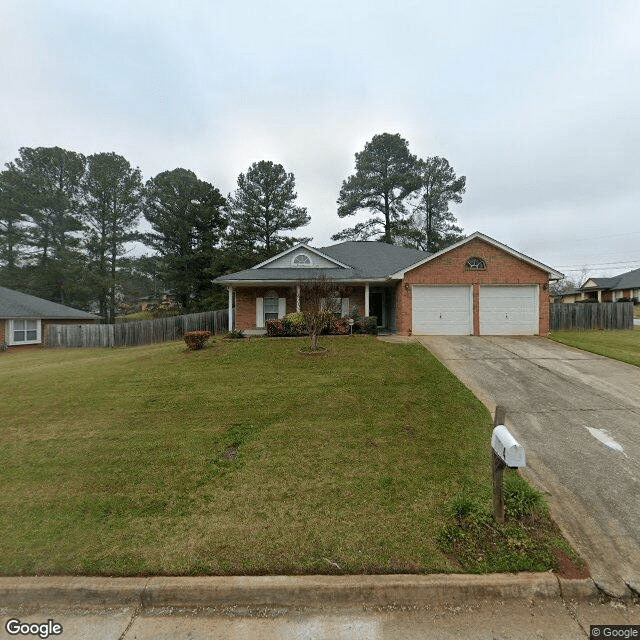
6074 Great Oaks Drive, Lithonia, GA 30058
For more information about senior living options: (866) 208-4318
Care One Pch Costs & Pricing
Care One Pch offers competitive pricing for its services compared to average costs in Rockdale County and the broader state of Georgia. For a semi-private room, residents can expect to pay $1,200 monthly, significantly lower than the county's average of $1,926 and the state's average of $2,529. Those seeking a private room will find Care One Pch's rate of $1,600 to be quite favorable when juxtaposed with Rockdale County's average of $2,363 and Georgia's typical cost of $2,864. Additionally, the one-bedroom option at Care One Pch is priced at $2,000 per month, which again remains below both local and state averages of $2,735 and $3,412 respectively. These rates reflect Care One Pch's commitment to providing quality care while ensuring affordability for its residents.
| Floor plans | Care One Pch | Rockdale County | Georgia |
|---|---|---|---|
| Semi-Private | $1,200 | $1,926 | $2,529 |
| Private | $1,600 | $2,363 | $2,864 |
| 1 Bedroom | $2,000 | $2,735 | $3,412 |
Memory care communities with a similar price nearby
-
from +$150 / mo
Le'glen Personal Care Home
$1,350 to $2,150 / month10.1 miles away -
About the same
Tender Hands Home Care
$1,200 to $1,450 / month10.7 miles away -
About the same
Praise Personal Care
$1,200 to $1,400 / month4.5 miles away -
About the same
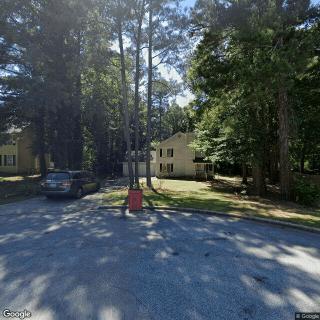
Thereatha Hill Personal Care Home
$1,200 / month17.1 miles away -
from +$150 / mo
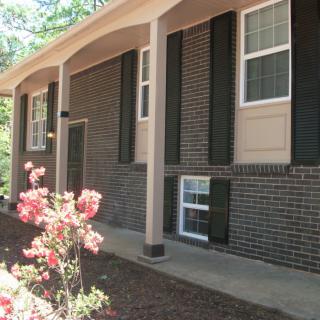
Young @ Heart Place
$1,350 to $1,650 / month4.1 miles away
Overall Review of Care One Pch
Pros
 The dad is pleased with the care he is receiving.
- He appears to be quite content in the home-like environment.
- The staff are willing to address issues immediately and are very accommodating of concerns.
Review
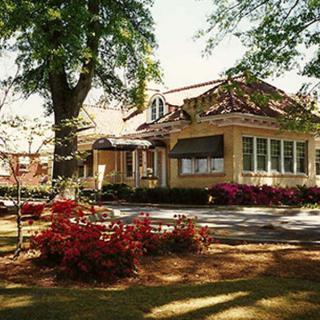
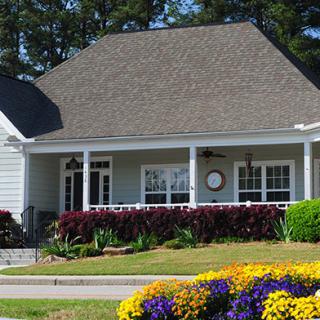
This community is best suited for families seeking a warm, home-like assisted living option in Lithonia for a loved one who values steady, attentive care and a calm everyday rhythm. The most recent feedback centers on a father who appears content in a residence-like environment, with care that feels dependable and staff who address issues promptly. That combination matters: it signals a relationship-based model where concerns are not sidelined and daily life stays comfortable rather than clinical. For families prioritizing a nurturing setting with quick responsiveness, Care One Pch offers a practical, grounded choice rather than a fortress of institutional cues.
Not every situation will line up with what this community does best. Those whose loved ones require higher levels of medical oversight, frequent skilled nursing, or memory-care programming may want alternatives with a broader continuum of care. A larger campus with more extensive rehab services, richer activity calendars, or diversified dining and social options could better suit residents who crave constant programming or more specialized support. Budget constraints, transportation needs, or a preference for a different neighborhood could also tilt the decision away from this particular setting. In short, the attributes that make this place appealing may not fully satisfy cases with heavier clinical needs.
The strongest pros, the home-like vibe, evident caregiver attentiveness, and a culture of promptly addressing concerns, directly counter the core anxieties families often have about assisted living. A residence-style atmosphere tends to reduce the clinical distance many fear, helping residents feel settled and less anxious. When staff are quick to respond and open to hearing worries, families gain confidence that safety and preferences will be respected day to day. These elements create a practical, low-stress environment where aging in place feels feasible rather than disruptive, especially for seniors who value familiarity and personal connections over a more institutional feel.
Still, the lack of explicit downsides in a single review invites cautious interpretation. The main potential gaps, if they exist, center on specifics that aren’t detailed in the available feedback: exact staffing levels, nursing availability, medication management, and how the facility handles shift changes. Questions about meal quality, cleanliness, safety features, and the breadth of daily activities also deserve direct verification. A 4-star impression from one account may mask minor, manageable issues or simply reflect a satisfied resident’s perspective. Prospective residents should probe these areas to confirm that the positive tone translates into consistently reliable daily living, not just moments of good care.
To navigate a well-informed evaluation, focus on practical, on-site verification. During tours, press for concrete numbers: typical staff-to-resident ratios on days, evenings, and weekends; how individualized care plans are updated and communicated; and whether nurses are readily available for routine questions or emergencies. Observe the dining environment and quality, the accessibility of common spaces, and the presence of meaningful activities that align with the resident’s interests and routines. Ask for a peek at safety features, hand rails, lighting, clear pathways, and request recent resident satisfaction feedback and references. Clarify all costs, including what’s included and what might incur extras, to avoid surprises after move-in.
Care One Pch presents a practical, reassuring option for families prioritizing a genuine home atmosphere combined with responsive, approachable staff. It suits seniors who value comfort, consistent communication, and a calmer daily structure over a crowded, corporatized setting. For those whose priorities hinge on advanced medical services, memory-care specialization, or a broader ecosystem of care, alternatives should be pursued with due diligence. An in-person visit equipped with a clear checklist, focusing on staffing reliability, safety, daily routines, and resident engagement, will reveal whether this particular community can sustain the level of peace of mind sought by families. When alignment is found, the blend of warmth, accessibility, and dependable responsiveness can make Care One Pch the right step forward.
 3 resident community capacity
 Assisted Living
 Board and Care Home
 Memory Care
 Activities off-site
 Bath tubs
 Cable or satellite TV
 Dining room
 Fully furnished
 Garden
 Housekeeping services
 Indoor common areas
 Move-in coordination
 Outdoor common areas
 Private
 Respite or short term stays offered
 Swimming pool / hot tub
 Telephone
 Wi-Fi/high-speed internet available
 William B Hartsfield-Atlanta International (18 miles away)
 24-hour supervision
 Ambulatory care
 Assistance with bathing
 Assistance with dressing
 Assistance with transfers
 Diabetes diet
 Diabetic care
 High acuity care
 Incontinence care
 Meal preparation and service
 Medication management
 Special dietary restrictions
 Transportation arrangement (medical)
 Transportation to doctors appointments
 Choosing the Right Senior Care: A Detailed Exploration of Assisted Living and Nursing Homes
 Safeguarding Your Memory Through the Golden Years: Eight Ways to Preserve Cognitive Health
 Comprehensive Insights into Activities of Daily Living (ADLs) and Their Assessment