
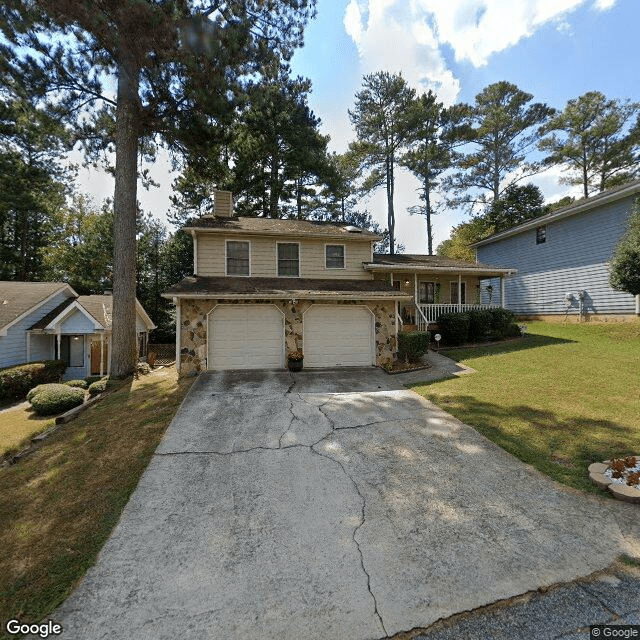
6301 Phillips Creek Drive, Lithonia, GA 30058
To contact a resident: (678) 768-5678
For more information about senior living options: (866) 208-4318
Bliss Personal Care Home Costs & Pricing
Bliss Personal Care Home offers competitive pricing for its services, with costs reflecting the level of care and comfort provided. For a semi-private room, residents can expect to pay $2,600 per month, which is notably higher than the Rockdale County average of $1,926 but remains slightly above the state average of $2,529. Those opting for a private room will see a monthly rate of $3,000; again, this is above both Rockdale County's average of $2,363 and Georgia's state average of $2,864. While Bliss may sit at a premium compared to local and statewide rates, the difference in cost could be indicative of enhanced amenities or personalized care that sets it apart in the realm of personal care homes.
| Floor plans | Bliss Personal Care Home | Rockdale County | Georgia |
|---|---|---|---|
| Semi-Private | $2,600 | $1,926 | $2,529 |
| Private | $3,000 | $2,363 | $2,864 |
Senior living communities with a similar price nearby
-
from -$100 / mo
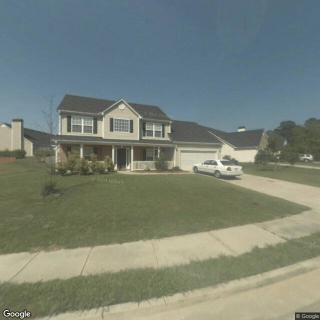
Eden Home Care
$2,500 / month13.7 miles away -
from -$500 / mo
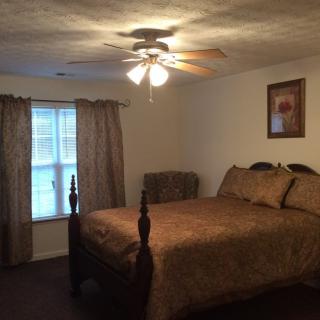
Abiding Care Home
$2,100 / month7.7 miles away -
from -$300 / mo
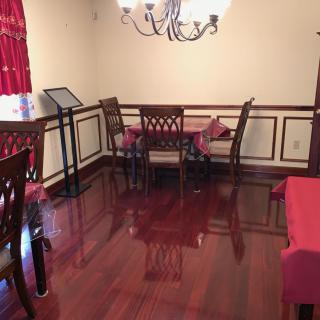
Dalia Precious Memories
$2,300 / month22.1 miles away -
from -$100 / mo
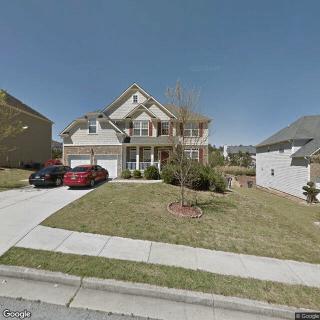
Loving Angels Home Care
$2,500 / month18.9 miles away -
from -$100 / mo

A & C Personal Care Home
$2,500 to $4,000 / month3.6 miles away
Overall Review of Bliss Personal Care Home
Pros
 Mavis and her team are hands down amazing and kind.
- They provide in-home services quickly for families.
- Mavis is professional, kind, and graceful.
- They would definitely be used again if in-home care is needed.
- They come highly recommended to everyone.
Review
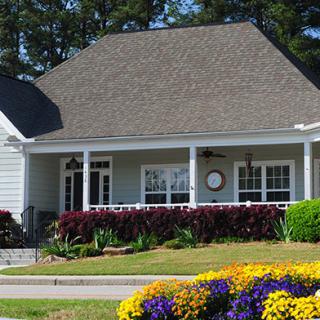
Bliss Personal Care Home in Lithonia, Georgia is best suited for families that want an intimate, home-like care arrangement with exceptionally personalized attention and the ability to mobilize services quickly. This is a small-team, in-home care model that emphasizes warmth, accessibility, and continuity, making it a strong fit for seniors who prefer staying in a familiar, non-institutional setting. When the priority is peace of mind through rapid start-up and highly personal support, Bliss delivers a level of devotion and responsiveness that larger facilities often struggle to match. For families facing urgent transitions or seeking a trusted, hands-on caregiver presence, Bliss stands out as the practical, dependable choice.
Those evaluating Bliss should also consider who may want to explore alternatives. If the senior requires robust on-site nursing and a full spectrum of medical oversight, a larger assisted living campus with round-the-clock credentialed nursing staff may offer more assurance. For residents who need extensive structured programming, frequent rehabilitation services, or specialized memory-care therapies within a formal community, the footprint of a home-based setup can feel limiting. In short, Bliss excels at personalized, flexible care but may fall short for families prioritizing a broad activity calendar, intensive clinical services, or a more regimented, facility-wide schedule.
The strongest pro of Bliss lies in the character and reliability of the caregiving team, anchored by Mavis. The reviews repeatedly portray Mavis and her staff as amazing, professional, kind, and graceful, traits that translate into steady, attentive care and a sense that the caregiver is part of the family. The capacity to deploy services quickly is a concrete advantage when transitions are abrupt or the care plan needs to shift with little notice. That personal rapport, almost a sense of belonging rather than mere service, creates emotional security for both the resident and those coordinating care, reducing stress during delicate moments and helping preserve dignity.
Still, nuanced trade-offs exist. A small, home-based model can mean fewer formal activities and fewer opportunities for peer interaction compared to a larger community. There may be less on-site medical infrastructure and limited access to specialized therapies that require a campus setting. These potential gaps are offset by the proven strengths: a highly attentive, quickly mobilized team that treats residents as family and adapts with remarkable flexibility. For families prioritizing warmth, trust, and personalized oversight, the offset is meaningful; for those seeking constant social programming or comprehensive clinical resources under one roof, alternatives may offer a more robust package.
Practical evaluation steps will help determine fit. Prospective families should confirm the caregiver-to-client ratio and the availability of backup coverage, since continuity is a key strength at Bliss. Clarify how care plans are created and updated, and how communication with family members is maintained, whether through regular updates, caregiver handoffs, or access to a central point of contact. Inquire about emergency procedures, medication management, and the scope of respite care. Details on costs, billing cycles, and any extra fees should be transparent, along with what services are included (personal care, meal support, mobility assistance) versus what would require external arrangements. A clear picture of these elements makes it possible to align Bliss’s personalized, hands-on approach with the senior’s medical needs and the family’s expectations.
Ultimately, Bliss Personal Care Home earns strong advocacy for families valuing a deeply personal, adaptable care relationship delivered with speed and heart. The standout dynamic is Mavis’s leadership and the sense that caregivers become trusted extensions of the family, delivering comfort, warmth, and dignity in ways that larger campuses can struggle to emulate. For seniors who prize a seamless, human-centered transition into in-home care, Bliss represents a practical, confident choice. For those with higher demands for medical intensity, structured programming, or expansive social and therapeutic offerings, it remains prudent to explore alternatives that can deliver a broader clinical footprint while preserving the core priority: compassionate, reliable care that honors the person first.
 Board and Care Home
 William B Hartsfield-Atlanta International (18 miles away)

 Fecal Incontinence in Older Adults: A Comprehensive Guide
 Recognizing the Journey: Understanding and Navigating Anticipatory Grief
 Encouraging Participation in Adult Day Care: A Guide to Supporting a Hesitant Parent