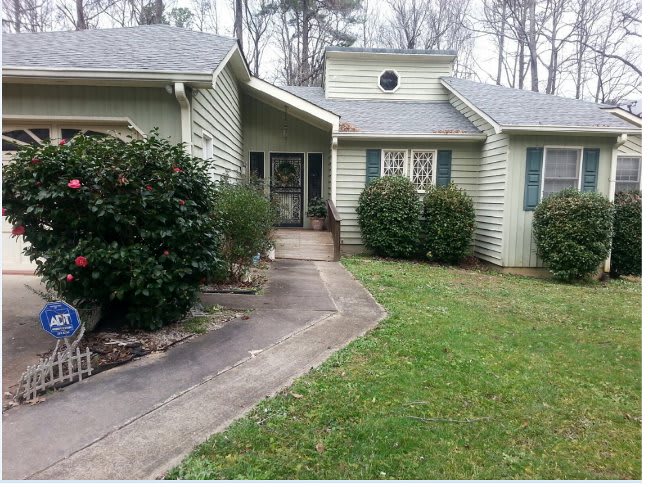



1948 Kelvin Drive, Lawrenceville, GA 30043
For more information about senior living options: (866) 208-4318
Mac Care Costs & Pricing
Mac Care offers competitive pricing for its services compared to both Gwinnett County and the broader state of Georgia. For private accommodations, Mac Care's monthly cost is set at $2,500, which is slightly lower than Gwinnett County's $2,551 and significantly more affordable than the state average of $2,864. Similarly, for semi-private rooms, Mac Care maintains the same rate of $2,500, providing a marginal advantage over Gwinnett County's $2,530 while being comparable to the state's average of $2,529. When it comes to one-bedroom units, Mac Care's price of $3,000 stands out as a more economical choice when juxtaposed with Gwinnett County's higher rate of $3,647 and Georgia's statewide average of $3,412. Overall, Mac Care presents an appealing option for individuals seeking quality care at accessible rates within the region.
| Floor plans | Mac Care | Gwinnett County | Georgia |
|---|---|---|---|
| Private | $2,500 | $2,551 | $2,864 |
| Semi-Private | $2,500 | $2,530 | $2,529 |
| 1 Bedroom | $3,000 | $3,647 | $3,412 |
Memory care communities with a similar price nearby
-
from +$350 / mo

Miss Willie's Manor
$2,850 to $3,250 / month11.5 miles away -
About the same

A & C Personal Care Home
$2,500 to $4,000 / month18.1 miles away -
About the same

Golden Manor Senior Living
$2,500 to $4,445 / month2.2 miles away -
from -$200 / mo

Comfort Care Personal Care Home
$2,300 / month14.8 miles away -
from +$200 / mo
Lia's Personal Care Home #2
$2,700 to $4,500 / month2.2 miles away
Overall Review of Mac Care
Pros
 MAC Care treats residents like family.
- The home is very clean and never smells like other locations.
- The staff controls medications, diet, and lymphedema with care.
- Her weight loss was amazing and her swelling was minimal to none.
- The caregivers are nice and attentive.
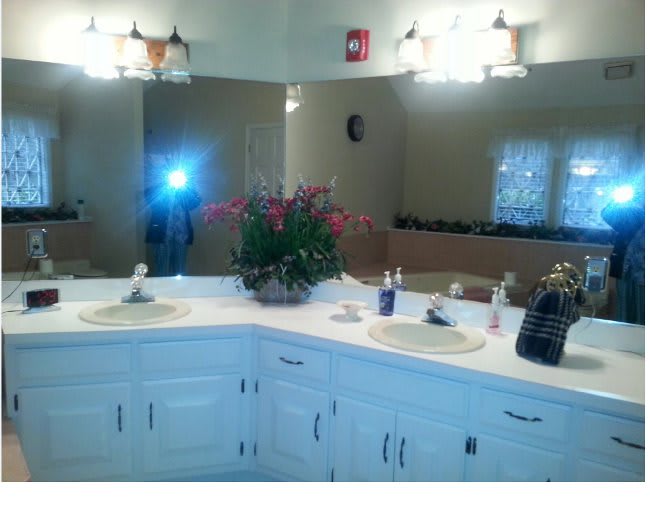
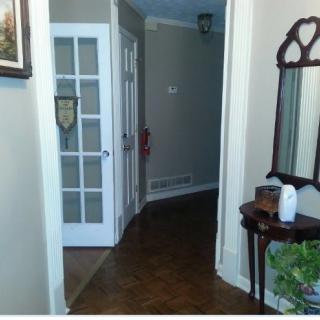
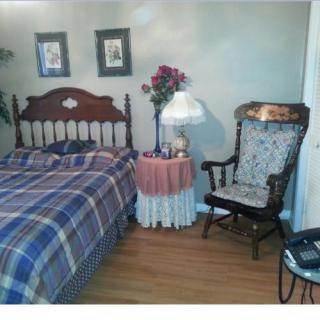
- The home atmosphere is positive, welcoming, and well-kept.
- The community is small, family-oriented, and personal.
- The owners and staff truly care about the patients.
Cons
 They do not offer an enclosed backyard, so some residents are not able to enjoy the outside.
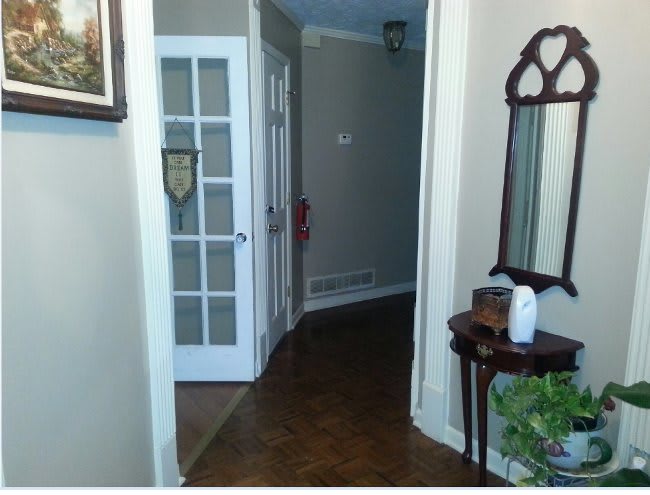
- The home is a bit dark.
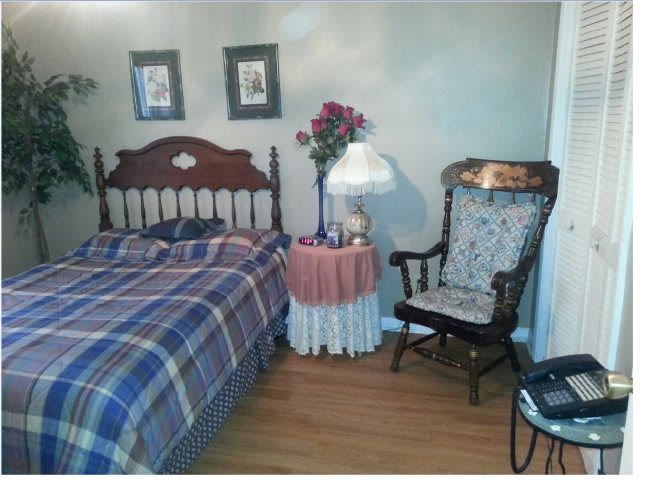
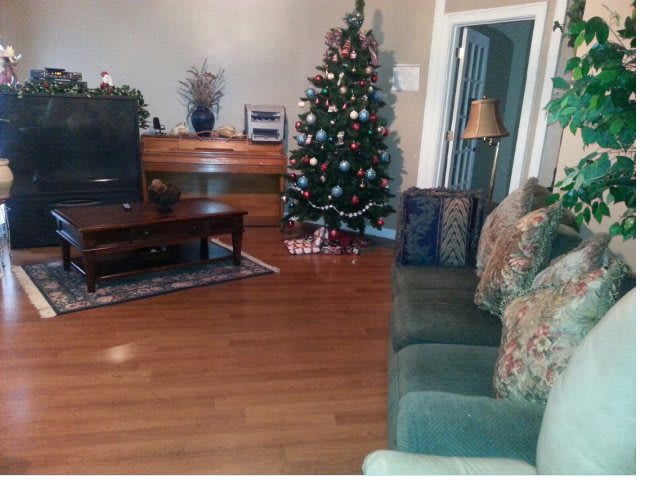
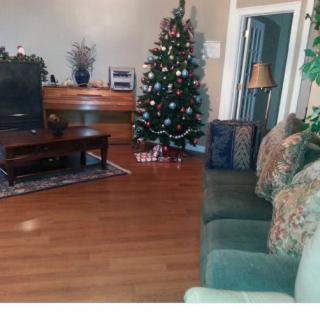
- There was a lot of big furniture in the house that was not convenient.
Review
This community is best suited for families seeking a truly intimate, home-like setting in Lawrenceville for an elderly loved one who benefits from constant, hands-on attention. MAC Care excels when a resident requires steady medication management, careful diet control, and specialized supports such as lymphedema care, delivered in a four-bed, family-owned environment. The setting remains quiet, exceptionally clean, and consistently warm, with staff who treat residents as part of a close-knit circle. For seniors who prefer a homier feel over a clinical campus, this is a natural fit that prioritizes personal relationships, predictable routines, and a reassuring sense of belonging.
Those with higher acuity or a desire for a broader social calendar should consider alternatives. The small, four-resident model naturally constrains programming and outdoor options, with no enclosed backyard and limited breadth of activities. For families facing significant cognitive or medical needs, or those seeking the resources and amenities of a larger campus, a memory-care or larger assisted-living facility will likely be a better match. In short, Mac Care prioritizes intimate, patient-centered care and comfort over expansive campus amenities or a bustling activity schedule.
The core pros offset several typical drawbacks through a compelling, performance-focused care approach. The home’s cleanliness, warmth, and the staff’s consistent attentiveness create a dependable safety net for daily medicines, meals, and hygiene. Communication with caregivers is described as straightforward and responsive, and the care team is praised for a hands-on, compassionate caregiver-patient relationship that often translates into calmer days for residents who may become agitated or confused. In this light, the small scale becomes a strategic advantage: caregivers know each resident’s routines and preferences intimately, which supports health outcomes such as steady weight and controlled swelling.
That said, the most tangible cons stem from size. The limited resident count constrains social options, resulting in fewer opportunities for group activities or varied enrichment. Some reviewers note the space can feel a touch crowded due to large furniture, and one observation points to a darker ambiance rather than bright, expansive common areas. Outdoor enjoyment is limited by the absence of an enclosed yard, which can matter for residents who relish fresh-air breaks or outdoor light. While meals are generally well-received and flexible, there is a sense that culinary variety could be broader to suit evolving tastes over time.
For a family weighing options, Mac Care represents a compelling choice when the priority is unwavering personal attention, steady supervision, and a home-like rhythm that makes a loved one feel genuinely cared for. The owners and staff are repeatedly described as sincere and deeply invested, with several families noting willingness to work on pricing to fit budgets. The trade-off is clear: a limited social program and outdoor space, plus a small-scale setting that may not meet those seeking a robust activity calendar or advanced clinical depth. If budget flexibility and close-knit oversight matter more than campus breadth, this community stands out.
In the end, the decision hinges on what matters most to the resident and family. MAC Care delivers elite, personalized caregiving in a calm, intimate home where residents are known well and cared for with consistency. It is a strong recommendation for seniors who want to remain in a familiar, family-like environment and for families seeking assurance that daily routines, nutrition, medications, and comfort are managed with exceptional attentiveness. Prospective movers should schedule a visit to observe daily interactions, meet the owners, and sample meals, while directly addressing how the team would handle specific medical or end-of-life preferences. For those prioritizing intimate care in a warm, supervised setting, MAC Care earns serious consideration; for those who require broader programming, more extensive outdoor space, or advanced medical capabilities, exploring larger, more robust options is advisable.
 4 resident community capacity
 Assisted Living
 Board and Care Home
 Memory Care
 Activities off-site
 Air-conditioning
 Bath tubs
 Beautician on-site
 Cable or satellite TV
 Devotional services off-site
 Dining room
 Fully furnished
 Garden
 Housekeeping services
 Indoor common areas
 Move-in coordination
 Outdoor common areas
 Private
 Private bathrooms
 Respite or short term stays offered
 Swimming pool / hot tub
 Telephone
 Wheelchair accessible showers
 Wi-Fi/high-speed internet available
 24-hour supervision
 Assistance with bathing
 Assistance with dressing
 Assistance with transfers
 Diabetes diet
 Diabetic care
 High acuity care
 Incontinence care
 Meal preparation and service
 Medication management
 Special dietary restrictions
 Transportation arrangement (medical)
 Transportation to doctors appointments
 BBQs or picnics
 Birthday parties
 Day trips and outings






 Engaging Memory Care Activities That Enhance Quality of Life
 When to Transition from Assisted Living to Memory Care: Key Indicators, Steps, and Finding the Right Community
 Understanding the Distinctions: Assisted Living and Memory Care Explained