
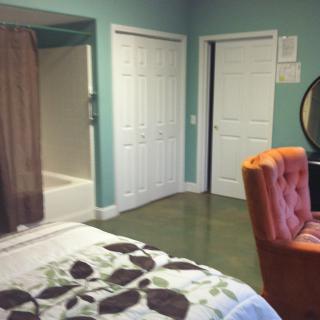
203 Hewell Road, Jonesboro, GA 30238
For more information about senior living options: (866) 208-4318
L & L Personal Care Homes Of Georgia Costs & Pricing
L & L Personal Care Homes of Georgia offers private room accommodations at a competitive rate of $2,500 per month. This price positions them slightly above the average cost in Fayette County, which stands at $2,493, yet below the broader state average for Georgia, where the typical cost reaches $2,864. By providing quality care in a comfortable setting while maintaining affordability relative to the state average, L & L Personal Care Homes effectively caters to those seeking personal care options that balance both value and quality service.
| Floor plans | L & L Personal Care Homes Of Georgia | Fayette County | Georgia |
|---|---|---|---|
| Private | $2,500 | $2,493 | $2,864 |
Memory care communities with a similar price nearby
-
from -$400 / mo
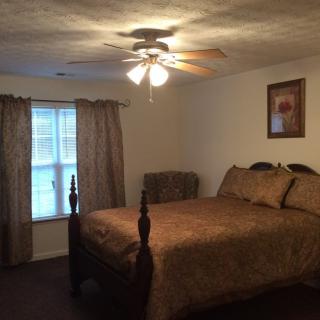
Abiding Care Home
$2,100 / month15.7 miles away -
from +$300 / mo
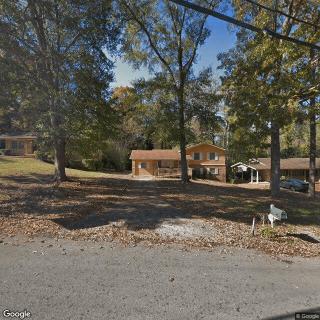
Wellness Community
$2,800 to $4,275 / month14.7 miles away -
from -$330 / mo

Arbor Terrace at Cascade
$2,170 to $6,975 / month18.1 miles away -
from -$300 / mo

Wesley Woods of Newnan - Peachtree City
$2,200 to $3,710 / month15.8 miles away -
from -$115 / mo

Arden Courts Manorcare Health
$2,385 to $2,780 / month22.6 miles away
Overall Review of L & L Personal Care Homes Of Georgia
Pros
 Monique and her staff are described as loving and patient caregivers who treat residents like family.
- The home is consistently described as safe, clean, and free of odor, with a welcoming environment.
- Families report that their loved ones receive excellent, dignified, and compassionate care.
- Monique is praised for her availability, answering questions with patience, and calming family nerves.
- The staff are said to go above and beyond to ensure residents are well cared for and engaged.
- Care for residents with dementia or memory loss is characterized as professional, calm, and tailored to their needs.
- The facility is highly recommended for memory care and respite care.
Cons
 A reviewer described the facility as smelling like doo-doo and claimed Monica Gibson was very unprofessional and ghetto.
Review
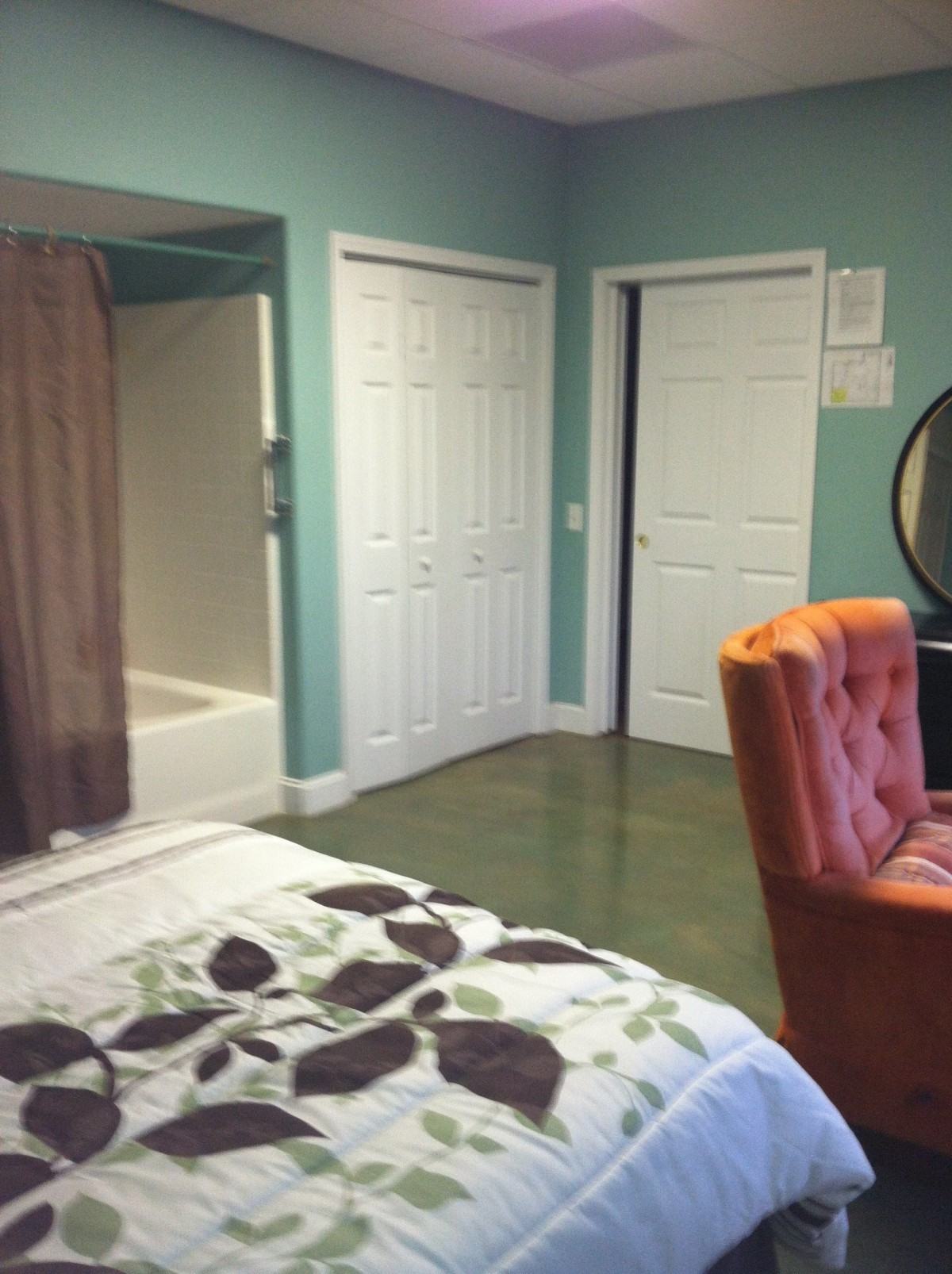
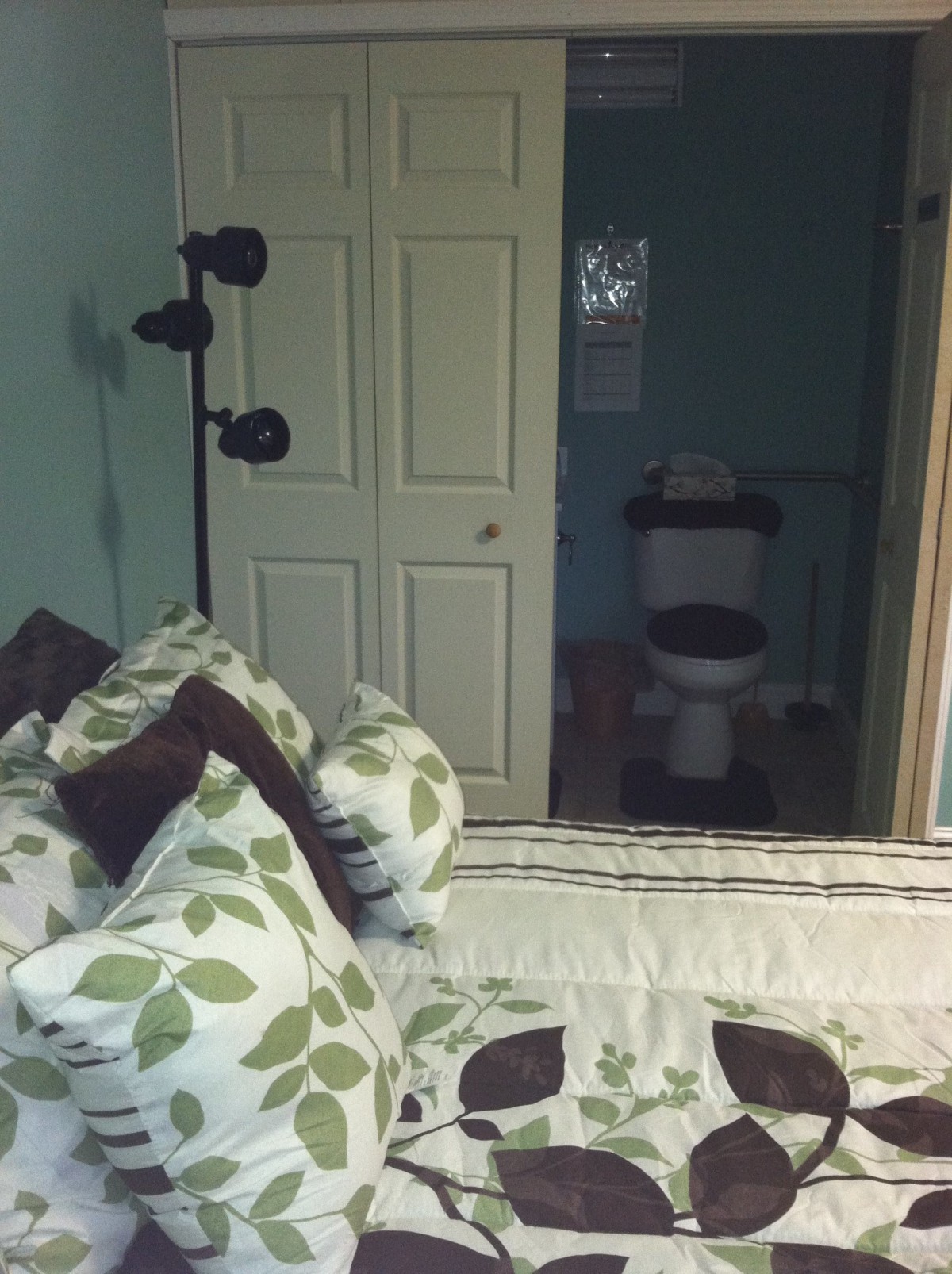
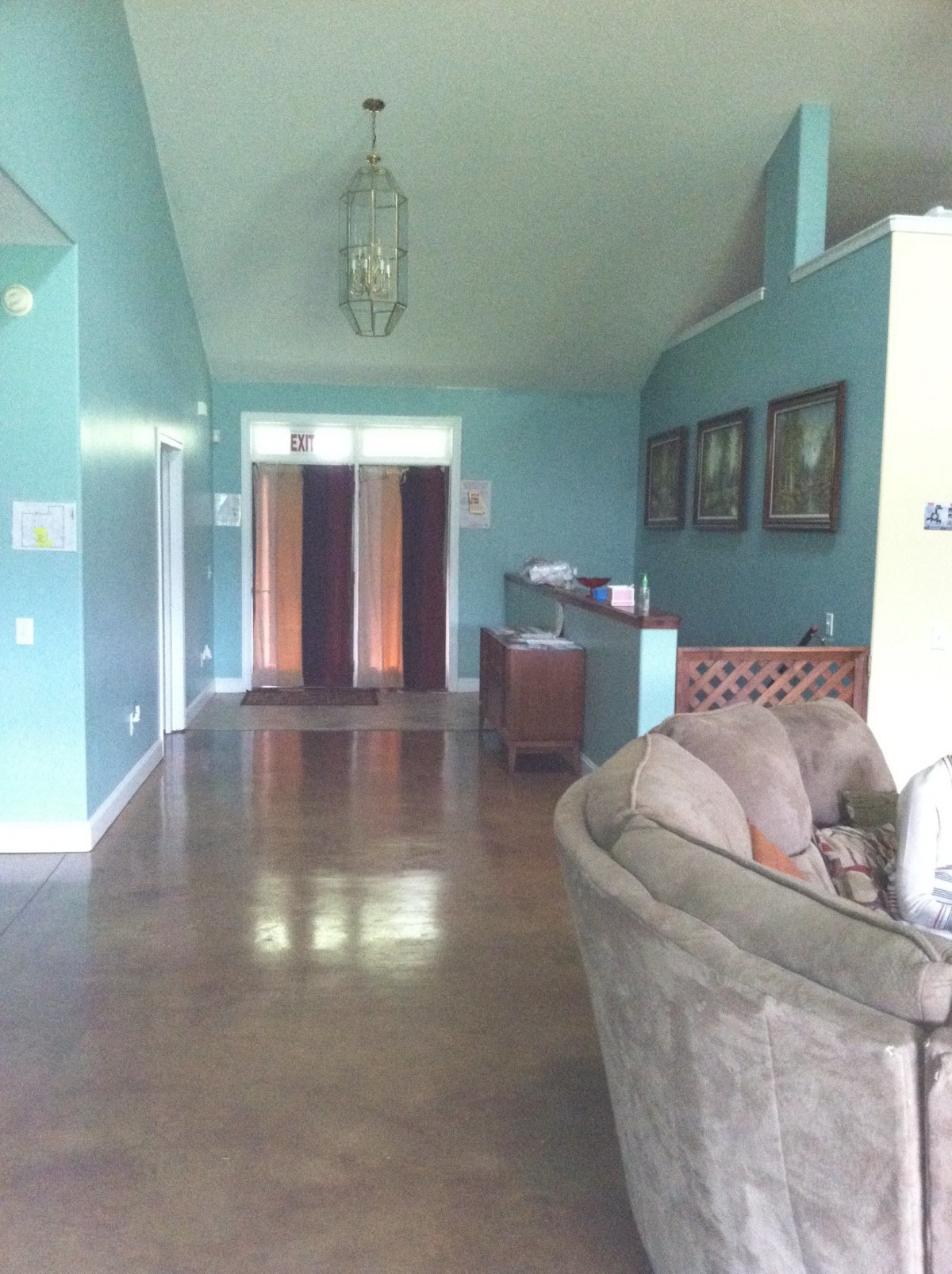
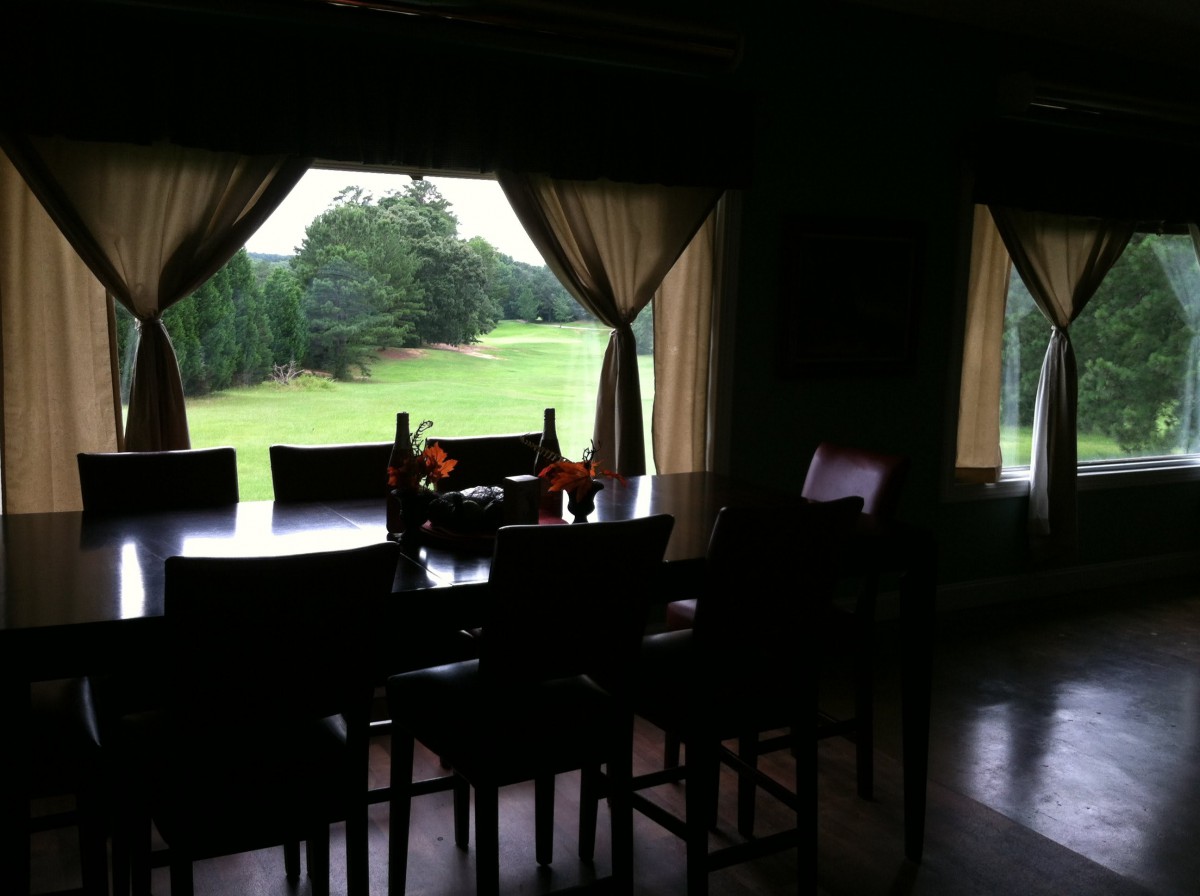
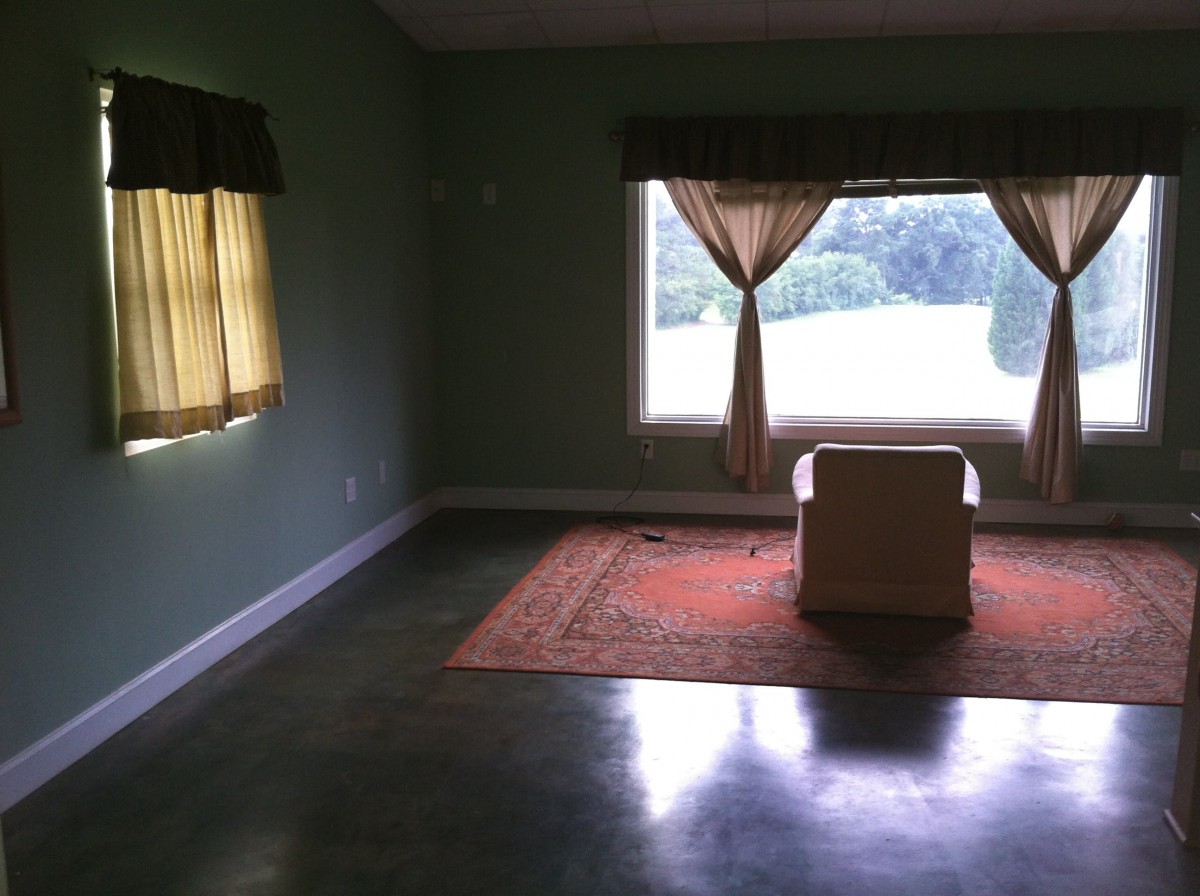
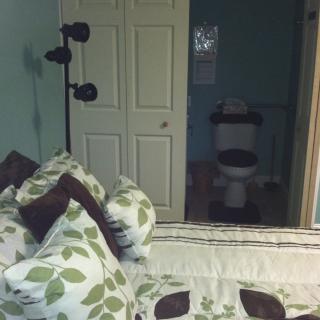
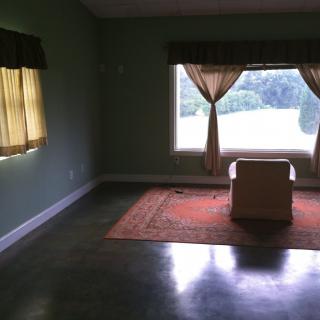
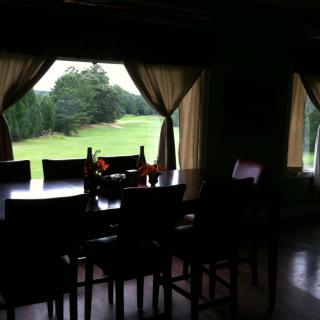
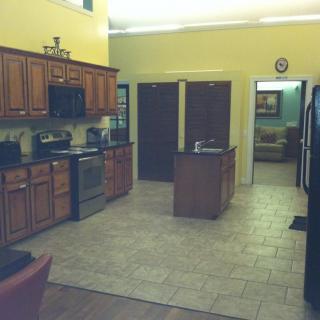
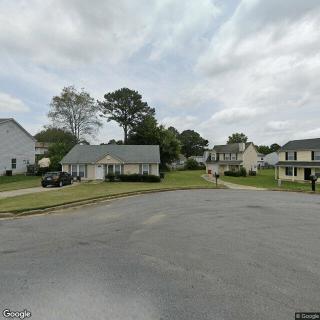
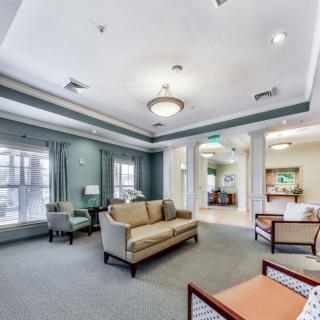
This Jonesboro-based personal care home is best suited for families seeking an intimate, home-like setting where residents are treated with genuine warmth and daily attention from caregivers who feel more like extended family. The community emphasizes memory care and daily compassion, with owners and staff actively involved in day-to-day life. Families who value accessibility to the people directly shaping care, owners who are present, caregivers who know residents by name, and a culture of dignity, will likely find this setting a strong fit. The environment tends to be spacious, clean, and free of the impersonal, institutional feel that can accompany larger facilities, which matters when comfort and trust are the top priorities.
Those whose decision hinges on more formal medical oversight or a larger, highly structured operation may want to consider alternatives. The reviews lean heavily toward a personal, relationship-driven model rather than a clinical, institution-like approach. If, for example, a resident requires around-the-clock on-site medical management, highly specialized memory-care programming, or a consistently uniform corporate policy across multiple locations, a larger or more clinically oriented community may be a better match. A minority of reviewers also signals that there are moments when professional demeanor or facility presentation does not meet every family’s expectations, so due diligence remains essential.
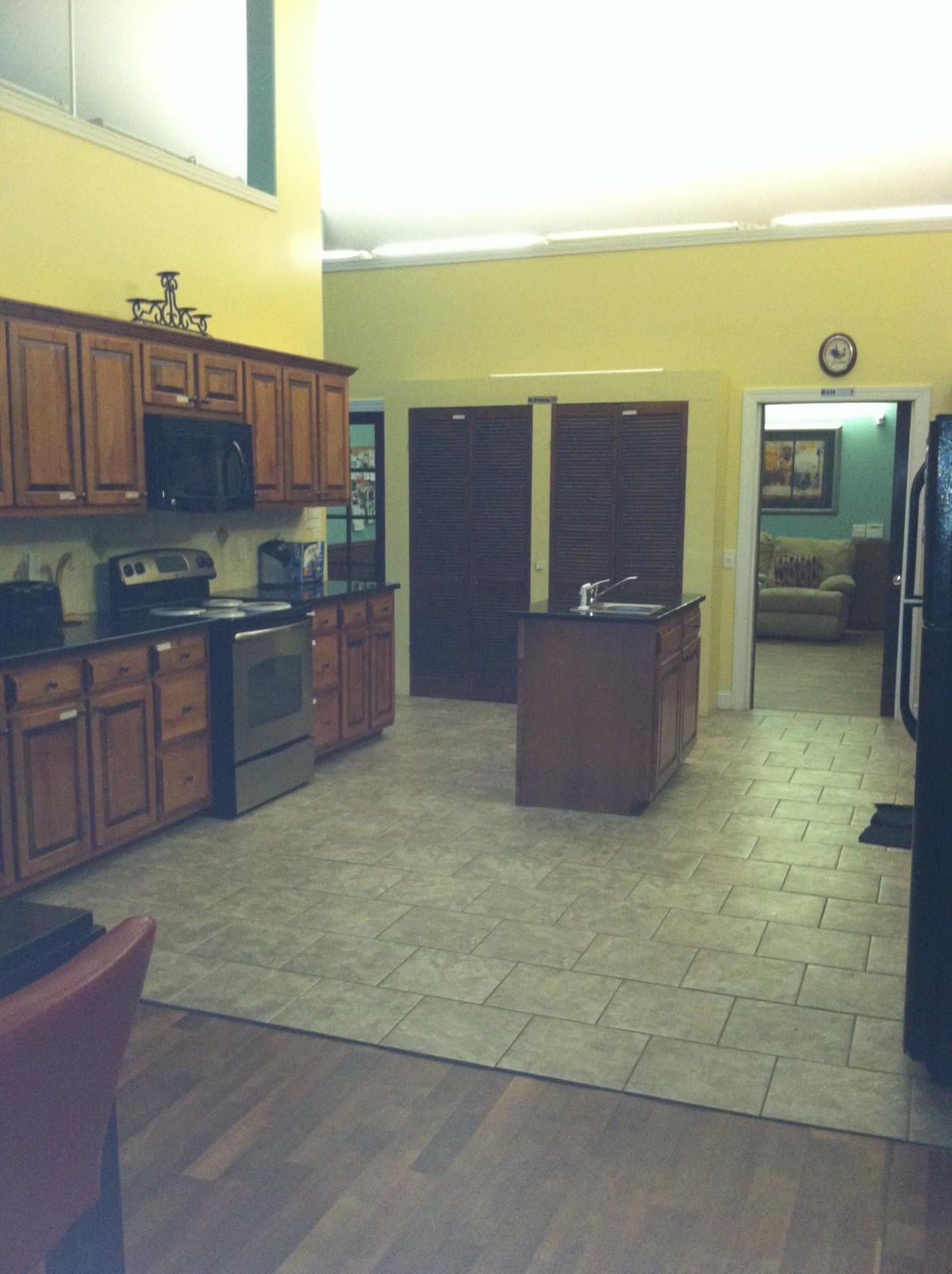
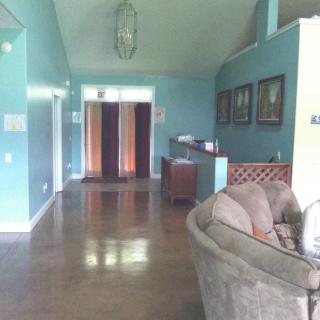
The strongest positives center on profound, caregiver-led warmth and a true sense of family. Families repeatedly highlight staff who are patient, compassionate, and deeply knowledgeable about dementia- and post-stroke needs. The owner’s hands-on involvement, combined with a staff culture described as calm and respectful, creates a trustworthy atmosphere where residents appear to be treated with dignity and affection. The care environment also shines in practical terms: rooms and common areas are described as accommodating, clean, and free of odors, with amenities that help residents feel comfortable and engaged. Family communications are praised, with updates and calls that help relatives stay closely connected to their loved ones’ daily lives.
Nonetheless, there are a few cautions to balance against these strengths. One review raises concerns about odor and professionalism, underscoring that in any small, home-style setting, incidences of flat or uneven experiences can occur. More broadly, the small-scale model means care quality can hinge more directly on the individuals on duty at any given time. For families that require strict, professionalized protocols, fixed programming schedules, or a robust, standardized menu of services across a network, these dynamics can feel like a gap to fill. The reality is that while most families report outstanding care, a minority perspective reminds that no single home is perfect for every situation.
Yet the favorable elements often offset these potential drawbacks in meaningful ways. The intimate, relationship-driven approach tends to yield high trust and consistency; families report seeing the same caring faces day after day, with caregivers who know residents’ histories, preferences, and triggers. The ability to coordinate respite stays, memory-care plans, and individualized routines within a flexible framework can be a decisive advantage for those seeking tailored, humane care rather than a one-size-fits-all program. The availability of direct family updates, whether via a call back to the resident’s cell or regular conversations with Monique and her team, creates a sense of partnership that is rare in larger facilities and highly valued by families navigating dementia or post-stroke recovery.
For families weighing the decision, a practical path forward is essential. Begin with a focused visit during multiple times of day to observe how attention is distributed, how staff interact with residents, and how the environment feels in real-time. Ask to see a sample care plan for memory care and a typical daily routine, and request introductions to the direct caregivers who would be involved in daily activities. Confirm licensing status and inquire about staff training in dementia care, fall prevention, and emergency procedures. If possible, arrange a short respite stay to gauge fit without committing to a long-term move. If warmth, personalized attention, and a sense of family overshadow the desire for larger-scale programming, this community stands as a compelling option worth pursuing confidently.
 3 resident community capacity
 Assisted Living
 Board and Care Home
 Memory Care
 Activities off-site
 Bath tubs
 Cable or satellite TV
 Devotional services off-site
 Dining room
 Fully furnished
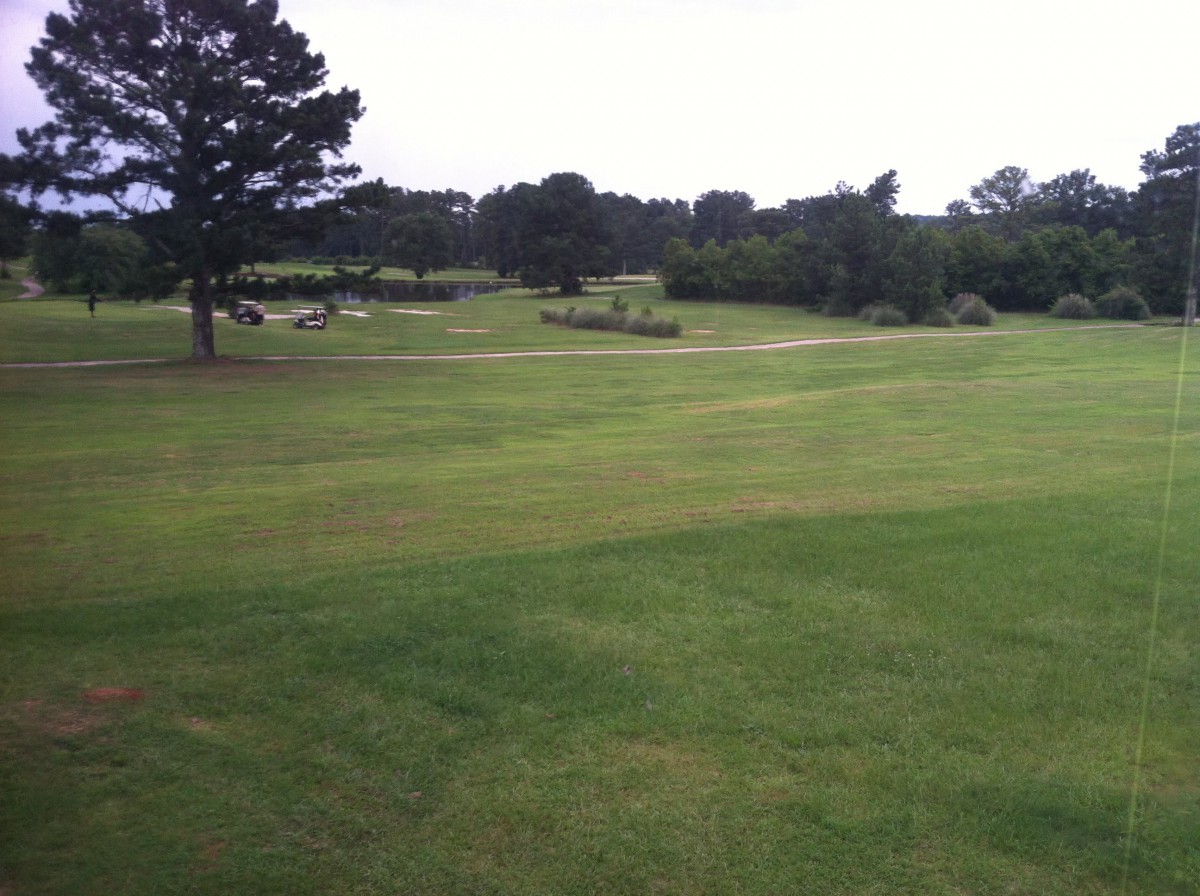
 Garden
 Housekeeping services
 Indoor common areas
 Move-in coordination
 Outdoor common areas
 Private
 Private bathrooms
 Telephone
 Wheelchair accessible showers
 Wi-Fi/high-speed internet available
 William B Hartsfield-Atlanta International (11 miles away)
 24-hour supervision
 Ambulatory care
 Assistance with bathing
 Assistance with dressing
 Assistance with transfers
 Diabetes diet
 Diabetic care
 High acuity care
 Incontinence care
 Meal preparation and service
 Medication management
 Special dietary restrictions
 Transportation arrangement (medical)
 Transportation to doctors appointments

 5 Early Indicators of Dementia and What You Can Do
 8 Important Indicators That Memory Care May Be Necessary
 Delving into the Inner World of Dementia: Insights into Thoughts and Awareness