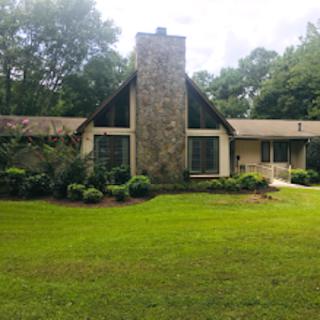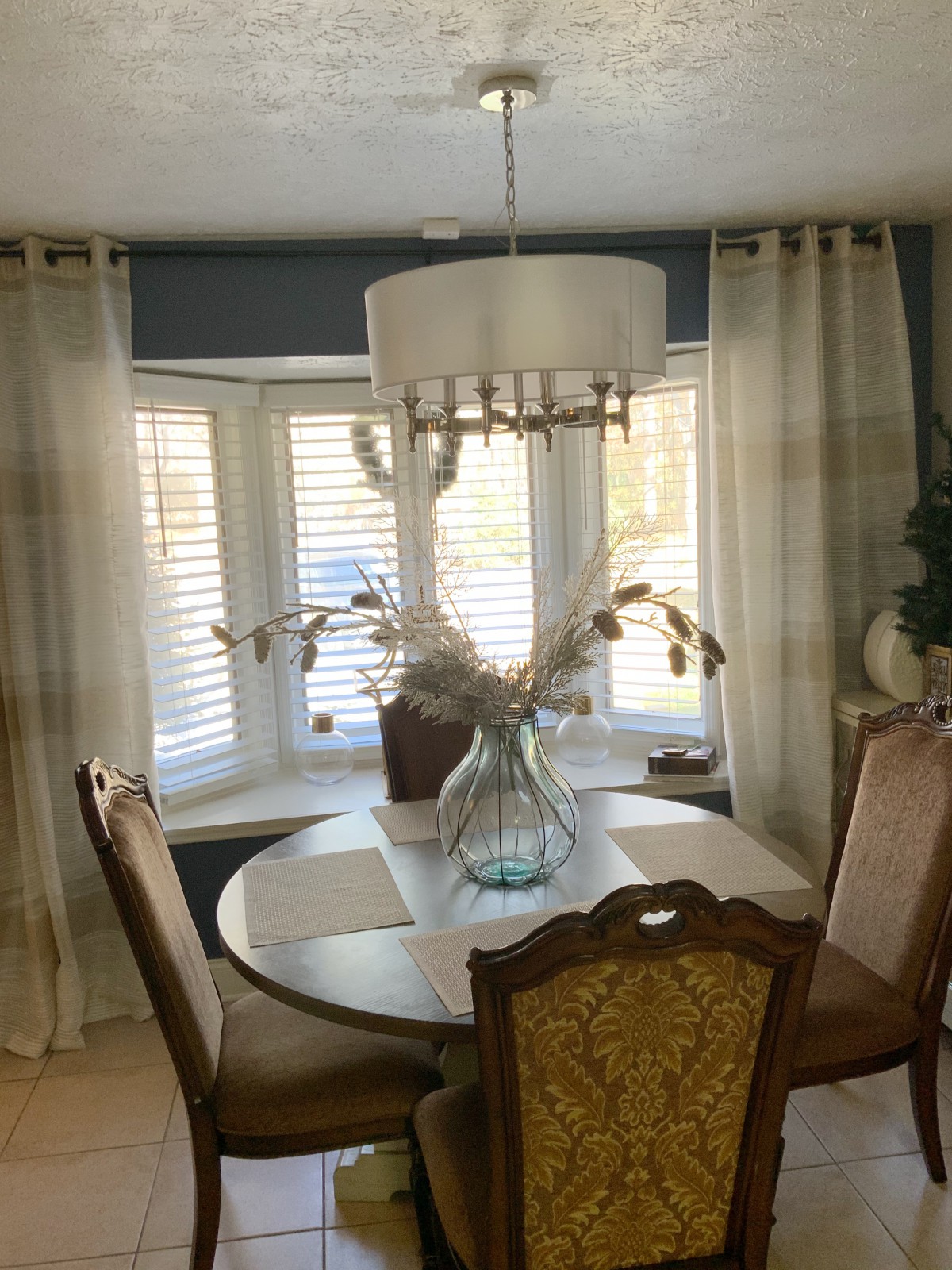
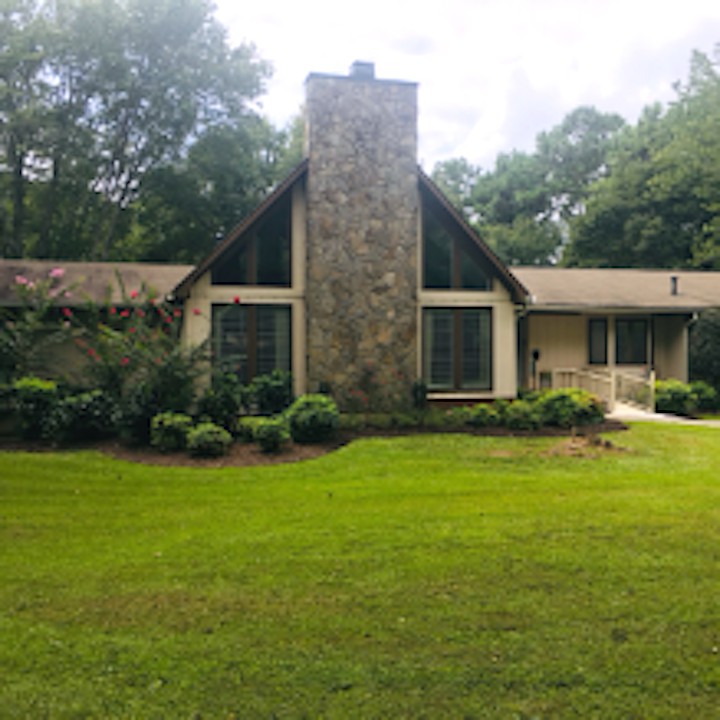
1690 Highway 138 East, Jonesboro, GA 30236
For more information about senior living options: (866) 208-4318
Overall Review of Golden Ivy Personal Care Home
Pros
 Monique and her staff treat residents as family, with dignity and respect.
- Families report that Monique welcomes questions with patience and never feels like a burden.
- The home is consistently described as safe, clean, and free of odor, with genuine compassion.
- Residents receive excellent, personalized care, and the staff go above and beyond.
- The care team is patient, understanding, and knowledgeable about dementia and memory loss.
- Residents are treated with kindness and dignity, with staff building trust through meaningful relationships.
- The owners are actively involved in daily care, demonstrating commitment to every resident.
Cons
 One reviewer stated they didn’t want to give it one star, saying the place smells like doo-doo and that Monica Gibson is very unprofessional and ghetto.
Review
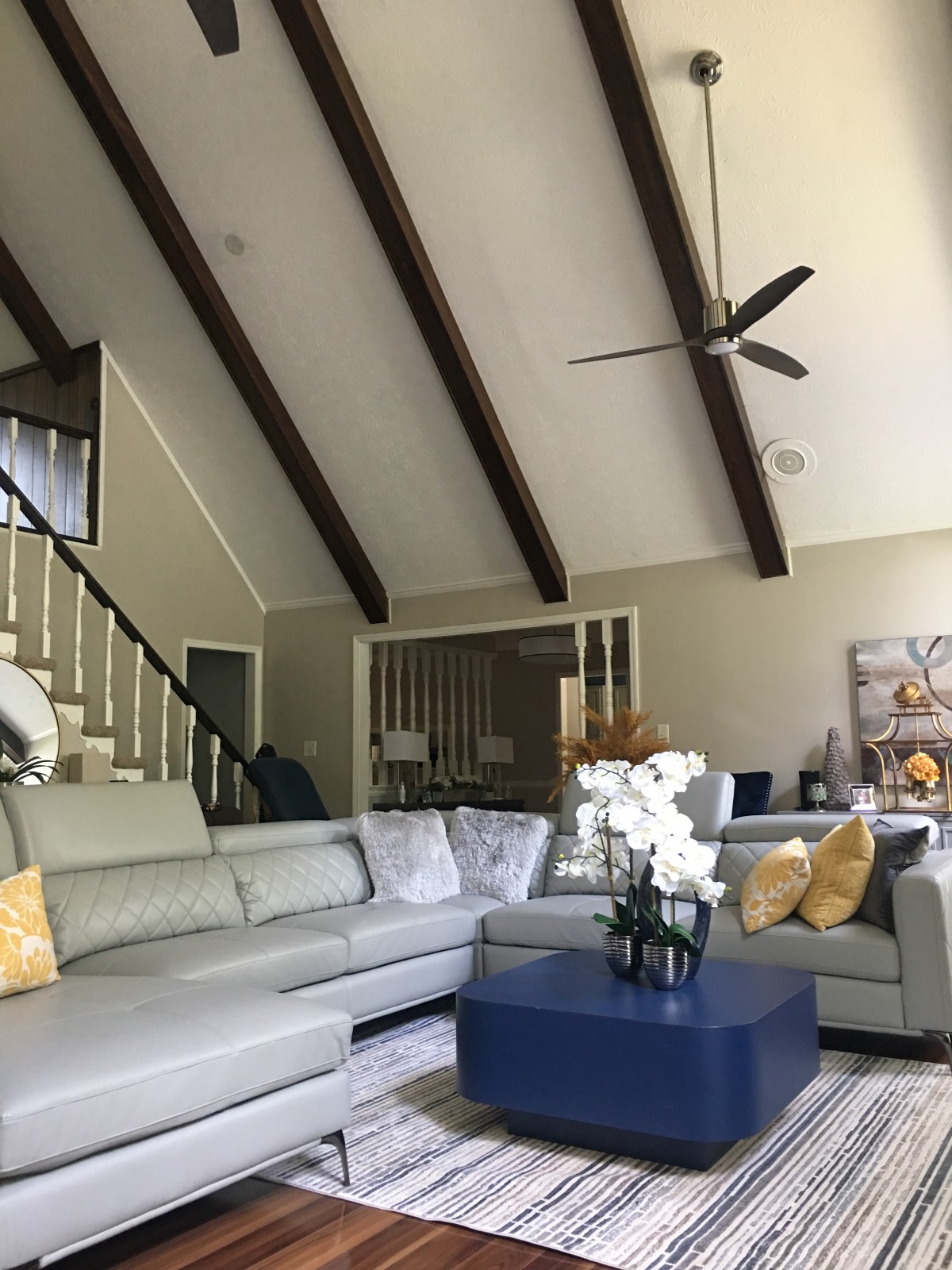
This kind of community is best suited for families seeking an intimate, relationship-centered care experience in a small, home-like setting. It works best for residents who have memory or complex care needs and benefit from a hands-on, engaged owner and staff who treat each person as a member of the family. When the caregiver team is stable, staff are patient and communicative, and the environment is clean, safe, and welcoming, this model delivers the sense of security and daily consistency that families rely on. It is particularly effective for memory care, respite stays, and ongoing support that emphasizes dignity, warmth, and personal connection.
Prospectively, those who want broader clinical oversight or a larger, more programmatic campus should consider alternatives. If the priority is around on-site skilled nursing coverage 24/7, formal rehab services, or highly structured daily activities on a broad schedule, a bigger facility with a more clinical profile may be a better match. One review highlights a potential risk area to verify: a rare, strongly negative report citing odor and perceived unprofessionalism. While outliers exist, this flag reinforces the need to tour, ask hard questions, and assess every staff member’s professionalism, cleanliness, and responsiveness before deciding.
A crucial dynamic in these settings is how the strong personal touch lines up with care outcomes. The most consistent positives center on compassionate care, genuine warmth, and the owner’s active involvement in day-to-day operations. Families repeatedly note that residents are treated with dignity and respect, with staff who remember names and preferences, and who communicate openly about changes in health or mood. The sense of safety and belonging, rooms that feel homelike, meals that residents enjoy, and staff who respond quickly to questions, often outweigh the absence of a larger clinical team for many memory-care and respite cases. A single negative outlier notwithstanding, the balance tends to tilt in favor of the human factors that families value most.
To make a sound, action-oriented decision, approach the visit with a practical checklist. Confirm staffing ratios and how often caregivers are on site per resident, especially during evenings and weekends. Meet the owner or direct supervisor to gauge accessibility and responsiveness. Review care plans for dementia or other chronic conditions, including how behaviors are managed and how family input is incorporated. Request a tour of safety features, nutrition and meal quality, activity options, and daily routines. Speak with current families or residents if possible, and ask for recent references. If there is any uncertainty, propose a short-term respite stay or trial period to test fit and stability.
Memory care capability should be a central lens. The strongest accounts underscore staff patience, calmness, and a principled approach to memory loss, with care teams that build trust through consistent, gentle engagement. Look for evidence of ongoing dementia-care training, familiar communication strategies with families, and the capacity to adapt routines as needs evolve. The concerns raised by a minority of reviewers, whether about odor, professionalism, or consistency, should prompt explicit conversations about housekeeping standards, staff supervision, and the facility’s remediation steps. A well-run home will welcome that scrutiny and respond with concrete assurances.
Bottom line: for families prioritizing a small, family-like home atmosphere with a hands-on owner, strong memory-care orientation, and highly personalized attention, this model offers a compelling recipe for stability, trust, and resident well-being. If Golden Ivy aims to embody these traits, it can become a standout option for residents who thrive on close relationships, predictable routines, and direct access to leadership. However, for those whose needs center on high-level clinical oversight, extensive rehabilitative services, or expansive programming, it pays to compare with larger facilities. Diligent tours, conversations with current families, and a trial stay will reveal whether the intimate, caregiver-driven approach is the right match.
 3 resident community capacity
 Assisted Living
 Cable or satellite TV
 Dining room
 Fully furnished
 Garden
 Housekeeping services
 Move-in coordination
 Outdoor space
 Telephone
 Wi-Fi/high-speed internet available
 William B Hartsfield-Atlanta International (9 miles away)
 24-hour supervision
 Activities of daily living assistance
 Assistance with bathing
 Assistance with dressing
 Assistance with transfers
 Diabetes diet
 Meal preparation and service
 Medication management
 Special dietary restrictions
 Transportation arrangement (medical)
 Transportation to doctors appointments






 Assisted Living Support for Veterans: A Complete and Detailed Overview
 Exploring the Contrasts Between Assisted Living and Skilled Nursing
 8 Key Indicators That Suggest It May Be Time to Transition from Assisted Living to Skilled Nursing Care