
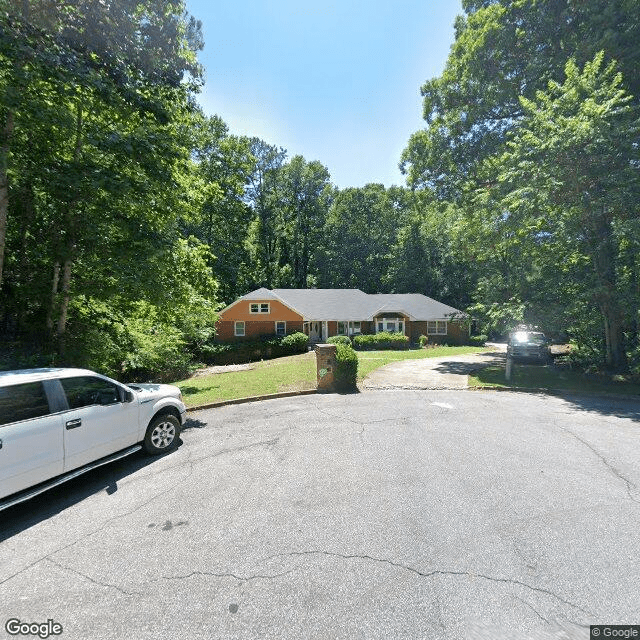
1841 Woodside Court, Jonesboro, GA 30236
For more information about senior living options: (866) 208-4318
Champion Care House I Costs & Pricing
Champion Care House I offers competitive monthly rates for its residents, providing valuable options that are slightly below both Henry County and state averages. For semi-private rooms, the cost is $1,800 per month, which is more affordable than the county rate of $1,950 and significantly less than Georgia's average of $2,529. Private rooms at Champion Care House I are priced at $2,000 per month, also undercutting Henry County's price of $2,130 and Georgia's average of $2,864. This positioning not only highlights the cost-effective nature of Champion Care House I but also underscores its commitment to delivering quality care without compromising on affordability.
| Floor plans | Champion Care House I | Henry County | Georgia |
|---|---|---|---|
| Semi-Private | $1,800 | $1,950 | $2,529 |
| Private | $2,000 | $2,130 | $2,864 |
Memory care communities with a similar price nearby
-
from +$300 / mo
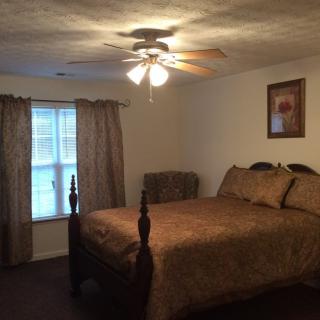
Abiding Care Home
$2,100 / month10.4 miles away -
from +$301 / mo
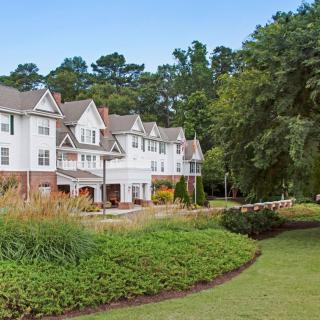
Brighton Gardens of Buckhead
$2,101 to $5,370 / month21.4 miles away -
from +$200 / mo
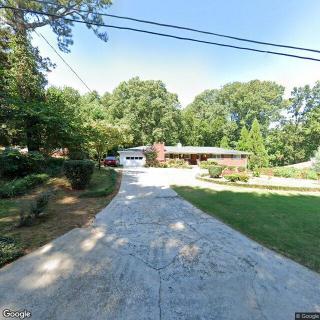
Orion Star Personal Care Home
$2,000 to $5,295 / month23.6 miles away -
from +$200 / mo

Patron Place PCH
$2,000 to $2,500 / month17.7 miles away -
from -$300 / mo

Joy's Manor Pch
$1,500 to $4,000 / month16.3 miles away
Overall Review of Champion Care House I
Pros
 They were elated with the services.
- The workers were professional, competent, diligent, kind, patient, and considerate.
- They would recommend CPG Home Health Care's services to anyone in Georgia.
Review
Champion Care House I in Jonesboro, GA is best suited for families that put caregiving character above flashy amenities. The single positive testimonial centers on staff who are professional, competent, diligent, kind, patient, and considerate, signaling a culture where daily interactions and safety come first. For families seeking a residence where the caregiving team earns trust through consistent, humane behavior, this community offers a compelling profile. The 5-star rating from one review should be read as a clear signal of strong satisfaction from that source, not as a broad statistical guarantee. Still, the emphasis on genuine, hands-on care is a decisive hook for those evaluating options in the Jonesboro area.
Those with more demanding medical needs or a desire for extensive programming may want to consider alternatives. The available feedback provides no detail on medical oversight, memory care, specialized services, or the breadth of activities, which leaves important gaps for families navigating complex care plans. If the priority is robust coordination with external clinicians, predictable care levels across shifts, or a more expansive social calendar, additional options should be explored. In short, this community appears to deliver exceptional caregiver demeanor, but the evidence base is narrow enough to warrant broader comparison before making a final commitment.
The strongest pro written about Champion Care House I is the caregiving persona of the staff. When workers are described as professional, competent, diligent, kind, patient, and considerate, that combination tends to translate into reliable safety, fewer miscommunications, and smoother daily routines for residents. Those human qualities can effectively offset concerns about impersonal service or inconsistent attention in other settings. Families prioritizing trust in daily care, from medication administration to warmth in routine encounters, will likely find this element particularly persuasive. In practice, the compassionate side of staffing often determines whether a resident feels at home and whether families feel confident about ongoing oversight.
Conversely, the absence of concrete drawbacks in the feedback leaves decision-makers without a full picture of how the community operates day to day. Important considerations, cost structure and value, exact care levels available, staffing ratios and turnover, on-site medical oversight, transportation, meal quality, and the breadth of activities, remain unspoken. The prudent approach is to seek direct answers to these points during a tour: ask how care plans are created and updated, what happens when a resident’s needs intensify, how often residents are checked in on during night shifts, and how family communication is handled. Without such details, the positive staff demeanor may not fully align with long-term expectations.
A practical evaluation framework helps convert a strong staff impression into a confident decision. Prospective families should observe interactions across caregivers, residents, and visitors, noting whether pace, attentiveness, and personalization feel consistent rather than episodic. Request specifics on the care-management process, including how a resident’s day is structured, how meals are planned to accommodate dietary restrictions, and what activities are available for social engagement. Verify transparency on pricing, contract terms, and any additional fees. If the answers demonstrate sustained staff reliability comparable to the testimonial, the fit strengthens markedly; if not, it signals a reason to continue the search.
In the end, Champion Care House I emerges as a viable choice for families who prize dependable, compassionate caregiving delivered by capable professionals. The decisive factor in favor is unmistakable, the staff’s professional demeanor and caring approach. Yet the single-review lens means outcomes should be verified through firsthand visits, conversations with multiple staff members, and a careful comparison with other local options that offer greater detail on medical support, programming, and cost. For families with clear priorities around staff quality and day-to-day kindness, this Jonesboro community deserves serious consideration; for those needing deeper clinical capacity or broader programming, alternatives should be pursued in parallel to avoid compromise.
 6 resident community capacity
 Assisted Living
 Board and Care Home
 Memory Care
 Activities off-site
 Cable or satellite TV
 Devotional services off-site
 Dining room
 Fully furnished
 Garden
 Housekeeping services
 Indoor common areas
 Move-in coordination
 Outdoor common areas
 Private
 Telephone
 Wi-Fi/high-speed internet available
 William B Hartsfield-Atlanta International (9 miles away)
 24-hour supervision
 Assistance with bathing
 Assistance with dressing
 Assistance with transfers
 Diabetes diet
 Meal preparation and service
 Medication management
 Special dietary restrictions
 Transportation arrangement (medical)
 Transportation to doctors appointments




 8 Important Indicators That Memory Care May Be Necessary
 Delving into the Inner World of Dementia: Insights into Thoughts and Awareness
 Five Subtle Dementia Indicators to Observe: An In-Depth Guide to Understanding “Does My Mom Have Dementia?”