
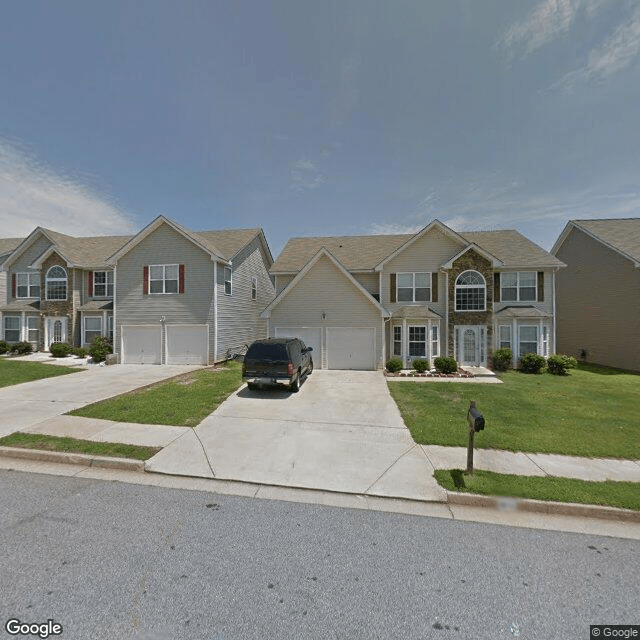
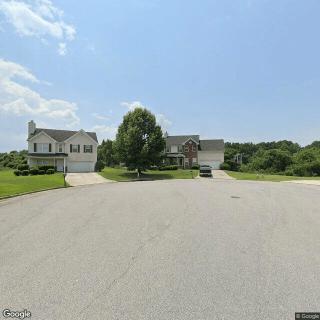
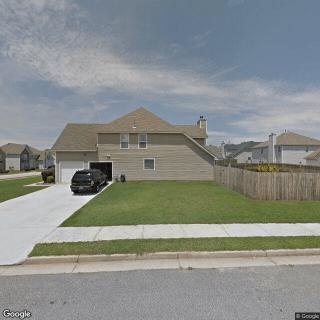
11670 Kades Trail, Hampton, GA 30228
To contact a resident: (404) 841-8099
For more information about senior living options: (866) 208-4318
Haven Care Costs & Pricing
Haven Care offers competitive pricing for its services, positioning itself as an affordable option compared to both Spalding County and the wider state of Georgia. For a semi-private room, Haven Care charges $1,500 per month, significantly lower than the county average of $2,358 and the state average of $2,529. Similarly, in the case of private accommodations, Haven Care's monthly fee of $2,500 remains attractive when juxtaposed with Spalding County's rate of $2,606 and Georgia's average of $2,864. This pricing structure not only underscores Haven Care's commitment to providing quality care at accessible rates but also reflects its understanding of the financial considerations that families face when seeking long-term care solutions.
| Floor plans | Haven Care | Spalding County | Georgia |
|---|---|---|---|
| Semi-Private | $1,500 | $2,358 | $2,529 |
| Private | $2,500 | $2,606 | $2,864 |
Senior living communities with a similar price nearby
-
About the same
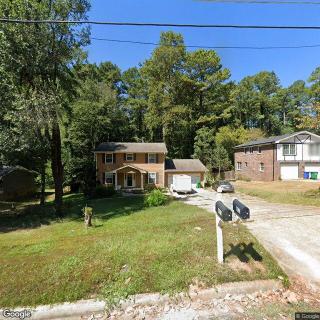
Americare Group
$1,500 / month24.4 miles away -
About the same
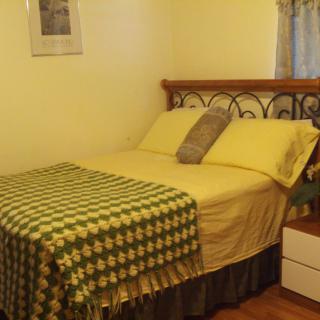
Lend A Hand Personal Care Home
$1,500 to $2,000 / month9.6 miles away -
from -$150 / mo
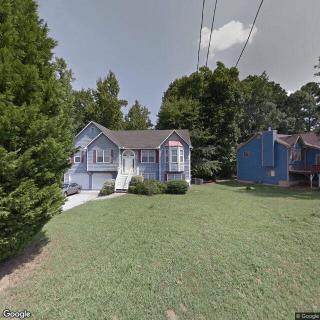
Le'glen Personal Care Home
$1,350 to $2,150 / month14.9 miles away -
from +$200 / mo
Rose's Premier Personal Care Home
$1,700 / month11.8 miles away -
from +$200 / mo
Around the Clock Personal Care Home, LLC
$1,700 to $2,200 / month14.8 miles away
Overall Review of Haven Care
Pros
 The home was very nice.
- The director was very nice.
- She will be good at this.
Cons
 The reviewer was concerned about the absence of a help button during the night.
- The reviewer noted safety concerns with the stairs, fearing someone might go up without supervision.
- These concerns led them to decide not to choose this option.
Review
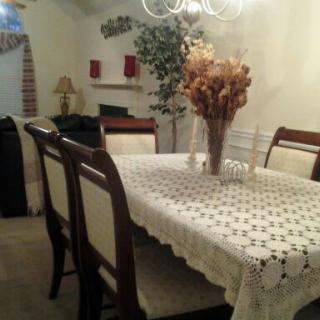
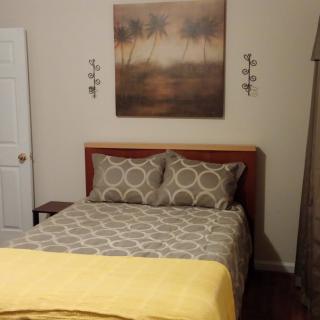
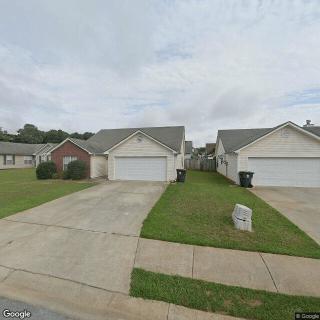
Haven Care in Hampton, GA is best suited for seniors who want a warm, home-like setting and a director who comes across as genuinely caring and capable. The community’s strength is its intimate, non-institutional feel and the personal attention that accompanies a small operation. For families prioritizing relationship, responsiveness, and a sense of hominess over polished campus amenities, this option aligns with those values. The safety caveat is real: there is no visible night-time help button, and stairs introduce a risk that cannot be ignored for anyone with nocturnal needs or mobility concerns.
Alternatives become worth considering for anyone whose priority includes robust safety systems and reliable overnight coverage. Seniors with a history of nighttime needs, frequent awakenings, or mobility limitations that make stairs hazardous may find Haven Care lacking. Families seeking a single-floor layout, ongoing nocturnal call capability, and on-site staff availability through the night will likely prefer communities with clearly established overnight protocols. In short, the absence of a night button and the staircase risk tilt the balance away from Haven Care for safety-sensitive residents.
Two clear advantages anchor Haven Care: the space feels like a true home rather than a clinical setting, and the director presents as welcoming and capable. The environment supports social comfort, with a relaxed routine, predictable dining patterns, and a smaller, more controllable pace. The director’s evident commitment suggests responsive problem-solving and an ability to tailor daily life to individual preferences. Those daytime strengths can translate to high-quality engagement and a sense of belonging, which is valuable for mood, appetite, and overall well-being. Yet daylight care cannot substitute for overnight safety, and that gap remains a meaningful constraint.
The primary drawbacks are tangible and safety-driven. The lack of a night-time help button means potential delays in obtaining assistance should an urgent need arise after hours. The stairs compound the risk, creating a clear barrier for anyone with limited mobility or for situations where nighttime oversight is uncertain. These gaps are not minor inconveniences; they are safety liabilities that families must weigh against the positive, home-like mood and the director’s potential effectiveness in daytime care. For residents who require consistent overnight monitoring, this setting may not meet essential standards.
To balance these factors, the positives can be leveraged to create a workable daily rhythm with clear expectations. The intimate setting enables staff and residents to know each other well, supporting proactive daytime monitoring and rapid communication with families. The director’s hands-on approach provides confidence in responsive daytime adjustments and personalized activity planning, which can ease transitions and reduce daytime anxiety. Families able to implement extra nocturnal safeguards, such as scheduling regular overnight visits, arranging a temporary caregiver, or negotiating a formal nocturnal check-in, may mitigate the risk from the lack of built-in night safety. Still, these are stopgap measures, not substitutes for built-in protections.
Bottom line: Haven Care is worth serious consideration for families prioritizing warmth, personal connection, and a small-scale environment anchored by a capable director. However, for seniors with significant nighttime needs, or mobility challenges that demand immediate, round-the-clock assistance, alternatives with robust nocturnal safety protocols should take precedence. Prospective buyers should conduct a structured visit with targeted questions about overnight staffing, the reliability of call systems, stair safety, fall prevention measures, and contingency plans. Compare Haven Care to other local options to ensure the chosen setting truly matches the resident’s safety requirements, independence goals, and social needs.
 Board and Care Home
 Activities off-site
 Indoor common areas
 Outdoor common areas
 Private
 Respite or short term stays offered
 Wheelchair accessible showers
 William B Hartsfield-Atlanta International (15 miles away)
 Ambulatory care
 Incontinence care
 Meals provided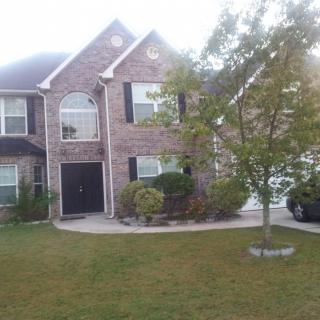



 Comprehensive Insights into Palliative Home Care: What It Is and What to Expect
 Skilled Nursing Facilities vs. Nursing Homes: Making Sense of the Differences
 A Detailed Examination of Nursing Home Costs Across the U.S.