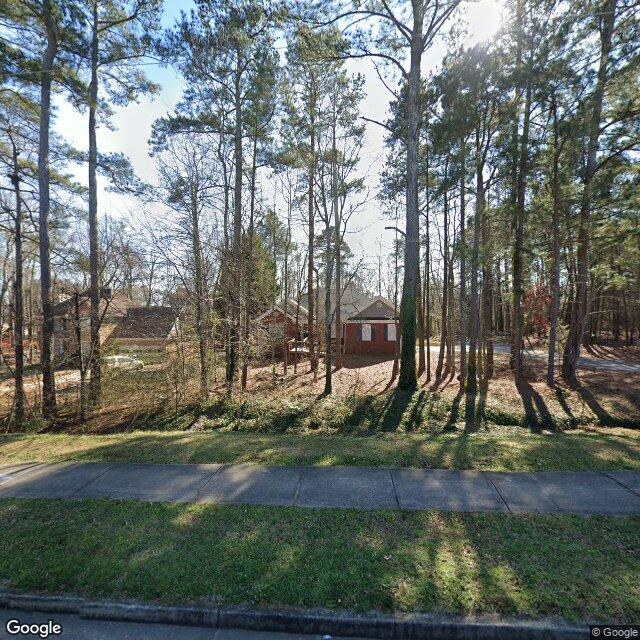
1557 Lovejoy Road, Hampton, GA 30228
To contact a resident: (678) 674-8837
For more information about senior living options: (866) 208-4318
Sonnys Lighthouse PCH Costs & Pricing
Sonnys Lighthouse PCH offers competitive monthly rates for its residents, positioning itself as an attractive option within both Spalding County and the broader state of Georgia. For semi-private accommodations, residents can expect to pay $1,700 per month, significantly lower than the county average of $2,358 and the state average of $2,529. In terms of one-bedroom units, Sonnys maintains a rate of $2,000, which again is more affordable compared to Spalding County's average of $2,975 and Georgia's statewide average of $3,412. Similarly, their private rooms are priced at $2,000 as well - this is notably less than both the county's $2,606 and the state's $2,864. Overall, Sonnys Lighthouse PCH not only provides quality care but also presents a cost-effective alternative for families seeking supportive living arrangements in this region.
| Floor plans | Sonnys Lighthouse PCH | Spalding County | Georgia |
|---|---|---|---|
| Semi-Private | $1,700 | $2,358 | $2,529 |
| Private | $2,000 | $2,606 | $2,864 |
| 1 Bedroom | $2,000 | $2,975 | $3,412 |
Memory care communities with a similar price nearby
-
from +$300 / mo

Patron Place PCH
$2,000 to $2,500 / month23.5 miles away -
from -$200 / mo

Joy's Manor Pch
$1,500 to $4,000 / month22.4 miles away -
from +$300 / mo

Adam & Eve Pch 1
$2,000 to $3,000 / month21.6 miles away -
from +$100 / mo
The Magnolias Of Conyers
$1,800 to $2,800 / month24.3 miles away -
from -$300 / mo
Southside Personal Care Home
$1,400 to $1,500 / month3.8 miles away
Overall Review of Sonnys Lighthouse PCH
Pros
 They run this place in a way that residents love.
- A small home with only four residents is perfect for a family atmosphere.
- There is plenty of one-on-one attention.
- The caretakers were friendly, courteous and very accommodating.
- After seeing the location, the grandmother moved in the same evening.
Cons
 The reviewer was not happy at all and would not recommend.
Review
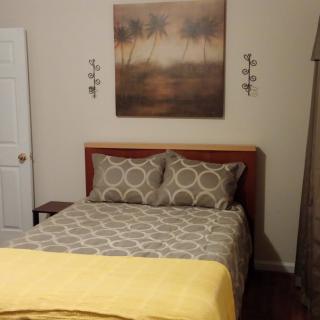
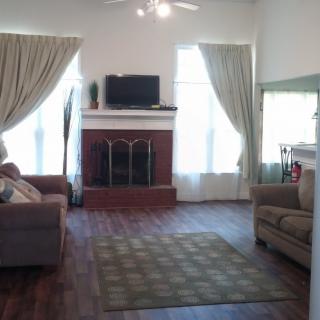
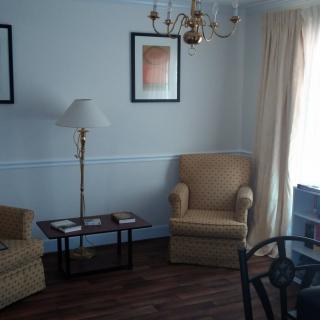
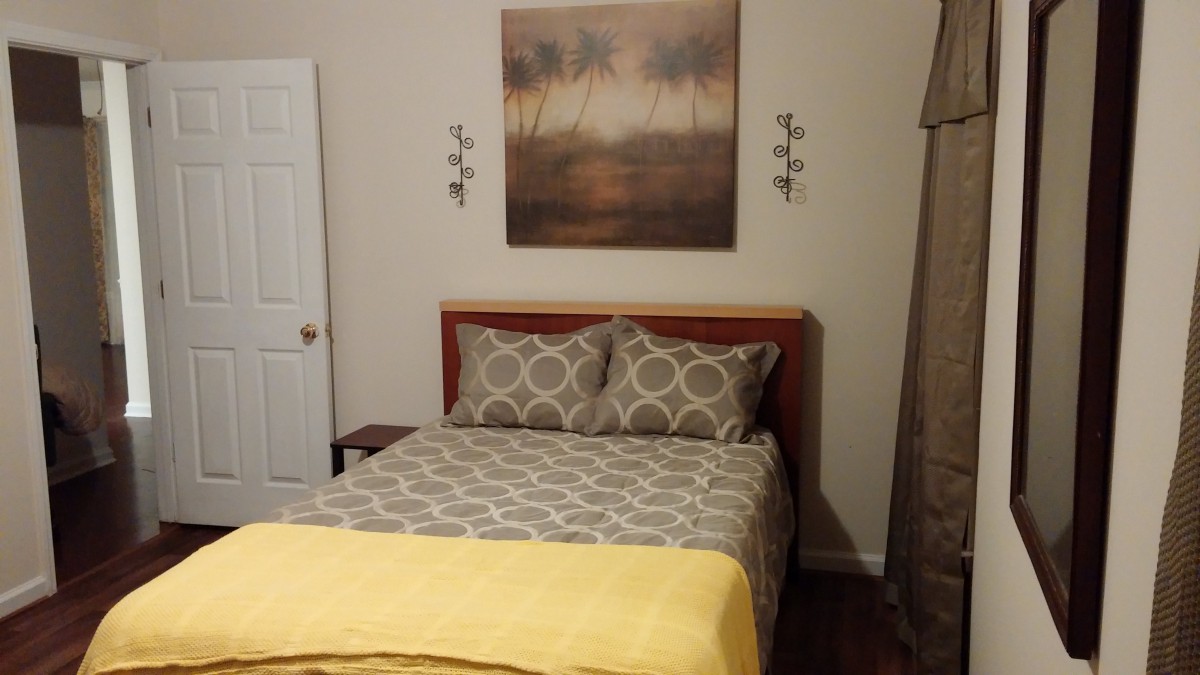
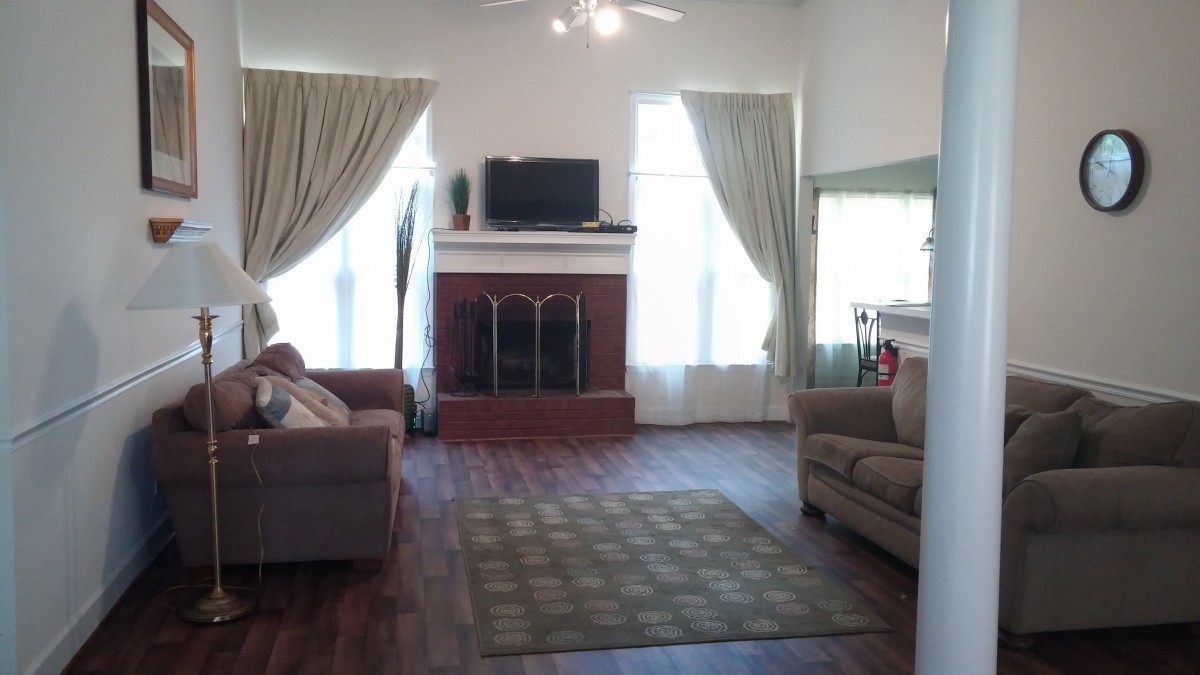
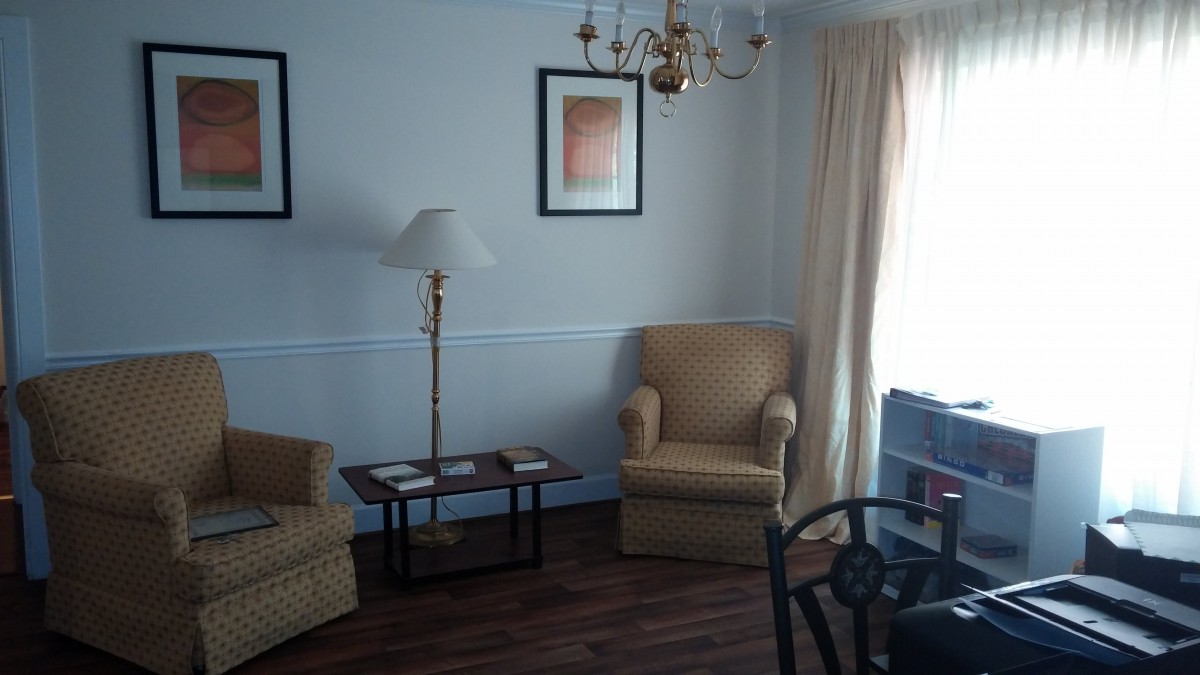
Sonnys Lighthouse PCH in Hampton, GA is best suited for families seeking an intimate, home-like environment where care feels personal and highly attentive. With a small footprint, only four residents, the community operates more like a private household than a traditional assisted-living campus. This structure works best for seniors who value predictable routines, one-on-one interactions, and immediate caregiver access. It suits someone who prefers a family atmosphere, where staff can tailor daily life to individual preferences and where the pace centers on comfort and familiarity rather than a bustling activity calendar.
Those weighing alternatives should consider what happens when the need shifts toward broader programming or more formal medical oversight. If a resident requires a larger social scene, frequent group activities, robust transportation options, or specialized memory or nursing care, a bigger community may be a better fit. In addition, families seeking transparent, expansive policies, regular progress updates, or consistent staffing across shifts may find the smaller setting presents limits. The mix of opinions in the reviews signals a trade-off: the most personal setting can also feel constrained for those with higher expectations for variety and formal services.
The strongest positives here center on the core promise of a small, closely watched home. The warmth of the caregivers, their courtesy, and willingness to accommodate stand out as key benefits, and the small size makes it feasible to deliver frequent, meaningful interaction. Families report fast move-in and a sense that staff genuinely treats residents like members of a family. These elements translate into tangible advantages: faster recognition of changing needs, personalized room-to-daily-routine adjustments, and a level of attentiveness that larger facilities often struggle to sustain. In these respects, the pros directly offset the potential downsides of limited amenities and social programming.
Yet, the reviews reveal a cautionary note. A portion of respondents express dissatisfaction and would not recommend the community, suggesting that not every resident will align with the small-home model. Such feedback points to variability in experiences, likely tied to staff consistency, caregiver personalities, and how well the setting matches individual expectations. For families scanning for a vibrant activity calendar, nutrient-dense dining variety, or broad social opportunities, this may feel restrictive. The contrast between glowing anecdotes and stark cautions signals that outcomes hinge on fit: when the resident thrives on Nähe and routine rather than breadth of programming, Sonnys Lighthouse often excels; when a broader, more conventional assisted-living experience is desired, drawbacks become more evident.
To decide with precision, prospective families should ask focused questions before committing. Inquire about the exact caregiver-to-resident ratio on each shift, the qualifications of the care team, and how requests are prioritized. Probe into daily activity options, meal planning specifics, and how personal preferences are incorporated into schedules. Clarify what medical oversight looks like, how emergencies are handled after hours, and whether supplemental services (physical therapy, transportation, housekeeping) can be arranged or integrated. Finally, demand transparent pricing, including any care-add-ons or end-of-stay costs, so expectations remain aligned with reality.
Overall, Sonnys Lighthouse PCH offers a compelling option for households seeking an intimate, personal care environment where one-on-one attention can be the dominant feature. For families prioritizing a true home feel, predictable routines, and tight caregiver access, this setting delivers measurable value. However, for seniors who require extensive programming, robust social engagement, or heightened medical oversight, this community may feel restrictive. The prudent path is clear: align expectations with personal needs, and use the small-home advantage while acknowledging the potential limits. When that fit is right, the result can be a peaceful, watched-over daily life that feels like family.
 Board and Care Home
 Memory Care
 Activities off-site
 Bath tubs
 Beautician on-site
 Devotional services off-site
 Indoor common areas
 Outdoor common areas
 Private
 Private bathrooms
 Respite or short term stays offered
 William B Hartsfield-Atlanta International (15 miles away)
 Ambulatory care
 Diabetic care
 High acuity care
 Medication management
 Meals provided


 Assisted Living and Memory Care: Understanding Their Core Differences
 Choosing the Right Senior Care: A Detailed Exploration of Assisted Living and Nursing Homes
 Safeguarding Your Memory Through the Golden Years: Eight Ways to Preserve Cognitive Health