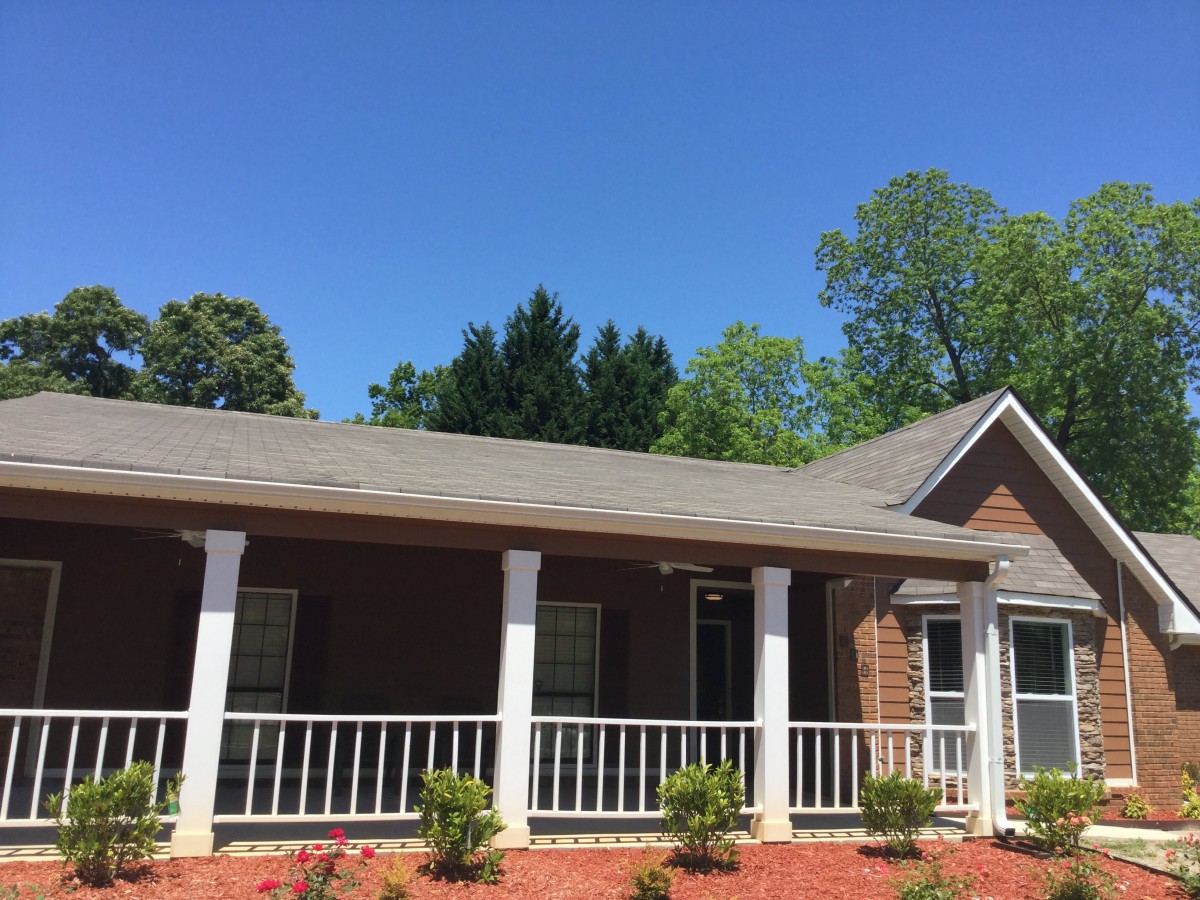
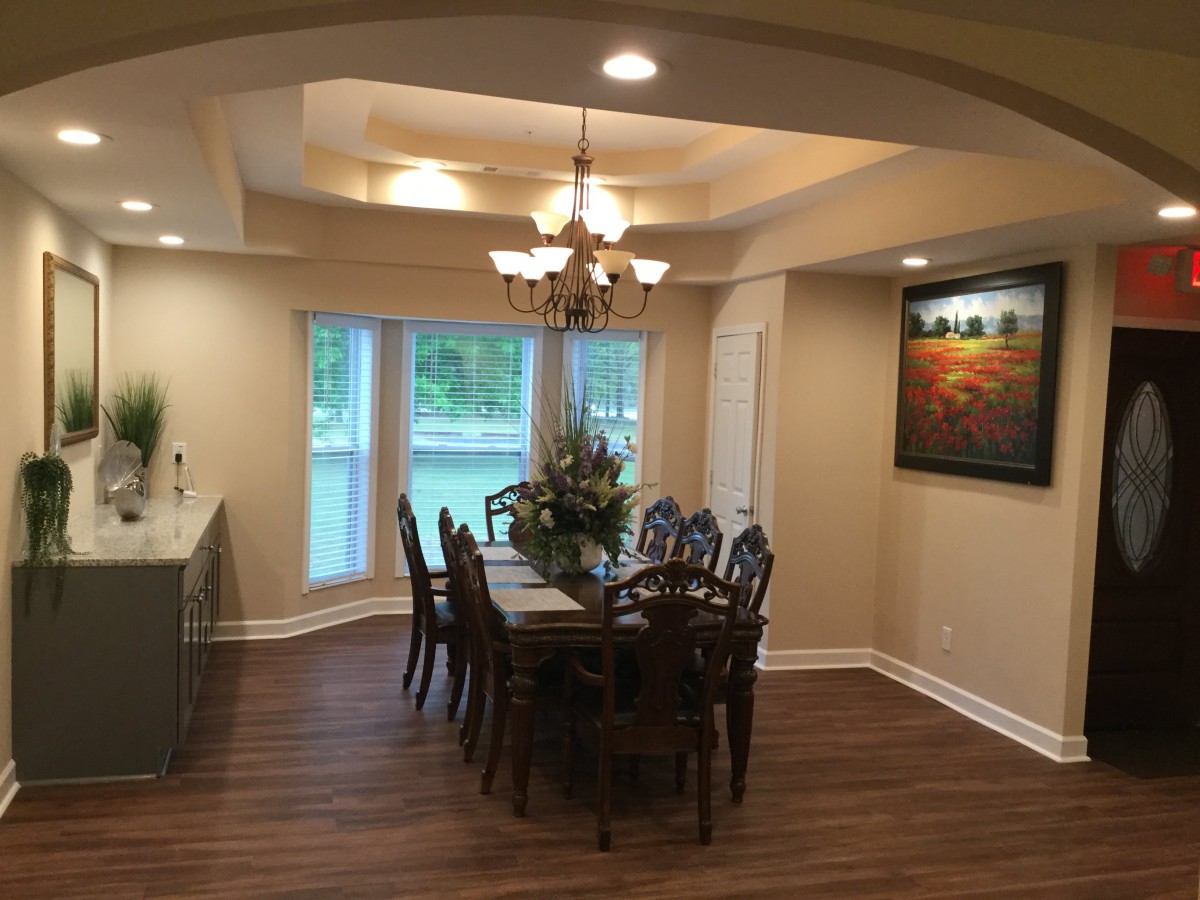
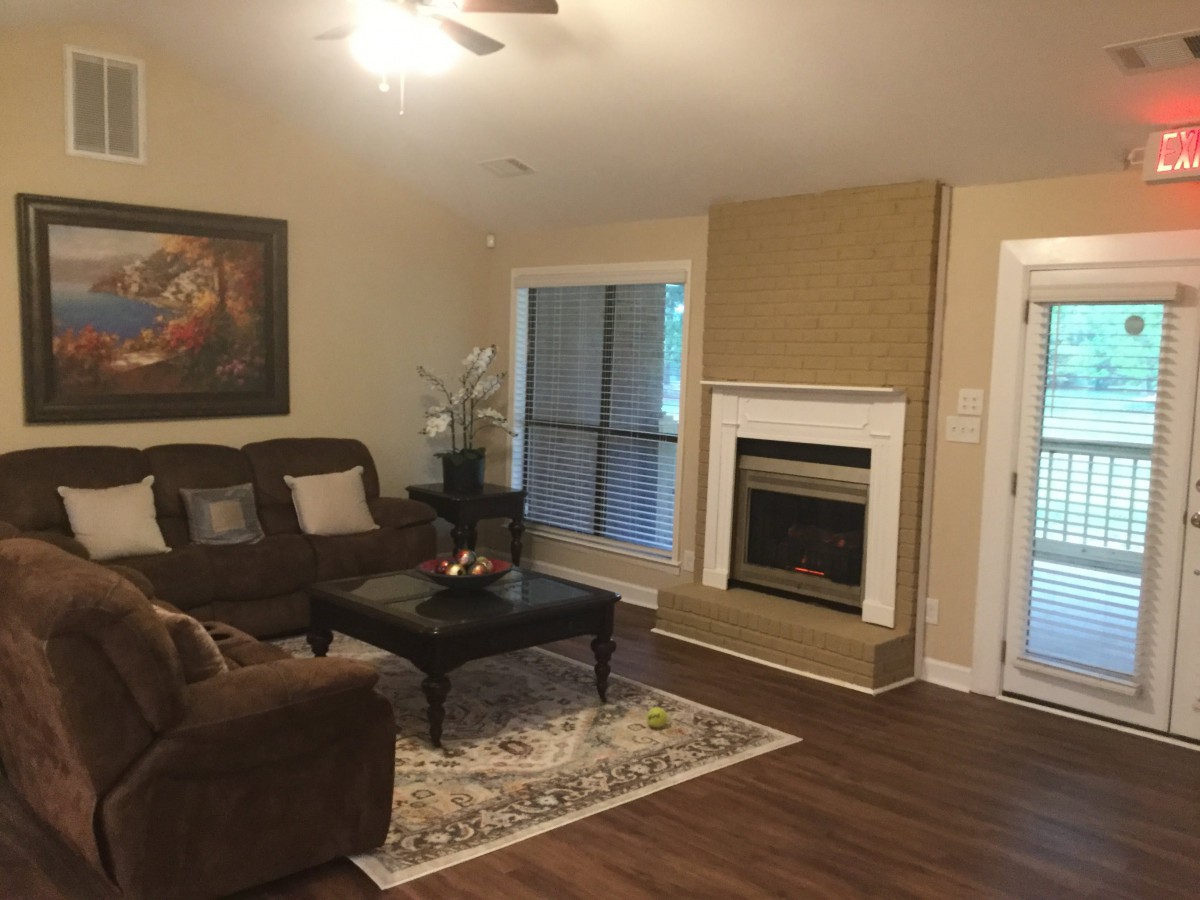
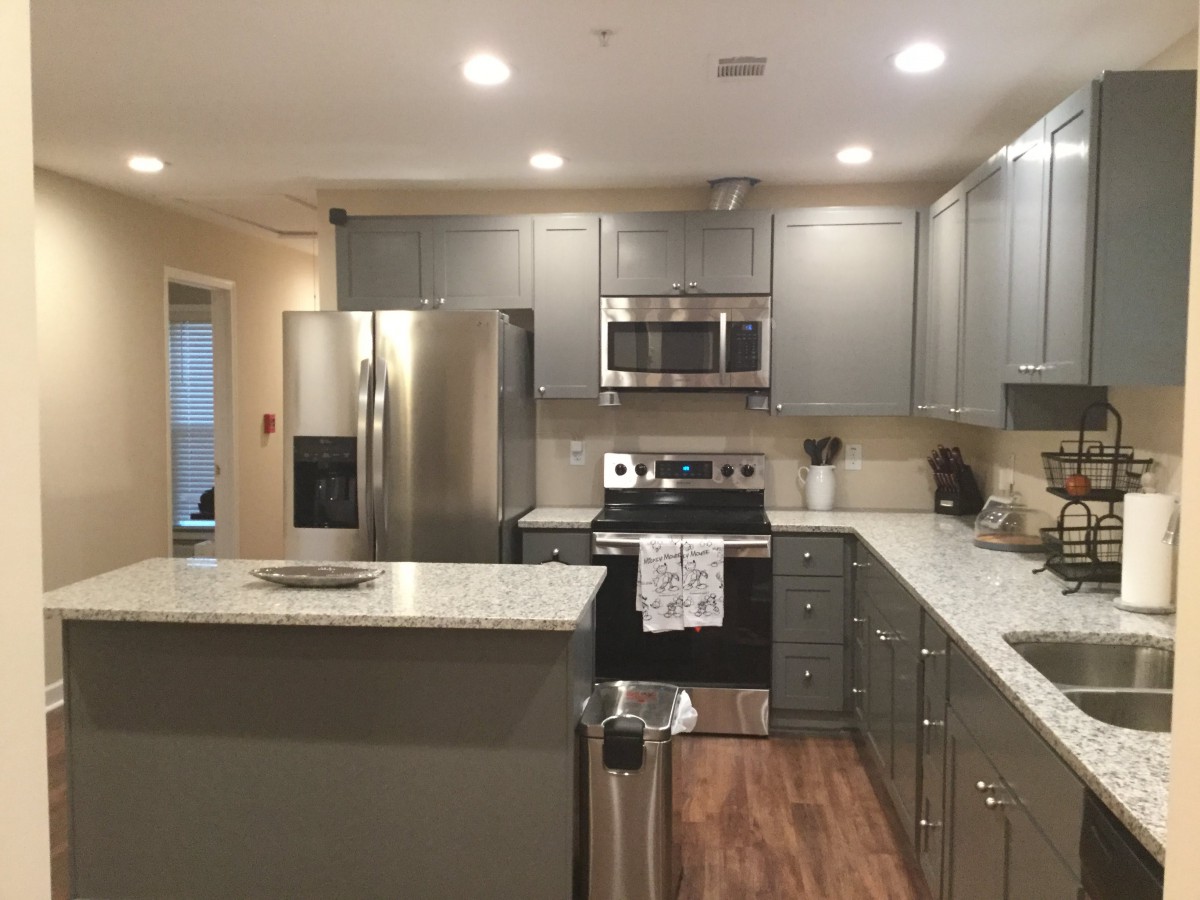
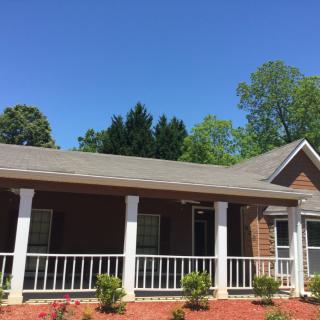
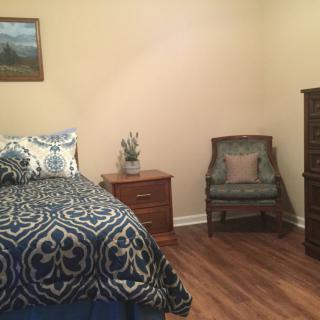
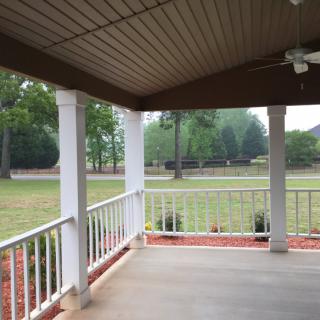
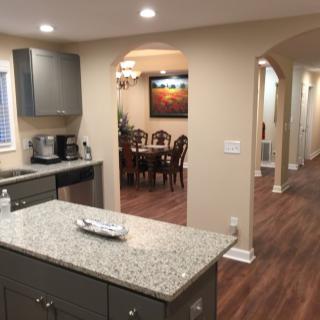
408 Farmer Drive, Hampton, GA 30228
For more information about senior living options: (866) 208-4318
Estella House Costs & Pricing
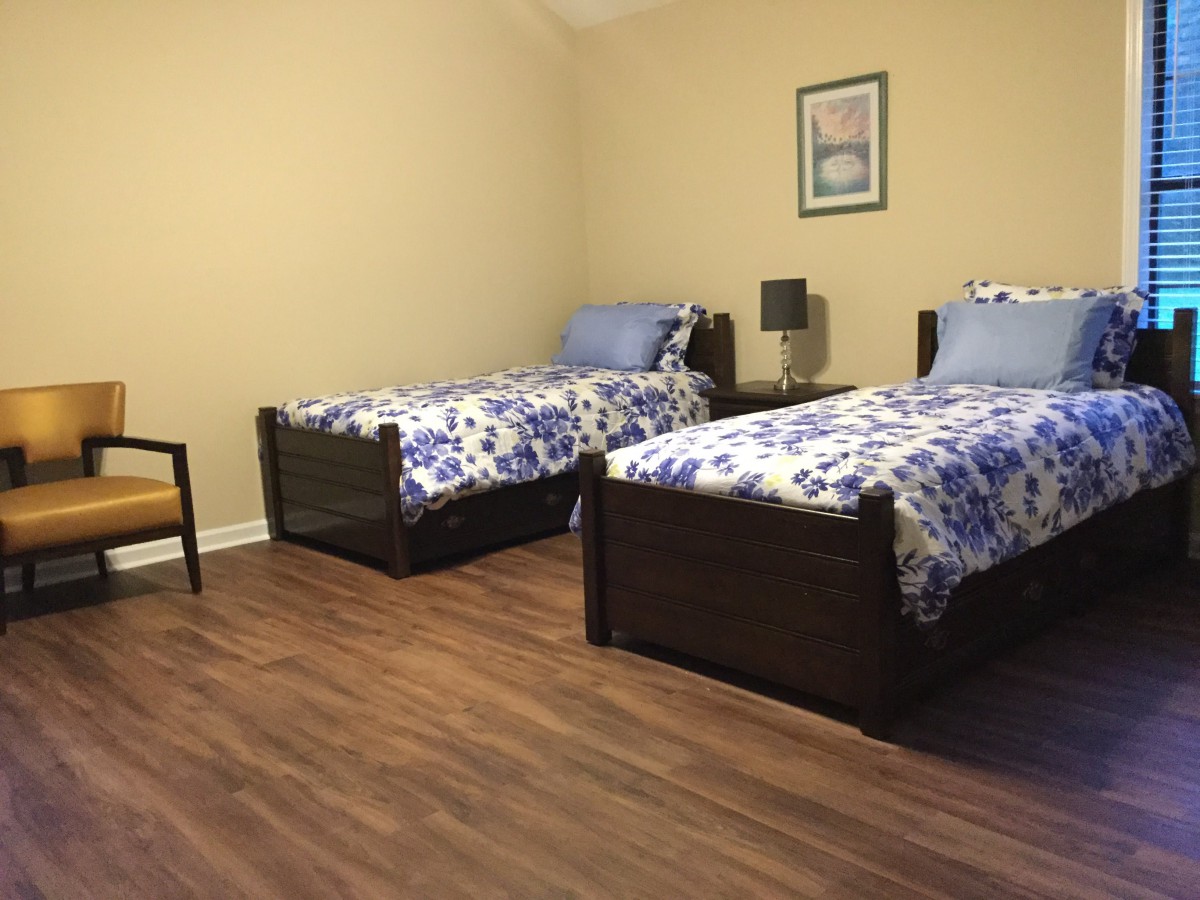
Estella House offers competitive pricing for its resident accommodations, with semi-private rooms available at $2,700 per month and private rooms at $3,200. When comparing these costs to the broader market, Estella House's semi-private room rate exceeds Spalding County's average of $2,358 and Georgia's state average of $2,529. Similarly, the private room fee is higher than both the county price of $2,606 and the state average of $2,864. This positioning may reflect Estella House's commitment to superior services or amenities that enhance the living experience for its residents.
| Floor plans | Estella House | Spalding County | Georgia |
|---|---|---|---|
| Semi-Private | $2,700 | $2,358 | $2,529 |
| Private | $3,200 | $2,606 | $2,864 |
Assisted Living communities with a similar price nearby
-
from -$200 / mo

A & C Personal Care Home
$2,500 to $4,000 / month23.4 miles away -
from +$492 / mo
Arbor Terrace Peachtree City
$3,192 to $5,073 / month18.7 miles away -
from -$500 / mo

JDM Adams Personal Care Home
$2,200 to $2,600 / month1.4 miles away -
from +$450 / mo
Benton House of Covington
$3,150 to $5,370 / month24.8 miles away -
from -$530 / mo

Arbor Terrace at Cascade
$2,170 to $6,975 / month23.7 miles away
Overall Review of Estella House
Pros
 He is 96 and in good health after moving to a wonderful place.
- He moved two weeks ago and thinks it’s heaven.
- There is not one negative thing to say about it.
- The staff are amazing and accommodating.
- The food is almost gourmet and so good it’s hard to describe.
- It feels like home to him and he is very content.
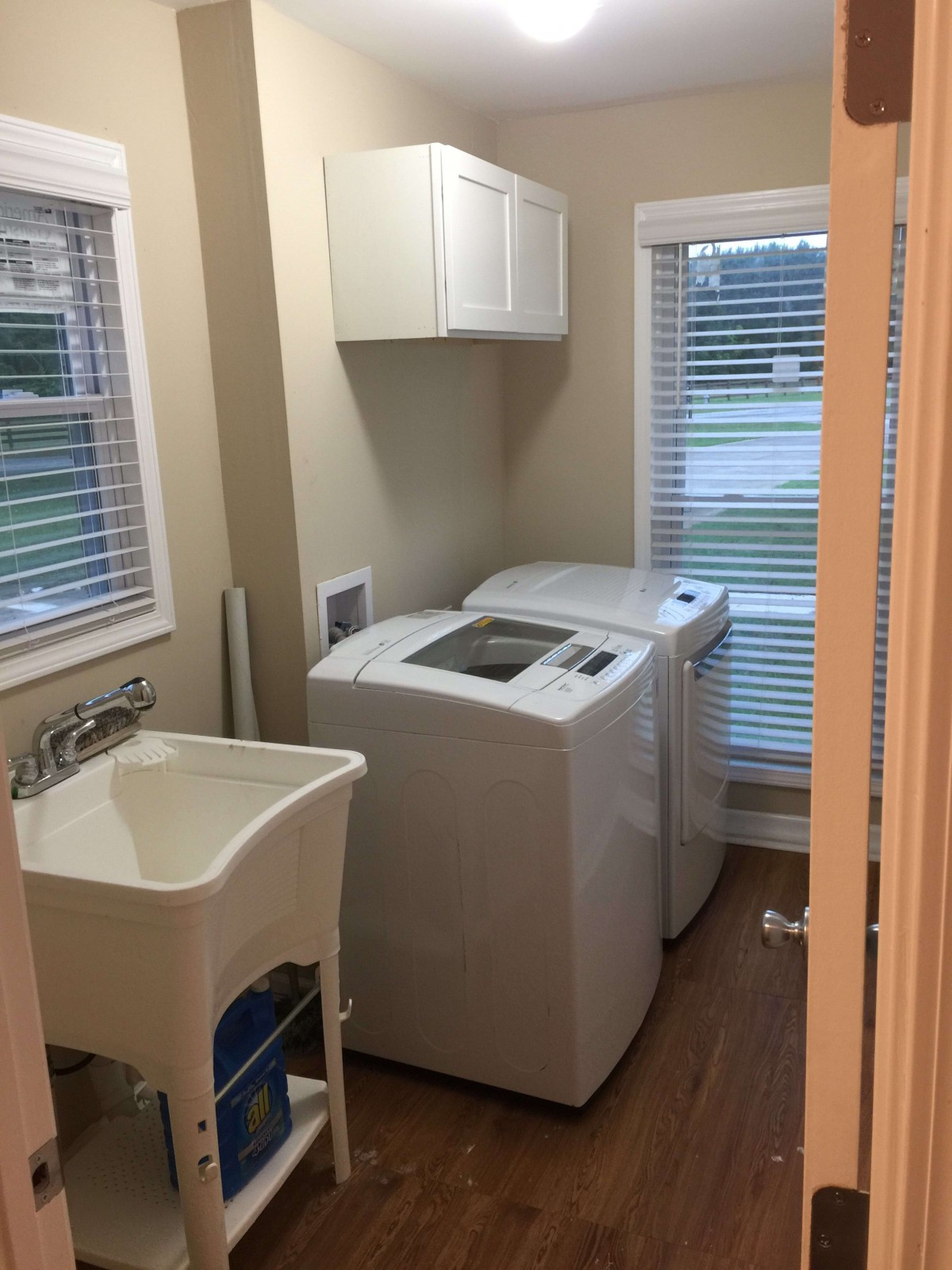
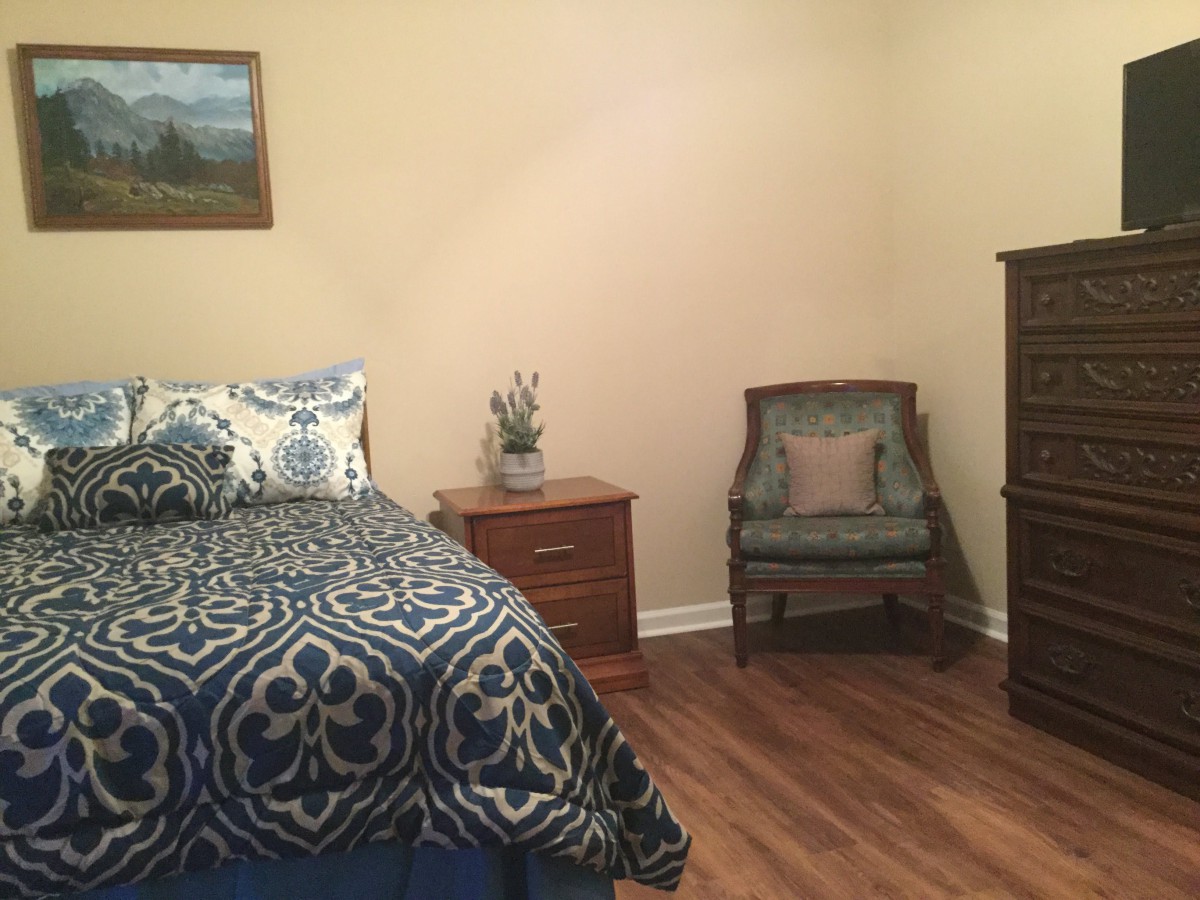
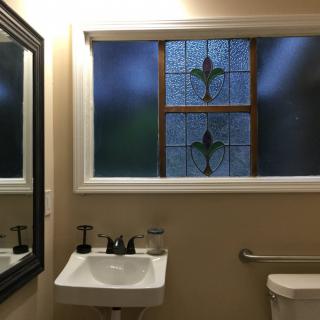
- The facility is clean, newly remodeled, in a great location with calm surroundings.
- The resident seemed very happy with the services.
Cons
 The prior facility felt institutional in every aspect.
- The food there was really bad most of the time.
- His father is hard to please and can be cantankerous.
Review
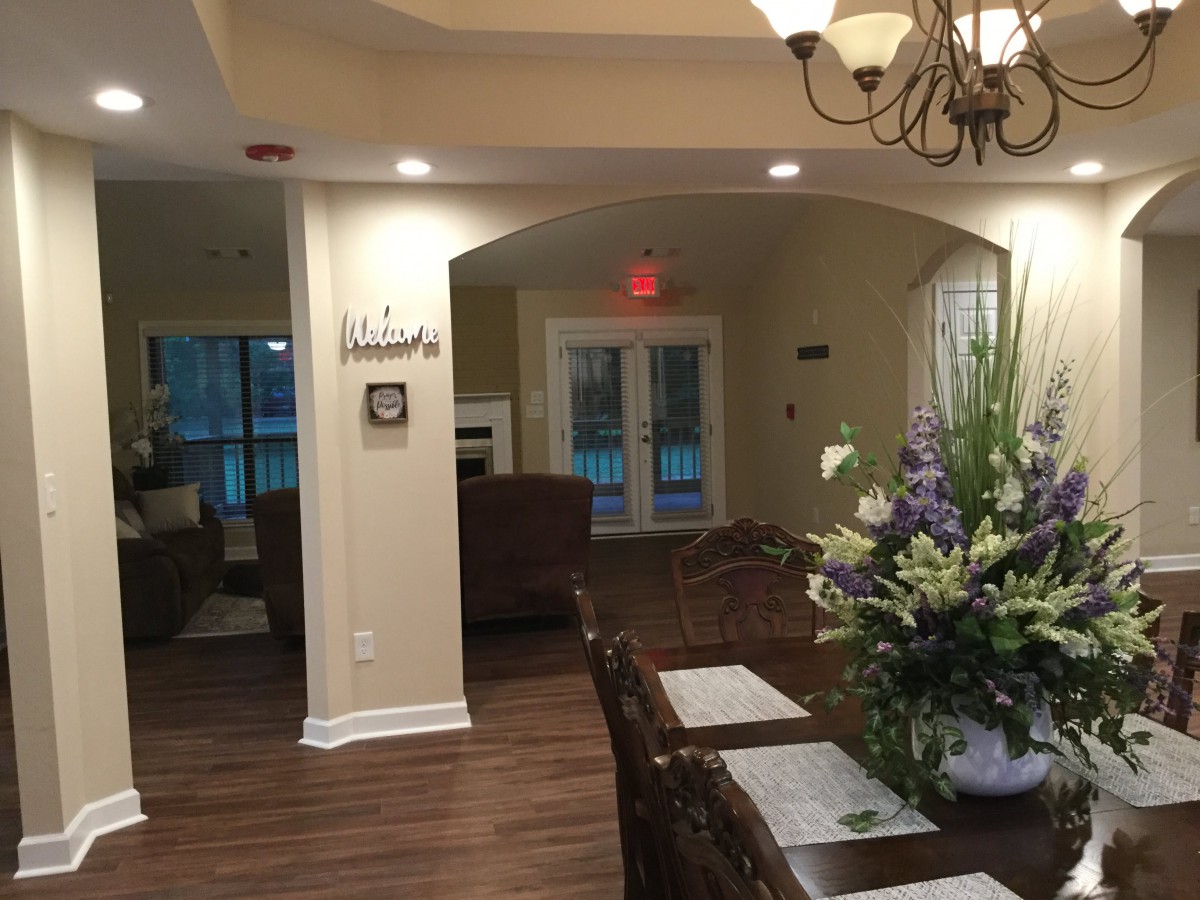
Estella House in Hampton, GA is best suited for very independent seniors who want a warm, home-like setting and a dining program that feels thoughtfully crafted. The experiences shared by multiple family members point to a place where staff attentiveness and culinary quality translate into daily happiness. One resident, a 96-year-old father, moved from a more institutional environment and quickly settled into a mood of contentment and familiarity, describing Estella House as nearly life-changing. For families seeking a small, intimate community where caregivers know residents well and meals become a real highlight, this setting stands out as the clear choice.
Those weighing options should explicitly consider alternatives if needs extend beyond what a small, person-centered home can reliably deliver. The facility is recently opened and the resident body is light, which means there is limited long-term data on how operations evolve as occupancy grows. Prospective families should inquire about nursing oversight, availability of skilled care on site, and how activities ramp up as more residents arrive. For households evaluating memory care, 24/7 clinical support, or a busier social calendar with a wider array of on-campus resources, other options that already demonstrate these capabilities may be a better fit.
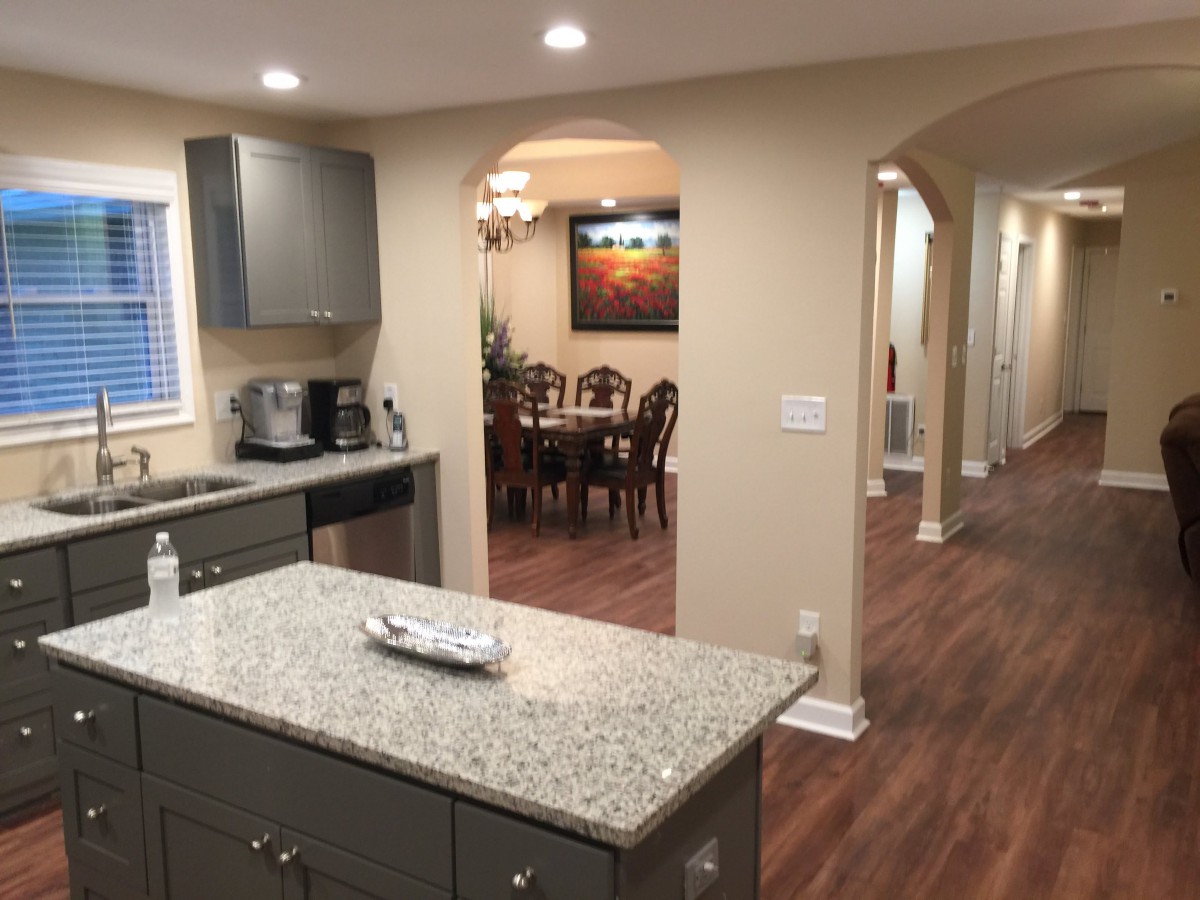
The strongest selling points are concrete and emotionally compelling. The staff consistently earns praise for warmth, responsiveness, and genuine care, and the dining program rises above typical assisted living fare, described as nearly gourmet with meals that residents look forward to daily. Cleanliness is evident, and the facility’s recent remodeling offers a fresh, calm aesthetic that reduces the clinical feel some families fear. A quiet location with a sense of refuge complements an environment where aging in place feels easier and more dignified. These advantages create rapid, tangible gains in mood and daily satisfaction that can offset the absence of a larger campus is a common concern.
Yet the weigh-in cannot ignore potential drawbacks. A small, newly established operation carries inherent uncertainty: what happens as demand grows, what are the exact staffing ratios during peak hours, and how comprehensive is medical support when emergencies arise? The available reviews do not provide a track record across seasons or a broad spectrum of resident needs, so families should verify how care plans are developed, how often they’re updated, and what contingencies exist for residents who require more intensive assistance over time. The limited resident pool can also mean fewer social opportunities at any given moment, even as the current atmosphere feels intimate and welcoming.
Still, the positives have a meaningful way of offsetting these concerns. The personalized attention that comes with a smaller community often translates into faster, more nuanced responsiveness to routine needs and preferences, an important factor for a 90-plus population accustomed to consistent, predictable care. The robust dining experience directly contributes to quality of life, which in turn supports better sleep, more engagement, and greater overall well-being. The clear cost savings observed when comparing prior living arrangements to Estella House, paired with the demonstrable happiness of a previously hard-to-please elder, serves as a strong counterweight to questions about scale or scope. If the goal is to maximize happiness, comfort, and a sense of home, these advantages are hard to overlook.
The practical takeaway is decisive. Estella House is a compelling choice for families seeking a small, intimate, well-led setting where seniors thrive on high-quality meals, attentive caregivers, and a peaceful environment that feels like home. It is less suitable for households needing robust, hospital-level medical oversight, aggressive social programming, or a large, active campus with a broad slate of on-site services. Prospective residents should plan a comprehensive visit, request a detailed care-planning process, meet the direct caregivers, review sample menus, and ask for a candid discussion about staffing levels and future expansion plans. With those checks in place, Estella House offers a practical, emotionally satisfying path to improved daily life for the right senior, one that families can feel confident about pursuing.
 4 resident community capacity
 Assisted Living
 Board and Care Home
 Activities off-site
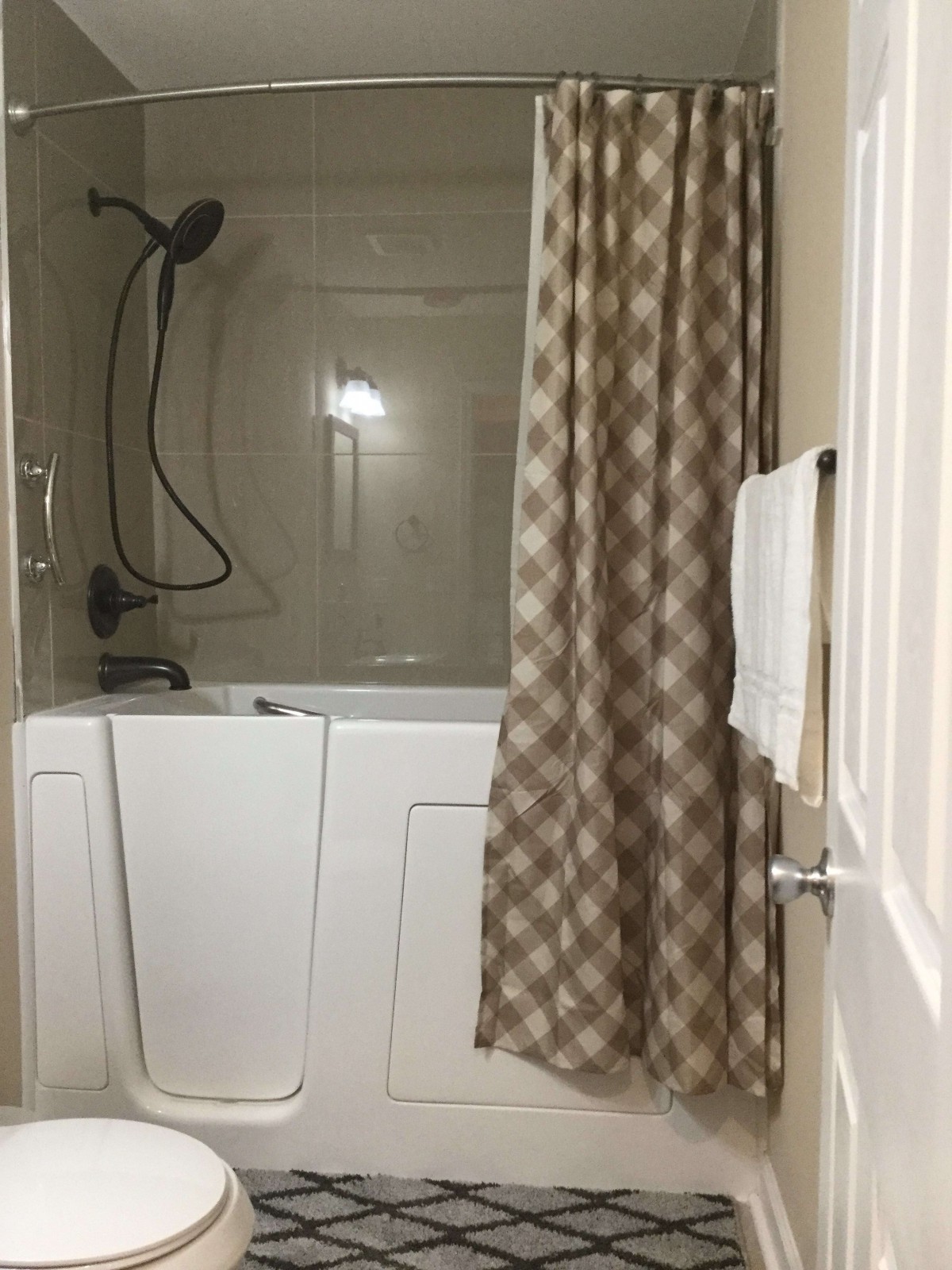
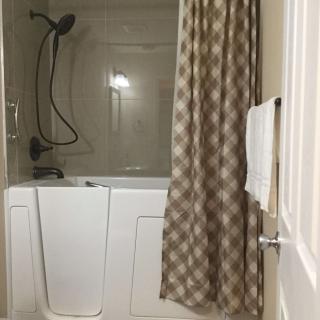
 Bath tubs
 Cable or satellite TV
 Devotional services off-site
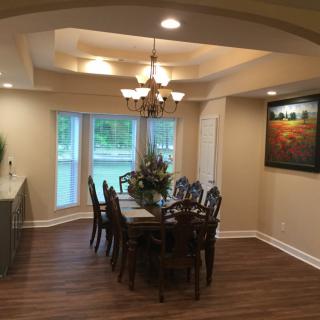
 Dining room
 Fully furnished
 Garden
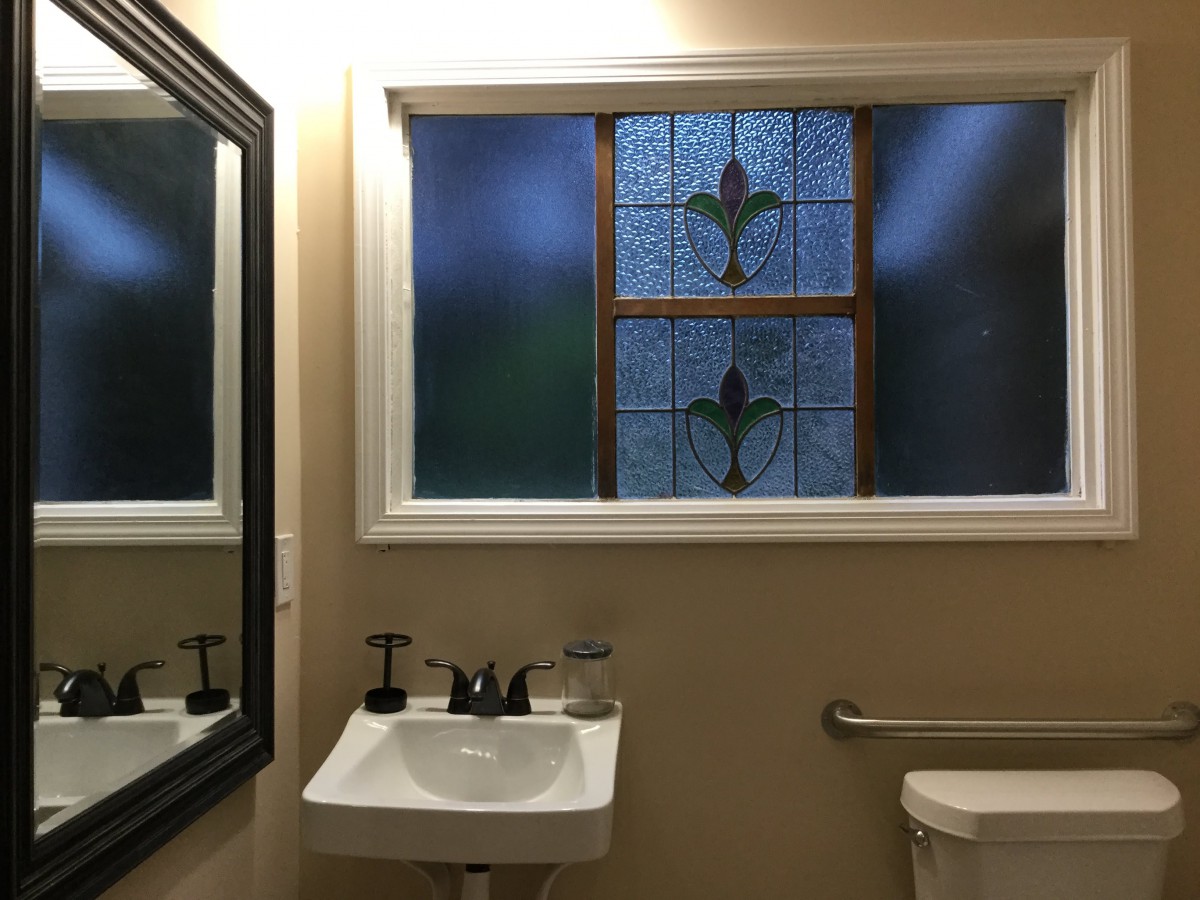
 Handicap accessible
 Housekeeping services
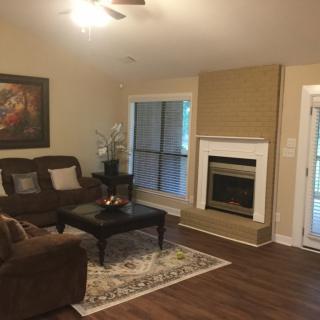
 Indoor common areas
 Move-in coordination
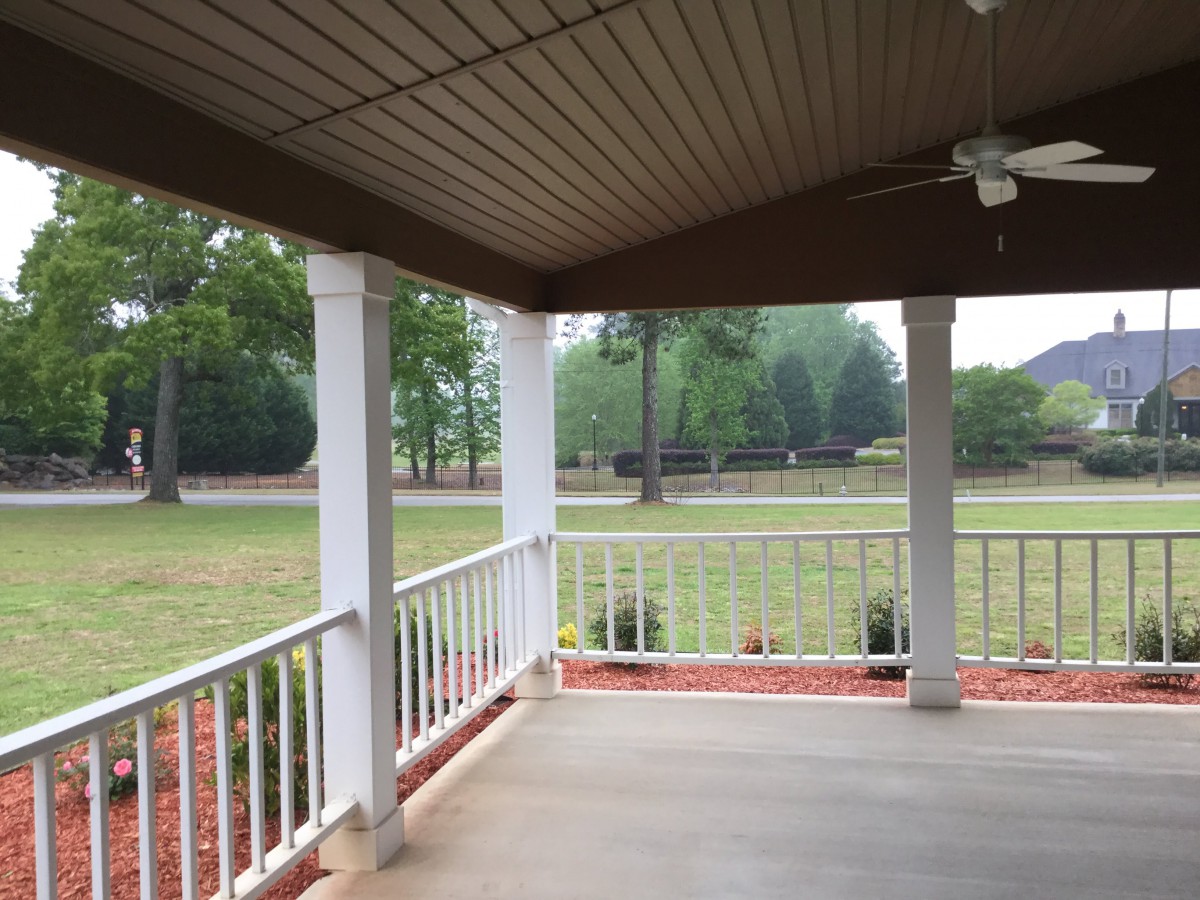
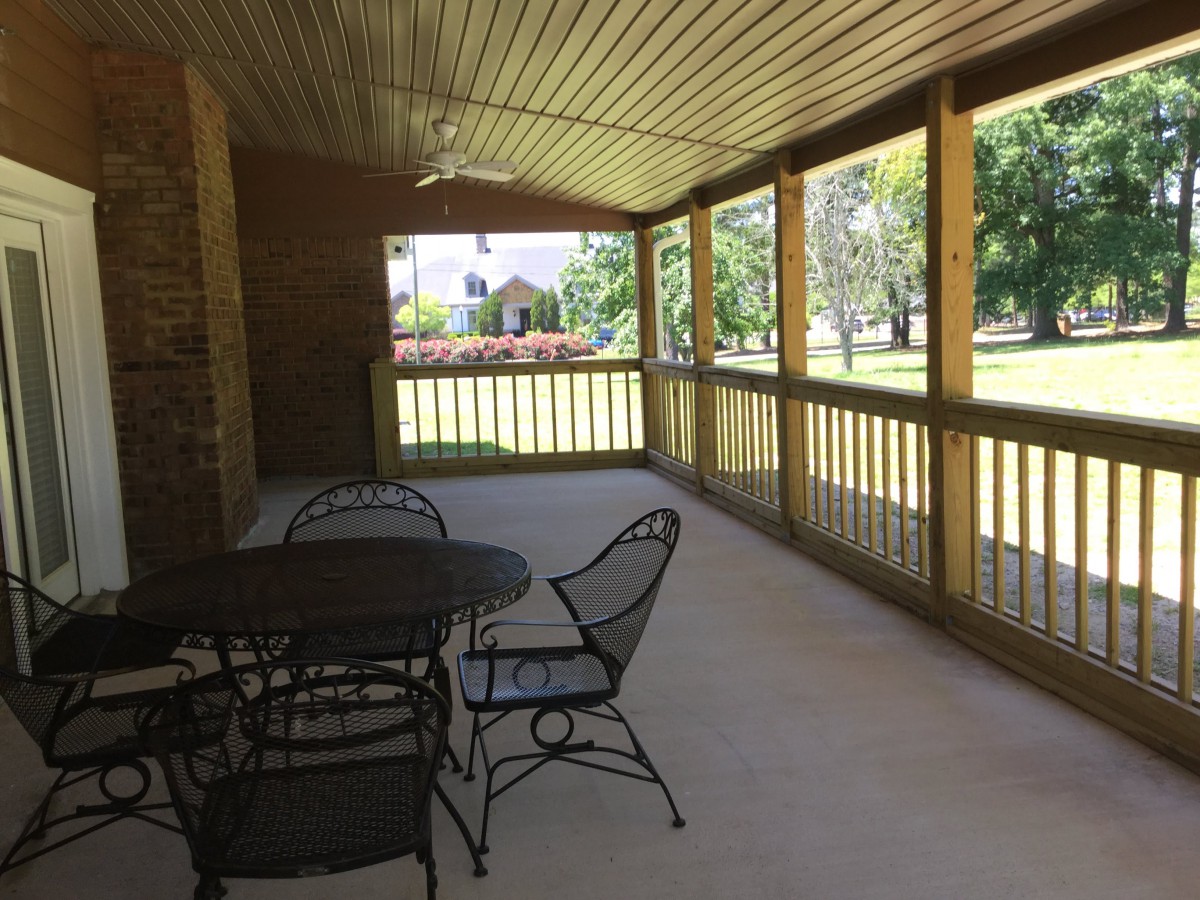
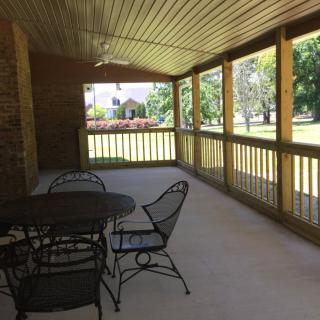
 Outdoor common areas
 Private
 Respite or short term stays offered
 Telephone
 Wi-Fi/high-speed internet available
 William B Hartsfield-Atlanta International (16 miles away)
 24-hour supervision
 Ambulatory care
 Assistance with bathing
 Assistance with dressing
 Assistance with transfers
 Diabetes diet
 Incontinence care
 Meal preparation and service
 Medication management
 Special dietary restrictions
 Transportation arrangement (medical)
 Transportation to doctors appointments
 Art classes
 BBQs or picnics
 Birthday parties
 Day trips and outings
 Stretching classes



 A Detailed Exploration of Assisted Living Medicaid Waivers Across the United States
 Comprehensive Residential Support and Assisted Living Solutions for Individuals with Disabilities
 Comprehensive Supportive Living Arrangements for Adults with Disabilities