
17 West Main Street, Hampton, GA 30228
For more information about senior living options: (866) 208-4318
Overall Review of Amazing Grace Christian Senior Services
Pros
 Amazing Grace Christian Senior Services provides unmatched love and care.
- Families feel secure leaving their loved ones in the care of the staff, confident they are well treated.
- Mrs. Farrah is one of the sweetest people, and families are grateful they found her services.
- The community experiences abundant love and care and feels blessed.
- Residents enjoy gardens and celebrate birthdays together, fostering a warm, family-like atmosphere.
- Garry, Farrah's husband, keeps the home clean and the yard well maintained, reflecting a caring environment.
Review
Amazing Grace Christian Senior Services in Hampton, Georgia, is best suited for seniors who want a warm, faith-centered, family-style living environment where caregivers treat residents like kin and daily kindness replaces formal polish. This community shines for older adults who value personal connection, home-like routines, and a sense that care extends beyond medical tasks into daily life. Families seeking a place where staff genuinely greet visitors with warmth, where residents are celebrated with birthdays and shared meals, will find the emotional security and belonging that quiets the worry that often accompanies a move. The impression is less about glossy amenities and more about being welcomed into a trusting, almost familial household that mirrors a long-standing circle of care.
Because the setting is intimate and people-centric, this is not the option for families whose priorities include robust medical oversight, a full-time skilled nursing team, or dementia-specific programming on a large campus. If 24/7 medical management, rehab services, sophisticated physical therapy, expansive activity calendars, or transportation to multiple venues is essential, alternatives with bigger staff and formal systems will be a better match. Prospective residents should assess whether on-site clinicians, medication management, and emergency protocols meet their loved one’s current needs. In short, this is a sanctuary for emotional well-being with lighter clinical scaffolding; those with advanced medical demands may outgrow the model.
From the strongest angles, the community earns its stripes in love and attentiveness. Reviewers describe care that feels unmatched, anchored by Mrs. Farrah, regarded as exceptionally caring, whose leadership helps the home run with tenderness. Residents have genuine personal space, an actual garden, private birthday celebrations, and a sense that Farrah’s family is now part of the resident’s circle. Garry, the husband, handles upkeep with diligence, ensuring the home and yard are kept in order, which reinforces the feeling of a well-loved, lived-in place. These daily affirmations, courtesy, warmth, and personalized touches, can offset a lack of formal programming by delivering emotional resilience, stability, and a reason to stay engaged.
That intimate scale also translates into practical advantages. With a tight-knit staff and a smaller resident count, attention can be highly individualized: meals, routines, and celebrations tend to be tailored to each person’s preferences. The Christian orientation adds a coherent spiritual rhythm, which often resonates with families seeking shared values and meaningful moments of prayer or reflection. The personal garden and the birthday celebrations not only nurture autonomy but create daily rituals that reinforce a sense of purpose. The drawback is that the setting may struggle to match the extensive programming or rehab-related services found at larger communities, making independence harder to sustain if health declines.
In making a decision, the key question becomes alignment of needs with the home’s strengths. If the senior’s priority is daily warmth, feeling truly known, and a place where kindness shapes every interaction, Amazing Grace offers an extraordinary fit. If the need is for advanced medical oversight, a dedicated memory-care wing, or frequent physical therapy within the home, alternatives should be explored. Prospective families should verify staffing ratios, the availability of on-site clinicians, and plans for care escalation. They should also confirm how celebrations, gardens, and spiritual activities are integrated into the regular calendar, and whether family involvement will continue to feel like part of the household as needs evolve.
In sum, this Hampton community represents an exceptional option for seniors who prize emotional safety, personal attention, and a living environment that can feel like an extended family. The strongest drawbacks are the absence of heavy clinical infrastructure and the likelihood that more intensive medical needs may require a different setting. Those for whom love, warmth, and a home atmosphere trump industrial efficiency will find the decision clear: choose this option for the quality of life it delivers, and plan a cautious, early conversation about future care contingencies. A visit to meet Mrs. Farrah, Garry, and the team, walk the rooms, and see the garden will crystallize the value, especially for families who want certainty that a loved one will not just be cared for, but truly cherished.
 8 resident community capacity
 Assisted Living
 Board and Care Home
 Cable or satellite TV
 Dining room
 Fully furnished
 Garden
 Housekeeping services
 Move-in coordination
 Outdoor space
 Telephone
 Wi-Fi/high-speed internet available
 William B Hartsfield-Atlanta International (19 miles away)
 24-hour supervision
 Activities of daily living assistance
 Assistance with bathing
 Assistance with dressing
 Assistance with transfers
 Diabetes diet
 Meal preparation and service
 Medication management
 Special dietary restrictions
 Transportation arrangement (medical)
 Transportation to doctors appointments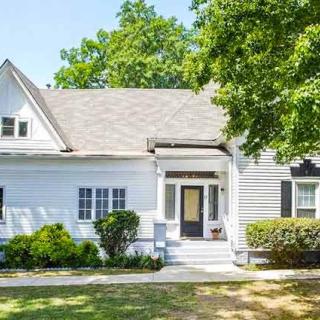






 Comprehensive Insights into Activities of Daily Living (ADLs) and Their Assessment
 Medicare Coverage for Assisted Living: An In-Depth Exploration
 Choosing the Right Senior Care: A Detailed Exploration of Assisted Living and Nursing Homes