The Phoenix at Braselton in Flowery Branch, GA

Save
The Phoenix at Braselton

The Phoenix at Braselton in Flowery Branch, GA

Information last verified:

1949 Friendship Road, Flowery Branch, GA 30542

For more information about senior living options: (844) 490-3973

4.5 from 71 reviews
5 stars
59
4 stars
4
3 stars
0
2 stars
1
1 stars
7

Seniors.FYI Elite Community Awards

Top 5% Senior Living Community in 2021Top 5% Senior Living Community in 2023Top 5% Senior Living Community in 2025Top 5% Senior Living Community in 2026

Add this award to your website

Overall Review of The Phoenix at Braselton

Pros

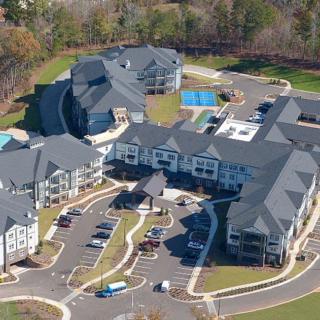
  • pro The Phoenix at Braselton is described as beautiful and like a small city with all the needed amenities.
  • pro The staff are friendly, attentive, and genuinely care for residents, greeting them by name.
  • pro Residents stay active and engaged thanks to a robust calendar of daily activities.
  • pro The dining experience is tasty, with attentive wait staff and enjoyable meals.
  • pro The facility feels warm, safe, and like home for both residents and their families.
  • pro The atmosphere is clean, bright, and well maintained with comfortable living spaces.
  • pro Families feel reassured by the staff’s dedication and personal attention to their loved ones.
  • pro The Phoenix at Braselton is repeatedly recommended as a top choice for senior living.

Cons

  • pro They apparently don’t need new business.
  • pro The place is garbage, they don’t care about residents and treat them like pets.
  • pro The management is horrible and unhelpful.
  • pro It’s described as the worst place to bring a loved one, suggesting families should look elsewhere.
  • pro The staff are unprofessional and traumatize residents.
  • pro Nothing is private; residents’ medical history and records are treated like Pokémon cards.
  • pro Staff go into residents’ rooms without them present or consent.
  • pro There were definite staffing and dining challenges in the first couple of years.

Review

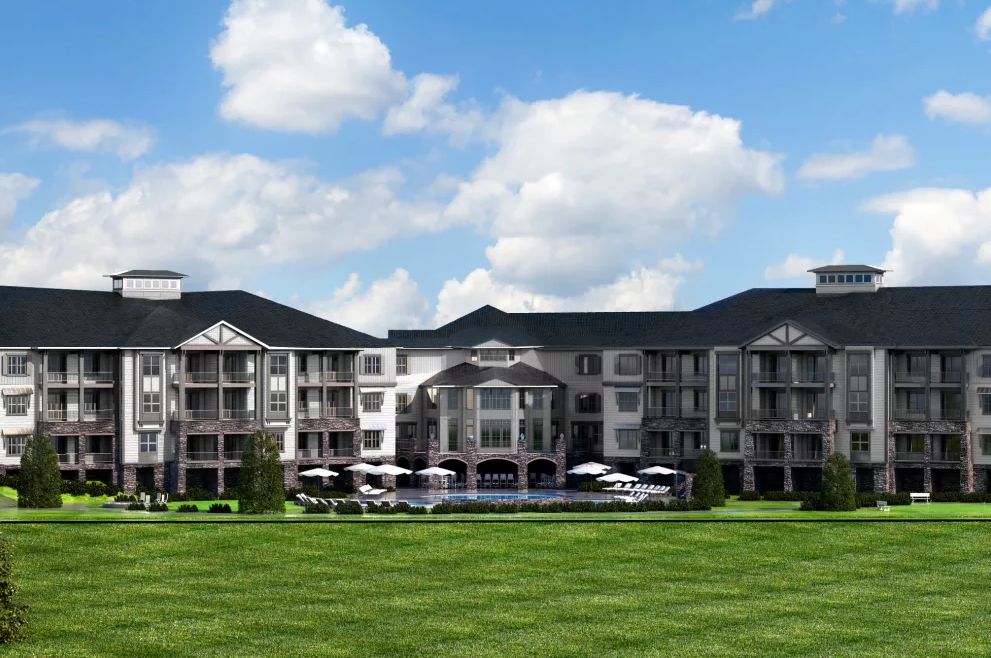
The Phoenix at Braselton is best suited for seniors who prize a vibrant, resort-style living environment where social life, amenities, and personal connection with staff take center stage. It works especially well for those moving from independent living into assisted living or memory care who want to stay on a single campus as care needs evolve. Families seeking a warm, almost familial atmosphere where staff greet residents by name, remember histories, and actively encourage participation will find the culture here restorative. The campus feel, bright, beautifully maintained, with multiple dining venues, a pub, spa-like services, shops, a pool, and extensive programming, gives peace of mind to relatives who want more than just a place to live; they want a community that actively nourishes daily purpose.

That said, alternative options deserve consideration for certain priorities. If privacy and quiet are paramount, or if a strictly low-cost solution is the primary driver, other communities may fit better. Some families place a premium on perfectly consistent front-desk responsiveness and transparent communication, and earlier reviews show notable fluctuations in marketing contact and scheduling, which can be a red flag for those navigating a move under time pressure. For those whose expectations center on a leaner operations footprint, or on very tightly supervised medical oversight with a tighter medical-to-resident ratio, it may be prudent to compare offerings at smaller facilities or other senior living brands. While the overall atmosphere is warm and expansive, it is not the right fit for every budget or every care preference.

The strongest positives here slice through: a campus that truly feels like a well-appointed small city, with amenities that support both social engagement and practical needs. Residents regularly speak highly of the dining program, noting attentive service and menus that offer real variety, with meals that feel restaurant-quality rather than institutional. The activity calendar is expansive, Bible study, fitness classes, educational and cultural outings, arts, crafts, and widely attended social events, so that engagement rarely hinges on a single person’s motivation. The staff are consistently praised for warmth, professionalism, and genuine concern; many reviews describe a culture where caregivers, med techs, physical therapists, and dining teams work in concert to sustain a sense of home. The physical plant, clean, bright, well-kept, with outdoor spaces and accessible paths, reinforces the feeling that life here can be lived at full pace.

However, the community is not without blemish, and those considering a move should weigh the practical realities embedded in the reviews. A portion of early experiences highlighted staffing and dining fluctuations, which created friction at the outset for some families. While long-term perspectives show stabilization and improvement, prospective residents will want to verify current staffing stability, confirm who their primary point of contact will be, and request transparent timelines for move-in and service initiation. A handful of reviews mention interactions with management that feel less responsive or less professional; this is not the prevailing pattern, but it signals the importance of meeting leadership during tours and asking for a clearly defined service and communication plan. Finally, a few residents reported concerns about privacy and some inconsistency in how certain concerns were addressed; these issues underscore the need for clear expectations and regular, documented follow-up.

In terms of decision-making, the overarching advisory takeaway is clear: this is a compelling option for families who value a warm, engaging community with abundant amenities and a culture of personal attention. The offset of potential cons rests in the demonstrated capacity to deliver consistent, high-quality social and physical care, paired with a living environment that feels like a resort with supportive services integrated throughout. Prospective movers should enter with a plan to scrutinize the admissions process, secure a dedicated liaison, and verify current performance on dining consistency, staff turnover, and management responsiveness. The ability to transition between independent living, assisted living, and memory care on the same campus is a major structural advantage, but only if communications and care planning keep pace.

For families evaluating this community, concrete next steps are essential. Schedule a tour with a named contact who will remain your touchpoint, and request detailed answers about current staffing levels, dining operations, and the cadence of activity programming. Ask to meet with the activities director and the head of clinical care to understand how care plans are customized and updated as needs shift. Confirm memory care options and the process for moving between levels without disruption. Review the current calendar to gauge daily rhythm and ensure it aligns with the resident’s interests. Finally, compare the entrance fees, ongoing monthly costs, and any unique offerings (such as the on-site pub, multiple dining venues, or in-house therapies) against nearby alternatives to ensure the chosen community delivers sustained value over the long arc of aging in place. This is a place where most families find undeniable strength, provided due diligence is complete and expectations are aligned with reality.

Features

Housing

  • 200 resident community capacity 200 resident community capacity

Types of Care

  • Assisted Living Assisted LivingAssisted living facilities provide crucial support and care for seniors who may need help with daily tasks such as medication management, bathing, and meal preparation. These communities offer a safe and comfortable environment where seniors can maintain their independence while receiving the assistance they need to thrive in their golden years.
  • Independent Living Independent LivingIndependent living communities are important for seniors because they offer a safe and supportive environment where older adults can live independently while still having access to amenities and services that enhance their quality of life. These communities provide social opportunities, recreational activities, and assistance with daily tasks, promoting overall well-being and allowing seniors to maintain their independence for as long as possible.
  • Memory Care Memory CareMemory care is crucial for seniors as it provides specialized support and services for individuals with dementia or Alzheimer's disease. These programs offer a safe and secure environment where residents receive personalized care, cognitive stimulation, and help with daily activities. Memory care helps seniors maintain their independence, quality of life, and dignity while also providing peace of mind for their families.

Amenities

  • Air-conditioning Air-conditioningAir conditioning is important for seniors as they are more vulnerable to heat-related illnesses and may have underlying health conditions that make it difficult for them to regulate their body temperature. It helps to keep them comfortable, safe, and healthy in hot weather.
  • Beauty salon Beauty salonBeauty salons are important for seniors because they provide a space for them to feel pampered, socialize, and maintain their personal grooming and hygiene. Regular visits to a beauty salon can help boost seniors' self-esteem and overall well-being.
  • Cable or satellite TV Cable or satellite TVCable or satellite TV is important for seniors because it provides entertainment, news, and companionship, helping to combat loneliness and boredom. It also offers a wide range of programming options tailored to different interests and preferences.
  • Computer center Computer centerA computer center is essential for seniors as it provides access to technology, communication tools, and resources that can enhance their daily lives. It allows them to stay connected with loved ones, engage in online activities, and learn new skills, ultimately promoting socialization and mental stimulation.
  • Dining room Dining roomDining rooms are important for seniors as they provide a space for socialization, connection, and nutritious meals. They offer opportunities for residents to bond over shared meals, foster a sense of community, and promote healthy eating habits. Dining rooms also ensure that seniors have access to well-balanced meals tailored to their dietary needs and preferences.
  • Fitness room Fitness roomHaving a fitness room in a senior living community is essential for seniors to stay active, maintain their physical health, and improve their overall well-being. Regular exercise can help prevent falls, reduce the risk of chronic diseases, and promote mental sharpness. It also provides social opportunities for residents to connect with others and enjoy a sense of community.
  • Fully furnished Fully furnishedFully furnished senior living communities are important for seniors because they provide convenience, comfort, and a hassle-free moving experience. Seniors can easily settle into their new living space without the stress of having to buy and move furniture. This allows them to focus on enjoying their new home and community.
  • Gaming room Gaming roomGaming rooms are important for seniors as they provide a fun and engaging environment for socializing, cognitive stimulation, and physical activity. Games can improve memory, problem-solving skills, and overall mental well-being while fostering friendships and reducing feelings of isolation.
  • Garden GardenGardens are important for seniors as they provide a peaceful and therapeutic environment for relaxation, physical activity, and socialization. Being in nature has been shown to reduce stress, improve mood, and promote overall well-being. Gardens also offer opportunities for seniors to engage in gardening activities, which can improve mobility, flexibility, and cognitive function. Additionally, gardens create a sense of community and connection with others who share a passion for plants and outdoor spaces.
  • Housekeeping services Housekeeping servicesHousekeeping services are important for seniors because they help maintain a clean and safe living environment, promote independence, and reduce the risk of accidents or illnesses. Additionally, having assistance with household chores can alleviate physical strain and allow seniors to focus on other aspects of their well-being.
  • Kitchenette KitchenetteKitchenettes are important for seniors living in senior living communities because they provide the convenience and independence of being able to prepare simple meals and snacks in the comfort of their own living space. This can help promote a sense of autonomy and well-being for seniors, allowing them to maintain some level of control over their dietary choices and daily routines.
  • Move-in coordination Move-in coordinationMove-in coordination is important for seniors because it helps ease the transition into their new living environment. It ensures that all logistics, such as packing, organizing movers, and setting up utilities are taken care of, allowing seniors to focus on settling in and adjusting to their new home. Having a smooth move-in process can alleviate stress and anxiety, making the transition smoother and more enjoyable for seniors.
  • Outdoor space Outdoor spaceOutdoor spaces are important for seniors as they provide opportunities for physical activity, social interaction, exposure to natural light and fresh air, and a sense of connection to nature. Having access to outdoor spaces can improve overall well-being and quality of life for older adults living in senior communities.
  • Private bathrooms Private bathroomsPrivate bathrooms are important for seniors in senior living communities because they provide independence, dignity, and comfort. Having a private bathroom allows seniors to maintain their personal hygiene routines without the need for assistance, promoting a sense of autonomy and privacy. Additionally, private bathrooms help prevent the spread of infections and provide a safe and clean environment for seniors to navigate safely.
  • Restaurant-style dining Restaurant-style diningRestaurant-style dining is important for seniors because it allows them to enjoy delicious, nutritious meals in a social and upscale setting. This enhances their dining experience, promotes healthy eating habits, and fosters socialization with fellow residents, ultimately contributing to their overall well-being and quality of life.
  • Small library Small librarySmall libraries are important for seniors as they provide access to a variety of reading materials, including books, newspapers, and magazines. This can help stimulate their minds, keep them engaged, and provide a sense of community through book clubs and other social activities. Additionally, reading has been shown to improve cognitive function and overall mental well-being in older adults.
  • Telephone TelephoneTelephones are important for seniors as they provide a lifeline for communication with loved ones, emergency services, and healthcare providers. They offer a sense of security and independence, enabling seniors to stay connected and access assistance when needed.
  • Wellness center Wellness centerWellness centers are important for seniors because they offer a variety of programs and services that promote physical, mental, and emotional well-being. These centers provide opportunities for exercise, socialization, education, and relaxation, helping seniors maintain their overall health and quality of life.
  • Wi-Fi/high-speed internet available Wi-Fi/high-speed internet availableWi-Fi/high-speed internet is important for seniors to stay connected with loved ones, access online resources, and participate in virtual activities to combat feelings of loneliness and isolation. It also allows them to easily manage healthcare needs, access entertainment, and engage in lifelong learning opportunities.

Transportation

  • Community operated transportation Community operated transportationCommunity operated transportation is crucial for seniors as it provides them with the means to access essential services, social activities, and medical appointments. It allows seniors to maintain their independence and quality of life by ensuring they can participate in activities outside of their homes. Additionally, community-operated transportation services offer a safe and reliable way for seniors to travel without having to rely on family or friends for assistance.
  • Transportation arrangement Transportation arrangementTransportation arrangements are crucial for seniors as they may face challenges with driving, mobility, or access to public transportation. Having reliable transportation services ensures that seniors can easily attend appointments, social activities, and maintain their independence and quality of life.
  • Transportation arrangement (non-medical) Transportation arrangement (non-medical)Transportation arrangements are essential for seniors as they provide access to essential services, activities, and social interactions outside the home. This service helps maintain independence, mobility, and overall well-being for seniors who may have limited transportation options.
  • Transportation to doctors appointments Transportation to doctors appointmentsTransportation to doctors appointments is crucial for seniors as it ensures they have access to necessary medical care and support, promoting their health and well-being. It allows them to receive timely treatment, monitor existing conditions, and address any new health concerns efficiently. Additionally, transportation services can help seniors maintain their independence and quality of life by enabling them to stay connected with their healthcare providers.

Care Services

  • 12-16 hour nursing 12-16 hour nursing12-16 hour nursing care is crucial for seniors in order to ensure around-the-clock monitoring, timely medication administration, and prompt response to any health concerns or emergencies. This level of care helps to promote the overall well-being and safety of seniors living in senior living communities.
  • 24-hour call system 24-hour call system24-hour call systems are important for seniors because they provide peace of mind and immediate assistance in case of emergencies. This technology ensures that help is always available, promoting safety and security for elderly individuals living alone or in assisted living facilities.
  • 24-hour supervision 24-hour supervision24-hour supervision is important for seniors to ensure their safety, well-being, and access to immediate assistance in case of emergencies or health issues. This constant support provides peace of mind for both seniors and their loved ones, allowing them to age in place with dignity and security.
  • Activities of daily living assistance Activities of daily living assistanceActivities of daily living assistance are important for seniors because they provide essential support with tasks such as eating, bathing, dressing, and mobility. This assistance helps seniors maintain their independence, dignity, and overall quality of life as they age.
  • Assistance with bathing Assistance with bathingAssistance with bathing is crucial for seniors as it helps maintain personal hygiene, prevents infections, and ensures their overall well-being and comfort. It also provides a sense of dignity and independence for seniors who may struggle with this task on their own.
  • Assistance with dressing Assistance with dressingAssistance with dressing is important for seniors because it helps maintain their independence, promotes personal hygiene, prevents accidents and injuries, and improves overall quality of life. This service ensures that seniors can continue to dress comfortably and confidently, despite any physical limitations they may have.
  • Assistance with transfers Assistance with transfersAssistance with transfers is crucial for seniors as it helps prevent falls and injuries, maintains their independence, and ensures they can safely navigate their living environment. It also provides peace of mind for both seniors and their loved ones.
  • Diabetes diet Diabetes dietA diabetes diet is crucial for seniors as it helps manage blood sugar levels, reduce risks of complications, and improve overall health and well-being. By following a balanced and nutritious diet tailored to their specific needs, seniors can better control their diabetes and enhance their quality of life.
  • Meal preparation and service Meal preparation and serviceMeal preparation and service are crucial for seniors as they may have limited mobility or energy to cook nutritious meals. Having access to healthy and convenient food options can ensure they are getting the proper nutrition needed to maintain their overall health and well-being.
  • Medication management Medication managementMedication management is crucial for seniors to ensure they are taking the right medications at the correct dosages and times. This helps prevent adverse drug interactions, reduces the risk of medication errors, and promotes overall health and well-being. Proactive management also allows for adjustments as needed based on changing health conditions or new prescriptions.
  • Mental wellness program Mental wellness programMental wellness programs are essential for seniors as they promote cognitive stimulation, emotional support, and social engagement. These programs help prevent isolation, depression, and cognitive decline, ultimately enhancing the overall quality of life for older adults.
  • Mild cognitive impairment Mild cognitive impairment"Mild cognitive impairment" is important for seniors because it is an early stage of cognitive decline that can potentially progress to more severe conditions such as dementia. Recognizing and addressing mild cognitive impairment can help seniors receive appropriate care and support to maintain their quality of life and independence for as long as possible.
  • Special dietary restrictions Special dietary restrictionsSpecial dietary restrictions are important for seniors because age-related changes in metabolism and health conditions can make it difficult for their bodies to process certain foods. By following a diet tailored to their specific needs, seniors can maintain their overall health and well-being, manage chronic conditions, and reduce the risk of complications such as malnutrition or food interactions with medications.
  • Specialized memory care programming Specialized memory care programmingSpecialized memory care programming is crucial for seniors with cognitive impairments such as dementia or Alzheimer's disease. These programs provide a safe and supportive environment tailored to the unique needs of individuals with memory loss, helping them maintain their independence, dignity, and quality of life.

Dining

  • Diabetes diet Diabetes dietA diabetes diet is crucial for seniors as it helps manage blood sugar levels, reduce risks of complications, and improve overall health and well-being. By following a balanced and nutritious diet tailored to their specific needs, seniors can better control their diabetes and enhance their quality of life.
  • Special dietary restrictions Special dietary restrictionsSpecial dietary restrictions are important for seniors because age-related changes in metabolism and health conditions can make it difficult for their bodies to process certain foods. By following a diet tailored to their specific needs, seniors can maintain their overall health and well-being, manage chronic conditions, and reduce the risk of complications such as malnutrition or food interactions with medications.

Activities

  • Community-sponsored activities Community-sponsored activitiesCommunity-sponsored activities are important for seniors as they provide opportunities for social interaction, mental stimulation, and physical activity. These activities can help improve overall well-being, combat loneliness and isolation, and promote a sense of belonging and purpose among older adults.
  • Concierge services Concierge servicesConcierge services are essential for seniors as they provide assistance with daily tasks and errands, enhance their quality of life by offering convenience and personalized care, and promote a sense of safety and security.
  • Fitness programs Fitness programsFitness programs are crucial for seniors as they help improve strength, flexibility, balance, and overall well-being. Staying active can reduce the risk of chronic diseases, improve mental health, and enhance quality of life in older adults.
  • Planned day trips Planned day tripsPlanned day trips are important for seniors because they offer opportunities for socialization, mental stimulation, and physical activity. They provide a change of scenery and help seniors stay engaged and connected to their community, promoting overall well-being and quality of life.
  • Resident-run activities Resident-run activitiesResident-run activities are important for seniors as they encourage social interaction, creativity, and a sense of autonomy. These activities empower seniors to stay engaged and active in their community while fostering meaningful connections with their peers.
  • Scheduled daily activities Scheduled daily activitiesScheduled daily activities are important for seniors because they provide structure, socialization, mental stimulation, and physical activity. Engaging in regular activities can improve overall well-being and quality of life for seniors living in a community setting.

Description

The Phoenix at Braselton in Flowery Branch, GA is an assisted living community that offers a range of care services to support residents' independence and well-being. With both independent living and memory care options available, individuals can choose the level of assistance that best suits their needs.

The community boasts a variety of amenities to enhance residents' quality of life. A beauty salon is available for residents to maintain their personal grooming, while cable or satellite TV ensures entertainment options are readily accessible. Community-operated transportation makes it easy for residents to run errands or attend appointments, and a computer center allows them to stay connected with loved ones. The dining room offers restaurant-style dining with special dietary restrictions accommodated, and housekeeping services keep living spaces clean and comfortable.

For those looking to stay active and engaged, The Phoenix at Braselton provides a fitness room for exercise routines tailored to individual needs. A gaming room and small library offer opportunities for leisurely activities, while outdoor spaces such as the garden provide areas for relaxation and enjoyment. Additionally, resident-run activities encourage social interaction within the community.

Care services are available round-the-clock at The Phoenix at Braselton. A 24-hour call system ensures prompt assistance in case of emergencies, while around-the-clock supervision provides peace of mind for both residents and their families. Trained staff members offer assistance with daily activities such as bathing, dressing, and transfers as needed. Medication management ensures that medications are taken properly, while specialized memory care programming caters specifically to those with cognitive impairments.

The community's prime location offers convenience and accessibility to various amenities nearby. Two parks provide opportunities for outdoor recreation, while four pharmacies ensure medication needs are easily met. Twelve physicians in the vicinity ensure convenient access to healthcare services, while 14 restaurants offer diverse dining options. Places of worship nearby cater to spiritual needs, and nearby theaters provide entertainment options for residents seeking cultural experiences. Lastly, the proximity of a hospital ensures that medical assistance is readily available if needed.

At The Phoenix at Braselton, residents will find a welcoming and supportive community where their individual needs are prioritized. With a range of amenities and care services, residents can enjoy an active and fulfilling lifestyle in a safe and comfortable environment.

Nearby Places of Interest

Physicians

  • Aspire Pediatric Therapy of Georgia (0.1 miles)
  • River Place Medical Plaza (1.7 miles)
  • Northeast Georgia Physicians Group Allergy And Asthma (1.8 miles)
  • The Heart Center Of Northeast Georgia Medical Center (2 miles)
  • Northeast Georgia Medical Center Braselton (2 miles)
  • Northeast Georgia Physicians Group Orthopedic Surgery And Sports Medicine (2 miles)
  • Linberg, Christopher Longstreet Clinic Orthopedics Braselton (2.4 miles)

Pharmacies

  • CVS Pharmacy (0.2 miles)
  • Kroger Pharmacy (0.4 miles)
  • Braselton Pharmacy (2.6 miles)
  • CVS Pharmacy (3.4 miles)
  • Walgreens (5.1 miles)
  • Walgreens (5.4 miles)
  • CVS Pharmacy (5.6 miles)

Restaurants

  • Papa Jack's Country Kitchen (0.3 miles)
  • Taco Bell (0.4 miles)
  • Jersey Mike's (2.6 miles)
  • Culver's (2.6 miles)
  • Chick-Fil-A (2.6 miles)
  • Chick-Fil-A (3.4 miles)
  • Chili's Grill & Bar (3.5 miles)

Hospitals

  • Specialty Orthopaedics (2.5 miles)

Places of Worship

  • Prince of Peace Catholic Church (3.4 miles)
  • Hmong New Hope Alliance Church (5.1 miles)

Theaters

  • Regal Hamilton Mill (3.5 miles)

Parks

  • Little Mulberry Park (4 miles)
  • Playground (4.3 miles)
  • West Jackson Park (6 miles)
  • Rabbit Hill Park (8.3 miles)

Cafes

  • Starbucks (5.4 miles)
  • Kung Fu Tea (7.1 miles)
  • Starbucks (7.8 miles)
  • Starbucks (7.9 miles)
  • Starbucks (8.1 miles)
  • Starbucks (8.2 miles)

Frequently Asked Questions

Where is The Phoenix at Braselton?
Does The Phoenix at Braselton provide care for residents with dementia or Alzheimer's disease?

Nearby Communities

  • Phoenix At Braselton

    Phoenix At Braselton

    Hoschton, GA

    4.5 from 88 reviews
    $3,300 to $4,850 / month

    pro Clean, resort-like facility with a wide range of activities and friendly staff; convenient proximity to medical care and services.



  • Oaks at Braselton

    Oaks at Braselton

    Hoschton, GA

    4.7 from 67 reviews
    $4,200 to $6,700 / month

    pro Warm, compassionate staff and a clean, welcoming community with engaging activities.

  • Del Webb Chateau Elan

    Del Webb Chateau Elan

    Braselton, GA

    4.6 from 68 reviews
     

    pro Comprehensive care with meals and medication management, plus Wi-Fi and nearby pharmacies and physicians.

  • Village at Deaton Creek

    Village at Deaton Creek

    Hoschton, GA

    4.4 from 32 reviews
     

    pro Comprehensive care services and tailored dining options.

  • Slice Of Life

    Slice Of Life

    Buford, GA

     
    $2,500 to $3,000 / month

    pro Affordable semi-private ($2,500) and private ($3,000) options with comprehensive care in a home-like setting.

  • Amber Cove

    Amber Cove

    Flowery Branch, GA


    pro Fully furnished assisted living with comprehensive care and engaging activities.

  • Hamilton Mill Personal Care Home

    Hamilton Mill Personal Care Home

    Buford, GA

    4.8 from 36 reviews
    $3,000 to $4,000 / month

    pro Personalized, family-like care with an attentive owner in a clean, welcoming environment.

  • Home Care Matters - Flowery Branch,  GA

    Home Care Matters - Flowery Branch, GA

    Flowery Branch, GA

    4.7 from 37 reviews
     

    pro Loving, attentive staff delivering exceptional, personalized care.

  • Watermark Senior Living

    Watermark Senior Living

    Flowery Branch, GA

    5 from 16 reviews
    $3,500 / month

    pro Private studio/1-bedroom options with private baths, comprehensive care, and on-site amenities.

Related Resources

  • assisted living vs memory careUnderstanding the Distinctions: Assisted Living and Memory Care Explained

    The article differentiates between assisted living and memory care, explaining that assisted living supports seniors with daily activities while promoting independence, whereas memory care provides specialized services for individuals with dementia, focusing on secure environments and cognitive support. It also addresses staff training, safety considerations, costs, family involvement, and transition strategies for families navigating these care options.

  • how to talk to someone with dementiaHow to Communicate with a Loved One Living with Dementia: 10 Supportive Strategies
    The article outlines effective communication strategies for interacting with loved ones with dementia, highlighting the need for empathy, patience, and understanding while emphasizing supportive approaches like using simple language, minimizing distractions, and focusing on feelings over facts to maintain dignity and foster connection. It also suggests seeking professional guidance when needed as communication challenges evolve.

  • va nursing homeComprehensive Guide to VA Nursing Homes: A Crucial Long-Term Care Resource for Veterans

    VA nursing homes, or Community Living Centers (CLCs), offer tailored long-term care for veterans, featuring medical attention and rehabilitation in a supportive environment. The guide covers facility types, eligibility criteria, financial assistance options, quality of care standards, and alternatives to full-time nursing home placement.