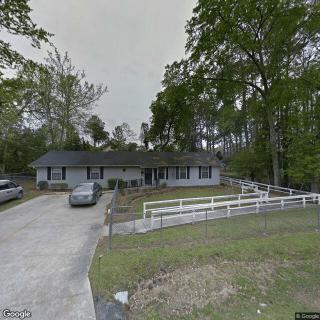
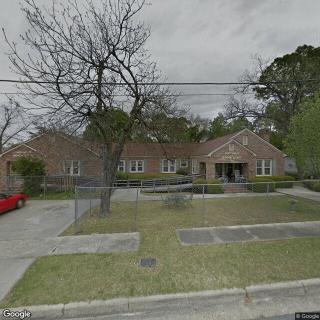
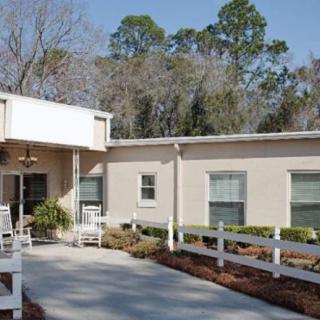
Ward Manor Personal Care Home in Douglas, GA

Information last verified:

917 East Ward Street, Douglas, GA 31533

For more information about senior living options: (844) 490-3973

3 from 1 review

Overall Review of Ward Manor Personal Care Home

Pros

  • pro They are particular about the care and cleanliness of their residents and facilities.
  • pro They prioritize high standards of care for residents.
  • pro They keep the facilities clean and well-maintained for everyone.

Cons

  • pro They complain that, despite emphasis on care and cleanliness, residents’ belongings repeatedly disappear.
  • pro Belongings such as shirts, shoes, jewelry, and purses vanish during visits.
  • pro A walker that came into the home with the resident also went missing.
  • pro The family states they will not purchase anything for their relative moving forward.
  • pro They characterize the situation as tasteless and displeasing.

Review

Ward Manor Personal Care Home in Douglas, GA is best suited for families seeking a small, home-like setting where cleanliness and attentive daily caregiving are the central promises. This facility prioritizes meticulous care and tidy surroundings, which translates into predictably clean common areas, orderly rooms, and routines that emphasize personal attention. The environment will appeal to seniors who want a non-clinical atmosphere, with caregivers who appear to take pride in daily standards of hygiene and resident well‑being. For residents who thrive on consistent routines, visible care, and a setting that feels less like a medical facility and more like a residential home, Ward Manor can deliver comfort and steadiness. That strength, however, is balanced by a significant caveat: the same emphasis on care and cleanliness does not automatically shield residents from security and personal-item concerns, which are clearly meaningful to families weighing options.

Those who should consider alternatives are those for whom safeguarding personal belongings is non-negotiable. If a family needs airtight protection for valuables, or demands transparent, consistently enforced policies around lost items, other communities with documented loss-control measures and stronger accountability will likely suit better. For residents with higher medical or rehabilitative needs, or those requiring specialized memory-care protocols, facilities that publicly emphasize advanced clinical services and security integrations may offer more predictability. Families that want robust security features, controlled access, item tracking, and clear, enshrined procedures for losses, will want to compare Ward Manor against peers known for fortress-like safeguards. In short, Ward Manor serves well for daily care in a clean, intimate setting, but it is not optimized as a fortress for valuables or a sure-fire solution for every security concern.

The strongest positive thread is unmistakable: care and cleanliness are clearly prioritized. A well-maintained, orderly environment supports residents’ dignity and reduces daily friction, which is meaningful for families seeking reliability in routine tasks and housekeeping. The intimate scale likely facilitates closer staff attention, helping to ensure that basic needs, assistance with mobility, daily activities, and companionship, are delivered with consistency. When paired with a home-like atmosphere, this kind of setup can yield a sense of stability and comfort for residents who dislike clinical impersonality. Yet these advantages do not automatically compensate for the central red flag raised by a report of missing personal items; cleanliness and attentiveness cannot fully offset the anxiety and distrust that stem from potential loss or misplacement of belongings. The key decision hinge rests on whether the comfort of a well-run, tidy home can coexist with a reliable guarantee that possessions will be safeguarded.

The core concern is not a vague complaint but a concrete risk: items disappeared in the home, including shirts, shoes, jewelry, purses, and even a walker. This paints a troubling picture of accountability and safeguards, touching on inventory controls, staff vigilance, and the efficacy of procedures to recover or compensate for losses. Even if this incident represents an isolated lapse, it underscores a fundamental vulnerability: when residents and their families cannot be confident that personal belongings will be protected, the value of the rest of the care and environment diminishes. Families evaluating Ward Manor should demand explicit, written policies on how belongings are labeled, tracked, stored, and reported if misplaced, as well as the steps for investigations and remediation. A facility’s integrity is proven as much by its response to losses as by its daily routines.

Prospective residents should adopt a practical, information-driven evaluation process. A thorough tour should probe daily rhythms, how staff assist with mobility, meals, hygiene, and social interaction, and observe staff-to-resident ratios in real-life moments. Inquire specifically about property management: what system tracks resident belongings, how losses are documented, who is responsible for restitution, and how quickly issues are escalated. Request to review a sample incident report and ask for references from current families about how safeguards perform in practice. Compare Ward Manor to other local homes that advertise stronger, verifiable security and clear audit trails. If Ward Manor remains under consideration, insist on concrete assurances, such as a trial period or enhanced visitation with documented oversight of belongings during transitions. The prudent choice blends comfort with verification, ensuring the environment can stand up to both daily needs and the critical question of item security.

In the final assessment, Ward Manor Personal Care Home offers a care-focused, clean, and orderly setting that will satisfy families prioritizing daily support and a non-clinical feel. Yet the episode of missing belongings casts a long shadow, one that can erode the trust essential to long-term placement. For families able to demand and confirm robust safeguards, clear, enforceable policies, transparent reporting, and reliable storage for valuables, the facility remains a viable, if imperfect, option for the right resident: someone who benefits from an intimate, well-managed atmosphere and whose circle of relatives can actively supervise and insist on accountability. Those who place a premium on stringent control of personal property or who require higher acuity or specialized memory-care services may find more consistent peace of mind elsewhere, where security and loss-prevention are embedded as core features. The decision hinges on weighing the visible strength of daily care and cleanliness against the real-world risk of personal-item loss, and choosing a setting that aligns with the resident’s needs and the family’s tolerance for risk.

Features

Housing

  • 6 resident community capacity 6 resident community capacity

Types of Care

  • Assisted Living Assisted LivingAssisted living facilities provide crucial support and care for seniors who may need help with daily tasks such as medication management, bathing, and meal preparation. These communities offer a safe and comfortable environment where seniors can maintain their independence while receiving the assistance they need to thrive in their golden years.

Amenities

  • Beauty salon Beauty salonBeauty salons are important for seniors because they provide a space for them to feel pampered, socialize, and maintain their personal grooming and hygiene. Regular visits to a beauty salon can help boost seniors' self-esteem and overall well-being.
  • Cable or satellite TV Cable or satellite TVCable or satellite TV is important for seniors because it provides entertainment, news, and companionship, helping to combat loneliness and boredom. It also offers a wide range of programming options tailored to different interests and preferences.
  • Dining room Dining roomDining rooms are important for seniors as they provide a space for socialization, connection, and nutritious meals. They offer opportunities for residents to bond over shared meals, foster a sense of community, and promote healthy eating habits. Dining rooms also ensure that seniors have access to well-balanced meals tailored to their dietary needs and preferences.
  • Fully furnished Fully furnishedFully furnished senior living communities are important for seniors because they provide convenience, comfort, and a hassle-free moving experience. Seniors can easily settle into their new living space without the stress of having to buy and move furniture. This allows them to focus on enjoying their new home and community.
  • Garden GardenGardens are important for seniors as they provide a peaceful and therapeutic environment for relaxation, physical activity, and socialization. Being in nature has been shown to reduce stress, improve mood, and promote overall well-being. Gardens also offer opportunities for seniors to engage in gardening activities, which can improve mobility, flexibility, and cognitive function. Additionally, gardens create a sense of community and connection with others who share a passion for plants and outdoor spaces.
  • Housekeeping services Housekeeping servicesHousekeeping services are important for seniors because they help maintain a clean and safe living environment, promote independence, and reduce the risk of accidents or illnesses. Additionally, having assistance with household chores can alleviate physical strain and allow seniors to focus on other aspects of their well-being.
  • Kitchenette KitchenetteKitchenettes are important for seniors living in senior living communities because they provide the convenience and independence of being able to prepare simple meals and snacks in the comfort of their own living space. This can help promote a sense of autonomy and well-being for seniors, allowing them to maintain some level of control over their dietary choices and daily routines.
  • Move-in coordination Move-in coordinationMove-in coordination is important for seniors because it helps ease the transition into their new living environment. It ensures that all logistics, such as packing, organizing movers, and setting up utilities are taken care of, allowing seniors to focus on settling in and adjusting to their new home. Having a smooth move-in process can alleviate stress and anxiety, making the transition smoother and more enjoyable for seniors.
  • Outdoor space Outdoor spaceOutdoor spaces are important for seniors as they provide opportunities for physical activity, social interaction, exposure to natural light and fresh air, and a sense of connection to nature. Having access to outdoor spaces can improve overall well-being and quality of life for older adults living in senior communities.
  • Restaurant-style dining Restaurant-style diningRestaurant-style dining is important for seniors because it allows them to enjoy delicious, nutritious meals in a social and upscale setting. This enhances their dining experience, promotes healthy eating habits, and fosters socialization with fellow residents, ultimately contributing to their overall well-being and quality of life.
  • Small library Small librarySmall libraries are important for seniors as they provide access to a variety of reading materials, including books, newspapers, and magazines. This can help stimulate their minds, keep them engaged, and provide a sense of community through book clubs and other social activities. Additionally, reading has been shown to improve cognitive function and overall mental well-being in older adults.
  • Telephone TelephoneTelephones are important for seniors as they provide a lifeline for communication with loved ones, emergency services, and healthcare providers. They offer a sense of security and independence, enabling seniors to stay connected and access assistance when needed.
  • Wi-Fi/high-speed internet available Wi-Fi/high-speed internet availableWi-Fi/high-speed internet is important for seniors to stay connected with loved ones, access online resources, and participate in virtual activities to combat feelings of loneliness and isolation. It also allows them to easily manage healthcare needs, access entertainment, and engage in lifelong learning opportunities.

Care Services

  • 24-hour supervision 24-hour supervision24-hour supervision is important for seniors to ensure their safety, well-being, and access to immediate assistance in case of emergencies or health issues. This constant support provides peace of mind for both seniors and their loved ones, allowing them to age in place with dignity and security.
  • Activities of daily living assistance Activities of daily living assistanceActivities of daily living assistance are important for seniors because they provide essential support with tasks such as eating, bathing, dressing, and mobility. This assistance helps seniors maintain their independence, dignity, and overall quality of life as they age.
  • Assistance with bathing Assistance with bathingAssistance with bathing is crucial for seniors as it helps maintain personal hygiene, prevents infections, and ensures their overall well-being and comfort. It also provides a sense of dignity and independence for seniors who may struggle with this task on their own.
  • Assistance with dressing Assistance with dressingAssistance with dressing is important for seniors because it helps maintain their independence, promotes personal hygiene, prevents accidents and injuries, and improves overall quality of life. This service ensures that seniors can continue to dress comfortably and confidently, despite any physical limitations they may have.
  • Assistance with transfers Assistance with transfersAssistance with transfers is crucial for seniors as it helps prevent falls and injuries, maintains their independence, and ensures they can safely navigate their living environment. It also provides peace of mind for both seniors and their loved ones.
  • Diabetes diet Diabetes dietA diabetes diet is crucial for seniors as it helps manage blood sugar levels, reduce risks of complications, and improve overall health and well-being. By following a balanced and nutritious diet tailored to their specific needs, seniors can better control their diabetes and enhance their quality of life.
  • Meal preparation and service Meal preparation and serviceMeal preparation and service are crucial for seniors as they may have limited mobility or energy to cook nutritious meals. Having access to healthy and convenient food options can ensure they are getting the proper nutrition needed to maintain their overall health and well-being.
  • Medication management Medication managementMedication management is crucial for seniors to ensure they are taking the right medications at the correct dosages and times. This helps prevent adverse drug interactions, reduces the risk of medication errors, and promotes overall health and well-being. Proactive management also allows for adjustments as needed based on changing health conditions or new prescriptions.
  • Mental wellness program Mental wellness programMental wellness programs are essential for seniors as they promote cognitive stimulation, emotional support, and social engagement. These programs help prevent isolation, depression, and cognitive decline, ultimately enhancing the overall quality of life for older adults.
  • Special dietary restrictions Special dietary restrictionsSpecial dietary restrictions are important for seniors because age-related changes in metabolism and health conditions can make it difficult for their bodies to process certain foods. By following a diet tailored to their specific needs, seniors can maintain their overall health and well-being, manage chronic conditions, and reduce the risk of complications such as malnutrition or food interactions with medications.

Dining

  • Diabetes diet Diabetes dietA diabetes diet is crucial for seniors as it helps manage blood sugar levels, reduce risks of complications, and improve overall health and well-being. By following a balanced and nutritious diet tailored to their specific needs, seniors can better control their diabetes and enhance their quality of life.
  • Special dietary restrictions Special dietary restrictionsSpecial dietary restrictions are important for seniors because age-related changes in metabolism and health conditions can make it difficult for their bodies to process certain foods. By following a diet tailored to their specific needs, seniors can maintain their overall health and well-being, manage chronic conditions, and reduce the risk of complications such as malnutrition or food interactions with medications.

Activities

  • Community-sponsored activities Community-sponsored activitiesCommunity-sponsored activities are important for seniors as they provide opportunities for social interaction, mental stimulation, and physical activity. These activities can help improve overall well-being, combat loneliness and isolation, and promote a sense of belonging and purpose among older adults.
  • Resident-run activities Resident-run activitiesResident-run activities are important for seniors as they encourage social interaction, creativity, and a sense of autonomy. These activities empower seniors to stay engaged and active in their community while fostering meaningful connections with their peers.
  • Scheduled daily activities Scheduled daily activitiesScheduled daily activities are important for seniors because they provide structure, socialization, mental stimulation, and physical activity. Engaging in regular activities can improve overall well-being and quality of life for seniors living in a community setting.

Description

Ward Manor Personal Care Home in Douglas, GA is a vibrant and welcoming assisted living community that provides a range of amenities and care services to enhance the comfort and well-being of its residents. Each spacious apartment comes fully furnished with cable or satellite TV, ensuring residents can relax and enjoy their favorite shows. The dining room offers restaurant-style dining experiences, where nutritious meals are served to cater to special dietary restrictions.

At Ward Manor, residents can enjoy various activities and socialize with fellow residents through resident-run activities and scheduled daily activities. The community also boasts a small library, providing a peaceful space for reading or quiet reflection. For those looking to stay connected, Wi-Fi/high-speed internet access is available throughout the premises, allowing residents to engage online or communicate with loved ones.

The dedicated staff at Ward Manor is committed to providing compassionate assistance where needed. They offer assistance with activities of daily living such as bathing, dressing, and transfers. Additionally, they provide specialized care such as diabetes diets and medication management for those who require it. Mental wellness programs are also available to support residents' emotional well-being.

Ward Manor is conveniently located near amenities that enrich the daily lives of its residents. With two cafes nearby, residents can easily meet friends for coffee or enjoy a leisurely meal off-site at one of the 19 restaurants nearby. For outdoor enthusiasts, there are six parks within close proximity where nature walks or picnics can be enjoyed. Access to healthcare is readily available with 16 physicians and four hospitals nearby. Transportation options are abundant with six transportation services in the area.

Overall, Ward Manor Personal Care Home offers a comfortable and caring environment where seniors can find support in their daily lives while maintaining their independence.

Nearby Places of Interest

Places of Worship

  • Family Life Christian Center (0.2 miles)
  • Smyrna Baptist Association (0.3 miles)
  • Southern Baptist Convention (0.3 miles)
  • Iglesia Centro De Restauracion (0.3 miles)
  • First Baptist Church (0.4 miles)
  • Southern Baptist Convention (0.4 miles)
  • St Andrews Episcopal Church (0.5 miles)

Parks

  • Emma Wade Park (0.5 miles)
  • Whispering Pines Park (0.5 miles)
  • General Coffee State Park (0.7 miles)
  • General Coffee State Park (0.7 miles)
  • Wade Davis Park (1.4 miles)
  • General Coffee State Park Trading Post (4.9 miles)

Theaters

  • Coffee Alliance For the Arts (0.5 miles)

Restaurants

  • Holt's Bakery (0.7 miles)
  • Bobby's Treat Shop (0.8 miles)
  • Surcheros Fresh Grill - Douglas, GA (0.8 miles)
  • Burger King (0.9 miles)
  • Firehouse Subs (1 miles)
  • Peking House (1 miles)
  • Zaxby's (1.1 miles)

Cafes

  • J & D Designs (0.7 miles)
  • Boe Coffee County (1.4 miles)

Pharmacies

  • Malcolm's Drug Store (0.7 miles)
  • Mobley's Discount Pharmacy (0.9 miles)
  • The Medicine Cabinet (0.9 miles)
  • Walgreens (0.9 miles)
  • CVS Pharmacy (1.3 miles)
  • Epic Pharmacies (1.4 miles)
  • Fulco Discount Drug Center (1.4 miles)

Transportation

  • Alamo (1.2 miles)
  • U-Haul (1.4 miles)
  • Enterprise Rent-A-Car (1.7 miles)
  • Douglas Municipal Airport (DQH) (2.5 miles)
  • U-Haul Neighborhood Dealer (2.8 miles)
  • U-Haul Neighborhood Dealer (3.1 miles)

Hospitals

  • Barber, James Southeastern Orthopaedics Surgery Center (1.3 miles)
  • CRMC Walk-In Clinic (1.4 miles)
  • Da Vita (1.4 miles)
  • Coffee Regional Medical Center (1.6 miles)

Physicians

  • Hazlehurst Family Clinic (1.3 miles)
  • Southern Gastroenterology (1.4 miles)
  • Douglas Medical & Surgical Group PC (1.4 miles)
  • Reddy Karuna Md Psychiatric & Counseling (1.4 miles)
  • Lewis Vicki CRH Family Medicine (1.4 miles)
  • Ear, Nose, & Throat Clinic of Coffee County (1.4 miles)
  • Westside Surgery Center (1.4 miles)

Frequently Asked Questions

Where is Ward Manor Personal Care Home?

Nearby Communities

  • Ward Manor - Community Living Arrangement

    Ward Manor - Community Living Arrangement

    Douglas, GA

    3 from 1 review
     

    pro Small, intimate setting with comprehensive care and meals.

  • Gaskin

    Gaskin

    Douglas, GA


    pro Comprehensive assisted-living care and amenities (24-hour supervision, ADL assistance, meals, medication management, transportation, diabetes diet, activities).

  • Park Place

    Park Place

    Douglas, GA

    4.4 from 100 reviews
     

    pro Comprehensive assisted living with 24/7 supervision, ADL support, meal services (including diabetes and special diets), housekeeping, and engaging activities in a comfortable, apartment-style setting.

  • Trayce Manor

    Trayce Manor

    Douglas, GA

    1.5 from 2 reviews
     

    pro Personalized, 24/7 supervision with ADL assistance in a homelike setting.

  • Southern Community Services Cla 1

    Southern Community Services Cla 1

    Douglas, GA

    3 from 1 review
     

    pro Intimate, personalized assisted living with furnished apartments and on-site dining.

  • Southern Senior Living

    Southern Senior Living

    Douglas, GA

    5 from 4 reviews
     

    pro High-quality care with home-cooked meals and friendly staff.

  • Hazelhurst Court Care And Rehabilitation Center

    Hazelhurst Court Care And Rehabilitation Center

    Hazlehurst, GA

    3.2 from 18 reviews
     

    pro Extensive amenities and daily living support (wellness center, dining, transportation, activities).

  • Lumber City Nursing & Rehabilitation Center

    Lumber City Nursing & Rehabilitation Center

    Lumber City, GA

    3.3 from 12 reviews
     

    pro Exceptional, caring staff in a clean, well-maintained facility.

Assisted Living in Nearby Cities

Related Resources

  • va benefits for assisted livingAssisted Living Support for Veterans: A Complete and Detailed Overview

    The guide highlights the importance of assisted living facilities for aging veterans needing daily support, discusses unique challenges they face, and outlines available financial assistance from the VA, including the Aid and Attendance program. It emphasizes understanding eligibility criteria and navigating the VA system to access necessary benefits effectively.

  • assisted living vs skilled nursingExploring the Contrasts Between Assisted Living and Skilled Nursing

    The article compares assisted living and skilled nursing facilities, detailing their differing levels of assistance, medical support, cost structures, and day-to-day experiences. It emphasizes that assisted living is for those needing help with daily activities while maintaining independence, whereas skilled nursing facilities provide intensive medical care with 24-hour staff supervision.

  • when to move from assisted living to nursing home8 Key Indicators That Suggest It May Be Time to Transition from Assisted Living to Skilled Nursing Care

    The transition from assisted living to skilled nursing care is often prompted by complex medical needs that assisted living cannot meet, with key indicators including frequent health declines, increased falls, severe memory issues, and caregiver burnout. Families should recognize these signs early to discuss options with healthcare providers and prepare for the emotional and logistical aspects of moving to a facility that offers comprehensive medical support.