
603 East Ward Street, Douglas, GA 31533
For more information about senior living options: (866) 208-4318
Overall Review of Ward Manor - Community Living Arrangement
Pros
 They are particular about the care and cleanliness of their residents and facilities.
Cons
 They claim items from the resident’s belongings—shirts, shoes, jewelry, purses—disappear during visits.
- They report that a walker brought into the home for the resident also disappeared.
- They note that the resident has a hard time walking due to the losses.
- They declare that nothing will be purchased for the resident moving forward.
- They describe the situation as tasteless and displeasing.
Review
Ward Manor, a Community Living Arrangement in Douglas, GA, is best suited for seniors who prize spotless care and a tightly supervised, home-like setting. The facility emphasizes meticulous cleanliness and attentive daily care, delivered in a small-scale environment that allows staff to know residents and respond promptly. For families prioritizing hygiene, routine, and visible effort from caregivers, Ward Manor offers a reliable baseline of daily functioning and a calm, orderly atmosphere. It is not pitched as a high-end medical facility, but as a practical arrangement for residents who require assistance with mobility or daily tasks while remaining in a familiar, intimate setting. The 3-star rating from a single review signals that while the basics may be solid, there are significant caveats that must be weighed, especially around how personal belongings are handled.
Who should consider alternatives? Any family with a loved one who enters with valuables or relies on expensive assistive devices should pause. The same caution applies to residents who may become distressed by lost items or who need strong, verifiable safeguards against misplacement or theft. The review notes items disappearing, shirts, shoes, jewelry, purses, and even a walker, an issue that cannot be dismissed as minor. If security of personal belongings is non-negotiable, explore communities with formal property controls, clearer accountability, and better-reported incident handling. In-home care or larger facilities with robust governance might better balance cleanliness and safety with asset protection.
Key pros at Ward Manor lie in the observable investment in care and cleanliness, plus the smaller, home-like setting that can support routine and personalized attention. For residents who thrive on regular oversight, predictable schedules, and a clean, uncluttered environment, these are meaningful strengths. The best-case scenario is a resident who does not enter with high-value belongings or a need for constant security measures, and who is comfortable relying on staff for daily tasks. However, the main cons, the reported theft of belongings and the sense of unease it creates for visiting family, pose a serious offset to the positives. Cleanliness and caregiving excellence can still be overshadowed if the environment feels unsafe for personal property, eroding trust and willingness to engage fully in the community.
Operational dynamics are where the tension lies. A well-kept facility and attentive care staff can coexist with gaps in protections for residents’ possessions. The reviewer describes items vanishing “like hot cakes,” including a walker introduced by family members. That combination, high care standards and high risk to personal property, produces a trade-off that families must carefully map. If choosing Ward Manor, demand concrete protocols: a written policy on lost and found, a defined process for reporting missing items, and an explicit statement about accountability when items disappear. Insist on secure storage options for valuables, labeled personal belongings, and regular audits of resident properties. Also probe staff-to-resident ratios, shift patterns, and how staff monitor common areas where items could go missing.
From a decision-maker’s viewpoint, the question becomes whether the benefits justify the risk. For some families, the well-groomed, orderly environment and attentive routine will outweigh uncertain outcomes around personal items; for others, the risk of loss is a deal-breaker. Prospective residents should schedule a candid conversation with the administrator about how belongings are tracked, what remedies exist if items disappear, and whether insurance or facility liability covers losses. Additionally, request references with similar concerns and verify any complaints or corrective actions. If at any point the resident has complex mobility needs or dementia-level challenges, consider whether Ward Manor’s level of supervision aligns with those requirements, or if a facility with stronger clinical capabilities would be safer.
In the end, Ward Manor is a practical option for families prioritizing cleanliness, routine care, and a small, less impersonal setting, provided personal belongings security can be addressed to the family’s satisfaction. The decision hinges on risk tolerance for item loss and the effectiveness of the facility’s safeguards. Where security of possessions is paramount, alternatives warrant serious consideration: larger, more transparent operators, enhanced security procedures, or even in-home care arrangements that keep valuables within the home. For the right resident, Ward Manor offers dependable daily care in a tidy, intimate environment; for others, it may be a choice to pass in favor of greater assurance around property protection and staff accountability.
 4 resident community capacity
 Assisted Living
 Cable or satellite TV
 Dining room
 Fully furnished
 Garden
 Housekeeping services
 Move-in coordination
 Outdoor space
 Telephone
 Wi-Fi/high-speed internet available
 24-hour supervision
 Activities of daily living assistance
 Assistance with bathing
 Assistance with dressing
 Assistance with transfers
 Diabetes diet
 Meal preparation and service
 Medication management
 Special dietary restrictions
 Transportation arrangement (medical)
 Transportation to doctors appointments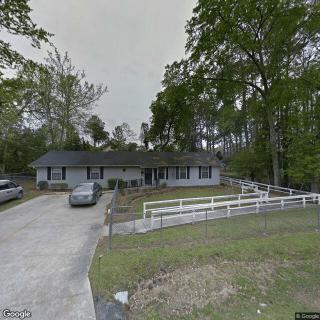


 Securing Financial Support for Assisted Living: A Comprehensive Overview
 Social Security Benefits and Assisted Living: Navigating Options Across the U.S.
 An Extensive Exploration of the VA Aid and Attendance Benefit