
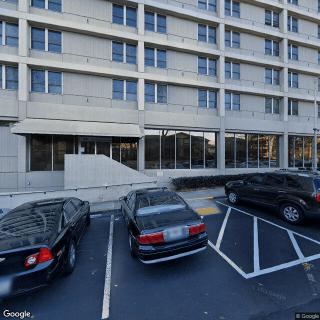
305 Mead Road, Decatur, GA 30030
For more information about senior living options: (866) 208-4318
L'Arche Atlanta 1 Costs & Pricing
L'Arche Atlanta 1 offers a private room option at a monthly cost of $4,661, which significantly exceeds both the average rates in DeKalb County ($2,415) and the overall state average for Georgia ($2,864). This reflects the unique services and community-based support that L'Arche provides, catering specifically to individuals with intellectual disabilities. While the cost may be higher than other local options, it is indicative of the specialized care and enriching environment that L'Arche cultivates for its residents.
| Floor plans | L'Arche Atlanta 1 | DeKalb County | Georgia |
|---|---|---|---|
| Private | $4,661 | $2,415 | $2,864 |
Assisted Living communities with a similar price nearby
-
from +$239 / mo

Safe Haven at Brookhaven
$4,900 / month7.6 miles away -
About the same

The Mansions at Sandy Springs
$4,550 to $6,990 / month14.4 miles away -
from -$461 / mo
Artistry Care
$4,200 to $5,800 / month23.9 miles away -
from +$334 / mo

Timber Lake - Community Living Arrangement
$4,995 / month23.8 miles away -
from -$161 / mo

Arbor Terrace of South Forsyth
$4,500 to $6,315 / month24.5 miles away
Overall Review of L'Arche Atlanta 1
Pros
 They would rate it with more stars if they could.
- It is an awesome, special place that improves one life at a time.
Review
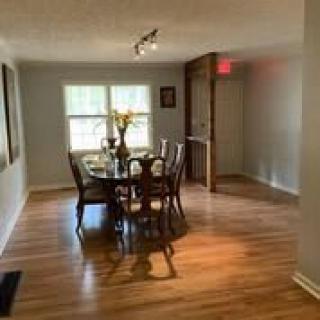
This community is best suited for families seeking a small, intimate, relationship-focused living environment for adults with developmental disabilities, where daily life is infused with purpose, dignity, and mutual care. L’Arche Atlanta 1 in Decatur operates on a home-like, community-first model that centers on meaningful daily activities, personal connections, and a sense of belonging. It is ideal for residents who thrive when caregivers know their rhythm, celebrate small wins, and participate in a shared, value-driven routine. The emphasis is not on clinical metrics or institutional formality but on life-enhancing relationships and a steady, hopeful pace of living.
Those who may want to consider alternatives include families prioritizing intensive medical oversight, complex clinical needs, or specialized dementia programming. Large-scale facilities with on-site nursing teams, robust rehab services, or memory-care ecosystems often promise round-the-clock medical supervision and highly structured care plans. For residents requiring frequent skilled interventions, rapid response to medical changes, or highly supervised routines, other communities may better align with those requirements. Similarly, families seeking a secular or strictly performance-driven environment may find a different fit elsewhere.
The strongest positives emerge from the bedrock of care philosophy here: an “awesome, special place” atmosphere that appears to touch residents deeply and foster ongoing, life-affirming growth. The best moments cited in impressions revolve around staff who invest in people as individuals, creating opportunities for meaningful engagement every day. In practical terms, this translates into consistently visible kindness, patient listening, and activities that resonate with personal interests or life stories. When life is designed around connection and purpose, tiny improvements accumulate into a sense of lifted spirits, better mood, and more engaged participation in daily routines.
Another core strength is the sense of community that seems to permeate the living environment. Residents are not isolated in pillowed routines but are welcomed into a shared, collaborative flow of days marked by mutual respect and supportive reciprocity. The approach naturally cultivates accountability and warmth: caregivers, peers, and residents alike contribute to a living tapestry where responsibilities feel meaningful and accomplishments, no matter how small, are celebrated. This model can offset the absence of hospital-grade resources by delivering consistent, person-centered attention, steady companionship, and opportunities to contribute to the communal life.
Where the decision becomes nuanced is in aligning expectations with what the setting does best. Pros, the intimate scale, the relationship-rich care, and the purposeful daily life, directly offset potential gaps in clinical intensity. For families whose priority is a dignified, lived-in sense of community and ongoing personal growth, these advantages often outweigh the absence of ongoing, specialized medical services. However, for those whose loved one requires frequent medical interventions, highly structured memory-care programming, or seamless access to a broad spectrum of rehabilitative therapies, this model may feel insufficient without careful questions and planning. The practical move is to verify the availability of on-site medical support, schedules for physician or nursing visits, and the extent of therapeutic programming, ensuring the program matches current care needs.
In sum, L’Arche Atlanta 1 represents a compelling option for families who prize human connection, a home-like cadence, and a mission-driven, life-affirming environment. It stands out as a place where residents can experience daily dignity through purposeful activities, meaningful relationships, and a shared commitment to improving one life at a time. For those valuing community, integrity of care, and a slower, more intentional pace, this community delivers with credibility and warmth. For families prioritizing clinical intensity or dementia-specific structure, it is essential to explore alternative settings that offer the medical rigor and specialized programming those needs demand, while using this setting as a benchmark for what true, person-centered living can feel like.
 4 resident community capacity
 Assisted Living
 Cable or satellite TV
 Dining room
 Fully furnished
 Garden
 Housekeeping services
 Move-in coordination
 Outdoor space
 Telephone
 Wi-Fi/high-speed internet available
 William B Hartsfield-Atlanta International (11 miles away)
 24-hour supervision
 Activities of daily living assistance
 Assistance with bathing
 Assistance with dressing
 Assistance with transfers
 Diabetes diet
 Meal preparation and service
 Medication management
 Special dietary restrictions
 Transportation arrangement (medical)
 Transportation to doctors appointments



 Understanding Medicaid Coverage for Assisted Living: A Comprehensive Guide
 How and When Medicaid May Cover Assisted Living Costs
 A Detailed Exploration of Assisted Living Medicaid Waivers Across the United States