
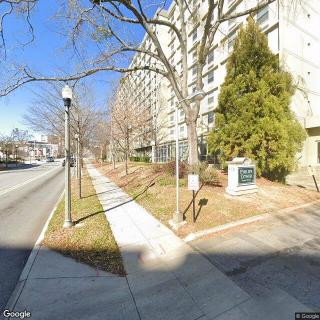
2724 Kelly Lake Road, Decatur, GA 30032
For more information about senior living options: (866) 208-4318
Kelly Lake Manor Costs & Pricing
At Kelly Lake Manor, the monthly cost for a private room is set at $5,970, which significantly exceeds both the DeKalb County average of $2,415 and the broader state figure for Georgia at $2,864. This considerable difference suggests that Kelly Lake Manor may offer specialized services or amenities that justify its higher rate compared to local and state averages. Prospective residents should consider these factors carefully when evaluating options in relation to their care needs and financial planning.
| Floor plans | Kelly Lake Manor | DeKalb County | Georgia |
|---|---|---|---|
| Private | $5,970 | $2,415 | $2,864 |
Assisted Living communities with a similar price nearby
-
from -$270 / mo

Kada J's Pch
$5,700 to $9,450 / month5.4 miles away -
from -$1070 / mo

Safe Haven at Brookhaven
$4,900 / month11.0 miles away -
from -$475 / mo

Village Park Milton
$5,495 to $7,195 / month24.3 miles away -
from +$234 / mo
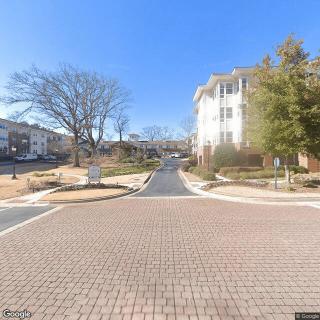
Wellington Court Assisted Living
$6,204 to $6,358 / month24.2 miles away -
from -$1130 / mo

Arbor Terrace of Burnt Hickory
$4,840 to $6,325 / month23.7 miles away
Overall Review of Kelly Lake Manor
Pros
 The price seemed reasonable for a personal care home.
- The owner was very nice.
- The facility provides three meals per day and snacks.
- The location away from the street was viewed as a positive aspect.
Cons
 The staff came off as cold and unwelcoming.
 - An incident where a semi-clothed man was roaming the facility made them feelUnsafe, and staff blamed it on mental illness and lack of meds.
- They were forbidden to go upstairs and told that “those are boarders,” which felt dehumanizing.
- They doubted that a single staff member could effectively manage a licensed Personal Care Home.
- Snacks were not provided and transportation to medical visits was not included.
- The lunch was unappealing, and the posted menu did not match what was served.
- The building had safety concerns, including stairs and an obscure stairway door.
- The eviction/evacuation policies (30 days to evacuate and eviction on owner notification) seemed harsh and alarming.
- There was a sense of unclear policies, such as no age minimum, which added to the discomfort.
Review
Kelly Lake Manor in Decatur is best suited for families who must watch every dollar and are prepared to supervise or supplement care themselves. The operation appears intentionally small and price-conscious, with a license for a handful of residents and a separate status for “boarders.” In this setup, the daily experience can feel more of a mixed household than a structured assisted-living environment, which is fine for budget-minded families who can tolerate variability in care and oversight.
Those who should consider alternatives are families prioritizing safety, reliability, and predictable daily routines. Seniors with cognitive challenges, complex medication needs, or mobility issues that demand consistent staff interaction, timely meals, and transportation to appointments will likely encounter gaps here. The absence of clearly defined resident status, coupled with a policy framework that emphasizes affordability over turnkey care, makes it prudent to look elsewhere for anything beyond simple companionship or very light personal-care needs.
On the upside, price and a personable owner can offer short-term appeal. One reviewer noted the price seemed reasonable for a personal care setting, and another described the owner as pleasant. The location’s distance from street noise was highlighted as a subtle convenience. These elements can be meaningful for families with tight budgets who can accept the risk of limited staffing and oversight and who are willing to manage expectations around what services are actually provided daily.
The core drawbacks, however, overwhelm the potential benefits. A recurring theme is staffing and management strain: an authoritative sense that one staff member is stretched too thin to run a licensed personal care operation effectively, with questions about who exactly is being served and who is responsible for critical tasks like medication management, documentation, and daily supervision. Safety concerns emerge clearly, from a resident’s uncoupled behavior to the reality that movement within the building is constrained by access and supervision, with some spaces described as hard to reach or poorly controlled. The policy landscape is murky, 60-day timelines and eviction language in some reviews, unclear distinctions between residents and boarders, and the absence of consistent meal quality or snacks, factors that undermine trust and predictability for families.
Practical due-diligence steps are essential before any commitment. Prospective families should demand a transparent license profile, confirm the staff-to-resident ratio, and verify who handles medications and daily care tasks. Ask for a precise definition of “boarders,” and clarify whether those residents are volatile in terms of behavior or level of supervision. Inspect safety features such as stair access, door security, and the ability to access common areas without compromising privacy. Request a consistent meal plan, confirm whether transportation to medical appointments is included or available, and verify how often residents actually receive snacks or meals as described in posted menus. Above all, schedule a test visit during active hours to observe staff responsiveness, resident interactions, and overall safety.
When considering alternatives, lean toward communities with clear licensing, stable staffing, and predictable services, facilities that provide structured meals, scheduled transportation, medication management, and a transparent occupancy model. Expanded services, better-accessibility features, and a calmer environment with defined resident populations typically translate into fewer surprises and higher peace of mind for families. If the budget is fixed, use it to prioritize facilities that offer a tangible, enforceable care plan, rather than appearances or anecdotal assurances.
In the end, Kelly Lake Manor offers a price entry point with a mixed-track record on safety, staffing, and consistency. Families must weigh the allure of affordability against the risk of limited oversight and uncertain services. If comfort with a lean operation, a willingness to supervise closely, and tolerance for potential policy ambiguity exist, this may be a fit for a very specific, budget-driven scenario. Otherwise, pursue options with clearer licensing, stronger staffing, and dependable transport and meal programs to protect both safety and daily quality of life.
 6 resident community capacity
 1-bedroom apartments
 Assisted Living
 Board and Care Home
 Cable or satellite TV
 Dining room
 Fully furnished
 Garden
 Housekeeping services
 Move-in coordination
 Outdoor space
 Telephone
 Wi-Fi/high-speed internet available
 William B Hartsfield-Atlanta International (10 miles away)
 24-hour supervision
 Activities of daily living assistance
 Assistance with bathing
 Assistance with dressing
 Assistance with transfers
 Diabetes diet
 Meal preparation and service
 Medication management
 Special dietary restrictions
 Transportation arrangement (medical)
 Transportation to doctors appointments


 Understanding the Distinctions: Assisted Living and Memory Care Explained
 Guiding Elderly Parents Who Refuse Assisted Living: 6 Practical Steps
 Your Comprehensive Guide to Luxury Assisted Living: Elevated Facilities, Amenities, and Costs