
2716 Cocklebur Road, Decatur, GA 30034
For more information about senior living options: (866) 208-4318
Overall Review of Dependent Care
Cons
 The reviewer states that their loved one is receiving only bare minimum care.
- A single staff member is doing all the work, causing overwork.
- The loved one’s care is not up to par.
- Residents are dehydrated and contracting illnesses.
- The reviewer is trying to secure their loved one’s rights and transfer her to another facility.
- There are alleged hidden agendas taking place.
- The reviewer warns others about the conditions and urges more research before placing a loved one there.
- The reviewer hopes the director receives more help and becomes more attentive to the residents.
Review
This Decatur, GA community is best suited for families operating on a tight budget who are prepared to supervise care very closely and act quickly if conditions decline. The lone review paints a picture of minimal care, delivered by overextended staff who cannot keep up with basic needs. The implication is that residents may be left with insufficient attention, and the caregiver workload directly undermines safety and dignity. In practical terms, this is not a facility to rely on for consistent, proactive daily support. It is the kind of option families consider only after exhausting more robust alternatives or when the price is the sole constraint.
Those who should consider alternatives are families prioritizing dependable daily assistance, safe handling, and transparent governance. The reviewer flags a “bare minimum” approach, suggesting dehydration risks and potential neglect. The description of one staff member shouldering the bulk of responsibilities signals a staffing model that cannot sustain reliable oversight. Additionally, reports of concerns about a “hidden agenda” and a director’s need for more help point to management weaknesses that other communities typically address through stronger leadership, documented processes, and accountability. For seniors who require predictable routines and clear lines of responsibility, this is a red flag.
In weighing the alleged pros and cons, the balance heavily tips toward the negatives. The scant positives that might be inferred, if any, do not appear to translate into meaningful daily benefits for residents. The critical issues, insufficient staffing, inconsistent attention to basic needs like hydration, and safety concerns around transport and equipment, overwhelm any potential upside. The absence of evidence of reliable, measured care makes it difficult to justify this setting when safer, better-staffed options exist within the same market. The only plausible takeaway is that leadership could alter the trajectory with real discipline and additional qualified personnel; as presented, those improvements are not in place.
Families evaluating this facility should pursue hard, concrete assurances before any placement. Insist on observing current shift staffing levels, particularly during meal and evening hours, and verify that care plans align with each resident’s documented needs. Request to see hydration protocols, routine monitoring, and incident reporting that would reveal how problems are detected and resolved. Demand to meet the actual caregivers who would be assigned to the loved one, not transient staff, then assess their responsiveness and communication. Inspect the transportation arrangements and the vehicle used for outings or appointments to confirm safe operation and maintenance records. Ensure there is an accessible, transparent process for raising concerns and receiving timely responses.
Given the review, this community is not a sound default choice for anyone requiring reliable, attentive care. It is reasonable to compare it against other local options with stronger staffing models, better supervision, and a track record of safeguarding residents’ physical and emotional well-being. Prospective families should target facilities with clear caregiver-to-resident ratios, documented care plans, and proactive safety measures. If budget constraints remain, pursue facilities that offer more oversight or negotiate benefits that do not compromise safety and dignity. The bottom line is straightforward: prioritize robust care first, then cost.
In summary, this Decatur facility is a cautionary example of how underscored staffing and governance weaknesses can translate into real risk for residents. It serves as a warning that price alone cannot compensate for inadequate daily support and safety oversight. For families, the prudent path is to explore other communities that demonstrate steady staffing, transparent operations, and a proven commitment to hydration, mobility, and dignity. If this option remains under serious consideration, demand verifiable, written assurances and a candid plan for immediate staffing improvements before any placement proceeds.
 3 resident community capacity
 Assisted Living
 Board and Care Home
 Cable or satellite TV
 Dining room
 Fully furnished
 Garden
 Housekeeping services
 Move-in coordination
 Outdoor space
 Telephone
 Wi-Fi/high-speed internet available
 William B Hartsfield-Atlanta International (12 miles away)
 24-hour supervision
 Activities of daily living assistance
 Assistance with bathing
 Assistance with dressing
 Assistance with transfers
 Diabetes diet
 Meal preparation and service
 Medication management
 Special dietary restrictions
 Transportation arrangement (medical)
 Transportation to doctors appointments
 Warm, homelike board-and-care with 24-hour supervision, ADL assistance, medication management, and tailored meals.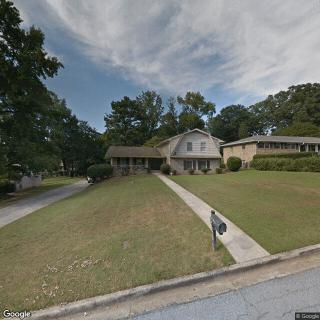

 Understanding Medicaid Coverage for Assisted Living: A Comprehensive Guide
 How and When Medicaid May Cover Assisted Living Costs
 A Detailed Exploration of Assisted Living Medicaid Waivers Across the United States