
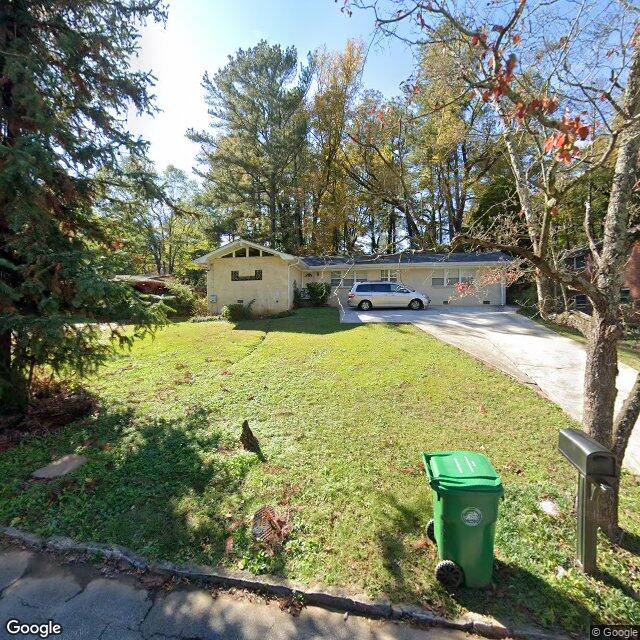
2717 Rainbow Forest Drive, Decatur, GA 30034
For more information about senior living options: (866) 208-4318
Ritchglow Personal Care Home Costs & Pricing
Ritchglow Personal Care Home offers a compelling value for residents seeking assisted living options, with its monthly costs significantly lower than both the county and state averages. For a semi-private room, Ritchglow's rate is $1,400, which contrasts sharply with the average of $2,188 in DeKalb County and $2,529 across Georgia. Similarly, the private room rate at Ritchglow is set at $1,800, well below the county's average of $2,415 and the state's average of $2,864. This pricing not only positions Ritchglow as an affordable alternative but also suggests a commitment to providing quality care without compromising on comfort or community engagement.
| Floor plans | Ritchglow Personal Care Home | DeKalb County | Georgia |
|---|---|---|---|
| Semi-Private | $1,400 | $2,188 | $2,529 |
| Private | $1,800 | $2,415 | $2,864 |
Assisted Living communities with a similar price nearby
-
from -$200 / mo
Yellow Rose Manor Pch
$1,200 to $1,500 / month23.6 miles away -
from +$100 / mo
Lend A Hand Personal Care Home
$1,500 to $2,000 / month11.4 miles away -
from +$200 / mo
My Care Your Care Home
$1,600 to $1,900 / month24.7 miles away -
from +$100 / mo
Joy's Manor Pch
$1,500 to $4,000 / month3.5 miles away -
from +$104 / mo

Wesley Woods Towers
$1,504 to $2,973 / month8.4 miles away
Overall Review of Ritchglow Personal Care Home
Pros
 Dawn and her wonderful staff take great care of residents.
- The home feels warm and homely, with comfortable sitting rooms.
- The owner is very detailed and has long-standing experience in service.
- Meals are served three times a day at the table, creating a family atmosphere.
- Residents are treated well, fed well, and kept safe, with kindness from the staff.
- Railings throughout the house provide safe support for residents.
Cons
 The reviewer hates living there.
- They refuse to adhere to their renal diet.
- The caregiver has her screaming grandchild there full-time.
- The caregiver screams at residents.
- The facility sits on a hill, making access difficult in rain and snow.
Review
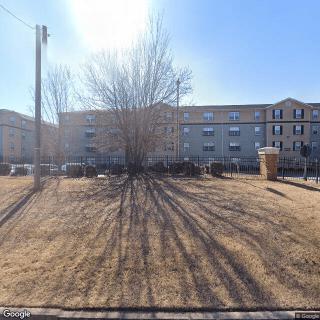
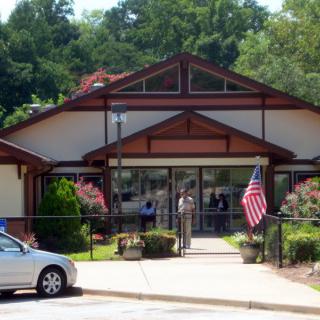
This community is best suited for seniors who want a small, home-like setting rather than a large, corporate facility. With a tight six-resident footprint, Ritchglow Personal Care Home offers an intimate, household atmosphere in which staff can know residents well and routines feel like family life. It works best for individuals who value regular, three-meal-a-day dining, straightforward safety features, and a place where personal attention is feasible because staff-to-resident contact is naturally higher in a small operation. The layout supports a simple, uncomplicated daily rhythm, and separate bathrooms by gender help maintain privacy in a compact space.
The strongest selling points are the human touches and the sense that care is real and personal. Dawn and the staff are recognized for delivering attentive, compassionate care, with owners who are detailed and engaged. Residents are fed well and cared for with warmth, and even in challenging times the staff are described as kind and reassuring. The homey dining experience stands out, meals are regular, meals are shared, and the kitchen is kept neat, with social meals at the table described as a meaningful part of daily life. For families seeking a warm, nonclinical environment where staff know the routine and residents feel seen, these advantages can offset the drawbacks of a smaller setting.
Another clear positive is the physical setup that supports safety and ease of movement. The house keeps rails and clear pathways, and both men and women have dedicated bathroom spaces in close proximity, which strengthens daily safety and independence. Comfortable sitting rooms and a simple, uncluttered common area contribute to a relaxing atmosphere where social interaction happens naturally. The emphasis on a homey feel, without pretensions of luxury, helps residents settle in quickly and feel connected to those around them. In short, the setting reinforces a trusted, predictable routine that tends to reduce anxiety for residents who prefer familiarity over novelty.
However, there are meaningful drawbacks that can offset these strengths. The small scale means limited privacy and a fixed, intimate community that may not fit everyone’s needs, particularly for those who require a private room or more diverse activity options. There is little to no on-site programming beyond meals; activities are largely external, which can lead to boredom or restlessness for residents who thrive on structured daily activities, classes, or organized outings. The hilltop location is also a logistical consideration: while accessible, inclement weather can complicate arrival and departures, and transportation needs may be higher for families. And there is a caveat from at least one current resident that staffing issues can surface, including concerns about adherence to dietary needs and overall resident discipline, signaling that consistency and oversight are important questions to address before moving in.
That combination means certain families should seriously evaluate alternatives. Those needing a robust continuum of medical oversight, frequent rehab, or highly specialized dietary management (for conditions like renal disease) may find a larger, more resource-rich community a better fit. Families seeking extensive daily programming, a wide array of social activities, or guaranteed 24/7 supervision in a setting with more staff coverage may prefer a facility with a more traditional, larger layout. Prospective residents who require easy accessibility for frequent visitors, or who prize formal privacy and private rooms, should weigh those needs against the intimate, shared living model here.
For decision-making, approach this home as a warm, faithful option for comfort-focused care in a six-person setting. Visit with a checklist that covers room preferences, dietary policy enforcement (including freedom to follow renal or other specialized diets), and staff responsiveness. Directly observe meal times and note how interactions flow among residents and with caregivers. Speak with the owner about staffing patterns, turnover, and how emergencies are handled in a small house. If the goal is a truly familial atmosphere with reliable daily meals and visible kindness, Ritchglow can meet that need; if the resident requires more privacy, a richer activity calendar, or stronger clinical oversight, it’s prudent to compare a few larger communities before deciding.
 6 resident community capacity
 1-bedroom apartments
 Assisted Living
 Board and Care Home
 Activities on-site
 Cable or satellite TV
 Devotional services on-site
 Dining room
 Fully furnished
 Garden
 Housekeeping services
 Indoor common areas
 Move-in coordination
 Outdoor common areas
 Private
 Respite or short term stays offered
 Telephone
 Wheelchair accessible showers
 Wi-Fi/high-speed internet available
 William B Hartsfield-Atlanta International (12 miles away)
 24-hour supervision
 Assistance with bathing
 Assistance with dressing
 Assistance with transfers
 Diabetes diet
 Diabetic care
 High acuity care
 Meal preparation and service
 Medication management
 Special dietary restrictions
 Transportation arrangement (medical)
 Transportation to doctors appointments
 How and When Medicaid May Cover Assisted Living Costs
 A Detailed Exploration of Assisted Living Medicaid Waivers Across the United States
 Comprehensive Residential Support and Assisted Living Solutions for Individuals with Disabilities