
3038 Highway 115 East, Cleveland, GA 30528
For more information about senior living options: (866) 208-4318
Overall Review of Rebecca Manor II
Cons
 The place is very horrible.
- The home is way too small for eight residents in a family-type home.
- There is nowhere to walk around.
- The woman is uncaring.
Review
Rebecca Manor II in Cleveland, GA is best suited for families seeking a truly intimate, home-like living arrangement and who are comfortable with limited square footage. It appeals to those prioritizing a sense of closeness and direct caregiver contact in a small, family-style setup, where daily routines feel less institutional and more like living with a relative. This kind of setting can work for seniors who do not require intensive programming, constant activity schedules, or expansive mobility spaces. For most seniors, however, especially those who need dependable supervision, regular engagement, and a strong safety net, this community is not a good fit. The mismatch is not about warmth alone; it centers on space constraints, staffing depth, and the presence of a caregiver climate that may fall short of expectations for compassionate care.
Explicitly, the sole public feedback paints a stark picture: the home is described as “way too small for 8 residents” with “nowhere to walk around,” suggesting restricted movement and a cramped day-to-day life. The space issue is not a minor inconvenience; it impacts exercise, privacy, and the ability to accommodate assistive devices or mobility aids. Adding to the concern is a claim that the caregiver is “uncaring,” which, if accurate, undermines trust, adherence to care plans, and timely response during emergencies. Those evaluating care for someone with fall risk, memory issues, or need for consistent mediation administration should consider whether space, oversight, and staff warmth can be reliably assured in this setting. Alternatives with larger footprints and more professional management should be on the short list.
On the upside, the intimate, family-type ambience can feel easier to navigate than a sprawling campus, provided the caregiving team operates with dedication. Yet the record here does not demonstrate that potential has been realized; the “uncaring” label drains any warmth that might come from a close-knit environment. The small scale can offer easier communication and a familiar routine, but those benefits evaporate when residents lack room to move and the caregiver’s engagement appears deficient. In practical terms, pros would need to be strong to offset the glaring examplar of space and morale; in this case, the balance clearly tilts toward the negatives.
From a risk-management perspective, the cramped layout increases several red flags. The absence of walkable space inhibits safe ambulation and social interaction, both essential for sustaining mood and cognitive health. A dwelling that feels crowded eight-resident style raises privacy concerns and can heighten stress during caregiving tasks, potentially triggering agitation or resistance to care. The reported attitude of the staff member further complicates compliance with medical orders, monitoring, and timely assistance with falls or health changes. In sum, the environment appears unlikely to deliver the consistent quality of life and safety widely expected from assisted living, especially for residents who require predictable routines and proactive care.
For families considering options, the actionable path is to compare with larger, licensed communities that demonstrate robust activity calendars, clear staffing ratios, and transparent oversight. Conduct thorough tours, observe interactions during busy periods, and request candid references from current residents’ families. Verify licensing status, inspection records, and incident reporting practices. Prioritize facilities with spacious common areas, accessible navigation, and staff dedicated to resident advocacy. If the priority is truly intimate care with minimal disruption, seek out adult family homes that have verifiable staff training, clear emergency procedures, and strong owner/operator accountability, yet still demand space and engagement that meet basic safety and activity standards.
Bottom line: Rebecca Manor II is not a compelling choice for anyone who expects dependable, compassionate care delivered in a safe, spacious setting. It may only be appropriate for a family willing to closely supervise and tolerate potential gaps in warmth, space, and responsiveness. For everyone else, alternatives offering larger, well-staffed environments with structured programs and proven track records should be prioritized. The decision should rest on tangible factors: space, staff reliability, and a resident’s need for safety and meaningful daily engagement. When in doubt, schedule multiple visits, press for specific staffing metrics, and insist on a detailed care plan that outlines how daily routines, emergencies, and mobility needs will be managed.
 8 resident community capacity
 Assisted Living
 Board and Care Home
 Cable or satellite TV
 Dining room
 Fully furnished
 Garden
 Housekeeping services
 Move-in coordination
 Outdoor space
 Telephone
 Wi-Fi/high-speed internet available
 24-hour supervision
 Activities of daily living assistance
 Assistance with bathing
 Assistance with dressing
 Assistance with transfers
 Diabetes diet
 Meal preparation and service
 Medication management
 Special dietary restrictions
 Transportation arrangement (medical)
 Transportation to doctors appointments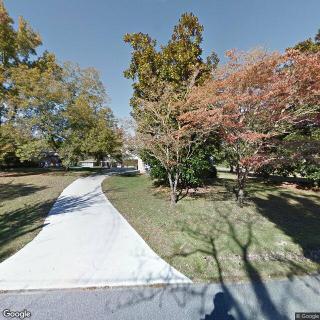
 Excellent access to nearby healthcare, dining, and worship services.




 Understanding Medicaid Coverage for Assisted Living: A Comprehensive Guide
 How and When Medicaid May Cover Assisted Living Costs
 A Detailed Exploration of Assisted Living Medicaid Waivers Across the United States