

3201 Westmoreland Road, Cleveland, GA 30528
For more information about senior living options: (866) 208-4318
Overall Review of Gateway Health And Rehab
Pros
 The family is very happy with their decision to move their relative to Gateway.
- The staff are kind and provide phenomenal care.
- The employees seem to love working there, and it shows in how they treat residents.
- There are lots of engaging activities for residents to participate in.
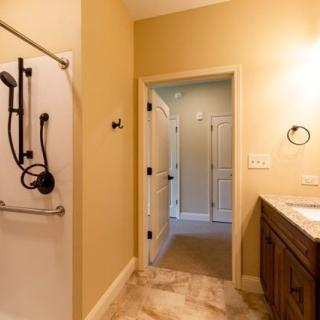
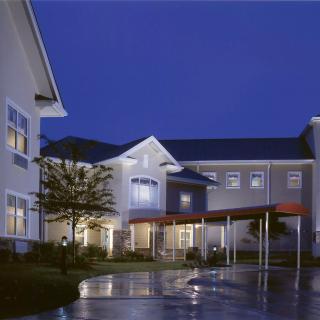
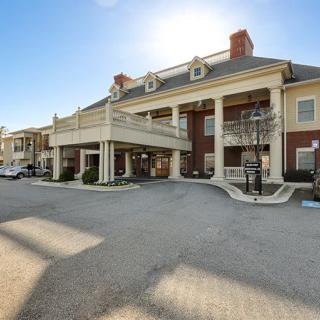
- The facility is older but very clean and well maintained.
- The food is scrumptious with generous portions.
- A medical professional with twenty years of experience recommends Gateway for loved ones needing care.
Cons
 The physical therapy and the doctor could do more.
- The PT and the doctor do not communicate with the family about how the loved one is doing.
- It should not be assumed that the family knows what is going on or can anticipate changes in the loved one’s condition.
Review
Gateway Health And Rehab in Cleveland, GA is best suited for families that prize a warm, person-centered care environment where staff truly treats residents like people first. This community shines for those who want kindness baked into daily life: caregivers who seem to enjoy their work, nurses who address questions promptly and professionally, and a culture that translates into slower, steadier trust rather than froideur or detachment. The setting benefits seniors who value engagement and connection, an active activities calendar, welcoming social opportunities, and meals that are described as generous and appetizing, set against a clean, well-maintained facility that remains practical despite its age. For families navigating a trusted, compassionate footprint during a sensitive transition, Gateway presents a convincing, credible option.
That said, there are clear alternates worth considering for specific expectations. Families that demand highly proactive, transparent progress updates from PT teams and physicians may want to compare facilities with formalized communication routines. The most pointed critique here centers on the need for more consistent, proactive sharing of how a resident is doing, rather than assuming families will intuit progress or wait for questions to be answered. If immediate, scheduled disclosures about therapy milestones, doctor assessments, and discharge planning are non-negotiable, alternatives with tighter family-communication protocols could fit better. An older building, while well-kept, may also be a factor for those seeking newer amenities or modernized spaces.
On the strength side, the core advantages are compelling. The staff’s genuineness and morale show up in the care, with residents’ needs attended to in a timely, respectful manner. Nursing staff take ownership of questions and care plans, contributing to a sense of reliability that families can count on during transitions. The activity slate is a standout feature, offering meaningful engagement that supports mental and social well-being. Cleanliness and maintenance reinforce a durable sense of safety and comfort, countering common reservations about older facilities. Food quality emerges as a real differentiator, with portions and preparation that residents themselves praise, helping to sustain appetite and mood throughout the day.
The principal drawbacks are not hidden but they do not eclipse the positives. The most notable concern is a gap in consistent, proactive communication about a loved one’s progress, particularly from physical therapy and the medical team. Families will want a clear, scheduled cadence for updates rather than relying on ad hoc conversations or delayed notices. Some reviewers also indicate that a stronger emphasis on discharge planning and home-transition readiness could help, especially for families hoping to return a loved one home. These gaps matter, but they sit alongside a robust baseline of care that many communities would envy.
Those strengths can meaningfully offset the drawbacks when approached with a practical plan. The warmth and attentiveness of the staff create a level of trust that makes occasional communication gaps easier to tolerate, especially when care is consistently competent and resident-focused. The upbeat activity program and the nourishing meals contribute to quality of life in ways that often minimize frustration with routine updates. To minimize the impact of communication gaps, families should agree on a regular update schedule, designate a single point of contact, and request written progress notes as part of the care plan. A clear ceremony of discharge planning should be woven into the care discussion from day one to reduce post-visit surprises.
In the end, Gateway Health And Rehab stands as a strong option for families prioritizing compassionate hands-on care, daily meaningful activities, and dependable nursing oversight. It is particularly well suited for those who can tolerate occasional gaps in formal updates in exchange for a human-centered atmosphere, good food, and a clean, comfortable environment. For families where precise, proactive clinical communication is non-negotiable, or where a newer building with the latest amenities is a must, it makes sense to evaluate alternatives with explicit communication metrics and more aggressive PT/MD engagement. A thoughtful visit, ask to meet the care team, review the daily activity calendar, sample the menu, and press for a concrete communication plan, will reveal how Gateway can fit specific needs and timelines.
 60 resident community capacity
 Skilled Nursing Facility
 Air-conditioning
 Beauty salon
 Cable or satellite TV
 Computer center
 Dining room
 Fitness room
 Fully furnished
 Gaming room
 Garden
 Housekeeping services
 Kitchenette
 Move-in coordination
 Outdoor space
 Private bathrooms
 Restaurant-style dining
 Small library
 Telephone
 Wellness center
 Wi-Fi/high-speed internet available
 Community operated transportation
 12-16 hour nursing
 24-hour call system
 Activities of daily living assistance
 Assistance with bathing
 Assistance with dressing
 Assistance with transfers
 Diabetes diet
 Medication management
 Mental wellness program
 Special dietary restrictions
 Concierge services
 Planned day trips



 Navigating Medicare Coverage for In-Home Care Services
 In-Home Care Costs in 2025: A Detailed State-by-State Exploration
 Understanding Home Health Care: A Comprehensive Guide