
240 Honeybrook Ln, Cleveland, GA 30528
To contact a resident: (706) 219-4191
For more information about senior living options: (866) 208-4318
Overall Review of Ollies Personal Care Home
Pros
 Laurel Lodge is a safe and inviting place for loved ones.
 - Becky Bowman helps families with arrangements and cost-saving suggestions, making transitions smoother.
- Laurel Lodge is a place where transitions are handled with care and families feel supported.
- Becky Bowman is described as a blessing to many at Laurel Lodge.
- Carly Applewhite is a compassionate new executive director who is taking over and turning things around.
- The staff at Laurel Lodge are friendly, professional, and genuinely care about residents.
- The residents look forward to the activities and the community helps them feel at home.
- Laurel Lodge is a hidden gem with a beautiful facility and top-notch care.
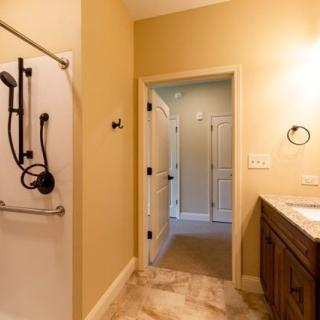
- The facility offers a clean, well-designed environment with personalized care and meaningful activities.
Cons
 The care provided did not justify the nearly $6,000 monthly cost.
- There were constant staff turnovers, declining cleanliness, rising prices, and meals that worsened after the ownership change.
- Nurses and med techs could not administer medications according to doctors’ orders.
- Upper management repeatedly failed to return calls or address concerns.
- The administration was perceived as not caring for residents, focusing instead on bed numbers.
- One reviewer advised others not to put their loved ones in the facility.
- Residents and families would tell others, "don’t come here," when asked about the place.
Review
This Cleveland, GA community is best suited for families seeking a warm, person-centered environment where leadership can drive real improvements and staff consistently engage with residents. When operations are stable and the new executive director is empowered to address concerns, this facility delivers a home-like atmosphere, meaningful activities, and attentive care. It thrives for residents who value an active social calendar, frequent staff interaction, and a sense that caregivers and administrators know their loved one by name. Proximity to family and a welcoming, family‑oriented culture are clear advantages when the leadership team is aligned with the resident’s needs.
Those who should consider alternatives are those with stringent medical management requirements or tight budgeting expectations. Several families reported that, under prior ownership, care gaps and medication administration problems emerged, and high costs were not always matched by consistent service. Prospective residents with dementia or complex memory-care needs should verify that current leadership and front-line staffing can deliver timely med administration, dependable care plans, and transparent communication. If reliability on daily medical routines is non-negotiable, it is prudent to compare with other options known for steadier clinical oversight and guaranteed staffing consistency.
The strongest positives center on a welcoming staff and a genuine sense of community. Reviewers repeatedly describe a staff that is friendly, professional, and engaged, with administrators who demonstrate care for both residents and families. The environment is praised as clean, well-designed, and conducive to personalized care, with residents able to participate in diverse activities and celebrations. Several families highlighted Becky Bowman as a pivotal, supportive point person who helped with transitions and cost considerations. The facility’s “hidden jewel” and “top-notch care” narratives reflect a culture that can feel very home-like when leadership is effective and communication is open.
Yet the main cons cannot be ignored, even when improvements are promised. Several reviewers recounted long-standing concerns from the period when ownership shifted to The Oaks, including staff turnover, declining cleanliness, reduced amenities, and inconsistent medication management. The most troubling accounts described missed or unclear medication administration, delayed communications, and frustration with management responsiveness. While some families now report progress under the new ED, these historical issues highlight a risk: without ongoing stabilization and transparent reporting, a loved one could experience lapses in care or drops in service quality.
The key way the positives offset the negatives is through disciplined leadership and proactive family partnerships. When the ED is accessible, willing to listen, and able to implement concrete fixes, care quality tends to rise quickly. The presence of a dedicated liaison like Becky Bowman, active volunteering that builds resident engagement, and a culture that treats holidays and events as meaningful occasions are powerful buffers against past missteps. Families who can observe sustained follow-through, see improvements over time, and participate actively in the care plan are more likely to reap a stable, rewarding experience for their loved one. The trajectory matters: if leadership remains steady and communication stays open, this setting can become a reliable choice.
For families ready to move forward, a practical plan is essential. Arrange visits during different times of the day to observe how staff interact with residents and how care plans are executed in real time. Talk directly with the executive leadership about memory-care supports, med-management policies, and staffing ratios; request a detailed, written summary of services and pricing with no ambiguities. Meet the activities director and sample meals to assess their consistency with resident preferences. Speak with several families about their experiences, and request current references. If the goal is a warm, community-centered environment with a capable leadership team that demonstrates accountability, this option warrants serious consideration; if the emphasis is unwavering clinical certainty and price stability, it would be wise to compare alternatives with a longer track record of consistent performance.
 Board and Care Home







 Top Canine Companions for Older Adults
 Comprehensive Guide to Blood Pressure Charts for Older Adults: Understanding Normal and High Readings by Age
 Financing Long-Term Nursing Home Care Through Social Security: A Thorough Exploration