

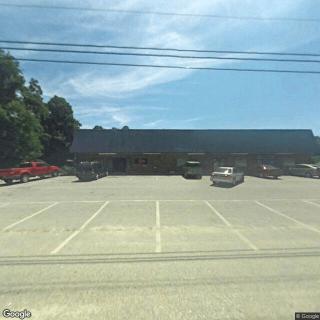
151 N Main St, Clayton, GA 30525
To contact a resident: (706) 782-4229
For more information about senior living options: (866) 208-4318
Overall Review of Sunshine Personal Care Home
Pros
 The reviewers believed Sonshine Manor would be the perfect place for their mom.
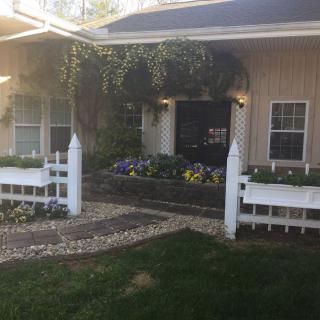
- It is described as a beautiful place with a homely feel.
- The owner is regarded as a true blessing who provides ongoing help.
- The owner shared a personal contact number and is consistently responsive.
- The staff is noted for going above and beyond for all residents.
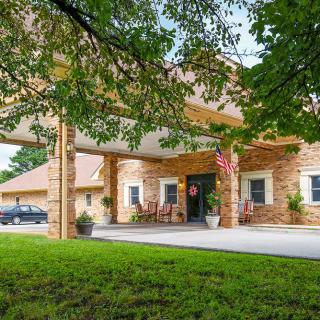
- The care facility is described as spacious, clean, and well staffed.
- The mother was excited to join others for a meal on move-in day.
- The staff reassured the family that she would be well cared for.
Cons
 The reviewer claims Sonshine Manor kept the mother's belongings and the $1,000 deposit.
 - The reviewer calls Sonshine Manor a cash grab.
- The reviewer alleges the facility admitted the mother knowing she wasn't a fit for their facility.
- The reviewer says the mother arrived unable to walk and with 16 medications.
- The reviewer reports the mother was passed around to different facilities and the process took over a month to re-home.
- The reviewer states Sonshine Manor lost the mother for two days and did not inform the family.
Review
Sunshine Personal Care Home in Clayton is best suited for families seeking a small, homelike setting where the owner-operator is visibly engaged and available. It suits seniors who primarily need routine assistance with daily activities and value a warm, neighborly atmosphere over clinical sophistication. The community works best for residents who do not require intensive, specialized memory-care coordination or round-the-clock medical oversight. In short, this is a personable, intimate option for families prioritizing relationship-focused care and easy access to the administrator, rather than a facility built around high-level dementia or behavioral-health programming.
The strongest positives center on accessibility and personal touch. Family members describe an owner who is hands-on, responsive, and willing to go the extra mile, reaching out via personal contact to answer questions and provide ongoing support. That level of involvement translates into a sense of vigilance and reassurance for loved ones who want to feel heard and connected. The setting itself is described as comfortable and homelike, with a clean, spacious feel that supports a calm daily routine. When these elements align, residents can enjoy meaningful interaction, predictable schedules, and a sense of being cared for in a familiar, intimate environment.
However, there are serious cautions embedded in the reviews that cannot be ignored. One account describes the admission of a person with dementia under circumstances that raised questions about fit and ongoing oversight, followed by a cascade of problems: a nonrefundable $1,000 deposit, misplacement of personal belongings, and a withdrawal from the family’s trust after the resident experienced a wandering- and behavior-related crisis. The report goes on to describe a protracted, stressful transition to another facility, including a claim that the resident’s belongings were kept and that the deposit was not returned. That narrative highlights a potential mismatch between the home’s stated capabilities and the realities of memory-care needs, plus gaps in accountability and communication that can leave families in a protracted, high-stress situation.
These tensions do not erase the value of the home’s strengths, but they do redefine the risk calculus. For families who prioritize a warm, hands-on administrator and a supportive, home-like environment, the positives can still matter, provided the admission is guided by rigorous checks. Prospective clients should insist on a clear, written assessment of the resident’s needs before moving in, confirm the home’s ability to manage memory impairment or wandering, and obtain explicit policies on deposits, refunds, and the handling of resident belongings. Written care plans, regular caregiver updates, and a specified discharge or transfer process should be in place to prevent the kind of disorganization described in the negative review.
For families facing significant memory-care needs or those who require transparent financial practices, this community may not be the best fit. Alternatives with formal dementia-care programs, dedicated memory-care units, and more stringent admission screenings typically offer stronger protections against mismatches between resident needs and facility capabilities. Seek out facilities that publish comprehensive intake assessments, have clear transfer protocols, and provide consistent, documented communication with families. In short, Sunshine Personal Care Home can be a meaningful choice for a compatible resident, one who benefits from a close-knit, owner-led environment, yet it demands cautious due diligence for anyone considering memory-care or a more complex care trajectory.
Ultimately, the decision rests on balancing the value of a warm, accessible operator and a homelike setting against the risk of misalignment with memory-care requirements and financial transparency. For a senior who needs mainly companionship and daily living support, with a trusted, responsive point of contact, Sunshine offers a compelling, practical option. For families with concerns about cognitive impairment management, or who require ironclad guarantees about deposits and belongings, the prudent course is to explore alternatives first, bring concrete questions to the table, and seek corroboration from multiple references. A careful, in-depth visit with asked-for policies in hand will reveal whether this community can truly be the right fit or if a more structured memory-care environment better serves safety and peace of mind.
 Board and Care Home


 A Detailed Exploration of Living Wills and Advance Directives
 Comprehensive Guide to Medicare Coverage for Hospice Care
 Caring for Those Who Care: Recognizing, Understanding, and Overcoming Caregiver Burnout