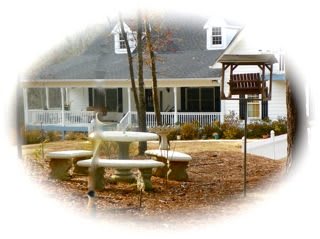
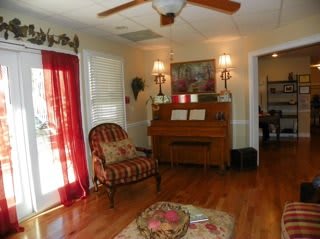
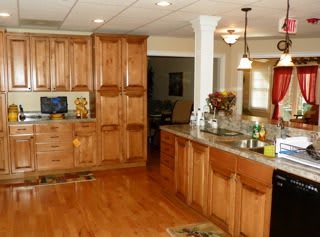
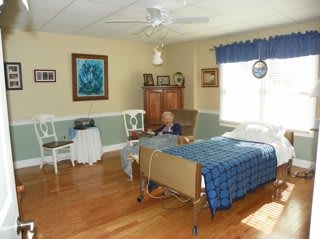
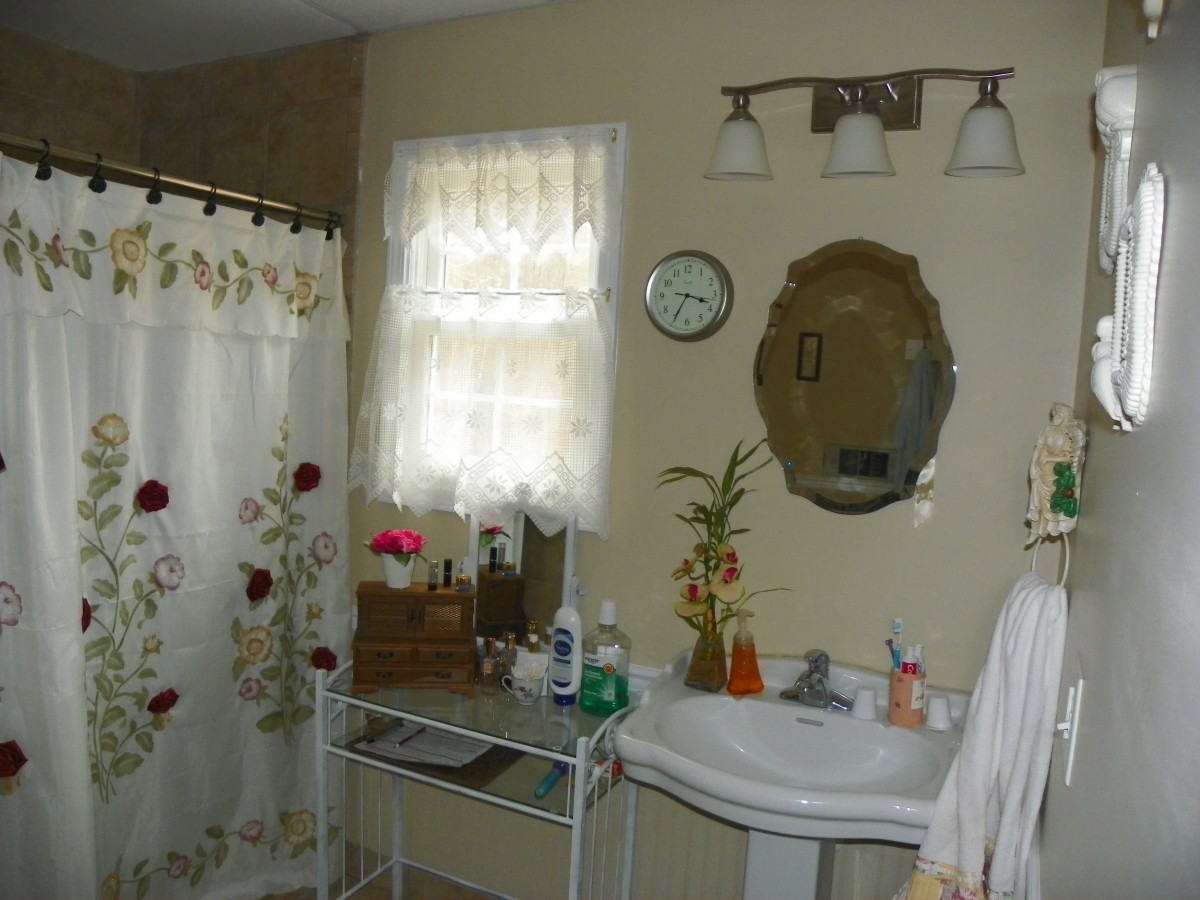
639 Davenport Road, Braselton, GA 30517
For more information about senior living options: (866) 208-4318
The Olive Branch Costs & Pricing
The Olive Branch presents a premium cost structure for its room types compared to both Jackson County and the broader state of Georgia. For semi-private rooms, residents can expect to pay $5,300 per month, significantly above the county's average of $3,213 and the state's average of $2,529. Similarly, private rooms at The Olive Branch are priced at $5,800, which again exceeds Jackson County's rate of $3,914 and Georgia's average of $2,864. The pricing remains consistent for one-bedroom accommodations as well, with a monthly fee of $5,800 that is higher than both Jackson County's rate of $3,934 and Georgia's average of $3,412. These figures reflect The Olive Branch's commitment to providing an exceptional level of care and amenities that justify the elevated costs associated with their services.
| Floor plans | The Olive Branch | Jackson County | Georgia |
|---|---|---|---|
| Semi-Private | $5,300 | $3,213 | $2,529 |
| Private | $5,800 | $3,914 | $2,864 |
| 1 Bedroom | $5,800 | $3,934 | $3,412 |
Memory care communities with a similar price nearby
-
from -$1005 / mo
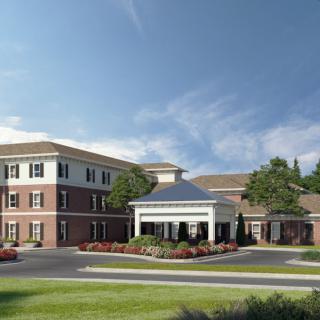
The Landing of Bogart
$4,295 to $5,795 / month20.6 miles away -
from -$800 / mo

Arbor Terrace of South Forsyth
$4,500 to $6,315 / month19.2 miles away -
About the same
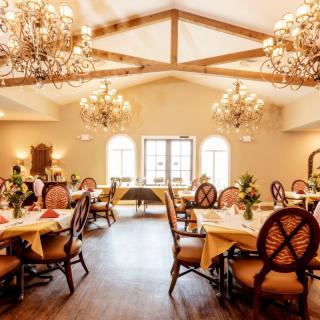
The Mann House Assisted Living and Memory Care Cumming and Johns Creek
$5,300 to $8,480 / month23.8 miles away -
from -$905 / mo
Dogwood Forest of Grayson
$4,395 to $7,500 / month20.3 miles away -
from -$1050 / mo

Peachtree Villa at Suwanee
$4,250 to $5,940 / month20.6 miles away
Overall Review of The Olive Branch
Cons
 Residents are much older and stages of dementia are more advanced.
- Offsite activities are very limited.
Review
The Olive Branch in Braselton, GA is best suited for residents whose needs revolve around advanced dementia and late-life stability, where a calm, low-stimulation setting takes priority over a bustling activity calendar. The available feedback points to residents who are considerably older with dementia in more advanced stages, a reality that shapes daily life, from supervision levels to routine and safety measures. For families navigating high-care needs, this community can offer predictable care expectations and boundaries that reduce overstimulation and confusion. It is a practical choice for those who value safety, consistency, and a quiet environment over a busy schedule of offsite or social activities.
Yet the absence of a robust activity program is a defining feature that cannot be overlooked. Those seeking regular offsite outings, diverse social events, and opportunities for residents to engage with the outside world will want to consider alternatives. The resident profile implied by the feedback leans away from dynamic programming toward a more controlled, predictable day-to-day experience. In decision-making terms, this means weighing a tranquil, supervised setting against the benefits of richer social interaction and broader engagement opportunities elsewhere.
From the information available, there are no clearly articulated strengths that would offset the noted drawbacks. The major downsides, residents’ advanced ages and dementia levels, coupled with very limited offsite activities, dominate the impression. Without documented positives such as strong dementia-specific programming, higher staff-to-resident ratios, or notable programming that promotes cognition and social contact, the drawbacks carry more weight. Still, a low-stimulation, safety-first environment can be a meaningful offset for families prioritizing stability and predictable care over enrichment through outings.
Decision-makers should pursue specifics that either confirm or challenge these initial impressions. A comprehensive tour should focus on dementia-care competencies, the staff-to-resident ratio, and the availability of routines that minimize confusion and agitation. Inquiries should cover daily schedules, the presence of calming spaces, safety features related to wandering or fall prevention, and how care plans are individualized for residents with advanced dementia. Even with limited offsite activities, understanding transportation options and any occasional excursions is crucial to gauge whether occasional external engagement could fit into the resident’s comfort zone.
The Olive Branch is clearly a niche choice: it aligns with families prioritizing safety, simplicity, and highly supervised care over social variety. For residents who thrive on interaction, or for those who judge offsite programming essential, this option falls short. On the other hand, for elders whose cognitive needs demand steady routines and vigilant oversight, this setting can deliver a stable, predictable living arrangement that reduces the stress of transition and complexity.
Recommendation: view this as a targeted option rather than a default choice. If exploration continues, approach with a structured checklist: verify dementia-specific expertise, request sample daily schedules, review any state inspection records, and seek references from families with residents at similar stages. The Olive Branch may prove to be a fitting match when the priority is dependable, low-stimulation care and predictable daily life for very frail elders. However, balance this against alternatives that offer richer engagement and more active programming, ensuring the final selection reflects the resident’s cognitive profile, care requirements, and personal preferences.
 6 resident community capacity
 Assisted Living
 Board and Care Home
 Day Program
 Memory Care
 Beautician on-site
 Cable or satellite TV
 Devotional services off-site
 Dining room
 Fully furnished
 Garden
 Housekeeping services
 Indoor common areas
 Move-in coordination
 Outdoor common areas
 Private
 Respite or short term stays offered
 Telephone
 Wi-Fi/high-speed internet available
 24-hour supervision
 Ambulatory care
 Assistance with bathing
 Assistance with dressing
 Assistance with transfers
 Diabetes diet
 Diabetic care
 High acuity care
 Incontinence care
 Meal preparation and service
 Medication management
 Special dietary restrictions
 Transportation arrangement (medical)
 Transportation to doctors appointments
 Comprehensive care with 24/7 supervision, ADL assistance, meals, and medical transport.
 How to Communicate with a Loved One Living with Dementia: 10 Supportive Strategies
 Comprehensive Guide to VA Nursing Homes: A Crucial Long-Term Care Resource for Veterans
 Estimating the Expenses of At-Home Dementia Care: A Detailed Exploration