
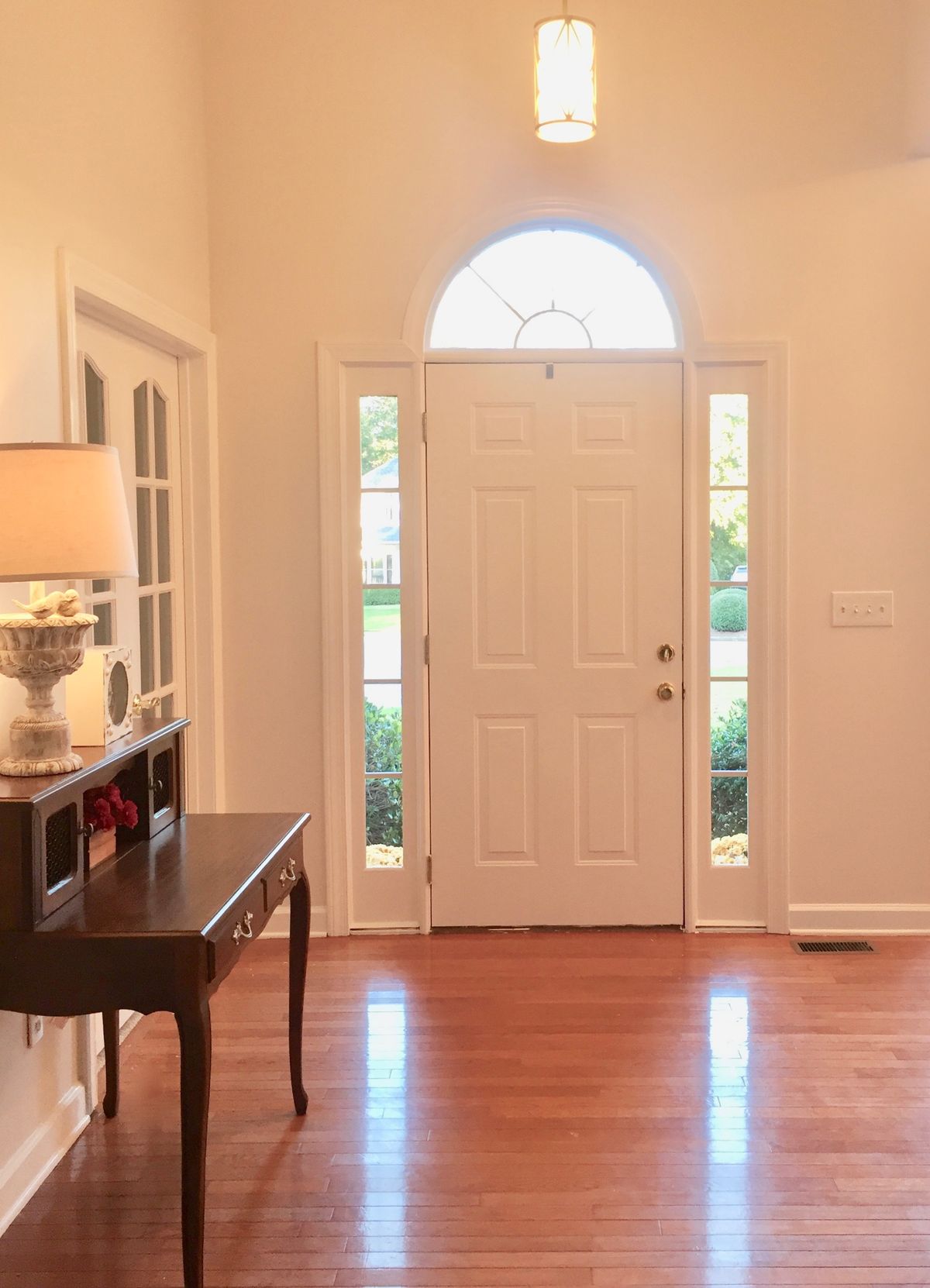


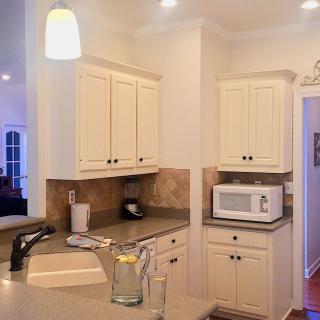

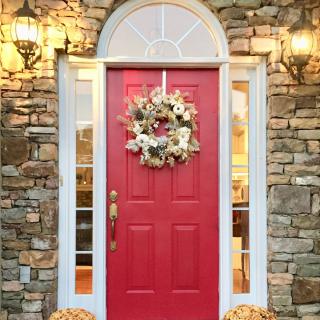
4017 Derby Drive, Gainesville, GA 30507
For more information about senior living options: (866) 208-4318
Overall Review of Heritage Estate
Pros
 The owner was caring, awesome, and attentive.
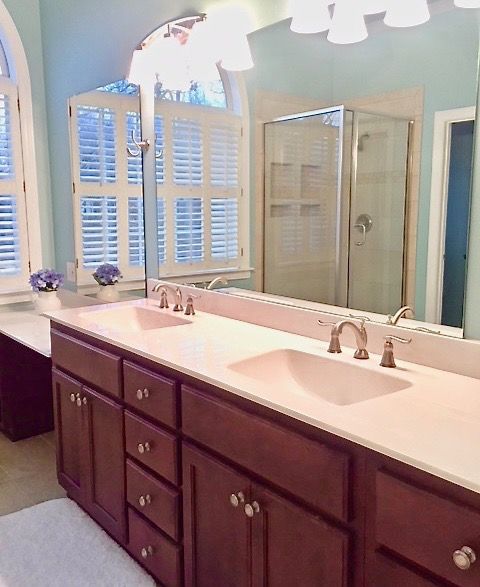
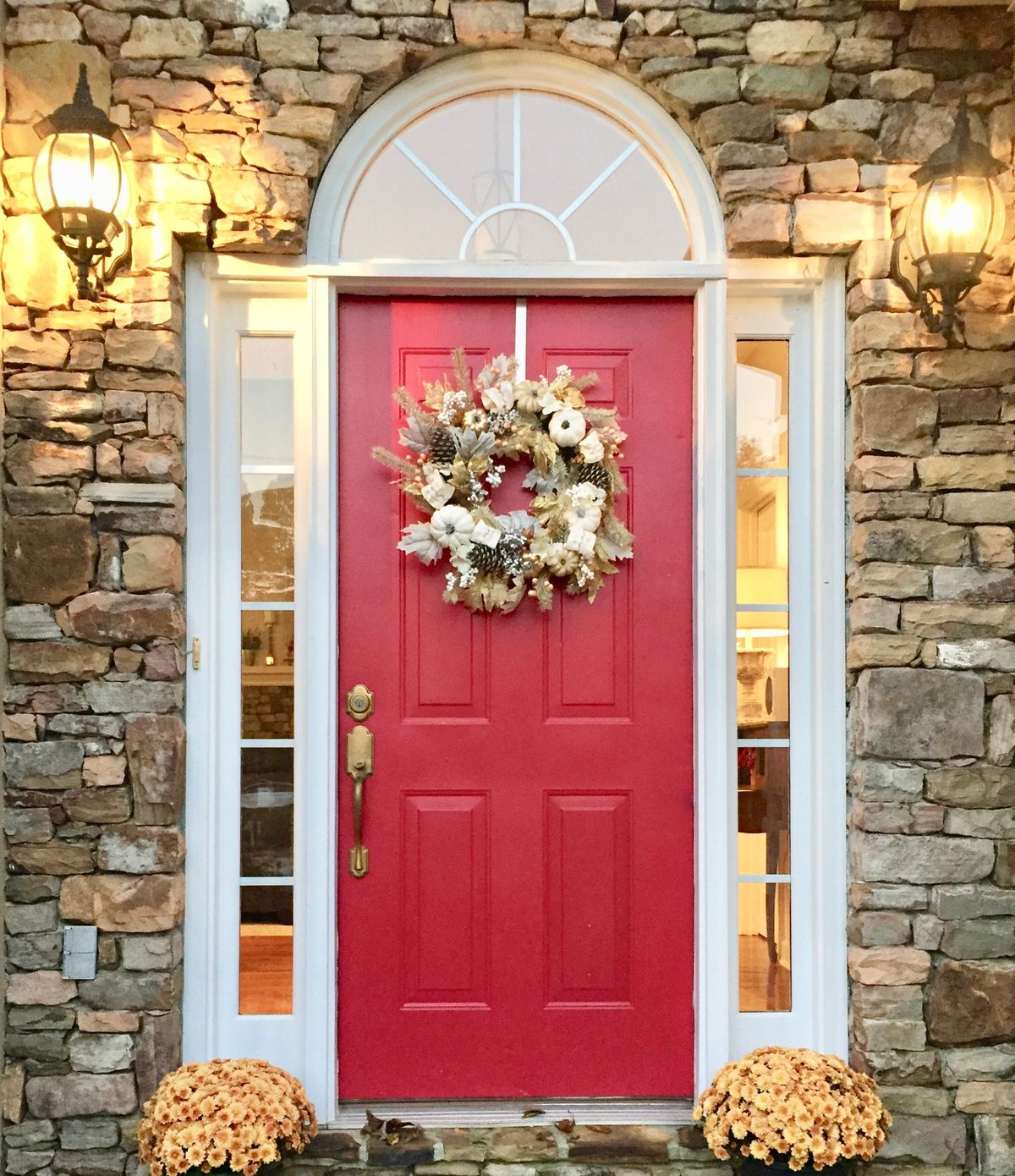
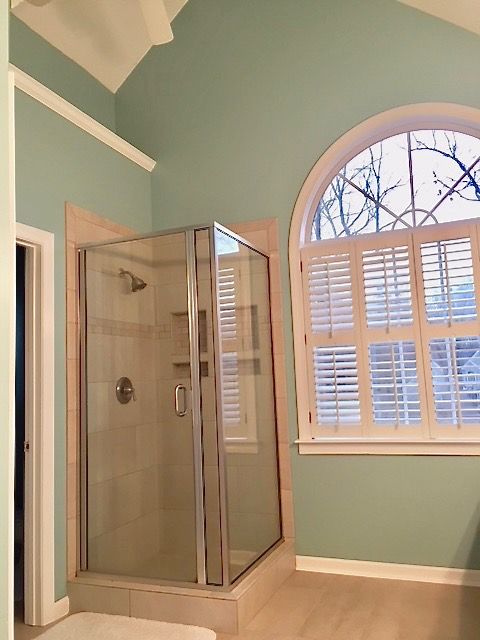
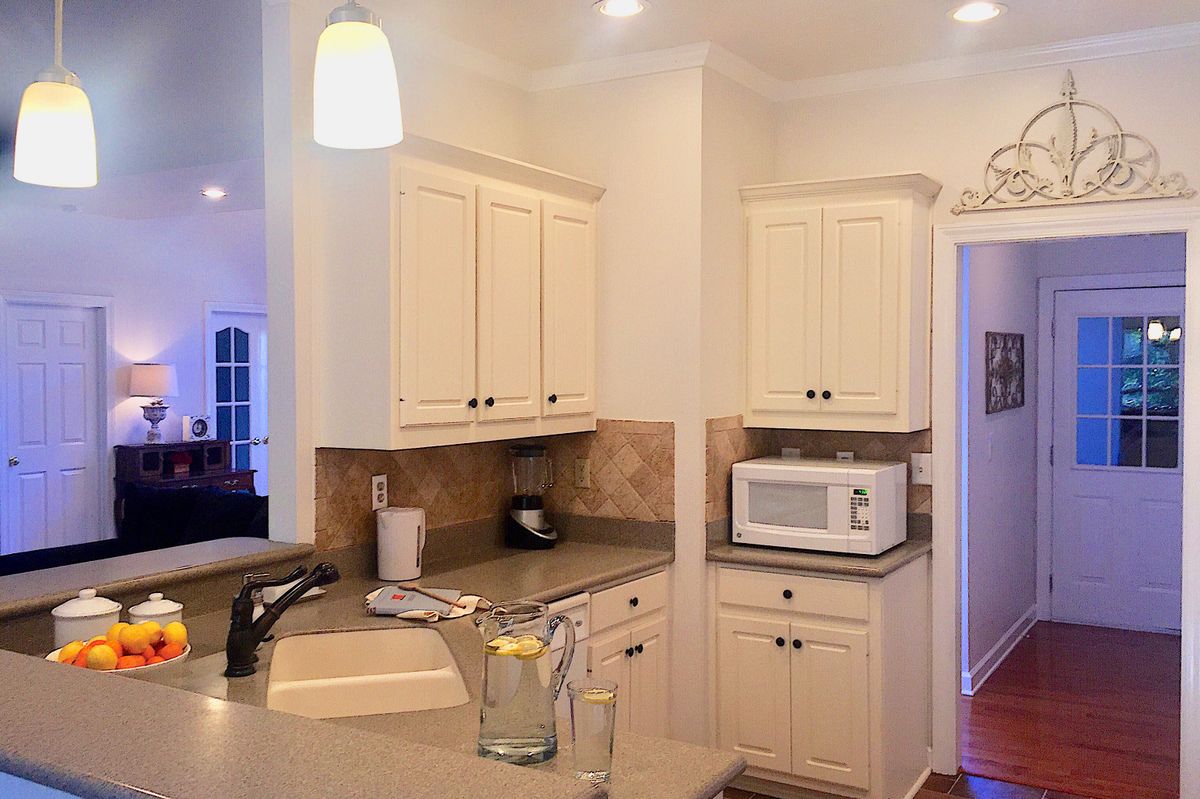
- The home was immaculate, lovely, and excellent.
- Hospice support was available to assist the residents, showing thoughtful care.
- The owner checked on residents every two hours at night, providing constant, dedicated support.
- The meals were prepared to meet each resident’s health needs.
- Residents could freely engage in activities they enjoyed, like watching TV or playing games.
- It was a cost-effective option, at half the price of other places.
Review
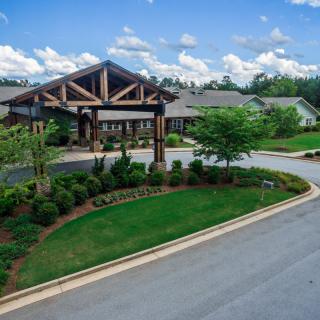
Heritage Estate in Gainesville, GA is best suited for families seeking an intimate, home-like setting where an elderly loved one can receive daily hands-on assistance with medical sensitivity and hospice support when needed. The property operates as a converted five-room residence led by a nurse-owner, which translates into continuous, personalized attention that larger facilities often cannot deliver. For someone who values privacy, a warm, uncluttered living space, and meals crafted to health needs, this arrangement offers a practical, cost-conscious alternative to the traditional campus model. The arrangement works best when a senior does not require a bustling social calendar or a broad array of on-site programs, but instead benefits from a calm environment and consistent oversight.
Those weighing alternatives should consider the realities of a one-on-one caregiver model. If the senior requires a larger social ecosystem, routine group activities, or memory-care-specific programming, this option may feel limiting. Families needing robust, multi-shift staffing, wider medical coverage, or access to a wide range of on-site therapies should look toward larger assisted living communities. The small-scale approach hinges on the owner’s availability and capacity; if the caregiver becomes intermittently unavailable, coverage could become inconsistent. In short, this setting excels on intimacy and responsiveness but may fall short for residents who crave extensive programming or specialized dementia care.
The strongest pros significantly offset the main drawbacks. The nurse-owner dynamic means care plans are highly individualized, with the ability to adjust quickly to changing health needs. Hospice support can be integrated smoothly, ensuring medical oversight without transferring the resident into a more institutional environment. Immaculate, welcoming surroundings and a private room with a home-like atmosphere contribute to dignity and comfort. Meals tailored to each resident’s health issues bolster well-being, while the freedom to pursue activities, watching TV, playing games, or pursuing quiet interests, preserves autonomy. The scale of care also translates into exceptional attentiveness: the owner’s frequent presence reduces the risk of missed needs and fosters a sense of security.
Equally important is how the setting supports daily life. The downstairs residence layout enables proactive monitoring without feeling intrusive; the owner’s ongoing involvement means concerns can be addressed promptly, often in real time. Residents reportedly have the flexibility to choose routines rather than conform to a rigid schedule, which can be a major advantage for those who value independence. The trade-off, however, is the level of social interaction and structured programming one might expect from larger communities. For some families, the trade-off is perfectly acceptable; for others, the desire for more scheduled activities or more extensive staff coverage may tip the balance toward a different option.
Cost is a decisive factor that strengthens Heritage Estate’s appeal. Described as about half the price of competing facilities, the offering represents exceptional value for families prioritizing affordability without sacrificing essential care elements. This affordability makes high-touch, nurse-led care accessible to households that might otherwise struggle to fund a more conventional assisted-living arrangement. Yet, this price advantage must be weighed against whether the resident will miss amenities, social opportunities, or the reassurance of broader on-site medical staffing found in larger settings. In conservative terms, the value proposition is outstanding for what is delivered in a small, home-like setting, with clear limits on scalable services.
For families considering Heritage Estate, a disciplined evaluation is recommended. Begin with a visit to observe the care environment, ask pointed questions about who provides care during nights and weekends, and verify how hospice needs are managed within this model. Confirm whether emergency protocols, medication management, and coordinating with external clinicians are straightforward and reliable. Probe how the current owner handles growth if more residents join, and what contingencies exist should the owner become unavailable. If the priority is intensely personalized, affordable, and compassionate care delivered in a private, intimate setting, Heritage Estate stands out as a compelling choice. If the priority is a larger community with formal programming or specialized dementia care, alternatives should be pursued.
 5 resident community capacity
 Assisted Living
 Board and Care Home
 Cable or satellite TV
 Fully furnished
 Garden
 Housekeeping services
 Move-in coordination
 Outdoor space
 Community operated transportation
 24-hour supervision
 Activities of daily living assistance
 Assistance with bathing
 Assistance with dressing
 Assistance with transfers
 Diabetes diet
 Meal preparation and service
 Medication management
 Special dietary restrictions


 Exploring the Contrasts Between Assisted Living and Skilled Nursing
 8 Key Indicators That Suggest It May Be Time to Transition from Assisted Living to Skilled Nursing Care
 Vibrant Senior Living: A Comprehensive Guide for Active Older Adults