Vision Care Home Of Austell

1420 Blairbridge Road, Austell, GA 30168

For more information about senior living options: (844) 490-3973

3.6 from 33 reviews
5 stars
19
4 stars
2
3 stars
2
2 stars
1
1 stars
9

Assisted Living

Overall Review of Vision Care Home Of Austell

Pros

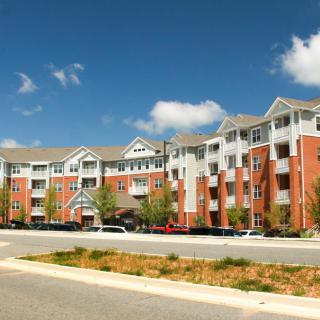
  • pro The Presbyterian Village Austell campus is beautifully maintained with a welcoming atmosphere.
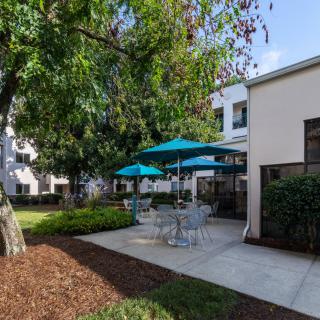
  • pro The gardens are stunning and the common areas are inviting and thoughtfully designed.
  • pro The residents form a vibrant, warm community filled with laughter and camaraderie.
  • pro It is easy for residents to strike up conversations and make lasting friendships.
  • pro There are engaging activities and events that foster connection and joy.
  • pro Residents can enjoy an independent lifestyle with social options available when desired.
  • pro Meals are delivered to residents' front doors every evening with multiple selections.
  • pro Landscaping and yard care are provided, and weekly housekeeping is included.
  • pro The campus is close to a major hospital and physicians, ensuring quick access to care.
  • pro In Hearthstone memory care, staff treat residents like family with consistent kindness.
  • pro A CNA observing clinical care found the space clean and well maintained, with staff dedicated to residents' happiness and health.
  • pro Dr. Hudson is a wonderful doctor and surgeon whose concern for patients is evident, with a professional and friendly staff.
  • pro Caregivers and administrative staff are described as going above and beyond, delivering top-quality service.
  • pro Families view Presbyterian Village as a godsend due to compassionate and loving care for loved ones.
  • pro The facility is clean and kid-friendly.

Cons

  • pro One reviewer states the facility "is like a looney bin for elderly," claiming staff pay is low and the care could be better.
  • pro A staff member is reported to have said residents must have 1.5 million in assets to live there, which the reviewer found shocking and rude.
  • pro The facility was described as "not as nice" with rooms "only 250 square feet," described as condescending.
  • pro There are reports of horrific neglect during the COVID-19 quarantine, including neglect of basic hygiene and exercise needs.
  • pro The Austell leadership is accused of not being trustworthy to tell the truth.
  • pro Movers described the place as one of the worst they had seen.
  • pro Some reviewers say families were insulted or condescended to when seeking information.
  • pro There were mentions of neglect toward a grandfather or minister and reluctance to cooperate with simple requests.

Review

Presbyterian Village in Austell presents itself in the reviews as a thoughtfully designed, beautifully maintained campus that aims to offer both independent living and access to cared-for senior services. The grounds are repeatedly described as serene and well-kept, with gardens, tree-lined streets, nature paths, and inviting common areas that foster a sense of warmth and welcome as soon as you arrive. For residents who crave independence, the village provides a setting where a loved one can pursue social activities and planned events while still enjoying a quiet home life on a neighboring street. People emphasize that the campus feels like a peaceful retreat, yet it remains close to necessary medical facilities, including a major hospital just minutes away.

A central thread in many accounts is the way daily life is packaged and delivered: a 3-bedroom ranch-style house on a cul-de-sac offers a sense of privacy within a community. Landscaping, yard care, and even weekly housekeeping are included, and meals are delivered to doors with a choice of courses. This combination of conveniences makes it feel like a comprehensive, affordable package for those seeking a lifestyle that blends autonomy with built-in support. Locating the living spaces and activities in close proximity - "two minutes" from the heart of the action yet still in a quiet neighborhood - appears to be a key selling point for residents who want to balance privacy with connection.

Beyond the physical environment, several reviews highlight the people who inhabit and staff the village as the place's true strength. The residents themselves are described as a vibrant, warm, and sociable community, rich with opportunities to connect through conversations, laughter, and a wide range of activities. For some, this sense of camaraderie and the ease of forming lasting friendships are what make Presbyterian Village feel like home. The social life is not just about organized events; it's about everyday chances to engage with neighbors and participate in a supportive, cheerful community.

Care experiences are a frequent focus, with particular emphasis on Hearthstone memory care where several families recount deeply positive interactions. One family notes that every employee who encounters their mother with dementia treats her like family, and a specific upstairs greeting - "Hello, Mama!" - left a lasting impression of kindness and connection. They describe moments of genuine affection, such as a hug and a smile in response to a moral and emotional moment, underscoring the sense that she is valued and respected. A studying CNA visiting for clinical rounds also observed a clean, well-maintained space and praised the staff for their compassionate care, noting how they worked to keep residents happy and healthy. In another vein, a patient-centered professional, Dr. Hudson, is repeatedly praised for being attentive, caring, and professional, with thankfulness extended to both her and her staff.

Not all voices align, however. A reviewer with a critical eye questions the ease with which a facility like Presbyterian Village is portrayed as "one of the nicer nursing homes," pointing to the realities of caregiving as demanding and often underpaid. The critique emphasizes that even though appearances can be impressive, the job of a certified nursing assistant is challenging, and pay may not reflect the level of responsibility. This perspective warns against overlooking the workforce realities behind the polished exterior, urging readers to consider compensation and working conditions as integral to the quality of care.

Family members with long histories at Presbyterian Village offer strongly affirmative counterpoints. They report seeing care that has stood the test of time: parents and in-laws who lived there for years - some moving through independent living, assisted living, and even nursing care - received consistent dedication and compassion. One family member notes that in their experience, caregivers were loving and considerate, and administration responded well during challenging periods like the Covid era. Such testimonials reflect a deep, multi-decade trust in the village's ability to adapt and maintain a high standard of care across different levels of service.

Yet, not every interaction in the records is warm. A prospective resident raised a troubling impression after speaking with a staff member who asked about income and assets before discussing care options, then suggested another facility, describing the alternative as "not as nice" with smaller rooms. The critic characterizes the exchange as condescending and insulting, and the experience culminates in a decision to end the conversation abruptly. This account also invokes a broader moral reflection about charity and compassion, amplifying the emotional weight of navigating elder care decisions for a family under stress.

Interwoven with these accounts are poignant personal histories that illuminate the emotional stakes of choosing a care community. One contributor discusses the burden of caring for a parent with dementia while navigating financial constraints, pandemic-related disruptions, and the fear of not being able to be with a loved one as needed. The writer leans into spiritual values, lamenting that insensitivity toward "poor" folks is not in keeping with Christian tradition, and expressing intense disappointment toward the way inquiries about finances can be handled. The intensity of this voice underscores how deeply these decisions are felt when family ties and caregiving responsibilities collide with institutional processes.

Taken together, the collection of reviews paints a nuanced portrait of Presbyterian Village. For many residents and families, the campus is a beloved home that offers beauty, autonomy, and meaningful social engagement, enriched by caring staff and competent medical professionals. For others, questions linger about cost, staff compensation, and the experiences of care during crises, underscoring the complexity of delivering high-quality senior living. Across the spectrum, the themes of community, tangible care, personal dignity, and the ongoing search for balance between independence and support emerge as the core heartbeat of this place. The stories insist that, in a setting like Presbyterian Village, the quality of life is shaped as much by daily interactions and personal connections as by buildings and amenities.

Features

Housing

  • 3 resident community capacity 3 resident community capacity

Types of Care

  • Assisted Living Assisted LivingAssisted living facilities provide crucial support and care for seniors who may need help with daily tasks such as medication management, bathing, and meal preparation. These communities offer a safe and comfortable environment where seniors can maintain their independence while receiving the assistance they need to thrive in their golden years.

Amenities

  • Cable or satellite TV Cable or satellite TVCable or satellite TV is important for seniors because it provides entertainment, news, and companionship, helping to combat loneliness and boredom. It also offers a wide range of programming options tailored to different interests and preferences.
  • Dining room Dining roomDining rooms are important for seniors as they provide a space for socialization, connection, and nutritious meals. They offer opportunities for residents to bond over shared meals, foster a sense of community, and promote healthy eating habits. Dining rooms also ensure that seniors have access to well-balanced meals tailored to their dietary needs and preferences.
  • Fully furnished Fully furnishedFully furnished senior living communities are important for seniors because they provide convenience, comfort, and a hassle-free moving experience. Seniors can easily settle into their new living space without the stress of having to buy and move furniture. This allows them to focus on enjoying their new home and community.
  • Garden GardenGardens are important for seniors as they provide a peaceful and therapeutic environment for relaxation, physical activity, and socialization. Being in nature has been shown to reduce stress, improve mood, and promote overall well-being. Gardens also offer opportunities for seniors to engage in gardening activities, which can improve mobility, flexibility, and cognitive function. Additionally, gardens create a sense of community and connection with others who share a passion for plants and outdoor spaces.
  • Housekeeping services Housekeeping servicesHousekeeping services are important for seniors because they help maintain a clean and safe living environment, promote independence, and reduce the risk of accidents or illnesses. Additionally, having assistance with household chores can alleviate physical strain and allow seniors to focus on other aspects of their well-being.
  • Move-in coordination Move-in coordinationMove-in coordination is important for seniors because it helps ease the transition into their new living environment. It ensures that all logistics, such as packing, organizing movers, and setting up utilities are taken care of, allowing seniors to focus on settling in and adjusting to their new home. Having a smooth move-in process can alleviate stress and anxiety, making the transition smoother and more enjoyable for seniors.
  • Outdoor space Outdoor spaceOutdoor spaces are important for seniors as they provide opportunities for physical activity, social interaction, exposure to natural light and fresh air, and a sense of connection to nature. Having access to outdoor spaces can improve overall well-being and quality of life for older adults living in senior communities.
  • Telephone TelephoneTelephones are important for seniors as they provide a lifeline for communication with loved ones, emergency services, and healthcare providers. They offer a sense of security and independence, enabling seniors to stay connected and access assistance when needed.
  • Wi-Fi/high-speed internet available Wi-Fi/high-speed internet availableWi-Fi/high-speed internet is important for seniors to stay connected with loved ones, access online resources, and participate in virtual activities to combat feelings of loneliness and isolation. It also allows them to easily manage healthcare needs, access entertainment, and engage in lifelong learning opportunities.

Transportation

  • William B Hartsfield-Atlanta International (14 miles away) William B Hartsfield-Atlanta International (14 miles away)

Care Services

  • 24-hour supervision 24-hour supervision24-hour supervision is important for seniors to ensure their safety, well-being, and access to immediate assistance in case of emergencies or health issues. This constant support provides peace of mind for both seniors and their loved ones, allowing them to age in place with dignity and security.
  • Activities of daily living assistance Activities of daily living assistanceActivities of daily living assistance are important for seniors because they provide essential support with tasks such as eating, bathing, dressing, and mobility. This assistance helps seniors maintain their independence, dignity, and overall quality of life as they age.
  • Assistance with bathing Assistance with bathingAssistance with bathing is crucial for seniors as it helps maintain personal hygiene, prevents infections, and ensures their overall well-being and comfort. It also provides a sense of dignity and independence for seniors who may struggle with this task on their own.
  • Assistance with dressing Assistance with dressingAssistance with dressing is important for seniors because it helps maintain their independence, promotes personal hygiene, prevents accidents and injuries, and improves overall quality of life. This service ensures that seniors can continue to dress comfortably and confidently, despite any physical limitations they may have.
  • Assistance with transfers Assistance with transfersAssistance with transfers is crucial for seniors as it helps prevent falls and injuries, maintains their independence, and ensures they can safely navigate their living environment. It also provides peace of mind for both seniors and their loved ones.
  • Coordination with health care providers Coordination with health care providersCoordination with health care providers is crucial for seniors to ensure proper medical care, medication management, and overall well-being. This collaboration helps prevent overlapping treatments, track progress more effectively, and provide comprehensive support tailored to individual needs.
  • Diabetes diet Diabetes dietA diabetes diet is crucial for seniors as it helps manage blood sugar levels, reduce risks of complications, and improve overall health and well-being. By following a balanced and nutritious diet tailored to their specific needs, seniors can better control their diabetes and enhance their quality of life.
  • Meal preparation and service Meal preparation and serviceMeal preparation and service are crucial for seniors as they may have limited mobility or energy to cook nutritious meals. Having access to healthy and convenient food options can ensure they are getting the proper nutrition needed to maintain their overall health and well-being.
  • Medication management Medication managementMedication management is crucial for seniors to ensure they are taking the right medications at the correct dosages and times. This helps prevent adverse drug interactions, reduces the risk of medication errors, and promotes overall health and well-being. Proactive management also allows for adjustments as needed based on changing health conditions or new prescriptions.
  • Special dietary restrictions Special dietary restrictionsSpecial dietary restrictions are important for seniors because age-related changes in metabolism and health conditions can make it difficult for their bodies to process certain foods. By following a diet tailored to their specific needs, seniors can maintain their overall health and well-being, manage chronic conditions, and reduce the risk of complications such as malnutrition or food interactions with medications.
  • Transportation arrangement (medical) Transportation arrangement (medical)Transportation arrangements for medical purposes are essential for seniors as they may have difficulty driving themselves to appointments or accessing public transportation. Having reliable and safe transportation options ensures that seniors can receive timely medical care and maintain their health and well-being.
  • Transportation to doctors appointments Transportation to doctors appointmentsTransportation to doctors' appointments is crucial for seniors as it ensures they have access to necessary medical care and support for their health needs. Without reliable transportation, seniors may struggle to attend important appointments, leading to potential delays in treatment and health complications. Providing transportation services helps seniors maintain their overall well-being and quality of life.

Dining

  • Diabetes diet Diabetes dietA diabetes diet is crucial for seniors as it helps manage blood sugar levels, reduce risks of complications, and improve overall health and well-being. By following a balanced and nutritious diet tailored to their specific needs, seniors can better control their diabetes and enhance their quality of life.
  • Special dietary restrictions Special dietary restrictionsSpecial dietary restrictions are important for seniors because age-related changes in metabolism and health conditions can make it difficult for their bodies to process certain foods. By following a diet tailored to their specific needs, seniors can maintain their overall health and well-being, manage chronic conditions, and reduce the risk of complications such as malnutrition or food interactions with medications.

Activities

  • Community-sponsored activities Community-sponsored activitiesCommunity-sponsored activities are important for seniors as they provide opportunities for social interaction, mental stimulation, and physical activity. These activities can help improve overall well-being, combat loneliness and isolation, and promote a sense of belonging and purpose among older adults.
  • Scheduled daily activities Scheduled daily activitiesScheduled daily activities are important for seniors because they provide structure, socialization, mental stimulation, and physical activity. Engaging in regular activities can improve overall well-being and quality of life for seniors living in a community setting.

Description

Vision Care Home of Austell is an assisted living community located in Austell, GA. Our home offers a comfortable and welcoming environment for seniors looking for assistance with their daily activities and health care needs.

We provide a range of amenities to ensure that our residents have a pleasant and convenient living experience. Our dining room offers nutritious meals prepared by our skilled staff, taking into consideration any special dietary restrictions. The entire facility is fully furnished, so residents can move in with ease and feel at home right away. Our outdoor space provides a peaceful setting where residents can enjoy fresh air and nature. We also offer Wi-Fi/high-speed internet connection throughout the community, ensuring that residents are always connected to their loved ones and the outside world.

At Vision Care Home, we prioritize the well-being and independence of our residents. Our team of caring professionals provides assistance with activities of daily living such as bathing, dressing, and transfers. We also coordinate with healthcare providers to ensure that each resident's medical needs are met. Medication management is offered to help seniors stay on track with their medications.

In addition to our comprehensive care services, we understand the importance of engaging activities for seniors' mental and physical well-being. We schedule daily activities for our residents to participate in, providing opportunities for socialization and stimulation.

Our location in Austell, GA offers convenience for both residents and their families. With two parks nearby, our residents can enjoy outdoor recreational activities. Numerous pharmacies located within close proximity make it easy to obtain necessary medications. There is also a physician's office within reach for any medical needs that may arise. Additionally, there are various restaurants nearby for residents to explore different dining options.

At Vision Care Home of Austell, we strive to create a comfortable and supportive environment where seniors can thrive while receiving personalized care services. Come visit us today and see why we are the ideal choice for assisted living in Austell!

Nearby Places of Interest

Pharmacies

  • Walmart Pharmacy (0.6 miles)
  • Walgreens (1.6 miles)
  • CVS Pharmacy (2.4 miles)
  • Mableton Pharmacy & Uniforms (3.1 miles)
  • Walgreens (3.7 miles)
  • Walgreens (4.2 miles)
  • Walgreens (5 miles)

Restaurants

  • IHOP (0.6 miles)
  • Cracker Barrel (0.7 miles)
  • McDonald's (0.8 miles)
  • Chick-Fil-A (0.8 miles)
  • Sonic Drive-In (1.7 miles)
  • Church's Chicken (1.8 miles)
  • Wendy's (2.3 miles)

Places of Worship

  • Atlanta West Pentecostal Church (2.5 miles)
  • Lithia Springs United Methodist Church (4 miles)
  • Bethel United Methodist Church (5.3 miles)
  • Linked UP Church (7.2 miles)

Parks

  • Sweetwater Creek State Park (3 miles)
  • Trammell Crow Park (4.3 miles)
  • Southwest Baseball At Clarkdale Park (5.2 miles)
  • Hurt Road Park (5.8 miles)
  • Stonewell Park (7 miles)
  • Cobb Park (8.2 miles)
  • Anderson Park (8.3 miles)

Transportation

  • Signature Flight Support FTY - Fulton County Airport (4.2 miles)

Physicians

  • Arnika Dawkins (4.7 miles)
  • Resurgens Orthopaedics (5.1 miles)
  • Wellstar Cobb 1700 Building (5.1 miles)
  • Cobb Women's Center (5.2 miles)
  • Berkeley Medical & Rehab Center (5.8 miles)
  • Atlantic Premier Obgyn (5.8 miles)
  • Georgia Plastic & Reconstructive Surgery (5.9 miles)

Cafes

  • Starbucks (5.2 miles)
  • Chattahoochee Coffee (5.6 miles)
  • Starbucks (6.5 miles)
  • Starbucks (7.4 miles)
  • Starbucks (7.5 miles)

Hospitals

  • USA Vein Clinics (5.3 miles)
  • WellStar Douglas Hospital (8.3 miles)

Frequently Asked Questions

Where is Vision Care Home Of Austell?

Nearby Communities

Related Resources

  • does medicaid pay for assisted livingUnderstanding Medicaid Coverage for Assisted Living: A Comprehensive Guide

    The guide outlines the complexities of Medicaid coverage for assisted living, highlighting significant state-to-state variations, limited coverage often restricted to personal care services, and the existence of specialized waivers for certain needs like memory care. It advises families to consult local Medicaid offices for options while emphasizing the importance of understanding state-specific regulations and facility policies.

  • does medicaid pay for assisted livingHow and When Medicaid May Cover Assisted Living Costs

    Medicaid coverage for assisted living varies by state and is primarily available to low-income individuals, with eligibility dependent on strict income and asset limits. Some states offer HCBS waivers for specific services in assisted living, but families must generally cover room and board costs, and should verify facility acceptance of Medicaid while considering potential waiting lists.

  • assisted living waiver programA Detailed Exploration of Assisted Living Medicaid Waivers Across the United States

    Medicaid waivers for assisted living services provide vital support for seniors and individuals with disabilities in need of long-term care, with varying state-specific eligibility criteria and benefits. These waivers cover personal care and case management but often do not fully cover room and board, leading to waiting lists for many applicants.