
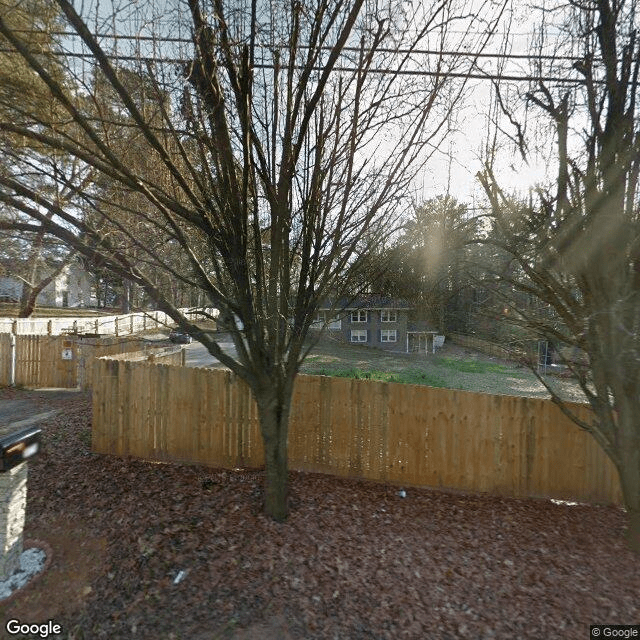
1425 Oakridge Road, Austell, GA 30168
To contact a resident: (770) 941-4718
For more information about senior living options: (866) 208-4318
A New Perspective #2 Costs & Pricing
A New Perspective #2 offers competitive monthly costs for its services, particularly when compared to average rates in Douglas County and the broader state of Georgia. For a semi-private room, residents can expect a fee of $1,200, which significantly undercuts the county's average of $2,318 and the state's typical charge of $2,529. Similarly, for those seeking greater privacy in a private room, the rate is set at $1,750 - also favorable compared to Douglas County's average of $2,587 and Georgia's overall rate of $2,864. These pricing structures not only reflect A New Perspective #2's commitment to affordability but also enhance its appeal as a viable option for individuals seeking quality care without the burden of excessive expenses.
| Floor plans | A New Perspective #2 | Douglas County | Georgia |
|---|---|---|---|
| Semi-Private | $1,200 | $2,318 | $2,529 |
| Private | $1,750 | $2,587 | $2,864 |
Senior living communities with a similar price nearby
-
About the same
Kelly Lake Manor PCH
$1,200 / month18.8 miles away -
About the same
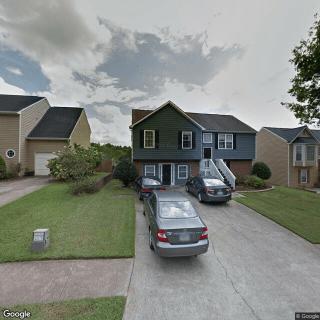
Yellow Rose Manor Pch
$1,200 to $1,500 / month4.7 miles away -
About the same

A New Perspective
$1,200 to $1,750 / month0.0 miles away -
About the same
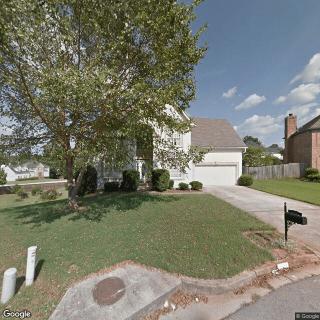
Ebenezer Family Home
$1,200 to $1,500 / month22.9 miles away -
from +$150 / mo
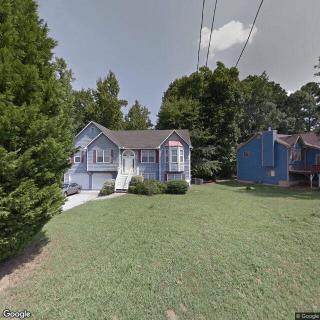
Le'glen Personal Care Home
$1,350 to $2,150 / month19.9 miles away
Overall Review of A New Perspective #2
Pros
 The director is considerate, friendly, and professional.
- The tour is at an easy pace and all questions are quickly answered.
- A New Perspective has a home-like setting with decorative items throughout the entryway, bedrooms, bathrooms, and dining room.
- The layout is smaller, with several bedrooms off a short main hallway, allowing staff to hear and respond quickly to all issues.
- The bedroom has a private bath.
Cons
 There is no security chime on the doors.
- It is on a busy street.
- There are no residents currently occupying the home.
Review
A New Perspective #2 in Austell, GA is best suited for seniors who want a truly home-like setting with intimate caregiver attention, where private bedrooms with private baths and a domestic ambiance take the edge off the facility feel. It should appeal to families seeking straightforward, personable interactions with leadership and staff, since the director is described as considerate, friendly, and professional, and tours move at a relaxed pace with answers readily available. The property operates as two small houses on a larger lot, which creates a quiet, residential vibe and makes it feasible for staff to hear and respond quickly across the home. For residents who value privacy and familiar, non-institutional routines, this setting provides a compelling fit.
Those who may want to consider alternatives include families seeking robust daily programming, broad social opportunities, or on-site medical oversight. If a resident thrives on an active calendar, group activities, or structured memory-care support, larger communities with dedicated activity directors may offer more consistency. The fact that one home currently has no residents suggests the place may still be building its base, which can dampen peer interaction and peer-driven motivation in the near term. Safety considerations also warrant closer look: the property sits on a busy street and doors reportedly lack security chimes, which can unsettle families seeking strong security features.
The positives center on intimacy and responsiveness. The small layout means staff can hear and address concerns quickly, and the private bath in each bedroom supports real privacy and independence. The home-like decor and absence of an institutional atmosphere help residents settle in without feeling warehoused. Direct access to a considerate director and the easy pacing of tours signal administrative emphasis on clear communication and personal touch. The two-house setup can allow gender- or need-based separation if desired, reducing cross-house overlap and potentially improving comfort for residents who are sensitive to shared living spaces.
Yet, the principal drawbacks are tangible. The absence of current residents in at least one home limits social engagement and makes it harder to gauge how programming lands in daily life. The older ranch-style structures may impose limitations on modern accessibility features, and the lack of a security chime on doors raises questions about entry control and safety, especially with a busy street nearby. A small scale naturally constrains activity options, transportation coordination, and on-site caregiving resources. Staffing continuity could hinge on a tiny team, which may amplify risk if a caregiver is unavailable or ill, a real concern for families counting on reliable daily support.
Still, the strengths can meaningfully offset these downsides when approached with clear expectations. The direct relationship with leadership, the fast and personal responsiveness implied by the layout, and the option for private baths support dignity and independence in daily living. The home setting can reduce agitation for residents who dislike impersonal environments, making care feel like a respectful extension of family life. The two-house model, with a CNA-led women’s home and a family-run unisex option, hints at hands-on, attentive staffing that can adapt to individual routines. If occupancy increases and programs arise, these initial strengths may compound, delivering a surprisingly strong small-community experience.
Bottom line for decision-makers: A New Perspective #2 is a practical choice for seniors who prize privacy, simple routines, and direct access to a caring administrator, in a setting that feels like home rather than a campus. It is not the best fit for those needing vibrant daily programming, dementia-focused care, or a bustling social scene, and those who require rigorous security protections should verify door controls and street impact before commitment. Prospective families should verify current occupancy, confirm staffing ratios, and request a detailed snapshot of services, meals, activities, and transportation. When these factors align with budget and expectations, this community can deliver a respectful, low-stress living option with genuine personal attention.
 Board and Care Home
 Private
 William B Hartsfield-Atlanta International (14 miles away)
 Ambulatory care
 Diabetic care
 Incontinence care
 Understanding the Nuances of Palliative Care and Hospice: A Comprehensive Exploration
 Is In-Home Healthcare Tax Deductible? Your Comprehensive Guide
 Nurturing Well-Being Through Gardening: A Detailed Guide for Senior Enthusiasts