
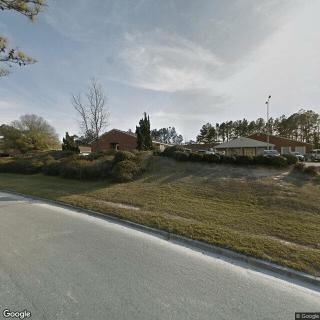
1947 Harrison Road, Augusta, GA 30904
For more information about senior living options: (866) 208-4318
Overall Review of Tnk Personal Care Home
Pros
 The staff are friendly.
- It is a great place to live.
- It is an excellent facility for those who have suffered a brain injury, with pleasant living conditions, caring staff, and rehab.
- The staff are amazing, and residents are happy and healthy.
- The rooms offer great breakfast options.
- The facility is nice and clean.
Cons
 The reviewer claims a white cane used by a legally blind person was stolen during the visit, alleging staff were the only people who entered.
- The staff are described as rude to residents and nag them about cleanliness.
- Maintenance issues, such as a leaking fridge and broken dishwashers, go unfixed, with mold growing on the walls.
Review
Tnk Personal Care Home in Augusta, GA is best suited for seniors who want a warm, social environment with rehab-focused services and a sense of continuity from a stable caregiving team. The facility appears to work well for residents needing nursing care or brain-injury rehabilitation, and for families seeking a home-like setting where daily routines, meals, and familiar faces provide reassurance. Reviews repeatedly highlight pleasant living conditions, friendly interactions with staff, and a community rhythm that supports ongoing relationships with caregivers. In short, this is a practical choice for families prioritizing companionship, predictable daily life, and accessible rehabilitation within a residential atmosphere rather than a clinical, impersonal environment.
Those considering alternatives should weigh a few red flags that recur in feedback. For families who demand pristine maintenance and consistently courteous resident interactions, this may not be the top option. Several remarks mention staff who are rude to residents and corrective scolding about cleanliness, coupled with unresolved maintenance issues such as leaking refrigerators, broken dishwashers, and mold growth on walls. The combination of maintenance neglect and perceived customer-service gaps can erode trust and raise safety concerns for frail seniors. The experience of a documented theft incident involving a mobility aid further compounds worries about security and oversight. The reference to a name change to Nuro restorative signals organizational changes that may affect consistency of care and culture, an important consideration for families seeking reliability.
The strongest advantages center on the people and the rehab potential. Friendly, caring staff and a reputation for excellent care for brain-injury patients stand out as meaningful strengths. Long-tenured residents and family members speak to staff dedication and a sense of stability, with favorable remarks about living conditions, room quality, and even meal options like breakfast variety. For someone whose loved one needs rehabilitation services or structured daily living within a supportive community, these positives can translate into meaningful improvements in mood, engagement, and functional progress. In such cases, the tangible benefits of staff investment and a recovery-focused environment can offset some operational frictions.
Yet the cons are not minor and deserve serious consideration. Maintenance lapses, visible mold, leaking appliances, and non-urgent repairs, can lead to discomfort, environmental concerns, and questions about infection control in a setting housing vulnerable adults. Reports of staff being openly dismissive or inattentive to resident needs undermine trust in daily care routines and safety. The cane-theft incident, even if singular, touches on real risks around resident belongings and staff accountability. Taken together, these issues diminish the facility’s appeal for those with high expectations for meticulous upkeep, proactive maintenance, and consistently respectful resident interactions.
For families actively evaluating this community, a disciplined due-diligence plan is essential. Schedule a site visit focused not just on common spaces but on maintenance responsiveness: note how quickly plumbing, appliances, and safety hazards are addressed; observe how staff interact with residents across different times of day; and ask current families about turnover, call-back times, and the process for reporting concerns. Probe ownership or management status and the implications of the “Nuro restorative” branding, what it has changed in practice, staffing, and accountability. Request recent audit results if available, and seek transparent explanations for past complaints. Bring up practical questions about security of personal belongings, care plans for residents with mobility issues, and the availability of brain-injury rehabilitation programs that match individual needs.
In the end, Tnk Personal Care Home offers a compelling fit for families prioritizing a genuine, community-oriented living environment with accessible rehabilitation options and steady, personable caregiving. The facility delivers meaningful upside in resident satisfaction and care depth when staff engagement remains strong and maintenance is promptly managed. However, the combination of reported rude interactions, ongoing maintenance concerns, mold, and a notable safety incident means that alternatives should be strongly considered for those who cannot compromise on cleanliness, security, and consistently respectful treatment. A well-timed, thorough visit coupled with candid discussions about current operations will determine whether this community can deliver reliable peace of mind or if a different option better aligns with specific care goals and quality expectations.
 3 resident community capacity
 Assisted Living
 Board and Care Home
 Cable or satellite TV
 Dining room
 Fully furnished
 Garden
 Housekeeping services
 Move-in coordination
 Outdoor space
 Telephone
 Wi-Fi/high-speed internet available
 Bush (6 miles away)
 24-hour supervision
 Activities of daily living assistance
 Assistance with bathing
 Assistance with dressing
 Assistance with transfers
 Diabetes diet
 Meal preparation and service
 Medication management
 Special dietary restrictions
 Transportation arrangement (medical)
 Transportation to doctors appointments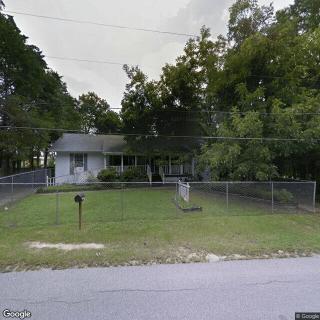


 Securing Financial Support for Assisted Living: A Comprehensive Overview
 Social Security Benefits and Assisted Living: Navigating Options Across the U.S.
 An Extensive Exploration of the VA Aid and Attendance Benefit