
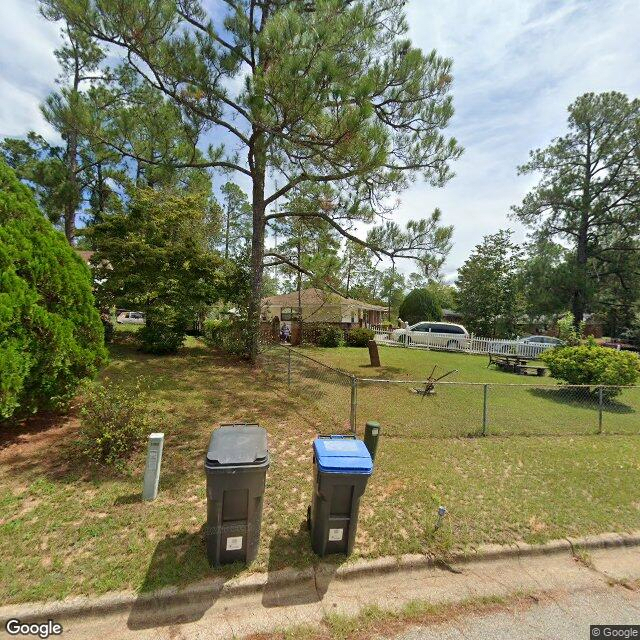
2366 Dublin Drive, Augusta, GA 30906
For more information about senior living options: (866) 208-4318
Loves Community Care Center Costs & Pricing
Loves Community Care Center offers competitive pricing for its services compared to the broader market in Richmond County and throughout Georgia. Monthly rates for a semi-private room are set at $1,200, significantly lower than the county average of $2,143 and the state average of $2,529. The center's private rooms are also attractively priced at $1,600, which is considerably less than both the county rate of $2,959 and the state rate of $2,864. These cost-effective options reflect Loves Community Care Center's commitment to providing quality care while ensuring affordability for its residents, making it an appealing choice for families seeking supportive living environments.
| Floor plans | Loves Community Care Center | Richmond County | Georgia |
|---|---|---|---|
| Semi-Private | $1,200 | $2,143 | $2,529 |
| Private | $1,600 | $2,959 | $2,864 |
Overall Review of Loves Community Care Center
Pros
 They truly care about special needs children.
- It is run by a husband and wife who have a special needs child, which makes it feel like home.
- The place feels like family rather than a business.
- The staff is exceptional and truly cares about the kids.
- The child enjoys her time there.
Review
Loves Community Care Center in Augusta is best suited for families seeking a home-like, deeply attentive setting for a child with special needs. This small, husband-and-wife–run operation stands out because the owners have lived the challenges themselves and have shaped a environment that feels less like a clinical center and more like a family living room, where care plans, routines, and daily decisions hinge on understanding and genuine empathy. The two reviews consistently describe a place that feels like home, where staff members treat each child with individualized attention and a readiness to accommodate unique needs rather than force the child into a preset program. For parents who prize warmth, flexibility, and relationships built on trust, this community centers its value proposition on being emotionally and practically in sync with the family.
Those who may want to consider alternatives include families whose priorities extend beyond a homey feel to require robust medical oversight, specialized therapies, or large-scale programming. If the child’s needs demand 24/7 nursing presence, on-site licensed therapists with a broad range of disciplines, or a facility with extensive equipment and formal accreditation, another option may be more appropriate. Similarly, families seeking highly structured schedules, standardized activities across a larger population, or facilities with broader staffing corridors should be aware that a small, family-run center may not mirror the scale and formal capacity of bigger operators. In short, this is less about a deficiency and more about aligning expectations with what the center is designed to deliver: intimate, individualized care over institutional breadth.
The strongest pros, exceptional, compassionate staff; the genuine care that comes from ownership who intimately understands special needs, offset potential downsides by delivering trust, responsiveness, and a truly personalized care plan. When every decision feels tailored to a child’s temperament, sensory preferences, and communication style, the benefit is not just safety or supervision but a sense of belonging and continuity. Parents are given visibility into daily adaptations, and the sense that the child is not a number but a family member who is known well by people who care deeply. That level of relational certainty can translate into less anxiety for families and more consistent progress for the child, which often outweighs the absence of larger-scale programming found at bigger facilities.
Even if a family considers the trade-offs, the center’s core advantages remain compelling. A home-like atmosphere paired with staff who genuinely care can produce meaningful outcomes in daily mood, cooperation with routines, and willingness to participate in activities. The leadership by a couple who runs the operation with direct, hands-on involvement helps ensure that care decisions reflect real-world needs rather than abstract policy. The resulting culture tends to be highly responsive, with adjustments made quickly to accommodate changing conditions, preferences, or new challenges. While this may come with limits in resources and capacity, for families prioritizing trust, continuity, and day-to-day compassion, those gains often exceed the potential gaps.
From a practical standpoint, the community’s five-star rating on two reviews signals strong satisfaction from families who value the intimate, family-driven approach. Augusta residents seeking a facility that treats a child with special needs as part of the family will recognize the alignment here. Prospective families should verify fit by assessing daily routines, the child-to-caregiver ratio, and how care plans are developed and updated. It’s also wise to explore how emergencies are managed, what therapies can be accommodated, and how long-term plans are coordinated when circumstances change. The aim is to confirm that the setting’s strengths, trust, warmth, and adaptability, meet the child’s essential needs in a reliable, consistent way.
In choosing between Loves Community Care Center and alternatives, the decisive question is simple: does the family value a deeply personal, family-like environment over broader clinical programming? If the answer is yes, this center offers a rare blend of authenticity and capability that resonates particularly with families who want their child to feel truly known and cherished. For families where medical intensity, specialized therapies, or expansive activity calendars are non-negotiable, exploring larger or more medically equipped options is prudent. Schedule a visit, ask pointed questions about daily structure, and observe how staff interact with the child. If alignment is present, the decision becomes straightforward: this is where care feels like family, and the child’s individual needs are met with uncommon warmth and attentiveness.
 9 resident community capacity
 Assisted Living
 Board and Care Home
 Day Program
 Memory Care
 Cable or satellite TV
 Dining room
 Fully furnished
 Garden
 Housekeeping services
 Move-in coordination
 Outdoor space
 Private
 Telephone
 Wi-Fi/high-speed internet available
 Bush (9 miles away)
 24-hour supervision
 Assistance with bathing
 Assistance with dressing
 Assistance with transfers
 Diabetes diet
 Diabetic care
 High acuity care
 Incontinence care
 Meal preparation and service
 Medication management
 Special dietary restrictions
 Transportation arrangement (medical)
 Transportation to doctors appointments


 Medications Associated with Dementia Risk: A Comprehensive Overview
 Guiding Your Journey: Understanding Power of Attorney for Elderly Parents
 22 Remarkable Caregiver Support Groups Available Online and In-Person