

2008 Evergreen Dr, Augusta, GA 30909
To contact a resident: (706) 738-9570
For more information about senior living options: (866) 208-4318
Overall Review of Evergreen Personal Care Home
Pros
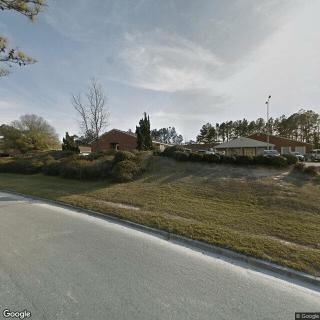
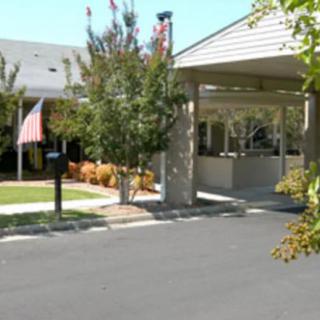
 The facility is fantastic and very clean, with well-trained staff who care deeply about the residents.
- Staffing ratios are very good, and the staff are friendly and helpful to resident families.
- There are lots of great activities for residents and their families to engage in each day.
- The upgrades throughout the building are well liked and enhance the environment.
- The place is described as awesome, with great people among the cooks, employees, residents, and management.
Cons
 The facility is disgusting.
- Residents are treated horribly and left sitting in soiled briefs for hours.
- The CEO only cares about money.
- Residents are abused, and pills are stolen from the cart.
- Nothing gets done and issues are swept under the rug.
- There hasn’t been a housekeeper for two months; the place is a mess.
- The boss does not care; it is a terrible place.
Review
Evergreen Personal Care Home in Augusta is best suited for families that want a facility with a bright, active environment and a clean, well-kept feel, where staff engagement and resident programming are tangible positives. This is a place that can deliver meaningful daily structure, events, social opportunities, and a visible commitment to upkeep, if the operations stay steady. The ideal family is one that can devote attention to ongoing oversight, ask pointed questions about care quality, and be prepared to advocate if shifts in leadership or staffing patterns raise concerns. In short, it works well for families prioritizing liveliness and cleanliness, while accepting that care quality may vary and must be monitored closely.
On the upside, several reviews paint Evergreen as a strong option when it comes to practical daily living. Cleanliness and upkeep receive consistent praise, and staff are described as well-trained and genuinely focused on residents. The ratios of staff to residents are cited as favorable, which translates into more hands-on attention than in some peers. Families report friendly, responsive personnel who facilitate meaningful connections and communication, making it easier to stay engaged in the resident’s day-to-day life. The facility also benefits from visible upgrades and a robust activity calendar, offering a breadth of programs for residents and their visiting families. Taken together, these elements create a credible, respectful living environment for many residents.
The flip side is unmistakable and cannot be ignored. A pair of reviews describe severe neglect and abuse in the strongest terms, including residents left in soiled briefs for hours and allegations that critical problems were swept under the rug by management. Another review veers into a broader indictment of leadership, accusing the CEO of prioritizing money over resident welfare and citing issues such as theft and chronic housekeeping gaps. While one of these allegations cites a facility in a different city, the underlying message, concern about governance, accountability, and a culture that tolerates abuse or lax oversight, cannot be dismissed. Taken together, the negative voices signal a real risk that care quality could deteriorate under weak management or inconsistent staffing.
Those positives and negatives must be weighed against one another with particular care. The strong points, cleanliness, attentive staff, engaging activities, are meaningful safeguards that can significantly enhance daily life and safety. Yet they are only as solid as the governance and the consistency of care behind them. If leadership is responsive, transparent, and willing to address problems head-on, the positives can be sustained and even amplified. If not, a facility that otherwise shines in appearance and programming can become a pattern of missed promises, mismanagement, or even neglect. Prospective families should demand evidence of stable leadership, low turnover among caregiving staff, and a clear, documented approach to resident safety, incident reporting, and corrective action.
Given the divide in experiences reflected in the reviews, alternatives should be seriously considered for families where risk tolerance is low and accountability is non-negotiable. If priorities center on unwavering safety, consistent care standards, and demonstrable governance, it may be prudent to compare Evergreen with facilities that offer stronger, verifiable track records in these areas. The decision should hinge on firsthand clarity: current inspection results, recent surveys, caregiver-to-resident ratios by shift, and candid conversations with residents and their families about day-to-day experiences. A facility can look excellent on upgrades and activity calendars while masking deeper systemic issues; this pattern warrants caution.
The path forward is practical and disciplined. Schedule a comprehensive tour focused on care delivery as it happens: observe meals, note how quickly staff respond to call bells, and verify maintenance of private areas such as resident rooms and bathrooms. Request recent incident logs, assessments, and a copy of the most current care plan for a resident with similar needs. Interview multiple staff members across shifts and speak with current residents and family councils to gauge consistency and trust. If governance concerns surface, or if turnover and accountability appear weak, family decision-makers should pivot to alternatives with clearer, demonstrable commitments to resident welfare. Evergreen can be a strong fit for some, but only when oversight is meticulous and the care culture proves resilient across leadership and staffing.
 Bush (8 miles away)


 Understanding Home Health Care: A Comprehensive Guide
 Home Health Care Demystified: A Comprehensive Guide for Families and Caregivers
 Seniors and Modern Transportation: Exploring Uber, Lyft, and Other Ride-Hailing Options