

6065 Roswell Road, Suite 424, Atlanta, GA 30328
To contact a resident: (770) 649-9930
For more information about senior living options: (866) 208-4318
Overall Review of ComForCare Home Care - Northwest Metro Atlanta
Pros
 The company is nothing short of amazing.
- It has been a total gift from God after two strokes.
- The reviewer hasn’t been alone since making one call.
- The reviewer received the most friendly and utmost care.
- The reviewer felt like part of the family.
- There is no better home care service in the business.
- Dr. O expanded her extraordinary care and support to the NW region of Atlanta.
- The experience with ComforCare for the reviewer’s mom was seamless.
Cons
 The staff were not very cordial.
Review
ComForCare Home Care – Northwest Metro Atlanta is best suited for seniors who want to stay in their own homes but need hands-on, compassionate support after health events, especially stroke recovery. The strongest signal from the reviews is a deeply personal, family-like approach: caregivers who show up ready to listen, assist, and be present, turning what could be a lonely experience into one of steady companionship and practical help. Families facing the stress of recovery can expect timely engagement, clear communication, and a sense that professional care has become a trusted extension of the home. This is a good fit for someone who prizes emotional comfort as part of the healing process and wants a provider capable of mobilizing empathetic support quickly.
Those who may want to consider alternatives are those requiring highly clinical, nurse-led, round-the-clock medical oversight at home. If the primary need centers on strict medical administration, high-frequency skilled nursing, or a tightly standardized, facility-like service model, a different in-home agency or a skilled-nursing option may serve better. Similarly, households prioritizing a uniformly formal, businesslike demeanor over warmth and rapport might want to evaluate other agencies with more uniform caregiver training and scheduling practices. In short, the model here thrives on relational care, not a rigid, clinical veneer.
The main pros, personal warmth, rapid access to help, and a strong sense of being supported, substantially offset the noted drawback. Several reviews describe care that feels like a gift and a genuine family connection, with one reviewer explicitly calling the service “the most amazing” support after strokes and another praising seamless coordination and “perfect care matches” for a loved one. The involvement of Dr. O and the expansion into the NW region further bolster confidence that clinical insight is available and that care is not improvised but guided by experienced leadership. Even the strongest negative remark, an isolated comment about cordiality, should be weighed as a potential area for onboarding refinement rather than a systemic flaw, given the overwhelming positive testimonials about outcomes and relationships.
That said, the negative signal cannot be ignored. A single reviewer’s remark about the staff not being cordial suggests a risk of inconsistency in bedside manner across shifts or caregivers. Families should seek assurance about caregiver matching, continuity of care, and responsive management to ensure the warmth seen in other accounts is maintained across all visits. To mitigate this, request a formal caregiver assignment plan, ask how staffing coverage is handled during absences, and insist on a clear escalation pathway if a client feels a particular interaction is not meeting expectations. These steps can help convert warmth into a reliable, everyday experience rather than a best-case exception.
From a practical perspective, the expected scope includes help with daily activities, mobility support, medication reminders, and coordination with clinicians, all delivered in a way that keeps the loved one engaged and less isolated. The positive testimony about recovery progress and the sense that care aligns well with medical needs points to meaningful, measurable benefits: improved routine, better mood, and fewer hospital interruptions when a trusted team is involved. The leadership presence of Dr. O signals a clinically guided approach that can enhance safety, symptom management, and timely adjustments to care plans, which matters for families balancing independence with risk.
The bottom line is clear: ComForCare NW Metro Atlanta stands out for families who prize compassionate, relationship-centered in-home care with demonstrated impact on recovery and daily living. For those who can tolerate, and even expect, a possible variance in staff warmth, the rewards appear substantial: genuine human connection, steady reliability, and a care team that can scale as needs evolve. Prospective clients should pursue a thorough intake, request caregiver matching discussions, and insist on clear accountability measures. If aligned, this provider offers a compelling path to keeping a loved one safely at home with dignity, progress, and a trusted care partner at the helm.
 William B Hartsfield-Atlanta International (20 miles away)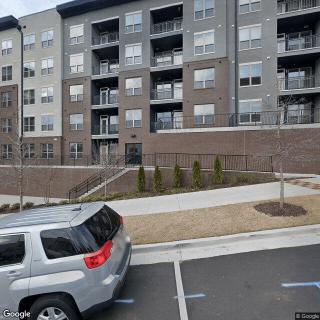






 In-Home Care Costs in 2025: A Detailed State-by-State Exploration
 Understanding Home Health Care: A Comprehensive Guide
 Home Health Care Demystified: A Comprehensive Guide for Families and Caregivers