300 Johnson Ferry Road, N.E., Atlanta, GA 30328
For more information about senior living options: (866) 208-4318
Overall Review of Sandy Springs Personal Care Center
Pros
 The PCC at Mount Vernon Towers provides an exceptionally good experience with competent, pleasant, and caring staff.
- Afoune Remy is highlighted as a responsive director who ensures things happen smoothly for residents and families.
- The PCC fosters a sense of community and offers space for residents’ recovery.
- Families report that the staff are caring, attentive, and genuinely concerned about residents’ well-being.
- The facility offers convenient services, including visiting nurse practitioners and pharmacy services, coordinated by the staff.
- The nursing staff at the PCC is outstanding, and the leadership is a definite asset to the organization.
- Mount Vernon Towers is described as one of the finest senior and assisted living facilities, noted for consistent, genuine care and excellence.
Review
Mount Vernon Towers Personal Care Center (Sandy Springs PCC) is best suited for seniors who need dependable daily assistance after a fall, surgery, or a stroke, and for families seeking a recovery-focused environment that can evolve into longer-term personal care without uprooting a loved one. The setting blends community immersion with enough privacy to support healing, and it centers on responsive, hands-on leadership. Director Afoune Remy is repeatedly cited as the anchor of reliable operations, turning requests into concrete outcomes. Residents enjoy private or semi-private suites, with the option to dine in the PCC or the main dining room, a combination that helps maintain social ties while preserving a sense of autonomy during recovery.
Those who should consider alternatives are individuals whose primary need is intensive medical oversight from day one or who require a dedicated memory-care program from the outset. The PCC operates as a personal care unit within a larger complex, coordinating outside providers rather than sustaining a full in-house medical team. For families seeking a smaller, more intimate campus or a setting with explicit, stand-alone memory-care specialization, a dedicated memory-care community or skilled-nursing facility may be a better fit. The absence of published, detailed metrics on staff ratios or rehab-specific offerings could matter to higher-acuity residents evaluating options.
The core advantages are substantial. Staff consistently comes across as competent, pleasant, and genuinely caring, with responsiveness that translates into tangible benefits for residents and families. The ability to coordinate visiting nurse practitioners and pharmacy services smoothly reduces care-friction for families navigating complex needs. The leadership’s hands-on approach, addressing requests and working with families on forms and logistics, fosters trust and a sense of partnership. In addition to clinical care, the environment supports social engagement through Mount Vernon Towers events, helping residents stay connected to a broader community.
These strengths offset the main limitations by delivering a care experience that feels professional yet truly person-centered. The PCC’s model emphasizes healing and gradual independence rather than a purely medical institution atmosphere, which is precisely what families want during post-acute recovery. Although the facility does not promise in-house, round-the-clock medical coverage typical of a skilled nursing setting, its capacity to mobilize external providers swiftly and the presence of a devoted PCC manager ensure safety and continuity. For many families, the emotional relief of seeing a well-run, community-oriented space outweighs the absence of hospital-level medical intensity.
Real-world experiences reinforce this assessment. One family notes a mother thriving in a one-bedroom suite with a private living area, choosing between PCC dining and the main dining room, with medications and ADLs handled professionally while preserving her sense of independence. Afoune’s leadership is repeatedly described as like-family, attentive, capable, and dependable. Other reviewers highlight years of steady, compassionate care, and the nursing staff’s excellence. The opportunity to attend local activities and events helps residents feel they remain part of a familiar social fabric, easing the transition from independent living to assisted living.
Bottom line: for seniors needing recovery-focused personal care with strong staffing, responsive leadership, and genuine community connections, Mount Vernon Towers PCC stands out as a robust choice. It delivers consistent, compassionate care and meaningful family support that align with post-acute recovery trajectories that evolve into longer-term assistance. However, for those whose care needs demand intensive medical oversight from day one or a standalone memory-care environment, exploring alternatives early in the decision process is prudent. Prospective families should visit to observe staff interactions, tour private and shared spaces, and speak with Afoune Remy to confirm alignment with the resident’s care goals and the family’s peace of mind.
 28 resident community capacity
 Assisted Living
 Respite Care
 Beauty salon
 Cable or satellite TV
 Dining room
 Fully furnished
 Garden
 Housekeeping services
 Kitchenette
 Move-in coordination
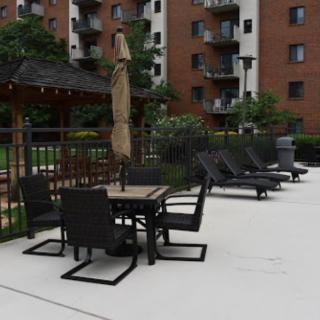
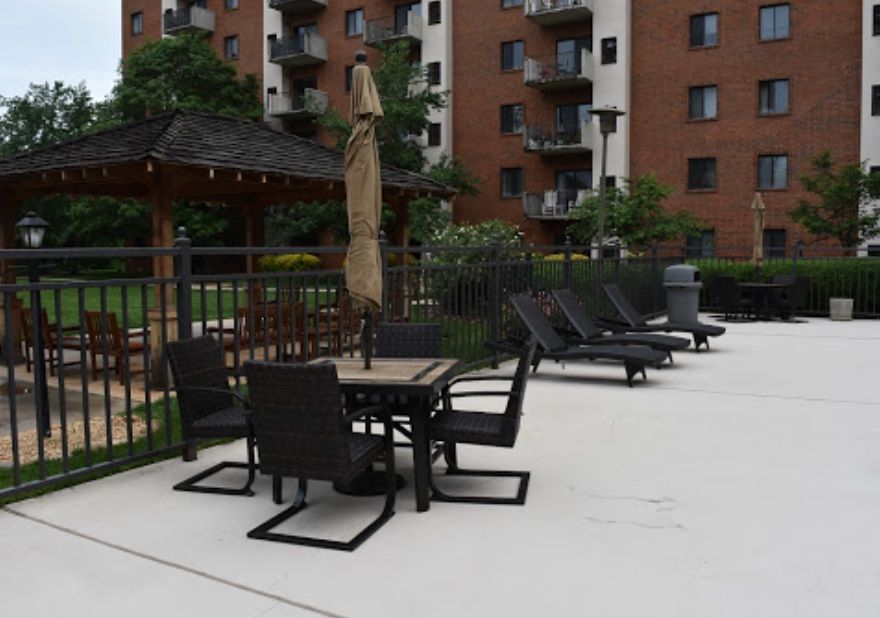
 Outdoor space
 Restaurant-style dining
 Small library
 Telephone
 Wi-Fi/high-speed internet available
 William B Hartsfield-Atlanta International (20 miles away)
 24-hour call system
 Activities of daily living assistance
 Assistance with bathing
 Assistance with dressing
 Assistance with transfers
 Diabetes diet
 Medication management
 Mental wellness program
 Special dietary restrictions





 An Extensive Exploration of the VA Aid and Attendance Benefit
 Senior Transition Services: Understanding Their Role, Cost, and Importance
 Exploring the Path to Senior Living: A Comprehensive Look at Independent Living and Assisted Living