
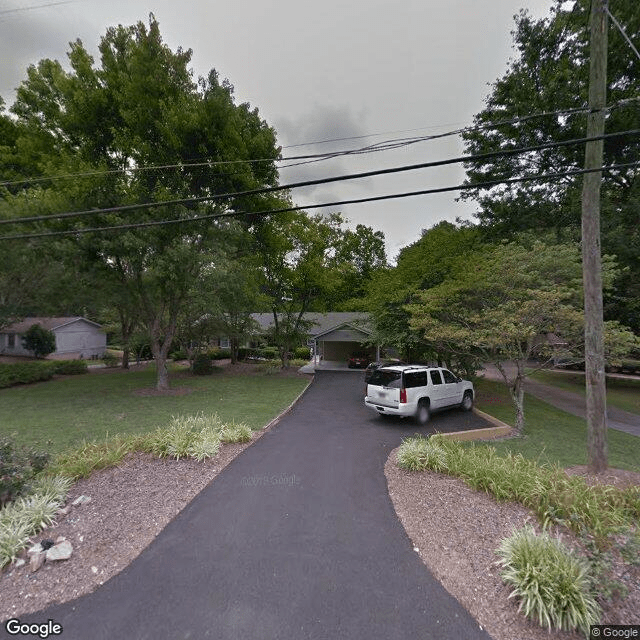
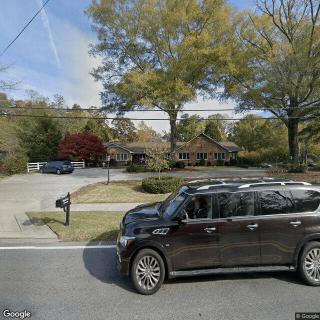
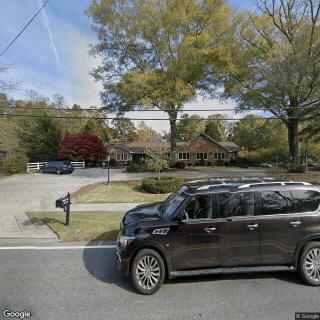
12775 Providence Rd, Alpharetta, GA 30004
To contact a resident: (404) 824-1008
For more information about senior living options: (866) 208-4318
Providence of Alpharetta Costs & Pricing
At Providence of Alpharetta, monthly costs for senior living accommodations reflect both the quality of care and the amenities provided. For a semi-private room, residents can expect to pay $2,900, which is slightly above the average for Fulton County at $2,883, yet remains competitive when compared to the broader state average of $2,529. If opting for a private room, the cost stands at $3,200 - just below the county's figure of $3,203 but notably higher than Georgia's state average of $2,864. These pricing dynamics underscore the value placed on resident experience and care quality at Providence of Alpharetta while also highlighting how local market factors influence overall costs in this vibrant community.
| Floor plans | Providence of Alpharetta | Fulton County | Georgia |
|---|---|---|---|
| Semi-Private | $2,900 | $2,883 | $2,529 |
| Private | $3,200 | $3,203 | $2,864 |
Senior living communities with a similar price nearby
-
About the same
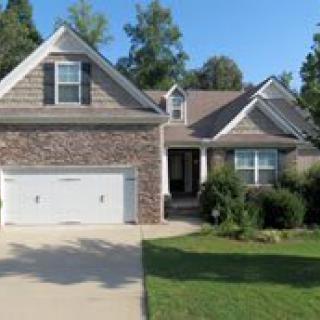
Miss Willie's Manor
$2,850 to $3,250 / month24.2 miles away -
from +$100 / mo
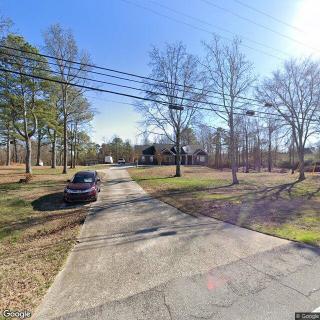
Spout Springs Personal Care Home
$3,000 / month24.3 miles away -
from -$400 / mo
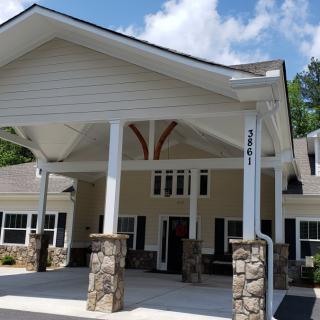
Green Park at Kennesaw
$2,500 to $5,500 / month16.4 miles away -
from -$400 / mo

Golden Manor Senior Living
$2,500 to $4,445 / month17.8 miles away -
from -$400 / mo
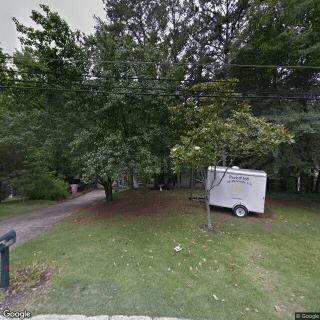
Love Touch Personal Care Home
$2,500 / month9.4 miles away
Overall Review of Providence of Alpharetta
Pros
 They describe Providence Senior Living as professional, clean, caring, and loving.
- They say the staff are wonderful and the home is super clean with engaging activities.
- They note the facility and staff are top notch, with everyone being polite, caring, and tireless.
- They describe the owner as knowledgeable and genuinely concerned about residents’ needs, making families feel confident their loved one will be well cared for.
- They mention Providence of Alpharetta as clean, in a beautiful area, with wonderful people.
- They reflect that the smaller, caring environment might be the right choice for some residents.
- They compliment the medication organization and overall care management.
Cons
 They claim the facility's process for obtaining timely medical attention to prevent a fatal illness like a UTI was inadequate, contributing to their mother's death.
- They state their mother died five days after collapsing from septic shock while under the facility's care.
- They allege the caregiver noticed signs of a UTI but did not call the family to obtain medication, delaying treatment.
- They report that staff did not notify the family about the illness, and one owner insisted they were following the appropriate process, which the reviewer disputes.
- They recount that the owner was upset when they picked up their mother's belongings the day before she died, criticizing the family for not giving advance notice.
- They warn readers not to be fooled by appearances of concern, claiming the death resulted from a lack of urgency and no family notification.
- They describe the death as unnecessary and preventable, stating it would only have taken one phone call.
- They note the location was not ideal and the activity level could be a minus.
Review
Providence of Alpharetta is best suited for families seeking an intimate, home-like environment where residents receive consistent, hands-on attention from a small staff. The community shines for seniors who value easy access to caregivers, strong personal connections, and highly individualized care, particularly those navigating memory concerns who benefit from a calm, less institutional setting. It is a strong choice for couples or lone seniors who want a warm, family feel and straightforward medication management in a tightly knit neighborhood-like campus. Those who need frequent outside excursions or high-end programming may find the pace and scope of activities limiting. In short, this is a fit for families prioritizing relational care and daily continuity over campus size or flashy programing.
Alternatives are worth considering for certain needs. The most salient red flags pertain to medical responsiveness and escalation protocols under stress, which some families view as a deal-breaker. If a resident requires aggressive, rapid medical intervention or consistent, transparent family communication during emergencies, a larger facility with more formal escalation processes may be preferable. Transportation to appointments and broader outside activities are not built into the base offering here, so if mobility and community outings are essential, budgets and expectations should reflect that reality. For residents on Medicaid or those seeking aggressive financial flexibility, other communities with different payer structures may provide clearer coverage and options.
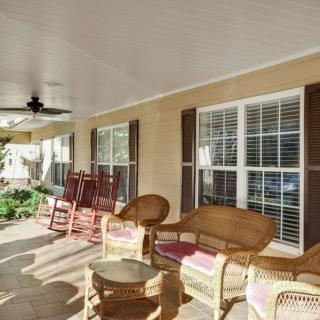
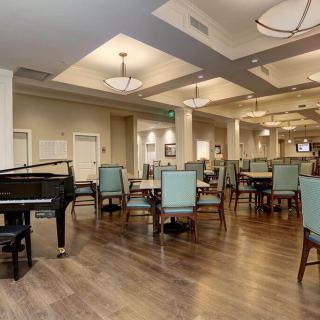
The strongest strengths come from the human side: a typically clean environment, caring staff, and a management team that appears sincere and knowledgeable. Families repeatedly note that the staff are devoted, the housing feels pleasant, and daily routines include meaningful activities and social interaction. Medication management is highlighted as well organized, with attention to how treatments are administered and tracked. The small size, often described in reviews as eight residents in a cozy, home-like setting, facilitates close monitoring and consistent relationships with caregivers. Modern renovations and a sense of pride in the campus contribute to a reassuring atmosphere for those who want peace of mind about daily care.
Yet serious concerns appear in the historical record that cannot be ignored. A former family described a fatal outcome following a severe infection that they believe was not adequately escalated or promptly communicated to loved ones. The facility reportedly argued that the appropriate process was followed, but the experience left a lasting impression of urgency and transparency gaps. While this is a singular or contested account and may reflect past leadership or procedural issues rather than ongoing practice, it remains a crucial context for decision-making. Prospective families should probe current responders’ training, incident handling, and family notification routines to assess whether safeguards have strengthened since then.
Operationally, Providence emphasizes in-house access to professionals, geriatric care visits, podiatry, hair services, and a tight schedule of in-house health management. The price structure leans private-pay with no Medicaid at the time of these reviews, and the cost cues suggest a higher price point for a small home. Transportation to doctor visits is handled off-site and incurs additional expense, and day-care options are limited. While the smaller footprint can be a benefit for reassurance and individualized attention, it also means fewer off-campus outings and fewer spontaneous group adventures. This constraint matters for residents who crave robust external engagement.
Decision-makers will derive the clearest guidance by aligning expectations with resident needs. Providence of Alpharetta is a strong match for families seeking a calm, intimate setting with deeply involved caregivers, exceptional personal attention, and dependable medication routines. It offsets many logistical gaps with its emotional intelligence, continuity of care, and a sense of community that can be hard to find in larger facilities. However, for those whose priorities include aggressive medical responsiveness, extensive transportation, diverse daily programming, or Medicaid flexibility, alternatives that scale up in size and resources should be pursued. A candid visit, asking about current staffing, emergency protocols, and concrete examples of past rapid responses, will reveal how well this community would translate its strengths into daily, reliable peace of mind.
 Board and Care Home
 Cats allowed
 Dogs allowed
 Activities off-site
 Beautician on-site
 Devotional services off-site
 Indoor common areas
 Outdoor common areas
 Private
 Private bathrooms
 Respite or short term stays offered
 Wheelchair accessible showers
 Ambulatory care
 Diabetic care
 High acuity care
 Incontinence care
 Medication management
 Meals provided

 A Detailed Exploration of Living Wills and Advance Directives
 Comprehensive Guide to Medicare Coverage for Hospice Care
 Caring for Those Who Care: Recognizing, Understanding, and Overcoming Caregiver Burnout