For more information about senior living options: (866) 208-4318
4.8 from 101 reviews
5 stars
94
4 stars
2
3 stars
1
2 stars
0
1 stars
4
Crabapple Hall Costs & Pricing
Crabapple Hall offers semi-private accommodations at a monthly cost of $3,200, which is notably higher than the average costs in both Fulton County and the broader state of Georgia. In Fulton County, similar semi-private arrangements average around $2,883, while statewide figures reflect an even lower average of approximately $2,529. This pricing structure suggests that Crabapple Hall may provide premium services or amenities that justify the higher cost. Residents and their families should consider these factors when evaluating options to ensure they find a living arrangement that aligns with their needs and budget.
Floor plans
Crabapple Hall
Fulton County
Georgia
Semi-Private
$3,200
$2,883
$2,529
Senior living communities with a similar price nearby
from -$350 / mo
Miss Willie's Manor
5 from 22 reviews
$2,850 to $3,250 / month
24.3 miles away
from +$300 / mo
Watermark Senior Living
5 from 16 reviews
$3,500 / month
22.9 miles away
from -$200 / mo
Spout Springs Personal Care Home
5 from 10 reviews
$3,000 / month
24.2 miles away
from +$299 / mo
Miss Willie's Manor II
5 from 9 reviews
$3,499 to $3,800 / month
24.7 miles away
from +$484 / mo
Certified Home Care of Georgia
4.9 from 27 reviews
$3,684 / month
24.7 miles away
Overall Review of Crabapple Hall
common18 reviews mention this
Caregiving stands out most
Residents and families consistently describe caring, attentive staff who know them as people.
Across the reviews, the most repeated theme is how staff treat residents with kindness, patience, and dignity. Multiple families say caregivers and nurses are proactive and available, including during busy times and routine check-ins. Several reviews also mention that staff help with difficult transitions and support families through what can be an emotional process. A few reviewers also note that the front desk and leadership teams are welcoming and responsive when questions come up.
common12 reviews mention this
Activities keep residents engaged
Daily activities and special events are a frequent reason families feel their loved ones are thriving.
Many reviews describe a steady schedule of social activities, from group events like bingo and themed gatherings to outings and exercise classes. Families say residents are encouraged to participate without feeling forced, and that engagement is visible in common areas and courtyards. Several reviewers highlight memory-care programming as well, describing interaction that stays focused on residentsā€™ interests and needs. A few reviews also connect the activities to improved mood and quality of life after moving in.
common7 reviews mention this
Food and meals get praise
Meals and food quality are repeatedly called out as a strength.
Residents and families mention that meals are enjoyable, with reviews describing variety and healthy options. Some note that dining staff work with dietary needs and restrictions, and a few families specifically praise how the food supports daily routines. There are also references to meals being part of activities and celebrations, like lunches tied to events. Overall, the dining experience comes through as a consistent positive in the day-to-day reviews.
differentiator9 reviews mention this
Memory care support is detailed
Families seeking memory care describe a structured approach and steady involvement from the team.
Several reviews specifically discuss memory care programming and how staff respond when needs change. Families describe caregiver sensitivity, engagement, and communication that helps reduce stress during the transition. One review mentions a move from assisted living to memory care due to elopement risk, and credits staff with helping coordinate the change. Others highlight memory-care activities and programs built around residents with cognitive decline.
common6 reviews mention this
Clean, welcoming building
Many reviewers say the facility feels clean, well kept, and welcoming.
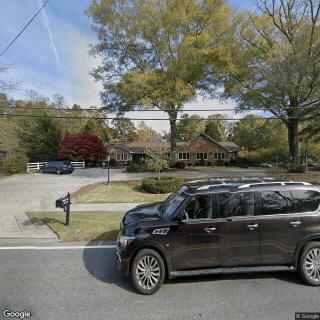
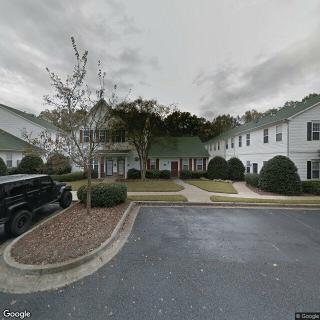
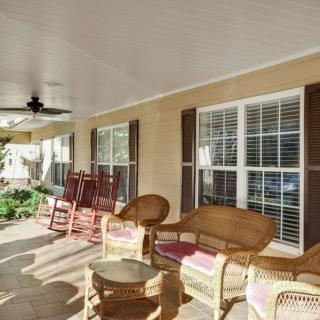
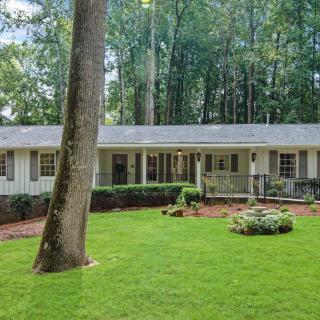
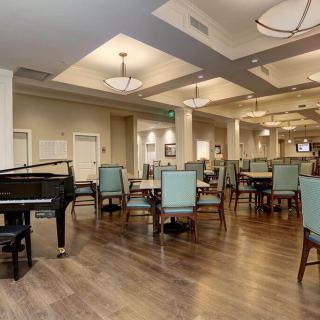
Multiple reviews describe the community as clean and maintained, including interiors that feel bright and fresh. Families also mention welcoming common spaces and outdoor areas where residents can spend time. A few reviews connect the overall cleanliness and atmosphere to peace of mind for families, especially early after move-in or during ongoing care. Even when reviewers focus on care and activities, cleanliness is often mentioned alongside those strengths.
How we summarize
Counts show how many written reviews mention each theme; a review can touch several themes, and only frequently mentioned themes are displayed.
Features
Housing
Studio apartments
Types of Care
Board and Care Home
Pets
Cats allowed
Dogs allowed
Nearby Places of Interest
This part of Alpharetta, Georgia offers a variety of amenities and services that cater to seniors looking for a convenient and vibrant community. With several pharmacies, restaurants, physicians' offices, hospitals, cafes, theaters, places of worship, and parks within close proximity, residents have easy access to healthcare, entertainment options, dining choices, spiritual activities, and outdoor recreation. The presence of reputable healthcare providers such as Alpharetta Pediatrics and Resurgens Orthopaedics ensures quality medical care nearby. Additionally, the diverse range of dining options including Jekyll Brewing and JINYA Ramen Bar provides opportunities for socialization and culinary exploration. Overall, this neighborhood provides a well-rounded environment for seniors to enjoy a fulfilling and comfortable lifestyle in Alpharetta.
Crabapple Hall offers semi-private accommodations at a monthly cost of $3,200, which is notably higher than the average costs in both Fulton County and the broader state of Georgia. In Fulton County, similar semi-private arrangements average around $2,883, while statewide figures reflect an even lower average of approximately $2,529. This pricing structure suggests that Crabapple Hall may provide premium services or amenities that justify the higher cost. Residents and their families should consider these factors when evaluating options to ensure they find a living arrangement that aligns with their needs and budget.
Caring, professional staff in a clean, well-maintained setting with engaging activities.
Mayfield Oaks
Alpharetta, GA
4.7 from 12 reviews
$3,000 / month
Immaculate, home-like environment with attentive staff and engaging activities.
Churchill Manor
Alpharetta, GA
4.4 from 10 reviews
$2,850 / month
Compassionate, personalized care in a smaller, clean, welcoming setting.
Bebe's Cottage
Alpharetta, GA
4 from 5 reviews
$1,850 to $2,000 / month
Small, warm, family-like atmosphere with dedicated staff and homemade meals.
Enable Lynne Circle
Alpharetta, GA
Intimate, small-capacity community offering comprehensive assisted living services, including 24/7 supervision, ADL support, diabetes-friendly meals, and transport coordination.
Well Care Agency
Alpharetta, GA
Excellent access to dining, healthcare, parks, and entertainment nearby.
Oaks at Alpharetta
Alpharetta, GA
4.5 from 153 reviews
$2,750 to $3,700 / month
Clean, welcoming environment with friendly, compassionate staff in an intimate, community-focused setting.
Palliative care enhances the quality of life for seriously ill patients by providing comprehensive support at home through a multidisciplinary team, addressing various needs and prioritizing comfort over curative treatments. While it offers personalized care and involves family in decision-making, challenges like caregiver stress and logistical issues persist, with growing demand prompting advancements in technology and healthcare policies to improve access.
Palliative home care focuses on improving the quality of life for individuals with serious illnesses by providing comfort, symptom management, and emotional support in their own homes. This approach includes personalized care plans, regular assessments, and resources for family caregivers, all while prioritizing person-centered treatment that aligns with patients' goals.
Skilled nursing facilities (SNFs) provide high-level medical care and rehabilitation for short-term recovery, typically covered by Medicare after hospitalization, while nursing homes focus on ongoing custodial care for chronic conditions, mainly funded by Medicaid or private payments. The staffing and regulatory structures differ significantly between the two, necessitating clarity for families in choosing appropriate long-term care options.
Get PricingAsk A QuestionSchedule A TourContact Senior Advisor
By clicking submit, you agree to our Partner's Terms of Use. You
also consent to receive calls and texts, which may be autodialed, from our Partner. Your consent is not a condition to
using our Partner's service. Please visit our Partner's Privacy Policy for information about their privacy practices.

 Studio apartments
 Board and Care Home
 Cats allowed
 Dogs allowed
 Caring, professional staff in a clean, well-maintained setting with engaging activities.

 Exploring Palliative Care in the Home: A Comprehensive Overview
 Comprehensive Insights into Palliative Home Care: What It Is and What to Expect
 Skilled Nursing Facilities vs. Nursing Homes: Making Sense of the Differences