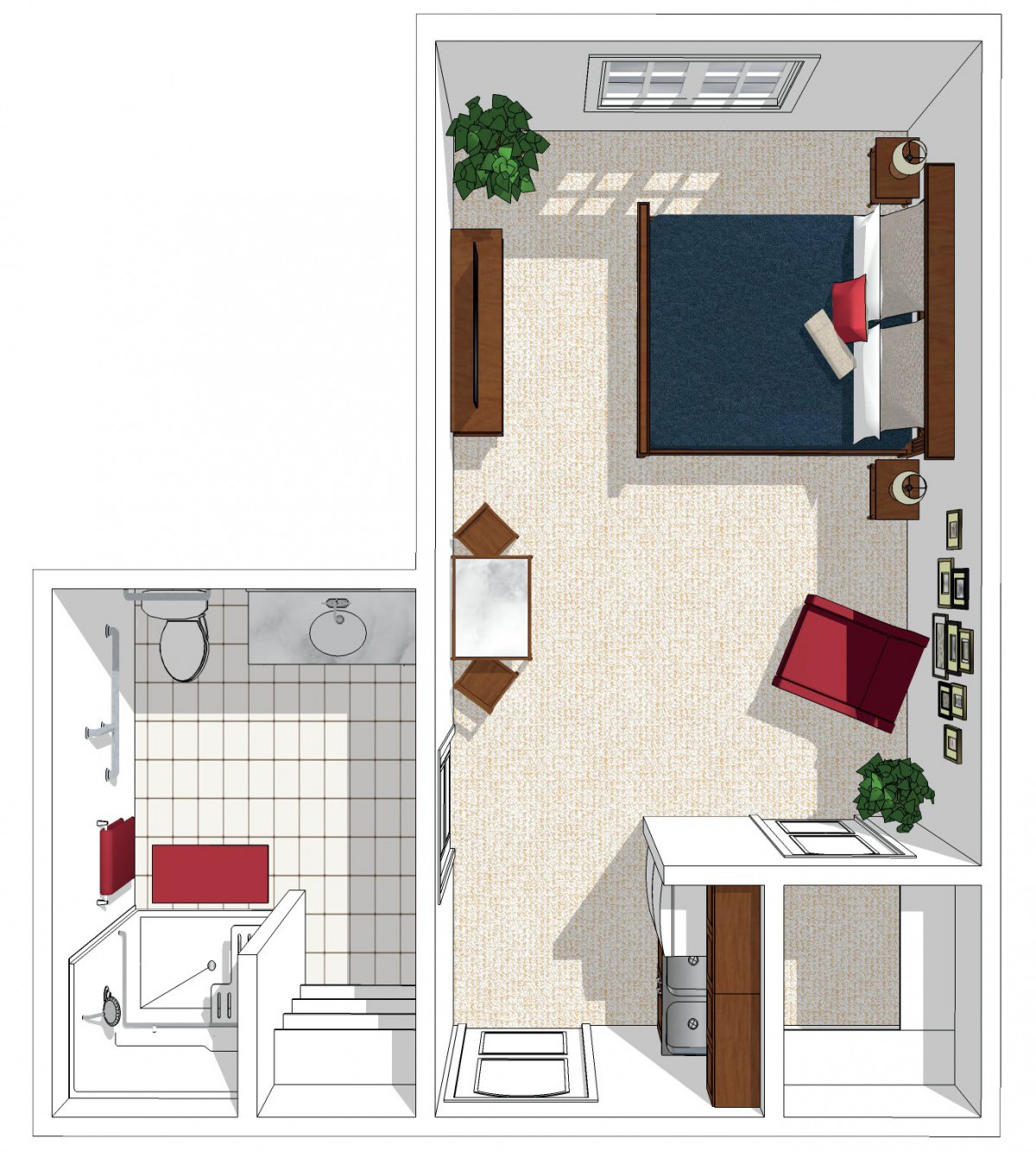
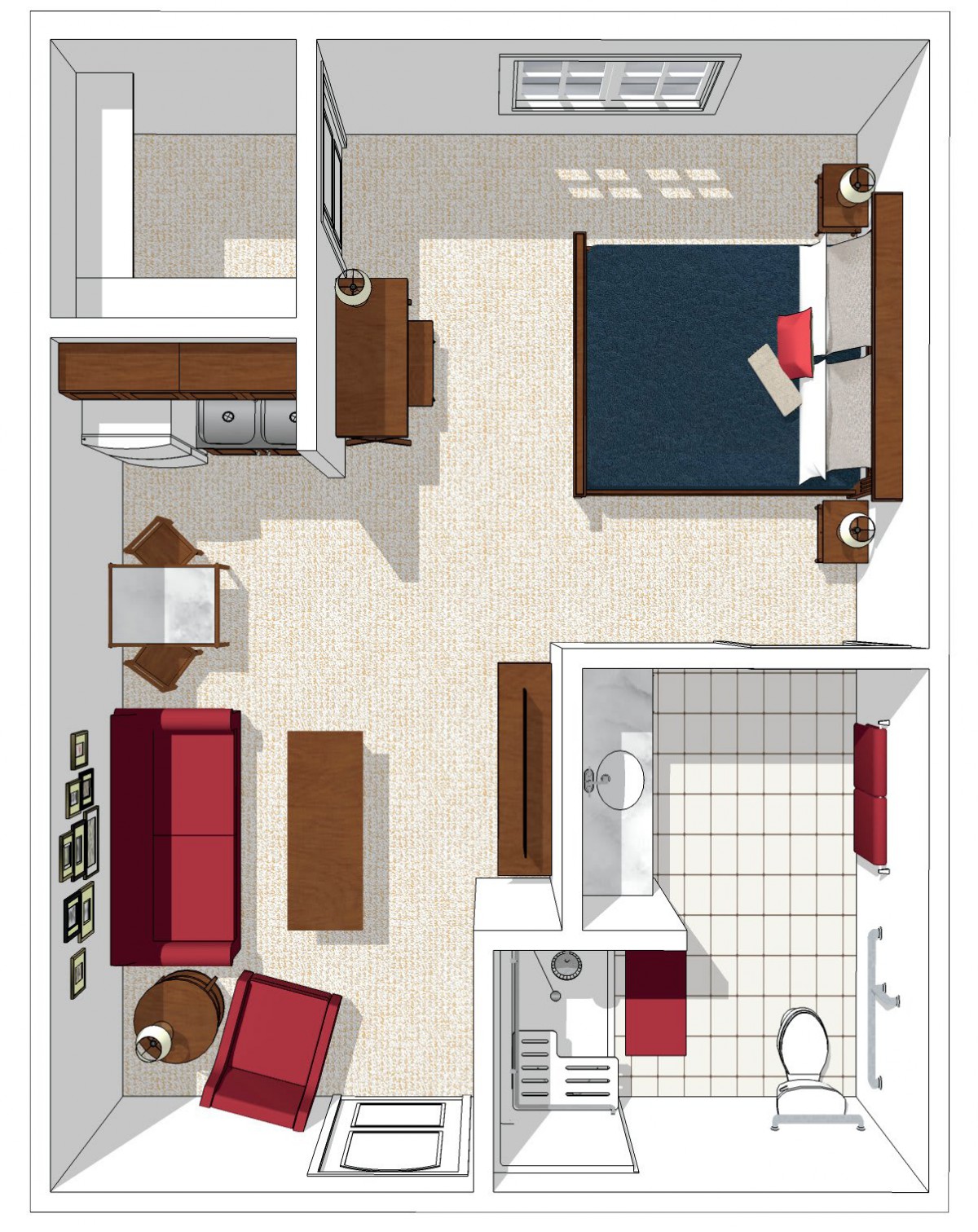
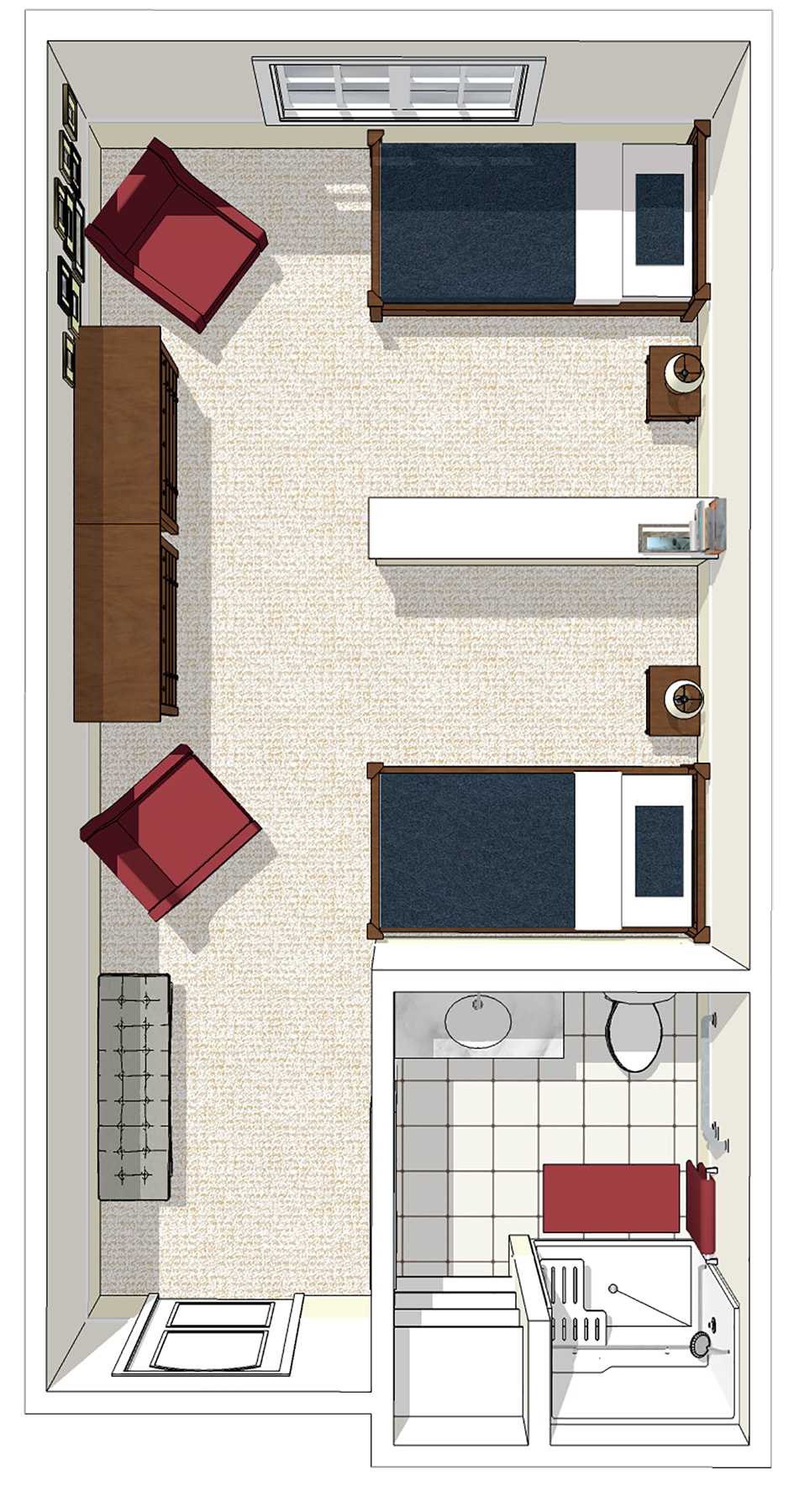
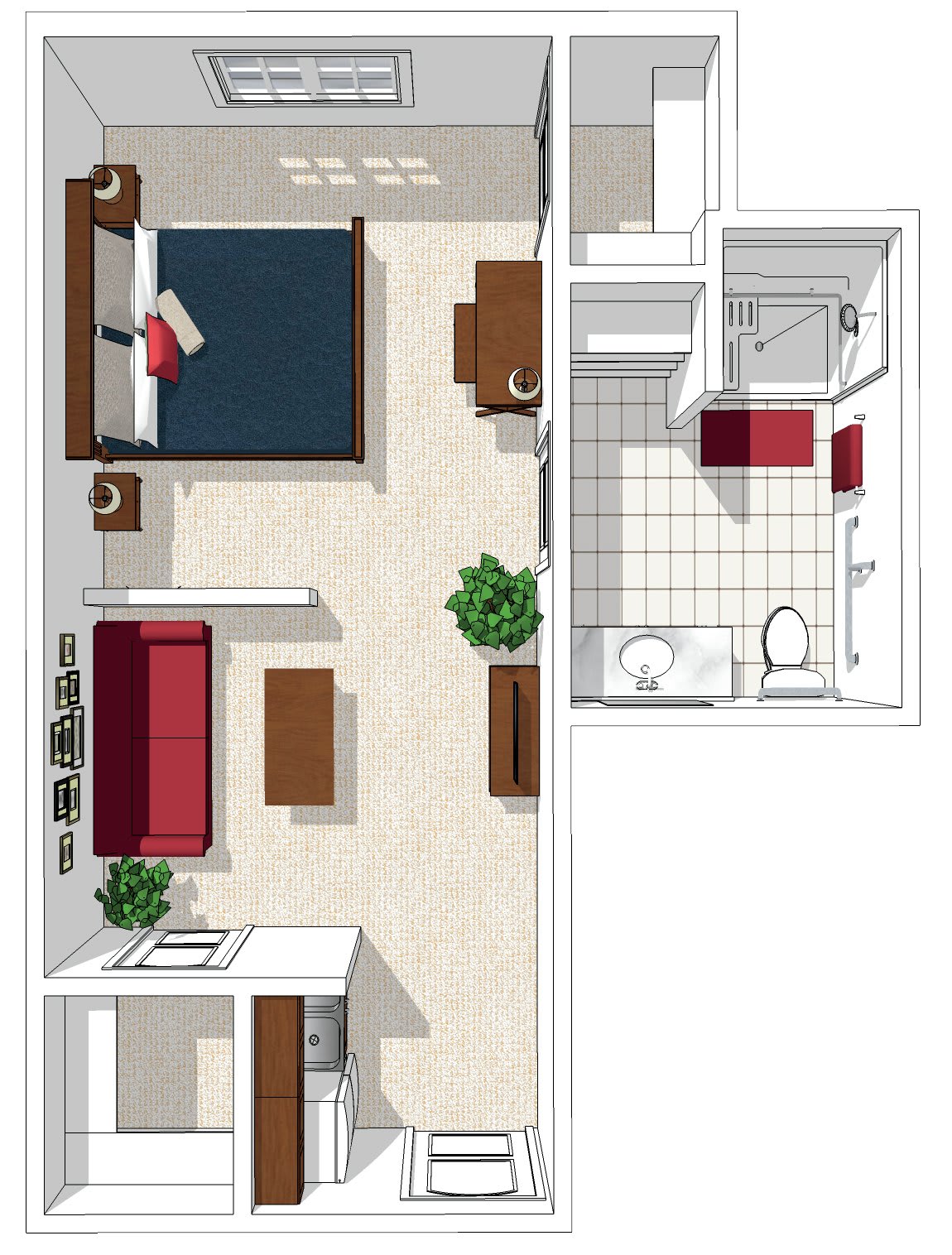
Addington Place of Alpharetta offers competitive pricing for its accommodations, particularly when compared to both Fulton County and the broader state of Georgia. For those considering semi-private rooms, the monthly rate is $2,295, which is significantly lower than the county average of $2,883 and also more economical than the state average of $2,529. The studio option is priced at $3,995, modestly exceeding the county's average of $3,618 but remains slightly above the state average of $3,520. However, for one-bedroom accommodations, Addington Place stands out with a cost of $4,495 - far surpassing both local and state averages of $3,411 and $3,412 respectively. This pricing structure highlights Addington Place's commitment to providing quality care in a value-driven manner while catering to various preferences and needs.
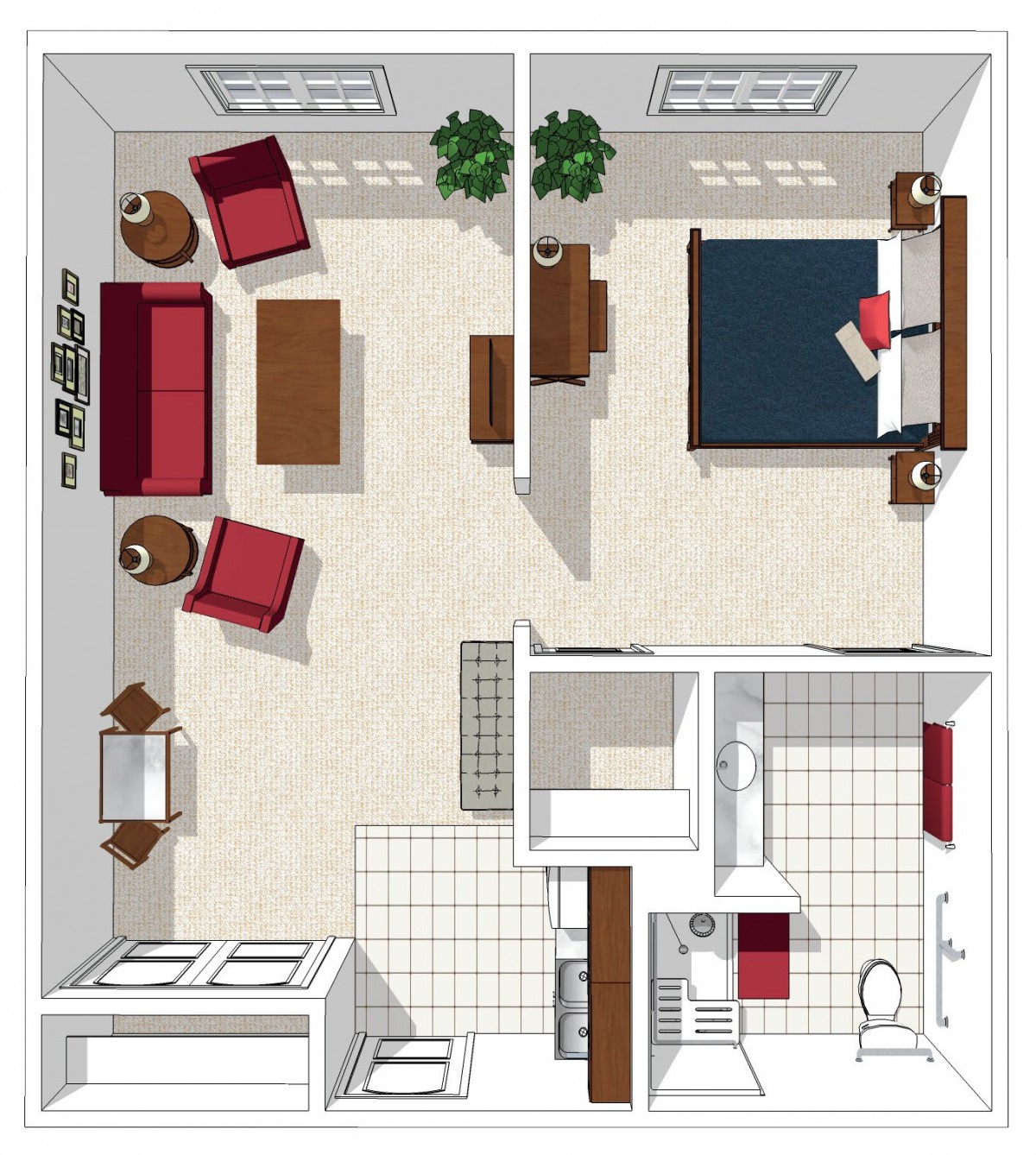
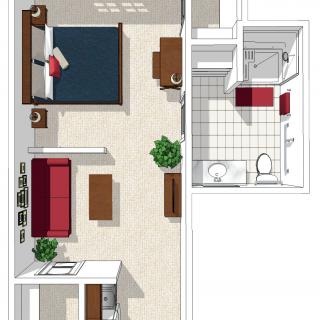
Floor plans
Addington Place of Alpharetta
Fulton County
Georgia
Semi-Private
$2,295
$2,883
$2,529
Studio
$3,995
$3,618
$3,520
1 Bedroom
$4,495
$3,411
$3,412
Memory care communities with a similar price nearby
Residents and families consistently describe staff as caring, responsive, and communicative.
Across the reviews, families repeatedly mention staff being caring and attentive, including frequent updates to loved ones and follow-through when help is requested. Several reviewers also describe communication as prompt and reassuring, with calls or texts returned as promised. Even in reviews that were mixed overall, families still single out the staff’s willingness to help and professional interactions in day-to-day situations.
common18 reviews mention this
Activities and community life
Residents are described as staying engaged thanks to frequent activities and outings.
Many reviews describe residents participating in activities throughout the day, with examples like outings, holiday celebrations, and group events. Families also mention seeing residents happier or more socially active once they moved in, and they appreciate the way events include opportunities for families to join. The community’s scheduled daily activities and off-site and on-site options match what reviewers discuss about keeping residents active.
caveat10 reviews mention this
Dining gets mixed feedback
Food quality is not uniformly praised and can vary from visitor to visitor.
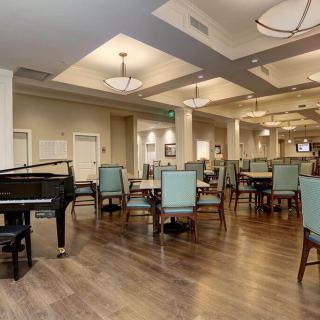
Some reviewers say the food is delicious or that the chef and meals are a highlight, while others describe food as only okay, not always warm, or not appealing. A few comments also point to the need for improvements to meals, including more consistent quality. This lines up with the community offering restaurant-style dining and a dining approach that includes room service and multiple special diet options, but reviews show the experience isn’t identical for everyone.
caveat3 reviews mention this
Pricing feels high
Several families call out the monthly cost as expensive.
A few reviews explicitly note the price as high, including concerns about ongoing increases and asking questions before placing a loved one. Other reviewers mention the tradeoff as worth it for their situation, but the theme of affordability comes up enough to stand out. Pricing is also structured across studio, semi-private, and one-bedroom options, which can make cost comparisons important during decision-making.
caveat3 reviews mention this
Care quality concerns appear
A small number of reviews raise concerns about medication handling and staffing.
While many reviews are positive about care, a few are sharply negative and describe medication delays, errors, and insufficient staffing on certain shifts. Another review also expresses concern about procedure, training, and whether health issues are consistently addressed, along with complaints about food. Because these are recurring issues in the most critical reviews, it’s worth asking the community to walk through how care delivery and oversight work in day-to-day practice.
How we summarize
Counts show how many written reviews mention each theme; a review can touch several themes, and only frequently mentioned themes are displayed.
Features
Housing
105 resident community capacity
1-bedroom apartments
2-bedroom apartments
Studio apartments
Types of Care
Assisted Living
Day Program
Memory Care
Respite Care
Pets
Cats allowed
Dogs allowed
Amenities
Activities off-site
Activities on-site
Air-conditioning
Beautician on-site
Beauty salon
Cable or satellite TV
Computer center
Devotional services off-site
Dining room
Fitness room
Fully furnished
Gaming room
Garden
Garden view
Ground floor units
Handicap accessible
Housekeeping services
Indoor common areas
Kitchenette
Move-in coordination
Outdoor patio
Outdoor space
Private bathrooms
Private patio, deck, or balcony
Respite or short term stays offered
Restaurant-style dining
Small library
Spa
Telephone
Wellness center
Wheelchair accessible showers
Wi-Fi/high-speed internet available
Transportation
Community operated transportation
Transportation & parking
Transportation arrangement
Transportation arrangement (non-medical)
Transportation to doctors appointments
Care Services
12-16 hour nursing
24-hour call system
24-hour supervision
Activities of daily living assistance
Ambulatory care
Assistance with bathing
Assistance with dressing
Assistance with transfers
Coordination with health care providers
Dementia waiver
Diabetes diet
Diabetic care
High acuity care
Hospice waiver
Incontinence care
Meal preparation and service
Medication management
Mental wellness program
Mild cognitive impairment
Special dietary restrictions
Specialized memory care programming
Transportation arrangement (medical)
Transportation to doctors appointments
Dining
Diabetes diet
Guest meals
Low / no sodium
Meals provided
No Sugar
Professional chef
Restaurant style dining
Room service
Special dietary restrictions
Special dining programs
Activities
Art classes
Bible study group
Catholic services
Community-sponsored activities
Concierge services
Cooking classes
Day trips and outings
Devotional activities offsite
Devotional activities on-site
Educational speakers / life long learning
Fitness programs
Karaoke
Live well programs
Planned day trips
Religious services
Resident-run activities
Scheduled daily activities
Visiting chaplain or priest
Wine tasting
Languages Spoken
English
Nearby Places of Interest
This part of Alpharetta, Georgia, offers a variety of amenities and services that would be beneficial for seniors looking to live in the area. With multiple restaurants nearby, such as La Parrilla Mexican Restaurant and Chick-Fil-A, there are plenty of dining options to choose from. Additionally, there are several cafes including Starbucks and Panera Bread for those who enjoy a leisurely cup of coffee or tea. For medical needs, there are pharmacies like Walgreens and CVS Pharmacy within close proximity, as well as physicians' offices like Modern Ob/Gyn and Resurgens Orthopaedics. Places of worship such as North Point Community Church and St Brigid Catholic Church provide spiritual support for residents. In case of emergencies or healthcare needs, hospitals like Emory Johns Creek Hospital are easily accessible. Furthermore, parks like Union Hill Park and Fowler Park offer opportunities for outdoor recreation and relaxation. Overall, this part of Alpharetta provides a convenient location with a range of services that cater to the needs of seniors looking to settle in the area.
Addington Place of Alpharetta offers competitive pricing for its accommodations, particularly when compared to both Fulton County and the broader state of Georgia. For those considering semi-private rooms, the monthly rate is $2,295, which is significantly lower than the county average of $2,883 and also more economical than the state average of $2,529. The studio option is priced at $3,995, modestly exceeding the county's average of $3,618 but remains slightly above the state average of $3,520. However, for one-bedroom accommodations, Addington Place stands out with a cost of $4,495 - far surpassing both local and state averages of $3,411 and $3,412 respectively. This pricing structure highlights Addington Place's commitment to providing quality care in a value-driven manner while catering to various preferences and needs.
The various features offered by Addington Place of Alpharetta significantly enhance the quality of memory care for residents facing dementia or Alzheimer's disease. Continuous 24-hour supervision ensures safety and immediate assistance during any emergencies, while support with activities of daily living, such as bathing and dressing, promotes dignity and comfort. Coordination with healthcare providers guarantees a comprehensive approach to health management, complemented by incontinence care and personalized meal preparation that cater to individual dietary needs. Medication management helps maintain necessary treatment regimens effectively, while specialized programming addresses cognitive challenges through engaging activities designed for those with mild cognitive impairment or advanced stages of dementia. Transportation arrangements for medical appointments further reduce anxiety about accessing essential care, all contributing to a holistic environment that nurtures mental wellness and supports the unique needs of each resident.
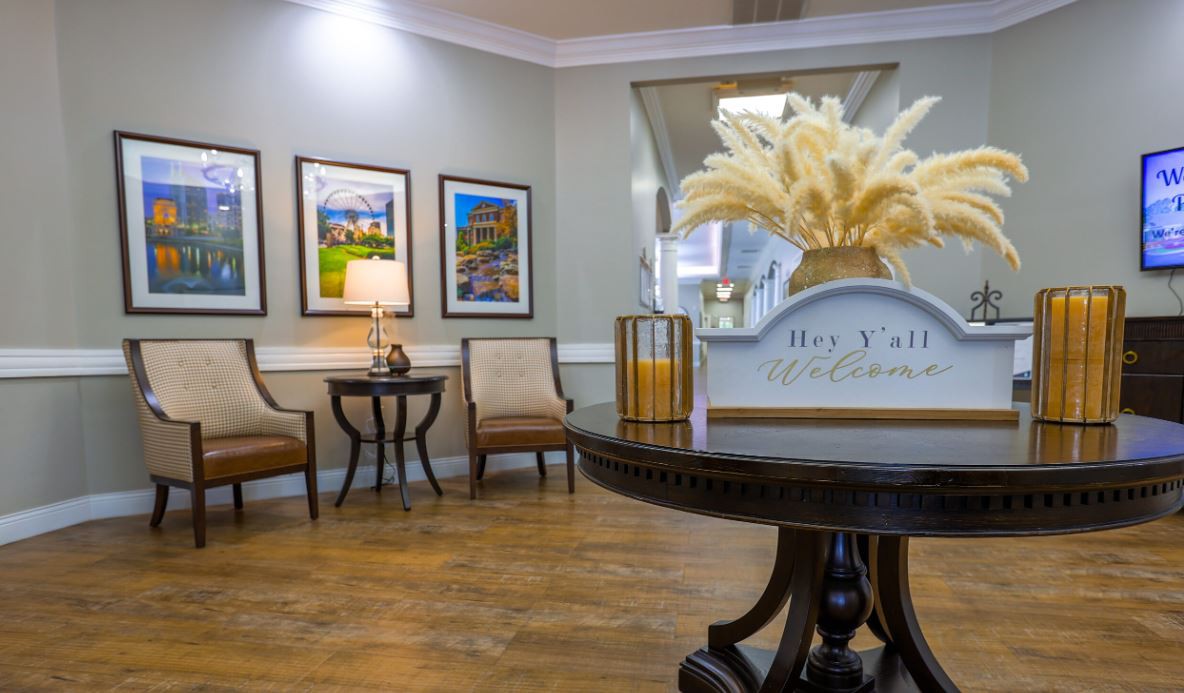
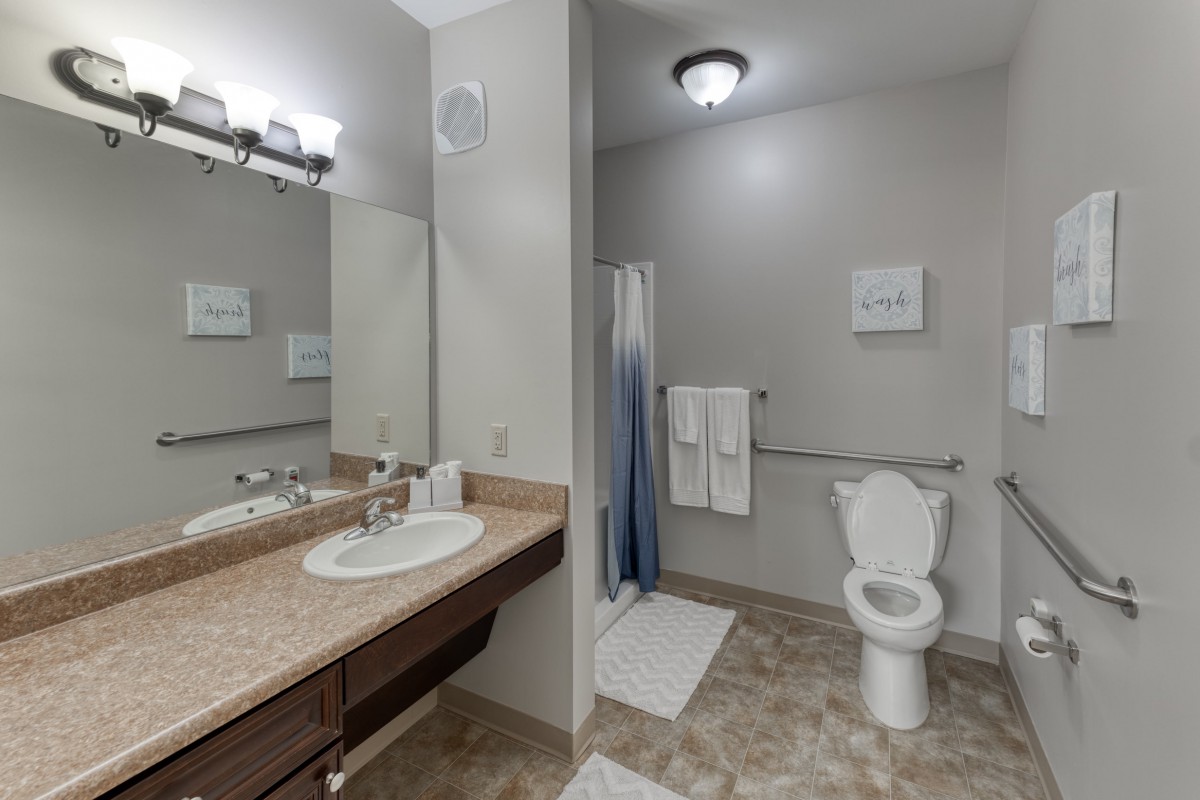
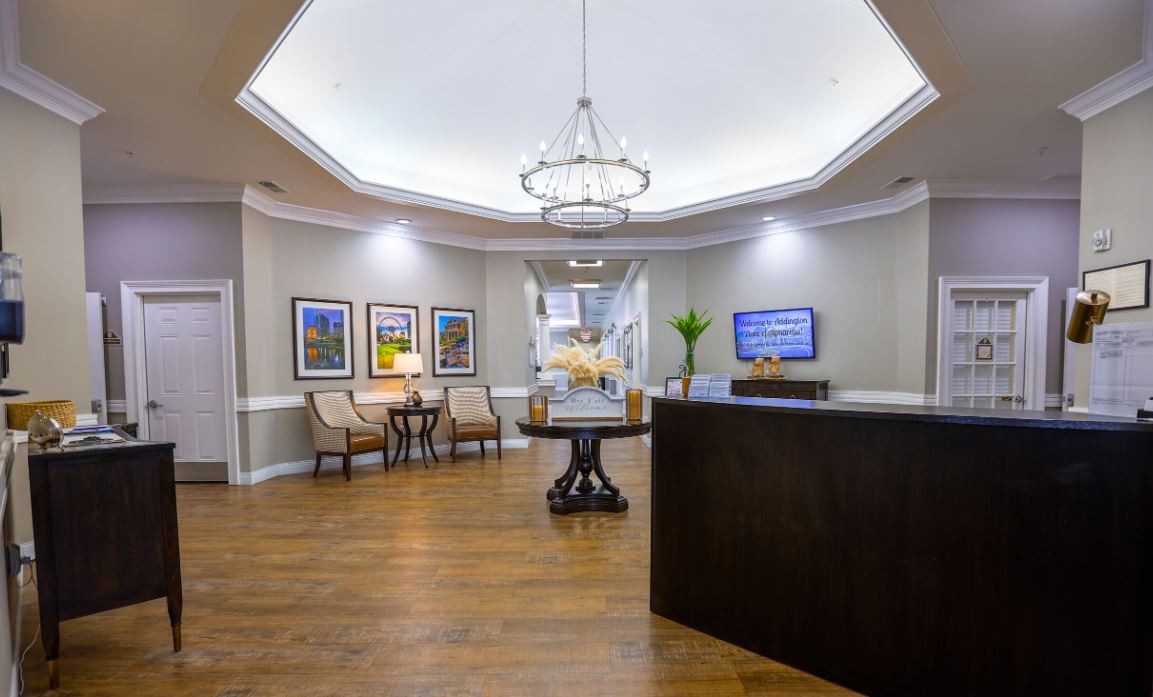
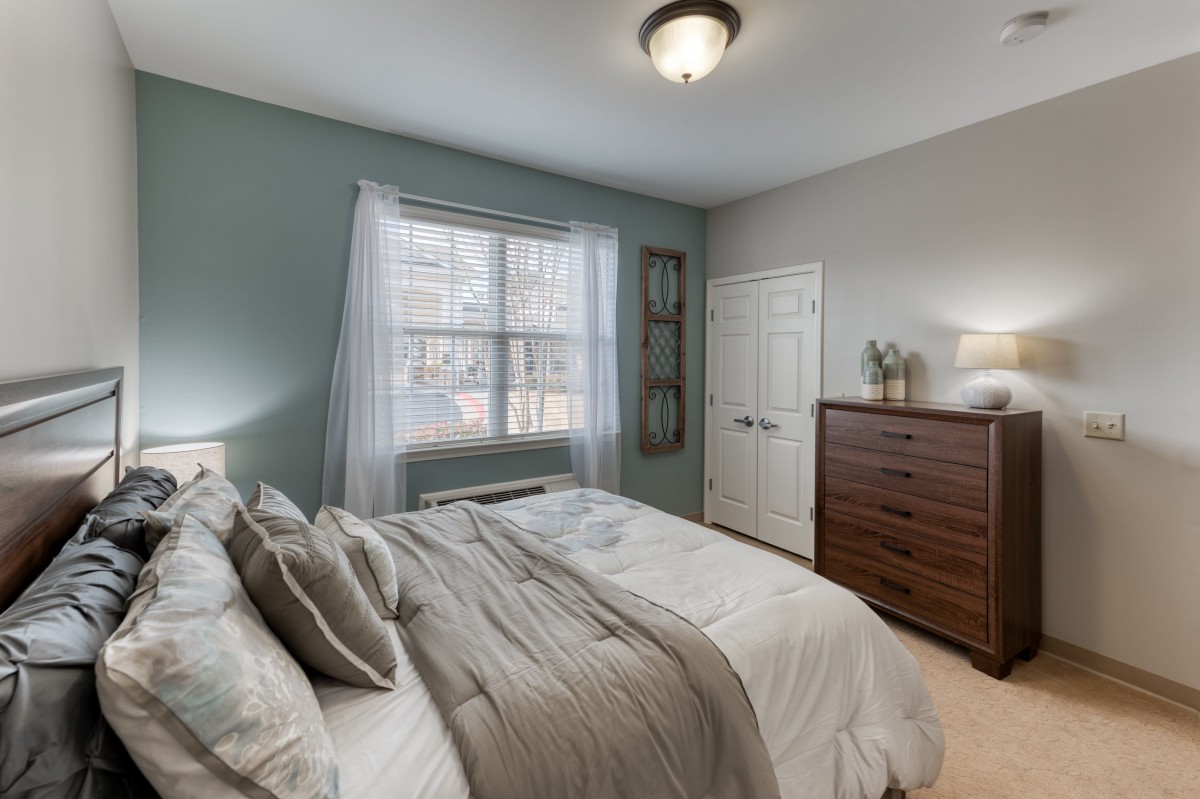
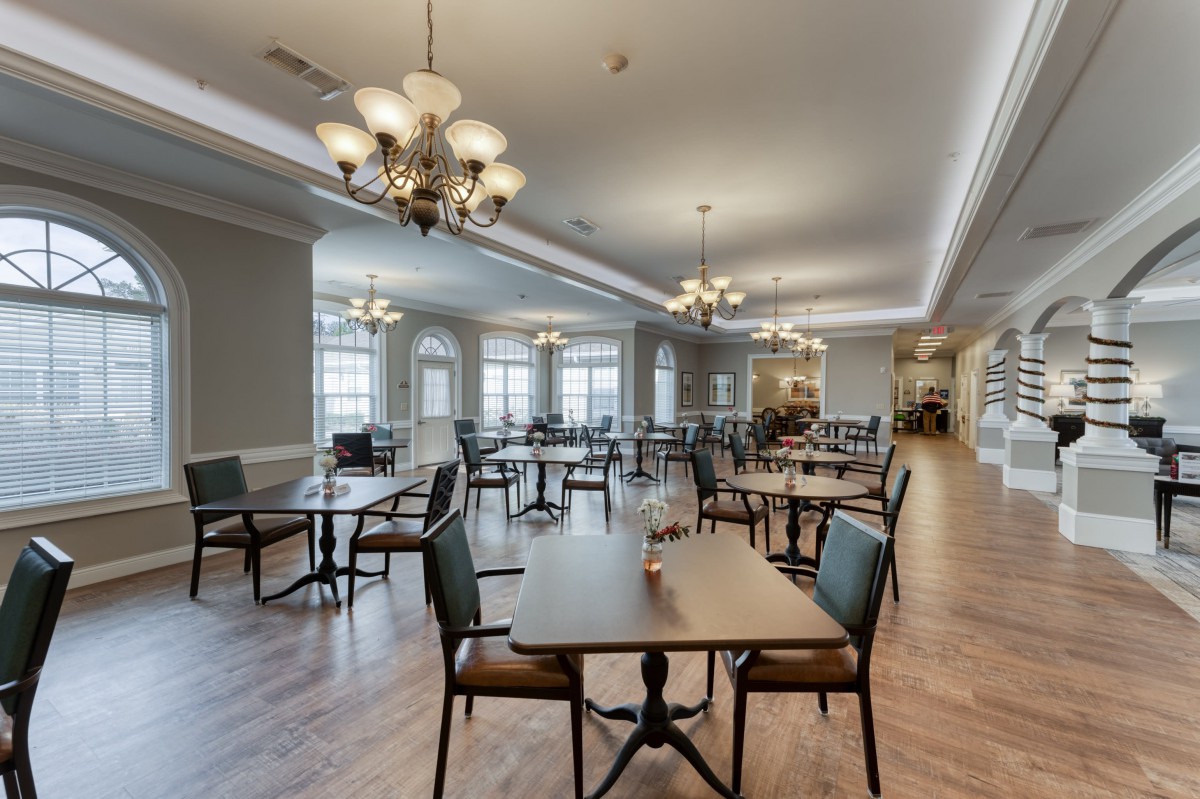
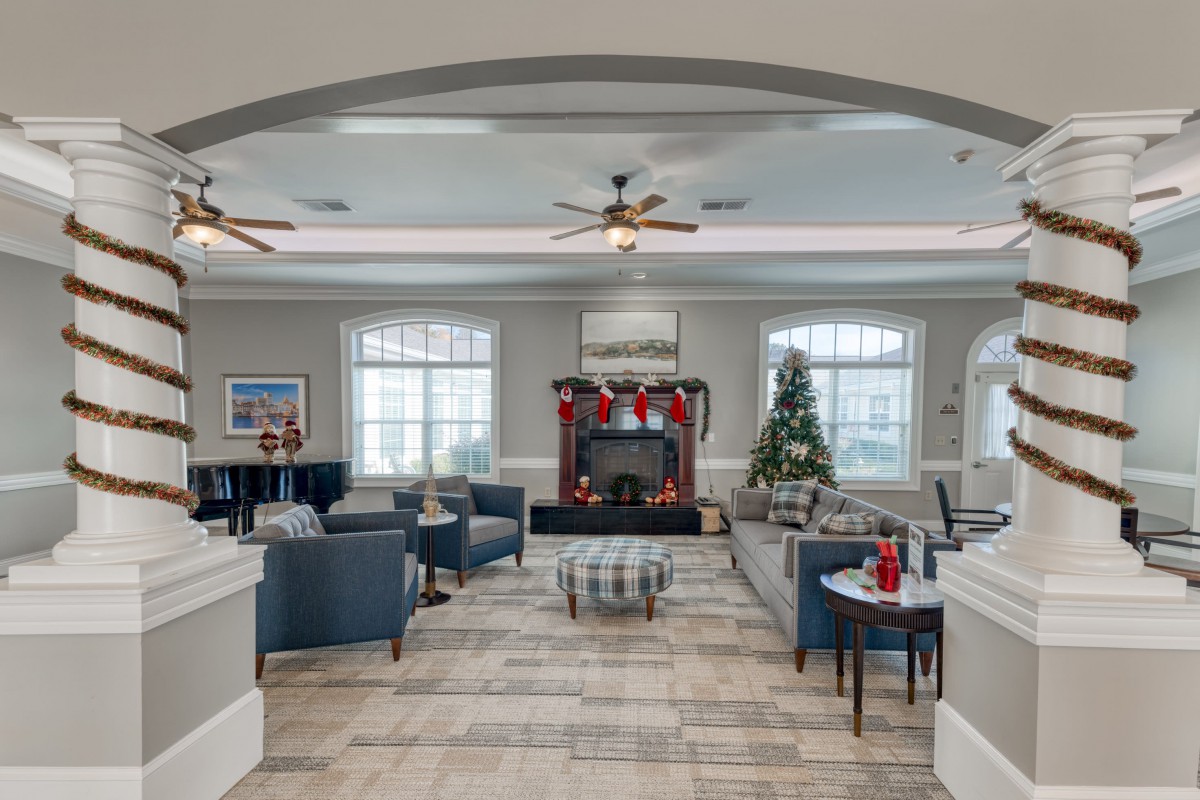
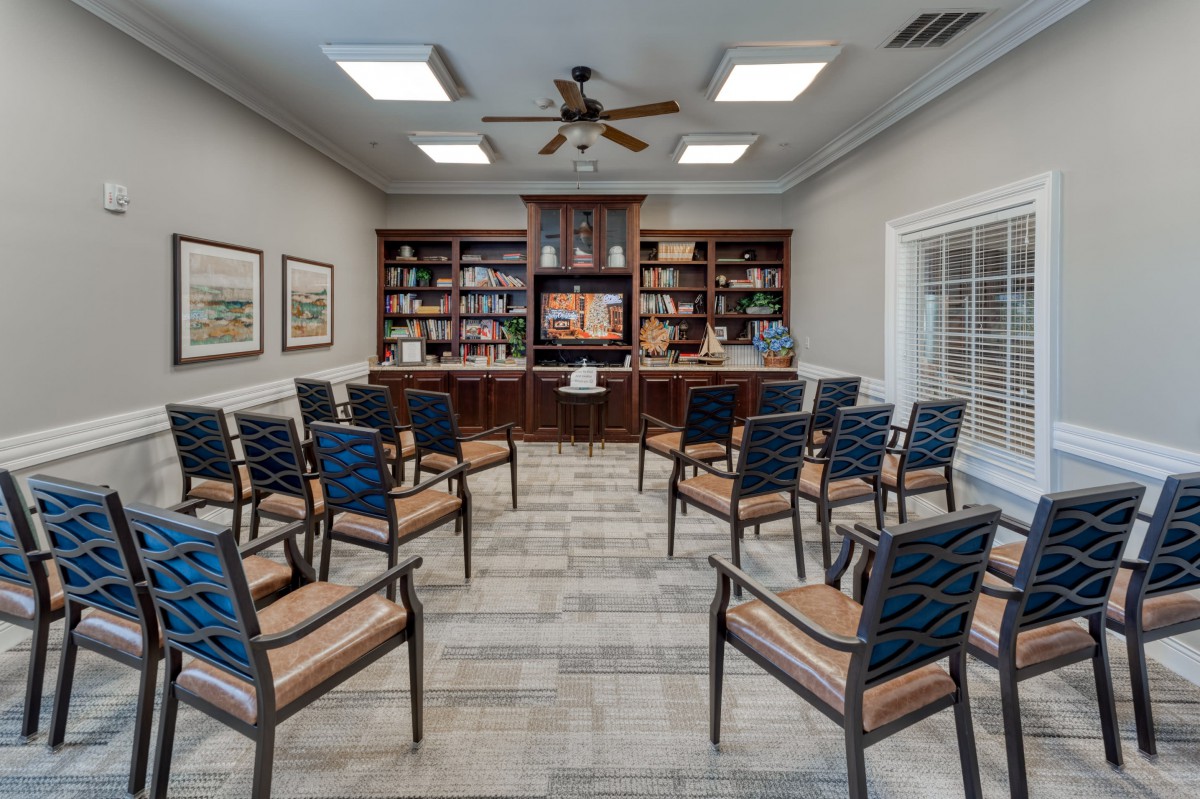
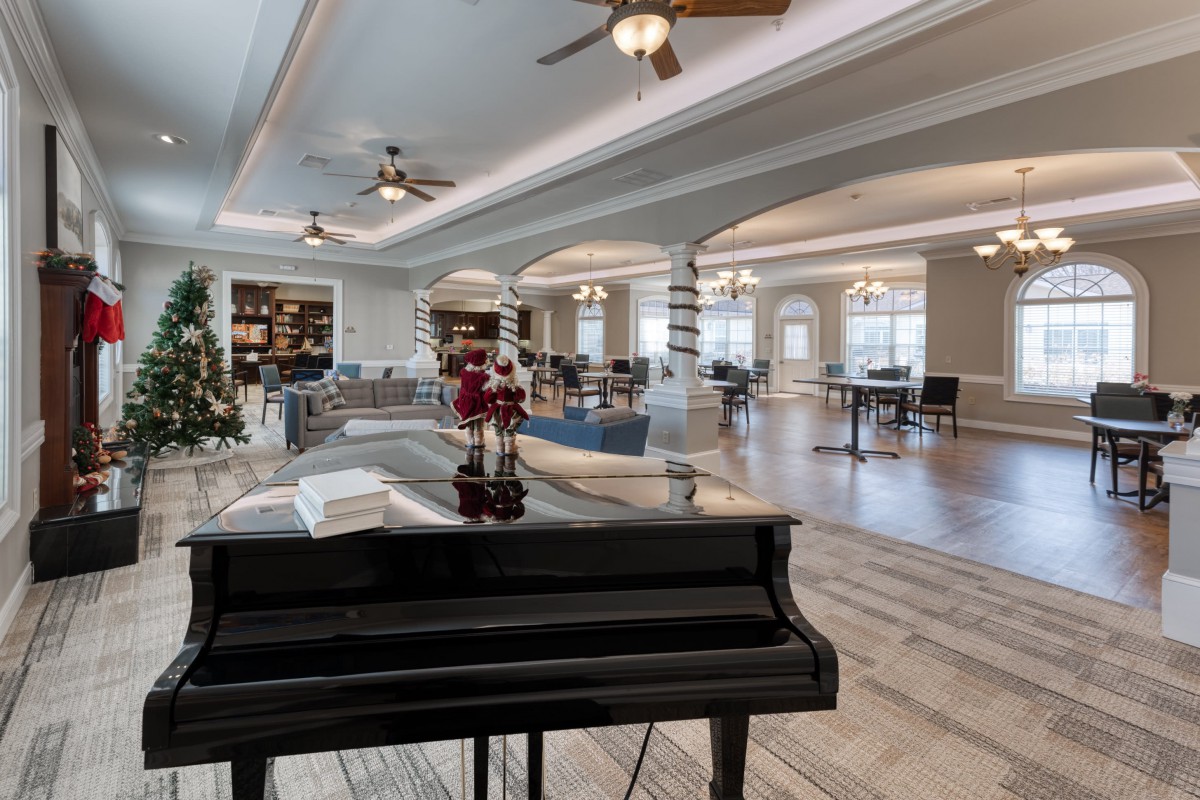
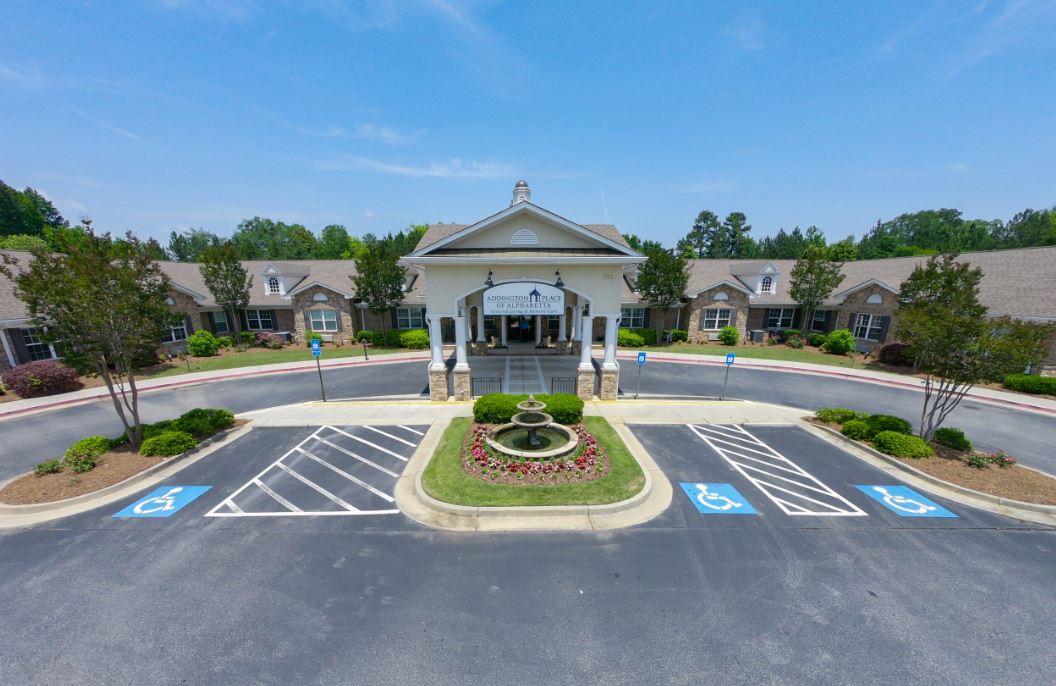
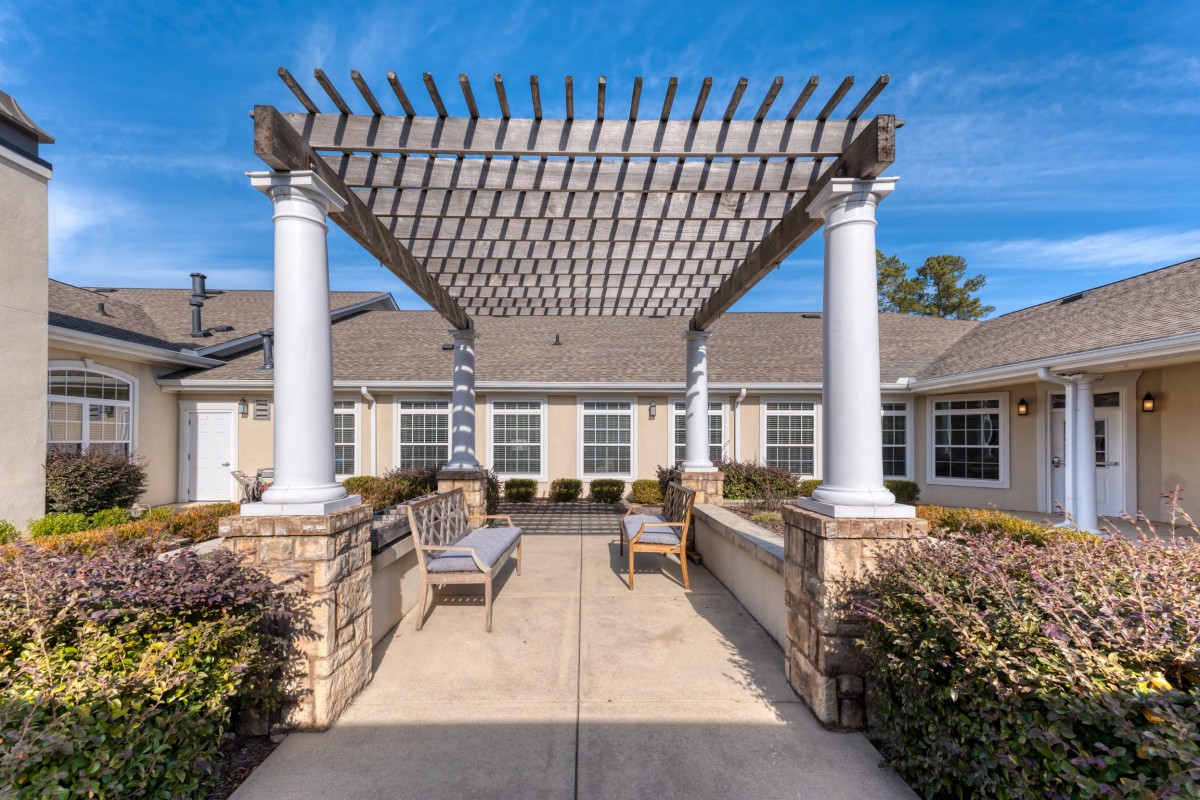
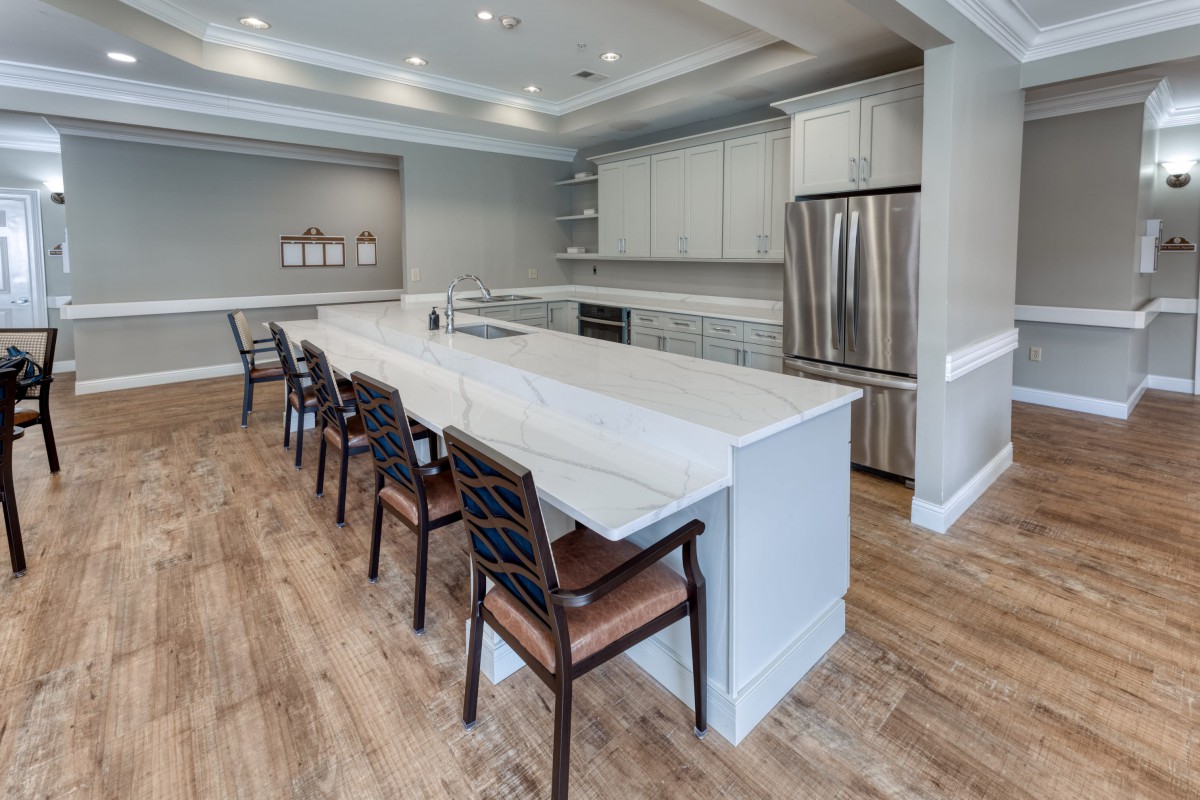
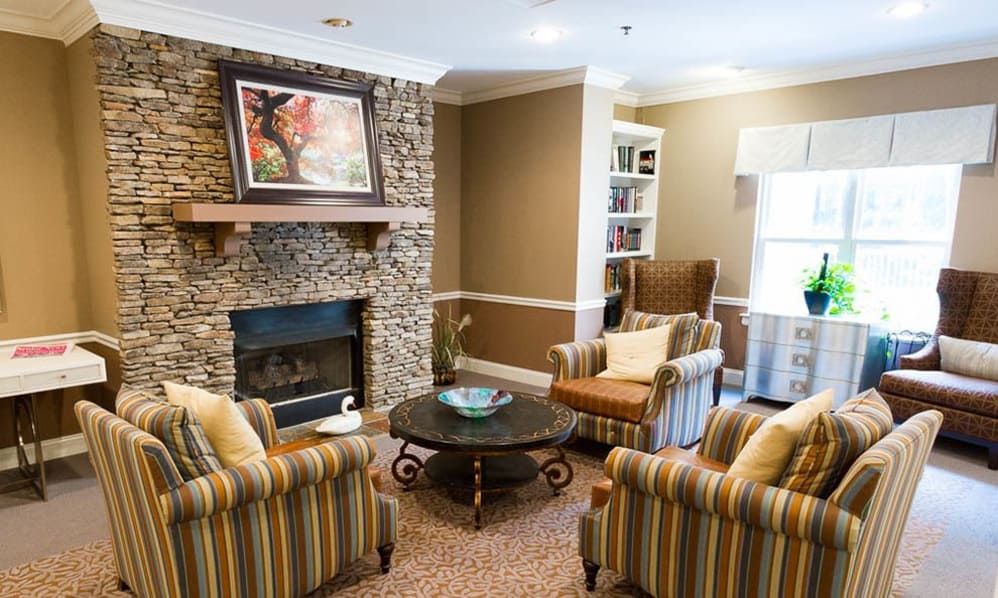
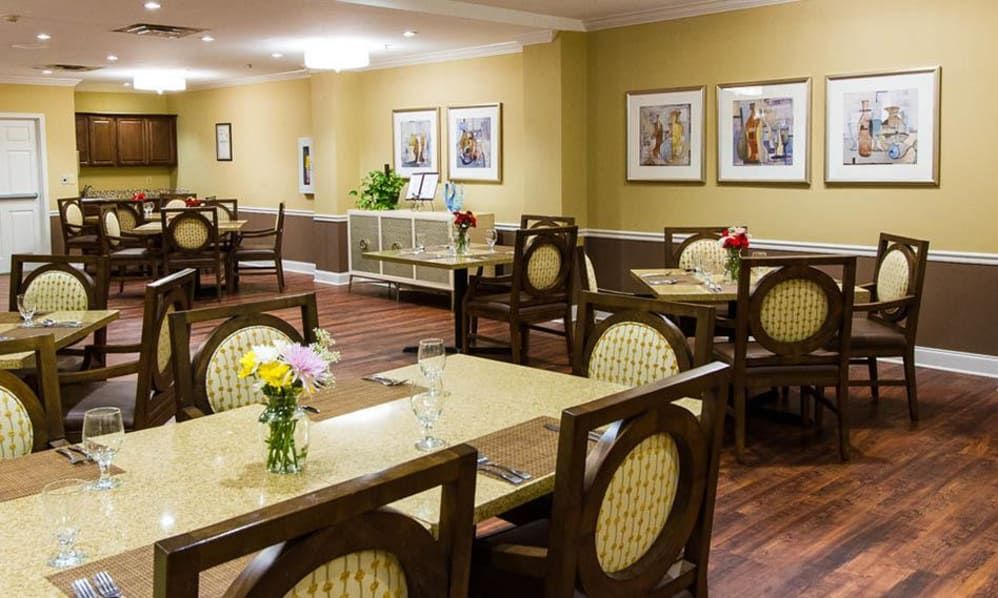
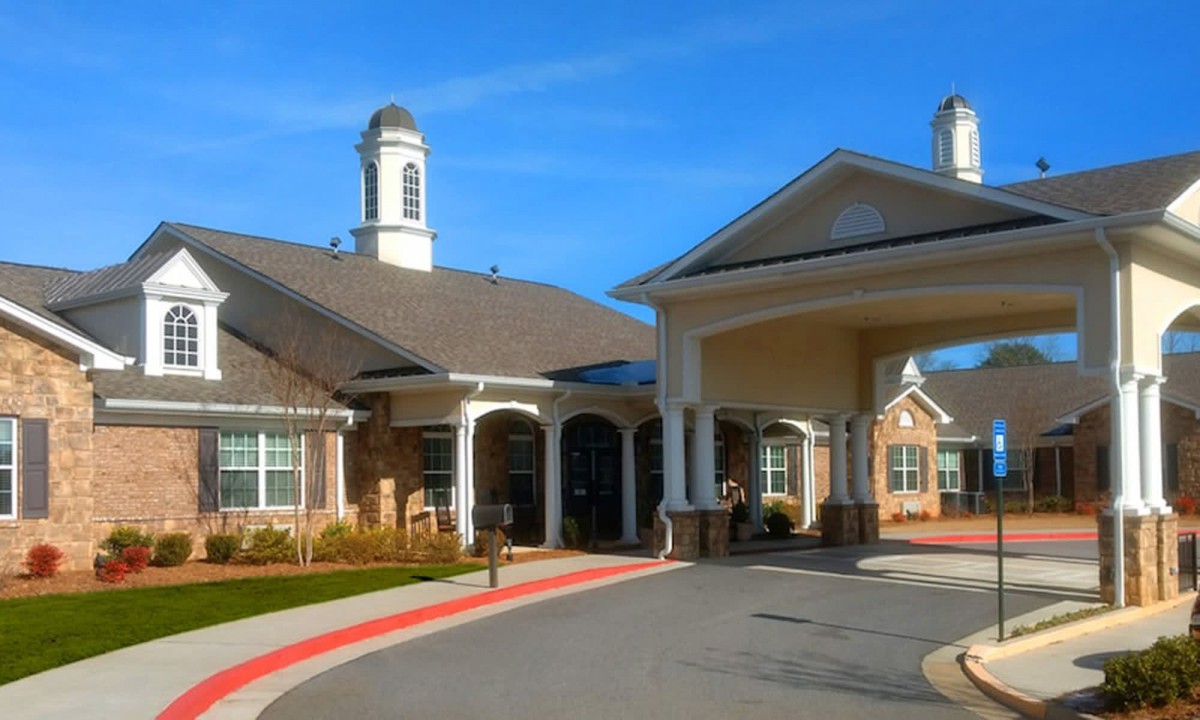
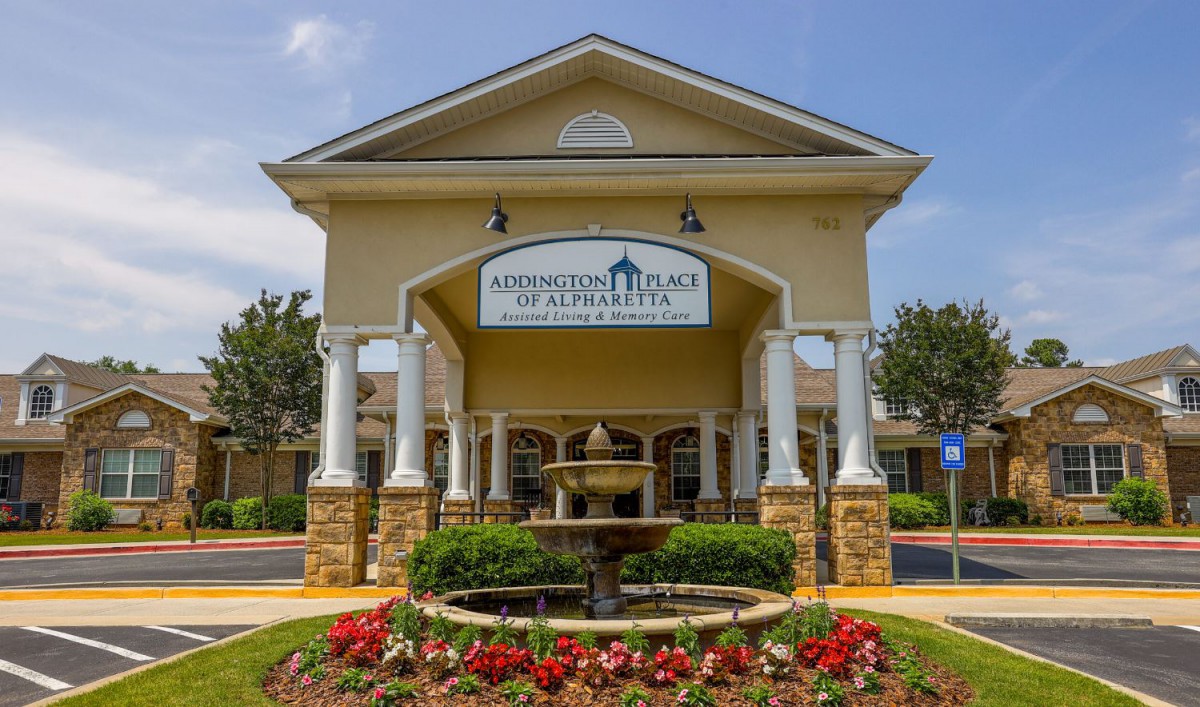
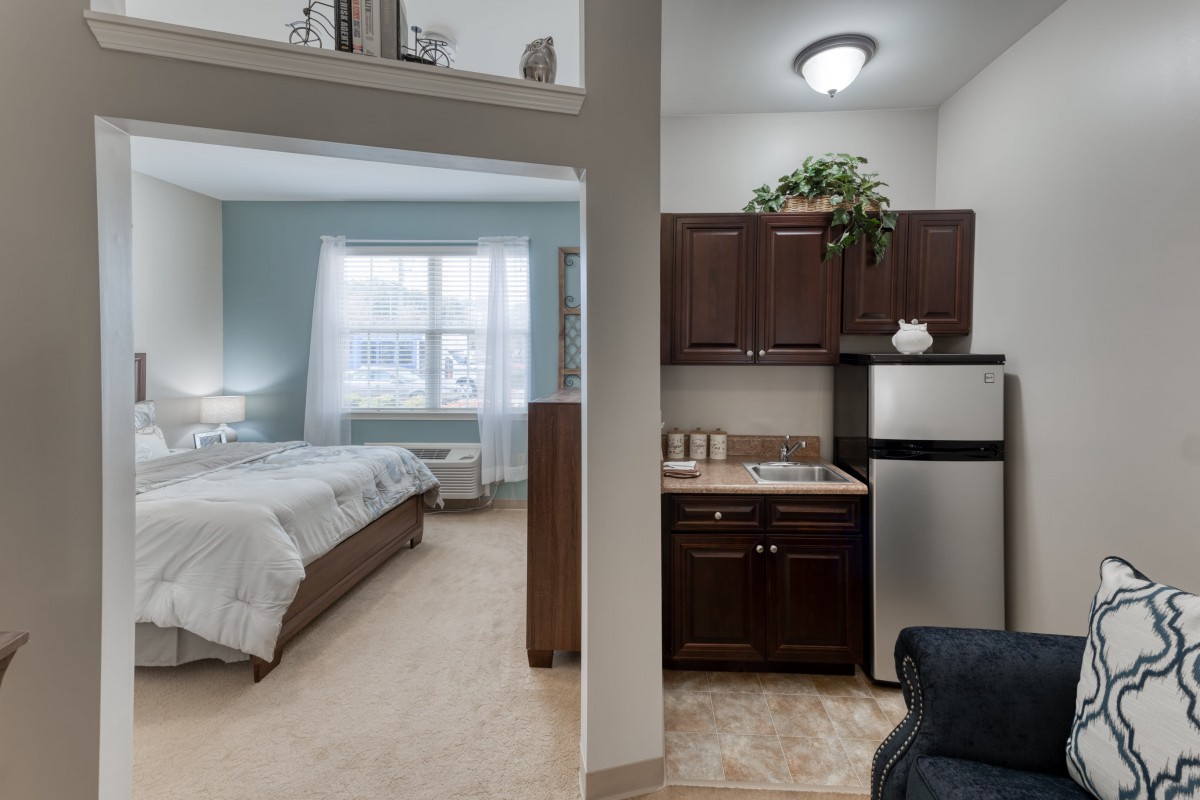
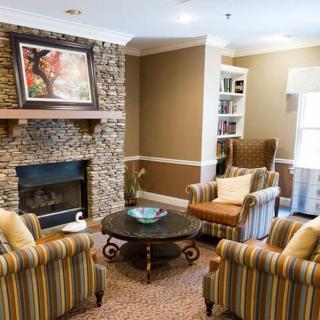
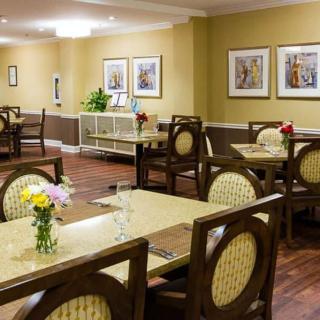
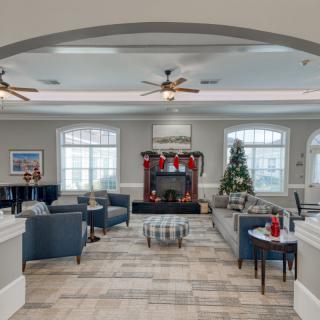
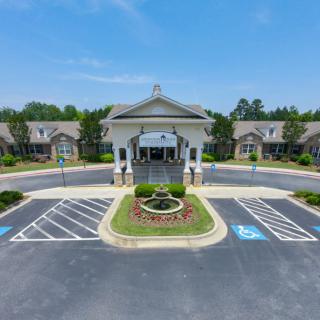
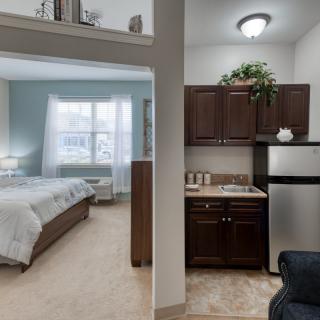
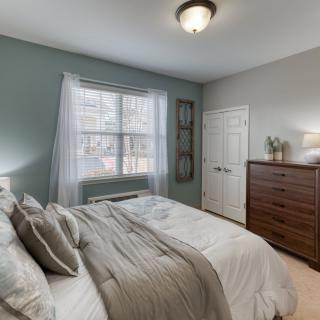
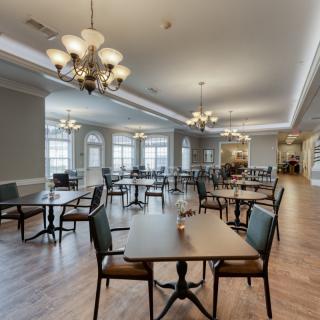
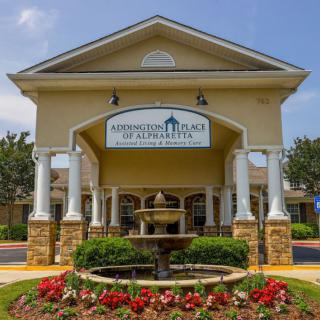
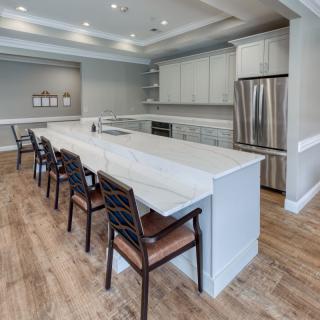
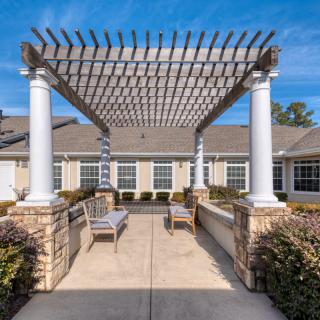
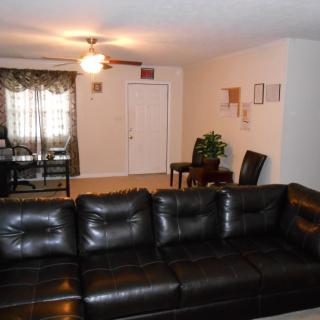
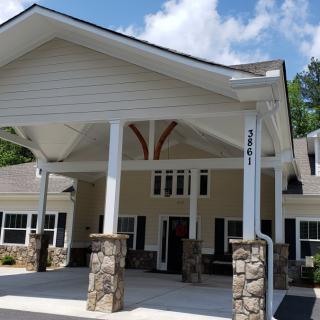
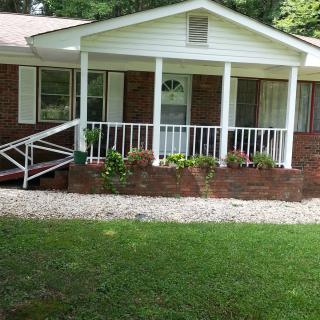
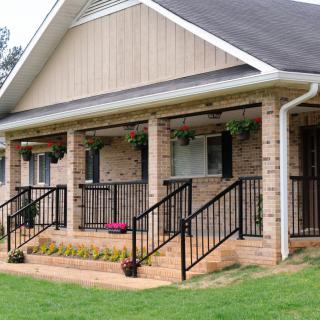
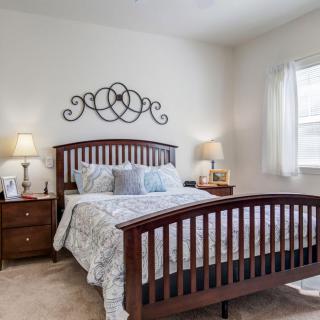
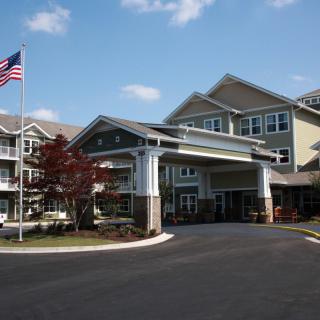
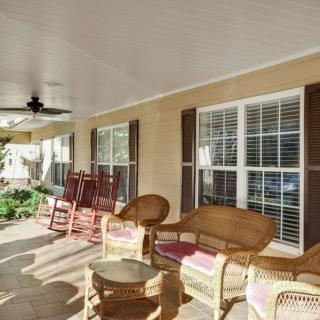
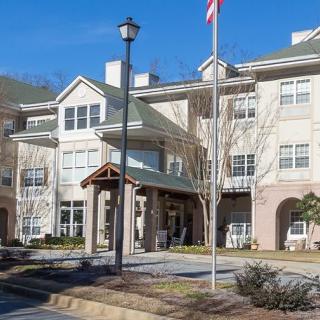
Addington Place of Alpharetta on seniors.fyi includes 22 photos including images showing interior, floor plan, bedroom, bathroom, decor, living room, artwork, dining, and more.
Nearby Communities
CarePoint Home Care
Alpharetta, GA
Convenient location with easy access to cafes, parks, healthcare, restaurants, and entertainment.
Enable Denna Drive
Alpharetta, GA
Comprehensive assisted living with 24-hour supervision, daily living support, medication management, and transportation to medical appointments.
Cottonwood Estates Gracious Retirement Living
Alpharetta, GA
4.4 from 24 reviews
Small, intimate community with 24-hour supervision, furnished apartments, housekeeping, meals, activities, and medical transport.
Cottonwood Estates
Alpharetta, GA
4.5 from 69 reviews
$2,515 to $4,195 / month
Friendly staff, clean facilities, and an active resident community.
Daufy Adult Community Services
Alpharetta, GA
Small, intimate community with comprehensive on-site care and amenities.
Vitality Living Milton
Milton, GA
4.8 from 148 reviews
$2,810 to $5,515 / month
Caring staff, engaging activities, clean and welcoming atmosphere.
Oaks at Alpharetta
Alpharetta, GA
4.5 from 153 reviews
$2,750 to $3,700 / month
Clean, welcoming environment with friendly, compassionate staff in an intimate, community-focused setting.
Village Park of Alpharetta
Alpharetta, GA
4 from 156 reviews
$5,695 to $6,995 / month
Pleasant, well-maintained environment with attractive on-site amenities.
Legacy Ridge at Alpharetta
Alpharetta, GA
4.4 from 110 reviews
$3,300 to $5,000 / month
Friendly staff, engaging activities, and clean facilities with convenient transportation.
Vibrant Senior Living emphasizes active senior living communities that promote independence and engagement through diverse amenities and activities, fostering wellness and social interaction among older adults. These communities range from independent to assisted living, with a focus on personal growth, family involvement, financial planning, and leveraging technology to enhance residents' experiences.
Assisted living provides moderate support for seniors seeking independence, while memory care offers specialized support for individuals with dementia or cognitive impairments through structured routines and trained staff. Key differences include care approaches, environment security measures, staff training levels, activity types, and cost considerations.
Choosing between assisted living and nursing homes involves evaluating emotional and financial factors, with assisted living offering independence and support for daily activities at a lower cost, while nursing homes provide intensive medical care for individuals with significant health needs. The decision is influenced by personal preferences, health status, cognitive function, and varying Medicaid coverage across states.
Get PricingAsk A QuestionSchedule A TourContact Senior Advisor
By clicking submit, you agree to our Partner's Terms of Use. You
also consent to receive calls and texts, which may be autodialed, from our Partner. Your consent is not a condition to
using our Partner's service. Please visit our Partner's Privacy Policy for information about their privacy practices.







 105 resident community capacity
 1-bedroom apartments
 Assisted Living
 Day Program
 Memory Care
 Respite Care
 Cats allowed
 Dogs allowed
 Air-conditioning
 Beautician on-site
 Cable or satellite TV
 Computer center
 Devotional services off-site
 Dining room
 Fitness room
 Fully furnished
 Gaming room
 Garden
 Ground floor units
 Handicap accessible
 Housekeeping services
 Indoor common areas
 Kitchenette
 Move-in coordination
 Outdoor patio
 Outdoor space
 Private bathrooms
 Private patio, deck, or balcony
 Restaurant-style dining
 Small library
 Spa
Spa Telephone
 Wheelchair accessible showers
 Wi-Fi/high-speed internet available
 Community operated transportation
 12-16 hour nursing
 24-hour call system
 Ambulatory care
 Assistance with bathing
 Assistance with dressing
 Assistance with transfers
 Diabetes diet
 Diabetic care
 High acuity care
 Hospice waiver
 Incontinence care
 Medication management
 Mental wellness program
 Special dietary restrictions
 Transportation arrangement (medical)
 Art classes
 Bible study group
 Concierge services
 Cooking classes
 Day trips and outings
 Educational speakers / life long learning
 Karaoke
 Wine tasting
 English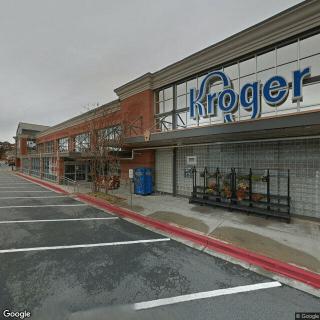
 Convenient location with easy access to cafes, parks, healthcare, restaurants, and entertainment.

 Vibrant Senior Living: A Comprehensive Guide for Active Older Adults
 Assisted Living and Memory Care: Understanding Their Core Differences
 Choosing the Right Senior Care: A Detailed Exploration of Assisted Living and Nursing Homes