

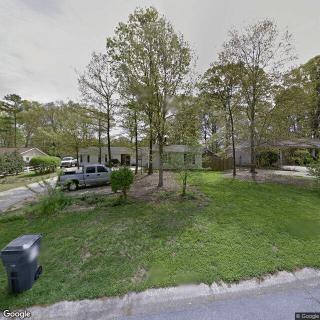
2143 Mars Hill Road, Acworth, GA 30101
To contact a resident: (770) 783-0725
For more information about senior living options: (866) 208-4318
Overall Review of ARM Home Care
Pros
 The co-owner is a registered nurse in Atlanta with 30 years of experience and a Certified Geriatric Care Manager.
- They are familiar with VA Benefits and help with reimbursement once available.
- They provide care options from 4 hours to 24/7 care.
- All employees are CNAs, ensuring qualified caregivers.
- There is no charge before placement.
Cons
 The VA benefits process takes some time to complete.
- Reimbursement for VA benefits is not immediate and requires waiting until it is in place.
Review
ARM Home Care in Acworth, GA is best suited for families seeking an in-home care arrangement that is anchored by clinical leadership and delivered primarily by CNAs. The co-owner’s background as a registered nurse with three decades of experience and certification as a Geriatric Care Manager provides credible, hands-on care guidance and structured care planning. This leadership translates into practical care coordination and a clear pathway to VA Benefits reimbursement when eligible, a notable advantage for veterans and their families. The service is scalable from a modest four hours of daily support up to 24/7 coverage, with all frontline staff designated as CNAs and no charge before placement. For households prioritizing medical-informed oversight in a home setting, this model offers a compelling, disciplined approach.
Those weighing alternatives should consider situations where this model may not be the best fit. Families with complex medical needs requiring continuous RN supervision or on-site licensed nursing support around the clock may find the structure inadequate. Similarly, memory care or behavioral health needs that demand specialized programming, higher clinician ratios, or a larger, more resource-rich operation could be better served by a larger agency or a facility with dedicated memory-care tracks. If rapid enrollment, broad geographic coverage, or extensive ancillary services are priorities, it is prudent to explore other options with more expansive staffing and program breadth.
The strongest upside rests on the leadership and the ability to lean on a clinically grounded care plan. The co-owner’s RN credentials and geriatric care management experience translate into careful assessment, risk management, and ongoing care plan refinement, not mere task delegation. VA Benefits familiarity offers a tangible financial lever, potentially reducing out-of-pocket costs once reimbursement is secured, even though the application timeline can be lengthy. The staffing model, consistent frontline CNAs under capable supervision, can yield dependable daily support, meaningful continuity, and clear accountability. The promise of no charge before placement lowers entry risk, making it easier to test fit without upfront financial commitment.
The main tradeoffs center on scope and staffing depth. CNAs deliver most day-to-day care effectively, but they cannot substitute for continuous nursing oversight in all health scenarios. The success of the arrangement hinges on steady supervision by the co-owner and prompt escalation of any health changes. This setup tends to excel for stable, progressively manageable needs or transitional post-acute phases, yet it may struggle when rapid medical responsiveness or highly specialized interventions are required. Given only one publicly visible review, prospective clients should seek corroborating references to gauge reliability, scheduling consistency, and satisfaction over time.
Financial dynamics ride largely on the VA benefits pathway and the upfront low-risk trial period. The stated familiarity with VA Benefits suggests a genuine reimbursement avenue, though families must anticipate administrative delays before any relief materializes. The absence of charges before placement remains a meaningful concession, enabling a no-pressure assessment of whether the care team and workflow meet expectations. Families should request a formal, written care plan, a clear breakdown of hourly rates by service level, and explicit details on nursing oversight, medication management, and crisis protocols. Understanding shift coverage for 24/7 care and contingency plans if a caregiver cannot attend a shift is essential to avoid gaps in support.
In sum, ARM Home Care offers a thoughtful, manager-led in-home solution that can substantially ease the transition from independence to assisted support for seniors who value clinical guidance and CNA-based daily care. It is a sound fit for families prioritizing careful care planning, reliable caregiver contact, and the potential for VA-based reimbursement, with the cushion of no upfront placement charge. It is less suitable for those requiring nonstop licensed nursing presence, intensive memory-care programming, or a larger agency network. The prudent next steps involve a thorough intake, a documented care plan, clear expectations for nursing supervision and medication management, and firsthand references to verify reliability and responsiveness. When its strengths align with the senior’s needs and the family’s expectations, this model can deliver steady, compassionate home care without rushing toward facility placement.







 Home Health Care Aides: Understanding Their Role and Supporting Your Family
 Urinary Tract Infections in Older Adults: Comprehensive Insights on Symptoms, Treatment, and Prevention
 California's Form 602A: An In-Depth Examination of Senior Care Assessment