
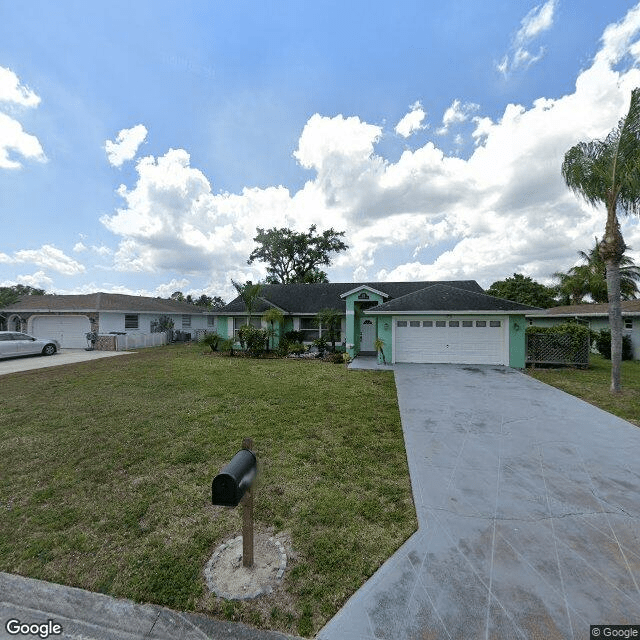
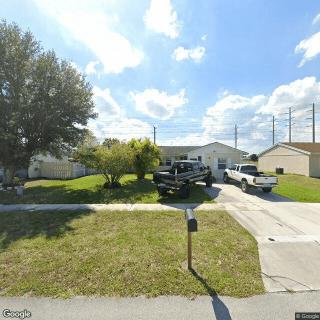
151 Meadowlark Drive, Royal Palm Beach, FL 33411
To contact a resident: (561) 574-0188
For more information about senior living options: (866) 208-4318
Overall Review of Pride & Joy ALF, Inc
Pros
 The experience with Orange Blossoms Villa II has been very good.
- The facility is small, and they take very good care of his father.
- He receives more one-on-one care than he did at the other large facility.
- He likes the food very much, and there is an endless supply of watermelon.
- The dining services are good; it’s all home-cooked and fresh.
- The activities are pretty good.
Cons
 No negative statements identified in the review.
Review
Pride & Joy ALF, Inc in Royal Palm Beach is best suited for seniors who want a small, home-like setting where staff can deliver frequent, individualized attention. This community trades a large-campus feel for a tightly run operation in which caregivers know residents by name and can respond quickly to changing needs. Families seeking predictable routines, genuine personal connection, and meals prepared with a home-cooked touch will find the most value here. The emphasis on small-scale care translates into a sense of safety and familiarity that is rare in larger facilities, making it an ideal match for residents who resist impersonal environments.
Those considering alternatives should weigh options if medical complexity or memory-specific needs are central. If a resident requires intensive skilled nursing, 24/7 on-site medical oversight, or a formal memory-care program with structured, specialized protocols, a larger ALF or a dedicated memory-care community may be a more suitable fit. Similarly, if the family prioritizes a broad array of on-site amenities, robust rehabilitation services, or a more expansive social calendar with frequent off-site activities, a bigger campus could deliver greater variety. In short, the strongest case for alternatives lies in care intensity, specialized programming, and broader resource access.
From the available review, the standout advantages of Pride & Joy ALF appear to center on intimate care and the quality of daily life. The small staff-to-resident ratio enables meaningful one-on-one interactions, which translate into better monitoring, quicker adjustments to routines, and reassurance for families worried about consistency in care. Dining is highlighted as a particular strength, described as fresh, home-cooked, and satisfying, with attention to meals that residents clearly enjoy. The dining experience, paired with a steady supply of enjoyable fruit like watermelon, contributes to a sense of normalcy and pleasure in everyday life, reinforcing overall well-being. Activities, while not showcase-level, are described as decent and engaging enough to keep residents connected to daily purpose.
Yet the reality of a smaller operation means certain limits may surface, even if not explicitly flagged in the review. A tighter campus can translate into fewer on-site specialty services, more limited recreational offerings on certain days, and a reliance on external providers for medical needs that arise suddenly. Residents who experience fluctuations in health or who require frequent, rapid access to advanced therapy may find the resource reserve thinner than on a larger campus. The key trade-off, then, is clear: the personal touch and homelike atmosphere can be offset or undermined by constraints on medical support and program breadth whenever health escalates or needs evolve.
To determine fit, families should probe specific operational realities. Ask how many residents share a typical room, the exact nurse staffing ratios across shifts, and who coordinates medical care and medication management. Inquire about emergency response times, accessibility to on-site clinicians, and the process for escalating care when health changes occur. Review the dining program for dietary restrictions, portion sizes, and flexibility in menus, especially if there are texture, allergy, or cultural preferences. Finally, review the activities calendar for variety, opportunities for family involvement, and how the community cultivates purpose in daily life beyond meals and routine.
In sum, Pride & Joy ALF, Inc offers a compelling proposition for families prioritizing intimate, relationship-driven care in a warm, home-like setting. It is a prudent first choice for residents who value individualized attention, fresh, satisfying meals, and a calmer pace that still provides meaningful daily engagement. However, if a resident’s needs include extensive medical oversight, specialized memory-care programming, or a breadth of on-site services and social opportunities found in larger campuses, alternatives merit serious consideration. For the right profile, someone who thrives on routine, personal connection, and a sense of community, the Royal Palm Beach facility can be a superior, confidence-boosting environment.
 Board and Care Home
 Palm Beach International (8 miles away)


 9 Stimulating Memory Activities for Seniors: Puzzles, Cards, and Much More
 Managing Nursing Home Expenses After Medicare Coverage Ends
 Is a Geriatric Care Manager the Right Choice for Your Family?