
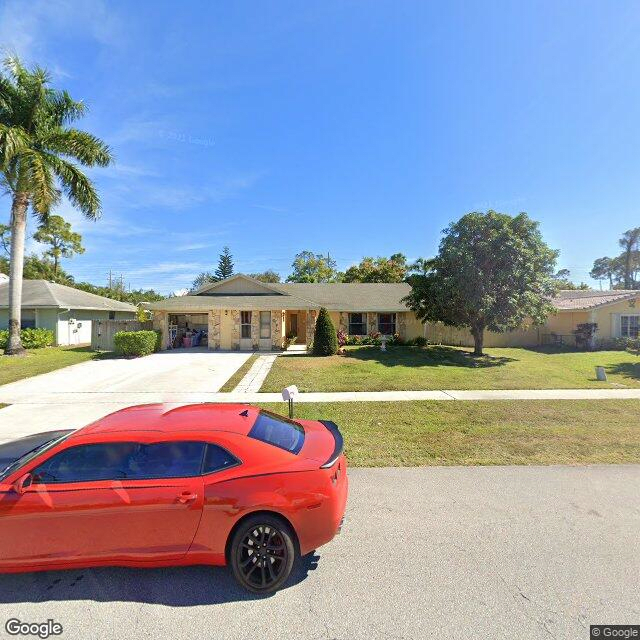
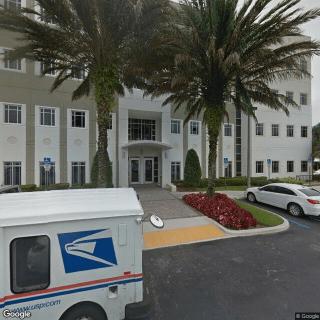
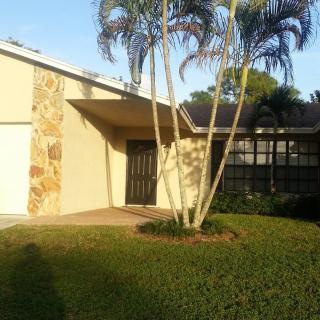
117 Barcelona Drive, West Palm Beach, FL 33411
For more information about senior living options: (866) 208-4318
Cassie's Castle II Costs & Pricing
At Cassie's Castle II, the monthly costs for accommodation reflect a competitive pricing structure when compared to both Palm Beach County and the broader Florida state averages. For semi-private rooms, residents can expect to pay $3,000 per month, which is notably lower than the county average of $3,592 and slightly under the state average of $3,009. The private room rate stands at $5,000, which is higher than both the county's average of $4,444 and the state's average of $3,699. Similarly, studio accommodations are priced at $5,000 as well - again surpassing the county's average of $4,274 and the state's average of $3,823. Overall, Cassie's Castle II positions itself as an appealing option for those seeking affordability in semi-private settings while still offering premium pricing for private and studio arrangements that exceeds local competitors.
| Floor plans | Cassie's Castle II | Palm Beach County | Florida |
|---|---|---|---|
| Semi-Private | $3,000 | $3,592 | $3,009 |
| Private | $5,000 | $4,444 | $3,699 |
| Studio | $5,000 | $4,274 | $3,823 |
Memory care communities with a similar price nearby
-
from -$500 / mo
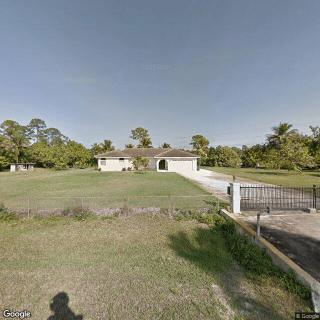
Iona Adult Family Home
$2,500 to $5,000 / month7.3 miles away -
from +$500 / mo
Mama Llama LLC
$3,500 to $5,800 / month4.2 miles away -
from +$515 / mo
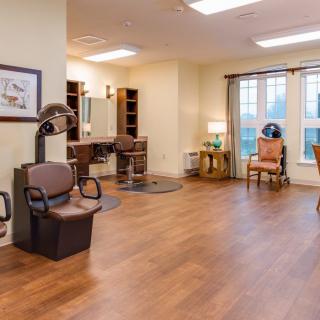
The Landing Of Lake Worth
$3,515 to $5,950 / month7.8 miles away -
from +$295 / mo
Mariposa
$3,295 to $5,110 / month10.1 miles away -
from -$500 / mo

Coventry Country Living Inc
$2,500 to $3,500 / month1.4 miles away
Overall Review of Cassie's Castle II
Pros
 They loved their bouquet of wedding flowers.
- They appreciated the very good attention and fresh flowers.
- They found the atmosphere very pleasant and homey.
- The place is clean and the staff are very personable.
- They described the people as great.
Review
Cassie’s Castle II in West Palm Beach is best suited for seniors who want a warm, home-like setting with personal attention from friendly, approachable staff. The atmosphere comes across as clean, intimate, and genuinely personable, where residents seem to be treated like neighbors rather than numbers. This community rewards those who value social warmth and easy daily interactions over the breadth of campus amenities. For families, the key caveat is timing: there are currently no vacancies, so readiness to wait or to pursue a backup plan is essential. When move-in timing is flexible, this is a strong fit for someone who prizes emotional comfort and a sense of belonging above high-volume services.
Those needing immediate placement or seeking a program with more formal structure should consider alternatives. The reviews concentrate on warmth and personality more than on a full range of care options, schedules, or specialized services. If a rapid move-in is non-negotiable or if a senior requires robust daily programming, licensed medical oversight, or a larger on-site activity calendar, a different community with current openings and clearly documented care offerings will likely be a better fit.
Pros strongly center on the human side of living. The environment is repeatedly described as pleasant, homey, and clean, with staff and residents forming connections that feel genuine and easy. The consistent praise for “great people” translates into a living experience that minimizes stress and friction in daily routines. These strengths help offset the absence of flashy amenities or extensive program rosters; emotional security and a sense of belonging are powerful levers in quality of life. Yet the main drawback, current full occupancy, remains a real constraint for families starting a search, signaling strong demand and the likelihood of a wait.
The occupancy reality is the primary reminder that this is not a turnkey decision. The same attributes driving satisfaction, cleanliness, warmth, and a culture of attentiveness, often correlate with solid on-site care when space opens, but that correlation is contingent on availability. Prospective residents should treat the vacancy status as a gating factor rather than a fatal flaw. The trade-off is clear: the environment offers a nourishing, neighborly vibe that many seniors crave, but the path to admission may require patience or contingency planning. In practical terms, the decision hinges on whether a family can accommodate a potential wait while still preserving access to a familiar, people-first atmosphere.
Practical due-diligence steps sharpen the call. Inquiries should confirm current care offerings (assisted living versus higher-level services if applicable), inquire about staff-to-resident ratios, and ask how care plans are developed and updated. Request a detailed activity calendar, meal options, guest policies, transportation availability, and housekeeping routines. Clarify the move-in process, waitlist policies, and how vacancies are communicated when they open. A visit at different times can reveal how staff engage residents and whether the space maintains the same warmth and neighborly feel across contexts, which is telling for anyone placing emphasis on companionship and daily comfort.
Overall, Cassie’s Castle II stands out for seniors who want a warm, home-like living experience with dependable cleanliness and a friendly, capable staff. For families who prioritize personal connection, social familiarity, and a tight-knit community, it is a compelling option, even with the current lack of openings. Those requiring immediate access or a more expansive care framework should evaluate alternatives with guaranteed availability and clearer, broader programming. When approached with flexible timing and clear expectations, Cassie’s Castle II can emerge as a trusted, emotionally satisfying choice in West Palm Beach.
 6 resident community capacity
 Assisted Living
 Board and Care Home
 Memory Care
 Respite Care
 Cable or satellite TV
 Dining room
 Fully furnished
 Garden
 Housekeeping services
 Move-in coordination
 Outdoor space
 Private
 Telephone
 Wi-Fi/high-speed internet available
 Palm Beach International (8 miles away)
 24-hour supervision
 Activities of daily living assistance
 Ambulatory care
 Assistance with bathing
 Assistance with dressing
 Assistance with transfers
 Diabetes diet
 Diabetic care
 High acuity care
 Incontinence care
 Meal preparation and service
 Medication management
 Special dietary restrictions
 Transportation arrangement (medical)
 Transportation to doctors appointments
 When Dementia Sparks Anger and Aggression: Understanding the Connection and Ways to Cope
 Dementia Behaviors: In-Depth Understanding and Effective Coping Strategies
 5 Early Indicators of Dementia and What You Can Do