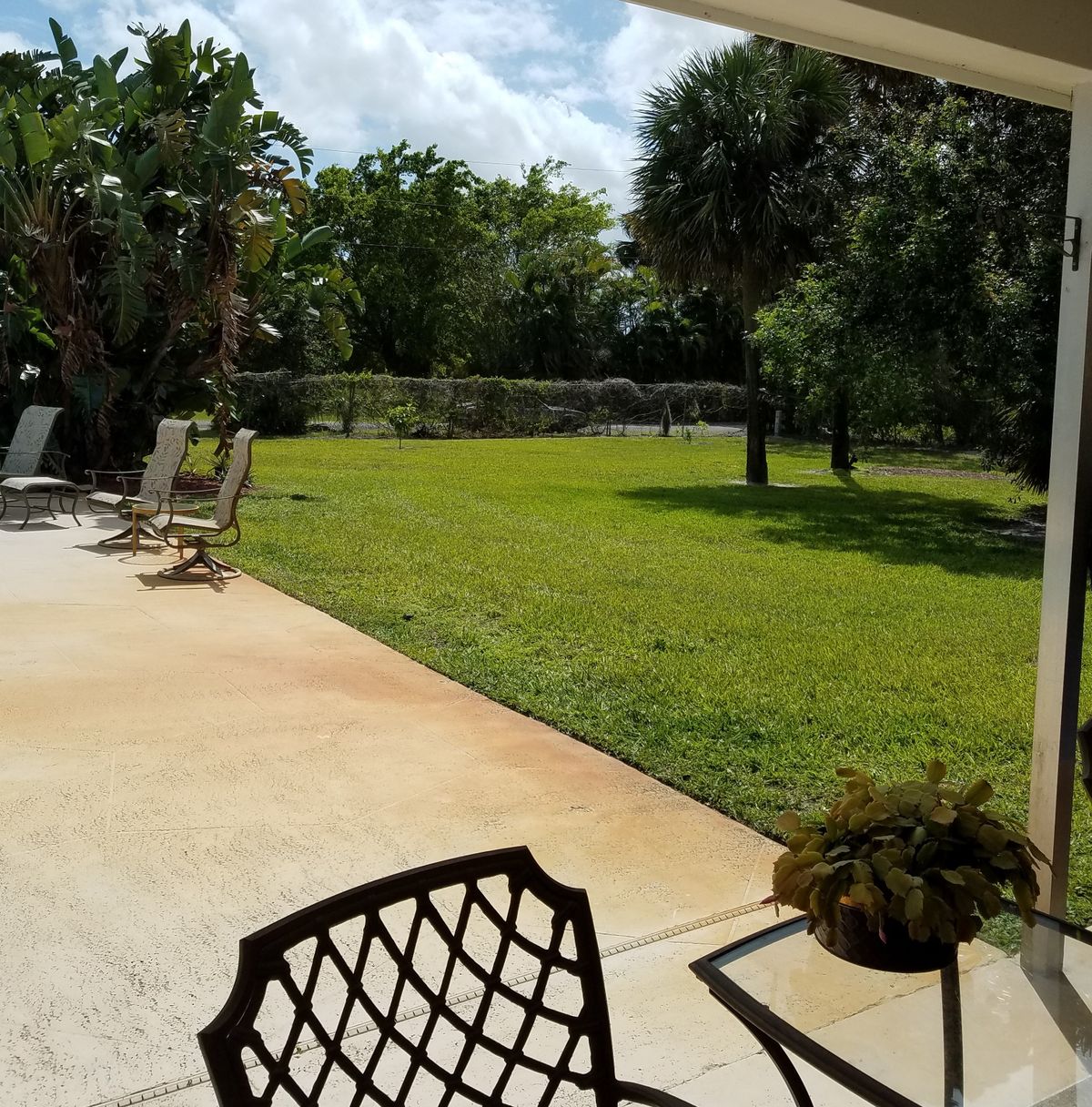

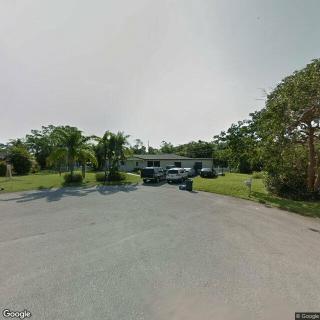
6260 Gun Club Road, West Palm Beach, FL 33415
For more information about senior living options: (866) 208-4318
Lee Residence Costs & Pricing
The costs associated with residing at Lee Residence reflect a premium compared to both Palm Beach County and the broader state of Florida. For a semi-private room, residents at Lee Residence face a monthly fee of $6,000, which significantly exceeds the county's average of $3,592 and the state average of $3,009. This disparity suggests that Lee Residence may offer enhanced services or amenities that justify its higher price point, catering to individuals seeking an elevated standard of care in their living environment.
| Floor plans | Lee Residence | Palm Beach County | Florida |
|---|---|---|---|
| Semi-Private | $6,000 | $3,592 | $3,009 |
Memory care communities with a similar price nearby
-
About the same

The Watermark at West Palm Beach
$6,000 to $7,600 / month5.2 miles away -
from -$950 / mo

The Madyson at Palm Beach Gardens
$5,050 to $7,450 / month14.0 miles away -
from -$325 / mo
Arden Courts Of West Palm Beach
$5,675 to $6,375 / month5.0 miles away -
from +$600 / mo

Palm Beach Memory Care
$6,600 to $8,600 / month12.4 miles away -
from -$485 / mo
Discovery Village At Palm Beach Gardens
$5,515 to $6,720 / month14.4 miles away
Overall Review of Lee Residence
Pros
 Lee Residence is driven by purpose and a commitment of excellence.
- The care Mom has received is of the highest quality.
- They have been able to manage her care the very best of all the places she has been.
- The ladies that work here are kind and gentle.
- The food is homemade and looks wonderful.
- The owners are always cheerful and very nice, and they have been in the industry for 30 years.
- Nothing sad about this place.
- Excellent care with lots of kind words and hugs.
Cons
 The two facilities were terrible.
- The writer hates that her mother is there.
Review
Lee Residence in West Palm Beach, Florida is best suited for families seeking a intimate, home-like setting where an elderly woman receives highly attentive, dignity-centered daily care from experienced caregivers. This community works best for residents who benefit from a steady, personal touch and from a care team that treats family input as essential rather than optional. It is a fit for those who value a warm, approachable atmosphere, regular family updates, and a consistent emphasis on comfort, respect, and individualized attention over showy amenities.
Those weighing alternatives should note a few realities that may factor into a decision. The setting is clearly small and intimate, with a distinctly ladies-focused environment that appeals to some but may feel restrictive to others who want a larger, more diverse resident population or a co-ed living arrangement. For families seeking a more clinical, memory-focused program with expansive activity calendars and robust campus-style services, or for those who want a facility with a more formal, clinical draw, alternatives may be a better match. The emotional implications of moving a loved one into any care setting can also be a hurdle, and one reviewer plainly signals that concern, underscoring the importance of readiness and expectations in the decision.
On the strength side, the pros are coherent and compelling. The care quality is repeatedly described as outstanding, with staff who are kind, gentle, and genuinely focused on the resident’s well-being. Families report being consulted on health changes and feeling welcomed to visit, often feeling as though they have become part of a caregiving family themselves. The daily routines emphasize dignity, daily showers, neat dress, homemade meals, and a stable, experienced leadership presence with owners who have three decades in the industry. The combination of a loving home atmosphere, consistent attention to hygiene and appearance, and proactive medical coordination, especially for complex medication needs, creates a powerful offset to the limitations of a smaller operation.
Yet the strongest caveat centers on personal fit rather than clinical capability. One reviewer frankly voices distress about a loved one being in care, a reminder that placement can carry emotional weight even when care quality is high. The same truth emerges in the context of the all-female resident environment; for some families, this aligns perfectly with their loved one’s preferences, while others may want a more varied social setting or a more expansive program. In practical terms, this means potential residents and families should verify how this setting aligns with social goals, independence needs, and emotional comfort, elements that, in practice, can tip the balance between “excellent care” and “the right day-to-day fit.”
Decision-making guidance follows clearly from the lived experiences above. Prospective families should prioritize direct conversations with the owners and care staff about how care plans adapt to evolving needs, how medication coordination is managed in real time, and how family input is integrated into daily and long-term care decisions. Tour questions should probe the typical daily schedule, the availability of meaningful activities, the dining experience, and how hygienic routines are maintained beyond the described standard. Crucially, inquire about memory care capabilities and what happens if cognitive or functional needs intensify; ask for transparent pricing and what is included, and request unfiltered opportunities to speak with residents’ families about their experiences.
In the end, Lee Residence stands out as a sterling option for families prioritizing compassionate, individualized attention in a home-like environment, especially for elderly women who thrive in small, intimate communities and benefit from active family engagement. The chief trade-off is the intimate, women-focused setting, which may not suit every family’s social or cultural preferences or demand for a larger scale. When alignment exists, clarity around care capabilities, strong staff relationships, and a welcoming family atmosphere, the result is a high-quality, trustworthy home where dignity and comfort are the default, not the exception.
 6 resident community capacity
 Assisted Living
 Board and Care Home
 Memory Care
 Respite Care
 Cats allowed
 Dogs allowed
 Activities off-site
 Cable or satellite TV
 Dining room
 Fully furnished
 Garden
 Housekeeping services
 Indoor common areas
 Move-in coordination
 Outdoor common areas
 Telephone
 Wi-Fi/high-speed internet available
 Palm Beach International (3 miles away)
 24-hour supervision
 Ambulatory care
 Assistance with bathing
 Assistance with dressing
 Assistance with transfers
 Diabetes diet
 Hospice waiver
 Incontinence care
 Meal preparation and service
 Medication management
 Mental wellness program
 Special dietary restrictions
 Transportation arrangement (medical)
 Transportation to doctors appointments



 Engaging Memory Care Activities That Enhance Quality of Life
 When to Transition from Assisted Living to Memory Care: Key Indicators, Steps, and Finding the Right Community
 Understanding the Distinctions: Assisted Living and Memory Care Explained